Synthetic guide RNA for CRISPRi applications
For transient gene repression with CRISPR-level specificity

For transient gene repression with CRISPR-level specificity
Horizon's CRISPRi guide RNA in an easy to deliver lentiviral format
Horizon's proprietary dCas9-SALL1-SDS3 CRISPRi repressor in mRNA format
Horizon's proprietary dCas9-SALL1-SDS3 CRISPRi repressor in lentiviral particle format
A direct and efficient set of tools to study a gene’s function by transcriptional interference in its native context
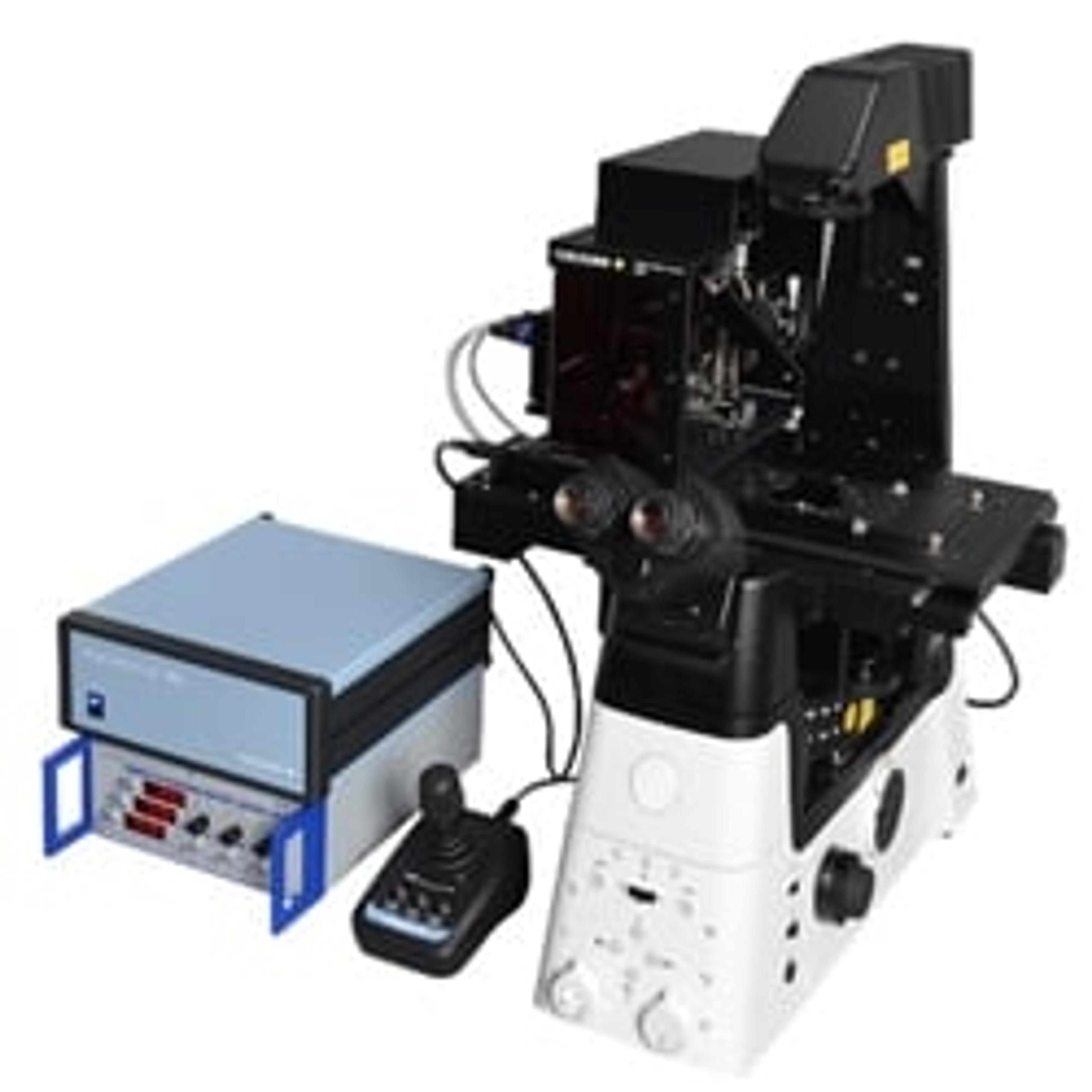
SU10 is a nanopipette-based tool for efficient and controlled delivery of material (such as CRISPR Cas9 complex, RNA, proteins) into the nucleus or cytoplasm of single cells in a highly automated manner. The CRISPR Cas9 complex can be delivered directly into the nucleus of a specific target cell in a minimally invasive manner through the utilized glass pipette in nanometer range (approx.100 nm).
25 x 20 µl reactions; kit includes 400 µl Reliance Select 5X reaction mix, 25 µl Reliance reverse transcriptase, Reliance Select random primers, oligo(dT), DNase and buffer, nuclease-free water
100 x 20 µl reactions; kit includes 400 µl Reliance Select 5X reaction mix, 100 µl Reliance reverse transcriptase, Reliance Select random primers, oligo(dT), DNase and buffer, nuclease-free water
500 x 20 µl reactions; bundle of 5 boxes of 100 reaction kit; includes 2,000 µl Reliance Select 5X reaction mix, 500 µl Reliance reverse transcriptase, Reliance Select random primers, oligo(dT), DNase and buffer, nuclease-free water
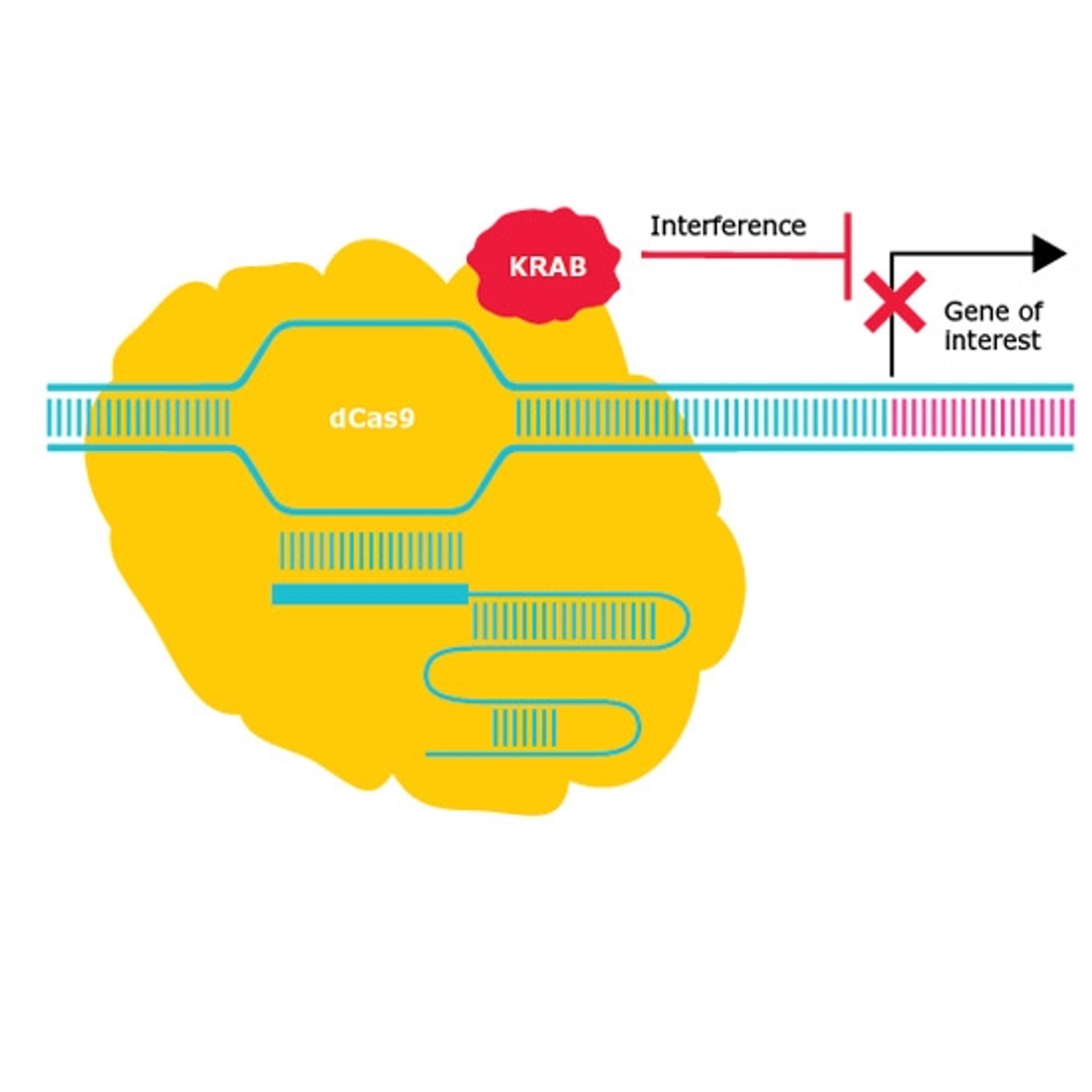
Nuclease-independent applications of CRISPR provide equal targeting specificity but instead of cutting, CRISPRi allows for targeted interference of gene function by delivering transcriptional repressor domains to a specific target sequence using modified dCas9 + gRNA complexes. Gene knockdown is complementary to CRISPR-KO and CRISPRa (activation) and has distinct advantages over existing loss-of-function strategies like RNAi.…
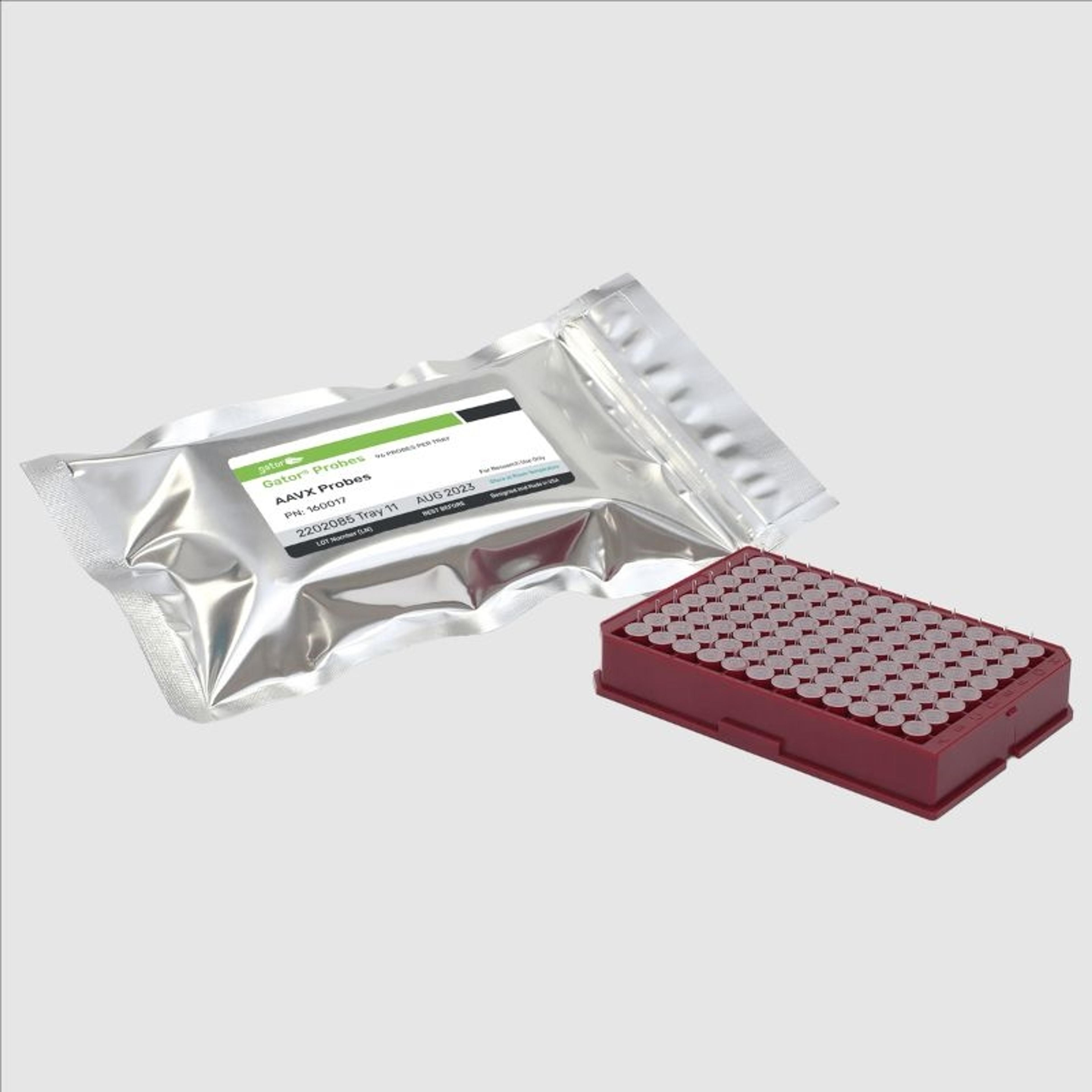
Enables the direct capture and quantitation of different serotypes of AAV in crude lysates, column eluates, cell lysates and cell culture supernatants using the CaptureSelect™ anti-AAVX ligand. Total AAV capsid is determined by this quantitation technique.
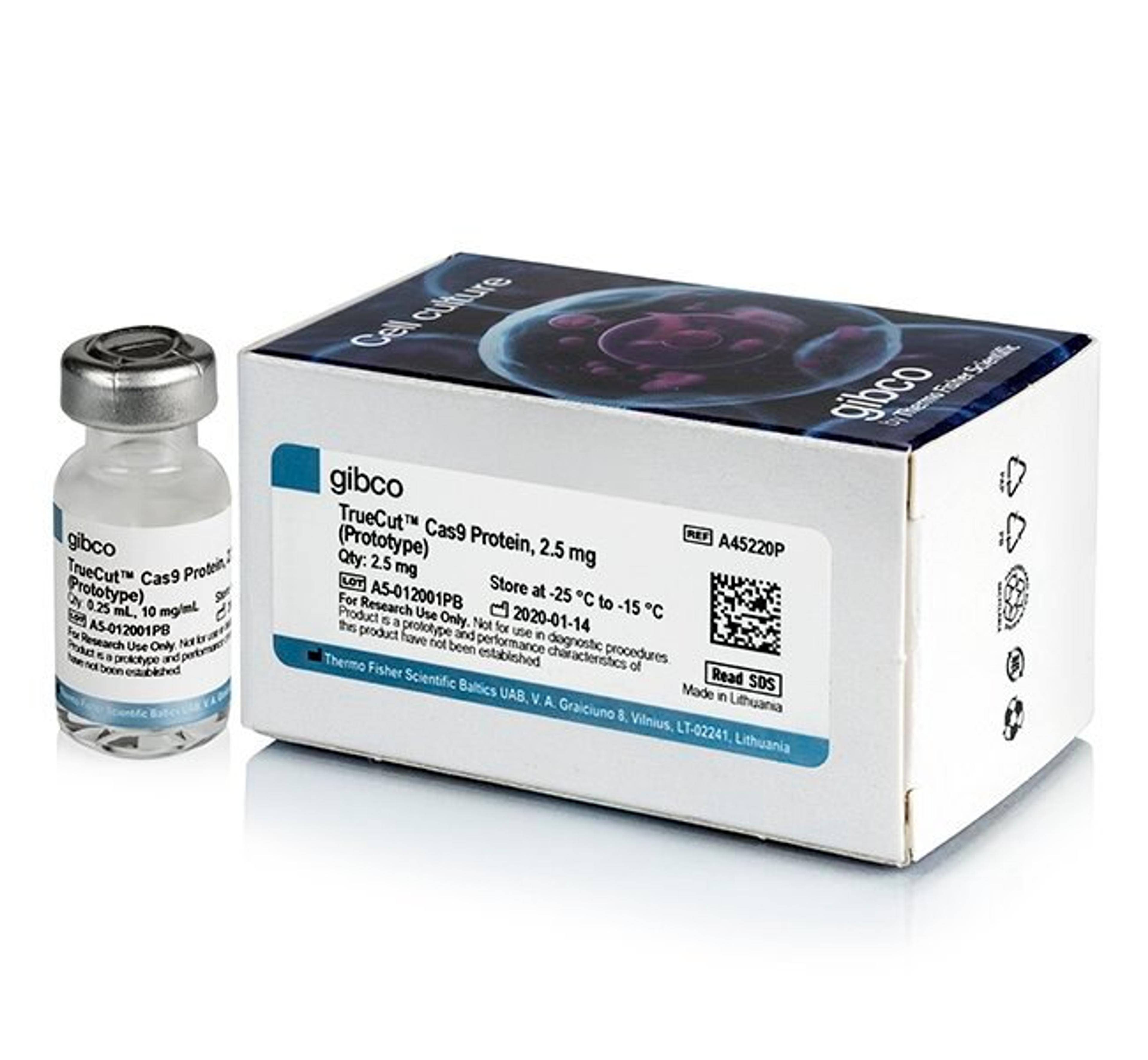
GMP-manufactured Cas9 protein for clinical research
Next-generation CRISPR Cas9 protein engineered to deliver maximum editing efficiency
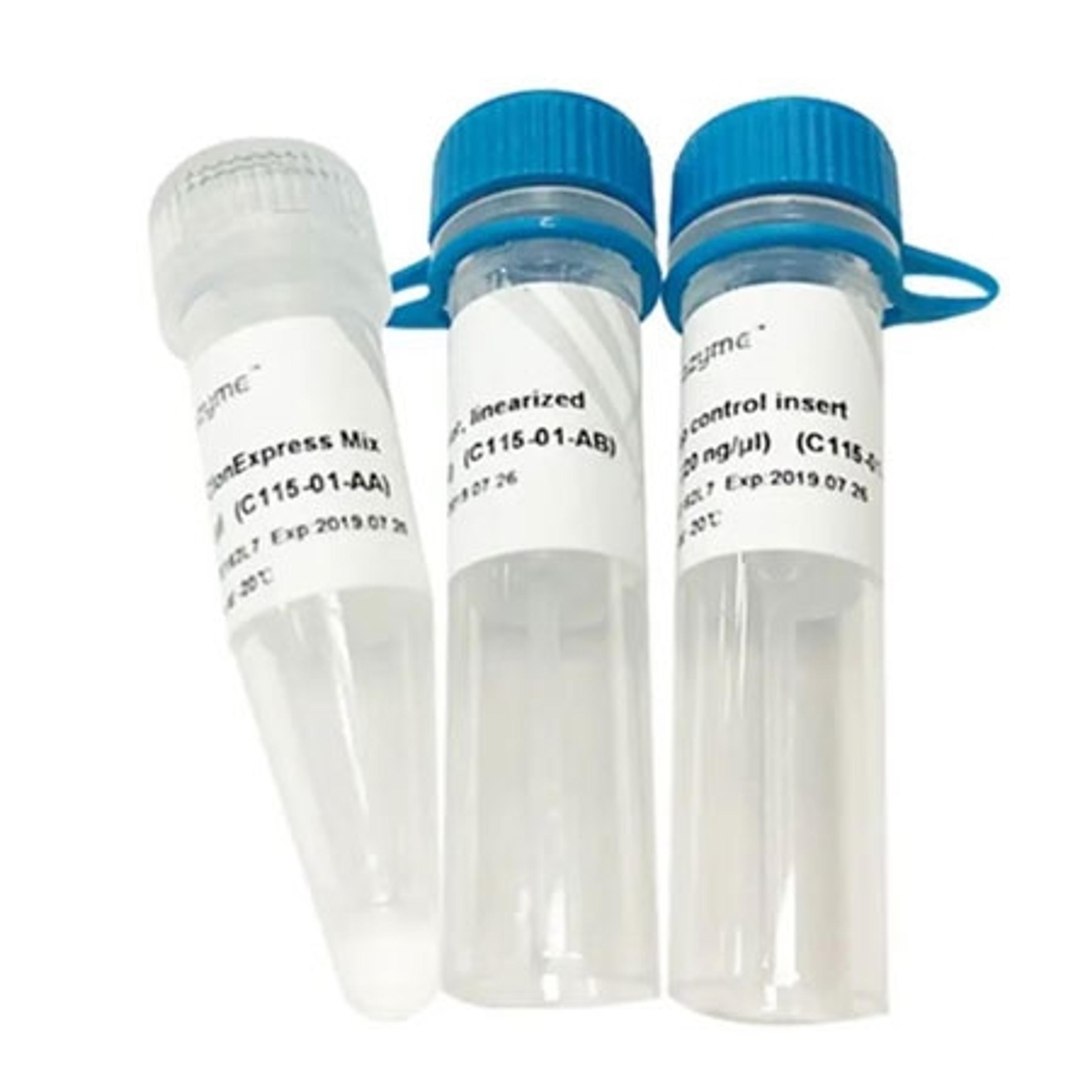
ClonExpress ® technology is a simple, fast and efficient DNA seamless cloning technology, which can clone the insert into any position of any vector.
The T7 Endonuclease Detection Assay is a well-known method for detecting genome editing events from CRISPR, Zinc-finger nuclease, and TALEN gene targeting. Originally identified from Escherichia coli bacteriophage, the T7 endonuclease can cleave mismatched heteroduplex DNA, Holliday junctions, branched DNA, and cruciform DNA.
All-in-one, ready-to-use Cas9 and guide RNA (gRNA) expression plasmids for use with monocots and dicots.
CRISPR/Cas9-mediated recombineering is the most powerful bacterial genome engineering method to date. In addition, Cas9-mediated recombineering overcomes the dependence on a second recombination step, avoids the creation of destabilizing scar sites, can be used in multiplexing, and is less time-consuming than previous protocols.
This Lentiviral Packaging Mix is an optimized formulation of two plasmids expressing the key HIV packaging genes and a heterologous viral envelope gene.
Universal negative control CRISPRs have been designed not to recognize any sequence in the human, mouse or rat genome.
Compare and contrast the features of a wide variety of guide RNA (gRNA) and Cas9 products for in vitro and in vivo CRISPR experiments. Select the best formats for your mammalian or plant applications: SygRNA ® synthetic gRNA, plasmid DNA, lentiviral particles, and proteins.
Exclusive human or mouse whole genome arrayed libraries developed with the Wellcome Sanger institute
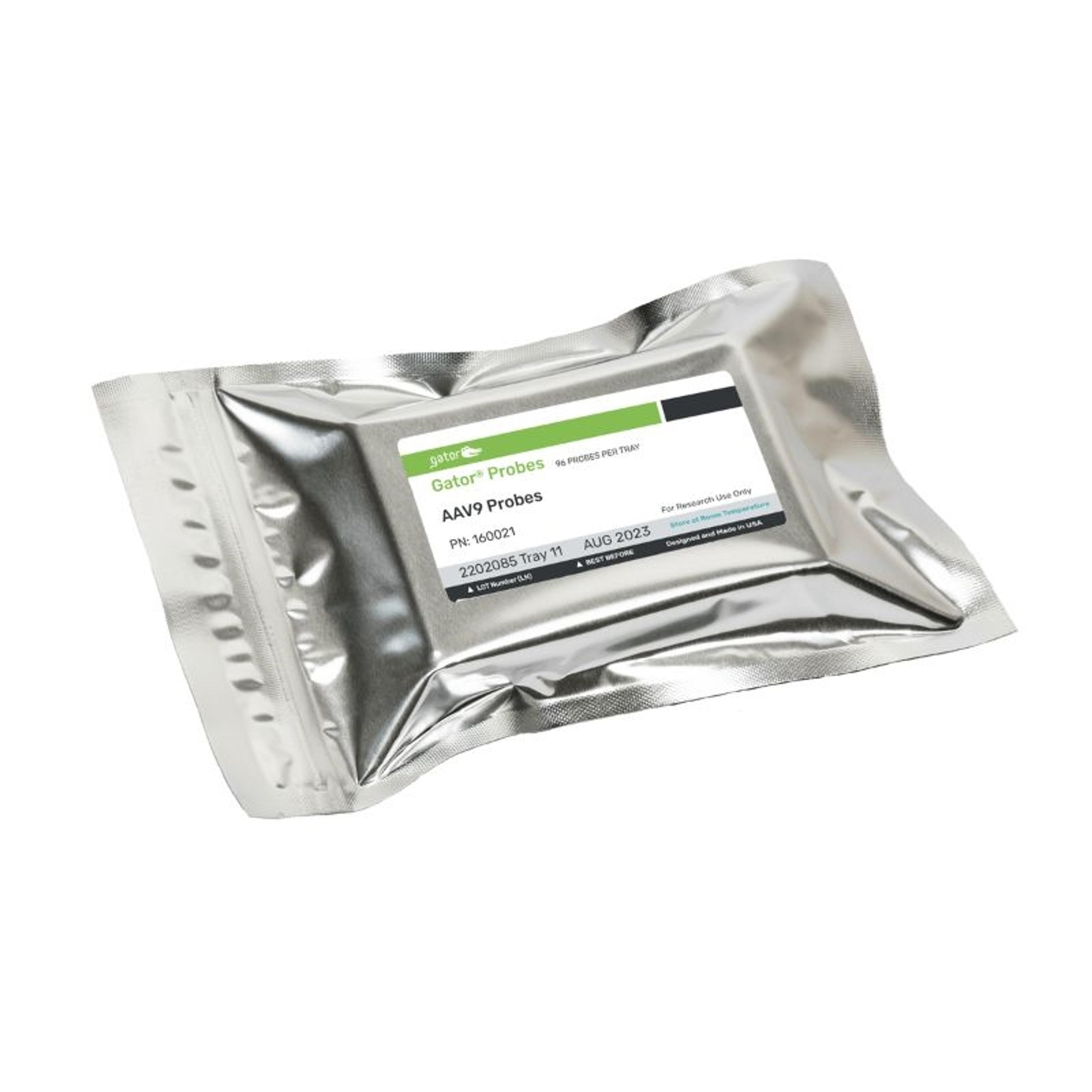
The Gator ® AAV9 Probes are high specificity nanobody-based biosensors that enable direct capture and quantitation of AAV9 in crude lysates, column eluates, cell lysates and cell culture supernatants. The Gator ® AAV9 probe uses proven CaptureSelect™ (Thermo Fisher Scientific) high affinity and high specificity anti-AAV9 nanobody.