DP74 Microscopy Camera
EVIDENTA combination of superior quality image and microscopy dedicated features
A combination of superior quality image and microscopy dedicated features
Second generation laser autofocus for advanced microscope automation
The Ascentis Express biphenyl phase chemistry offers alternative selectivity for pharmaceutical analytes and drug metabolites that are not well retained or difficult to resolve on traditional alkyl (C18) and phenyl bonded phases. Ascentis Express HPLC columns, through the use of Fused-Core® particle technology, can provide you with both the high speed and high efficiencies of sub-2 ?m particles while maintaining lower backp…
FG beads® are beads approximately 0.2 μm in diameter that are composed of multiple ferrite particles coated with a special polymer called poly-GMA (glycidyl methacrylate). The FG beads® that are manufactured using this original technology are used as matrices for affinity purification and provide characteristics that are superior to conventional matrices.
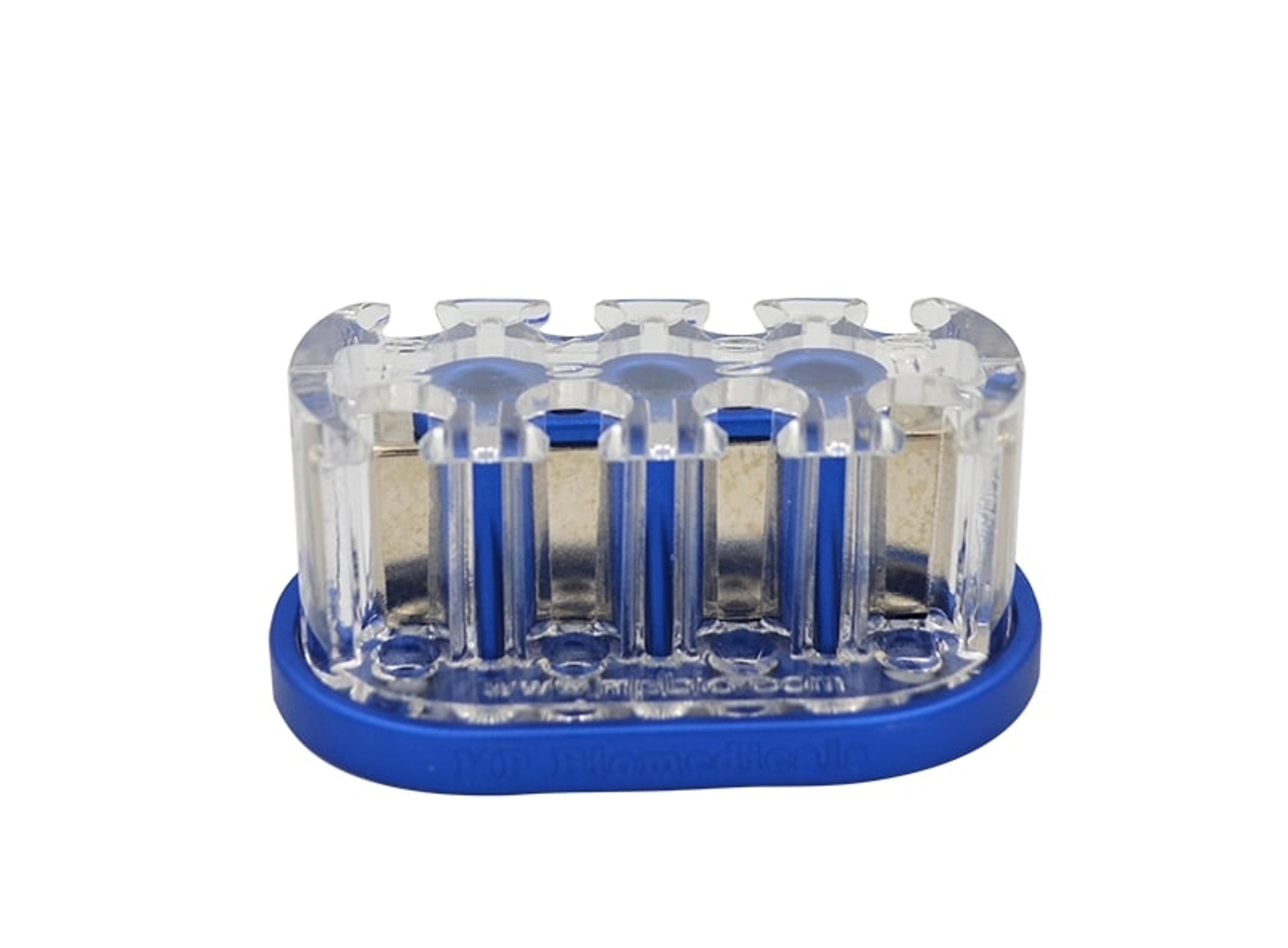
Our magnet stands are used for magnetic separation of the nano magnetic particles. Please choose the product in accordance with the operation to liquid volume.
Combining throughput, efficiency and robust design, the Hydrocycler range of water bath thermal cyclers offer an attractive alternative to traditional Peltier-based thermal cyclers for high-throughput PCR.
The Fast FAME GC Column Reduce run times for traditional FAMEs separations up to 75 % Separate cis/trans FAME isomers with Rs ≥ 1.0 High-cyanopropyl selectivity acceptable for use with AOCS, AOAC, and IOC methods Recommended Use Fatty acid methyl esters (FAMEs), Cis/trans FAME isomers

Chiral analysis of amphetamine and substituted amphetamines Lux 3 µm AMP is a unique LC media with pH stability from 1-11.5 that was specifically developed for the chiral analysis of amphetamine and substituted amphetamines, including methamphetamine.
Moderate hydrophobic and steric selectivity is offered, bringing ultra-high performance to USP L7 and other octyl silane methods.
100% aqueous stable reversed phase chemistry with hydrophobic, aromatic, and enhanced polar selectivity.
Aromatic and moderate hydrophobic selectivity result in the great retention and separation of aromatic hydrocarbons.