
Drug Discovery & Development Products & Reviews
25
Best match

ProductsDrug Discovery & Development
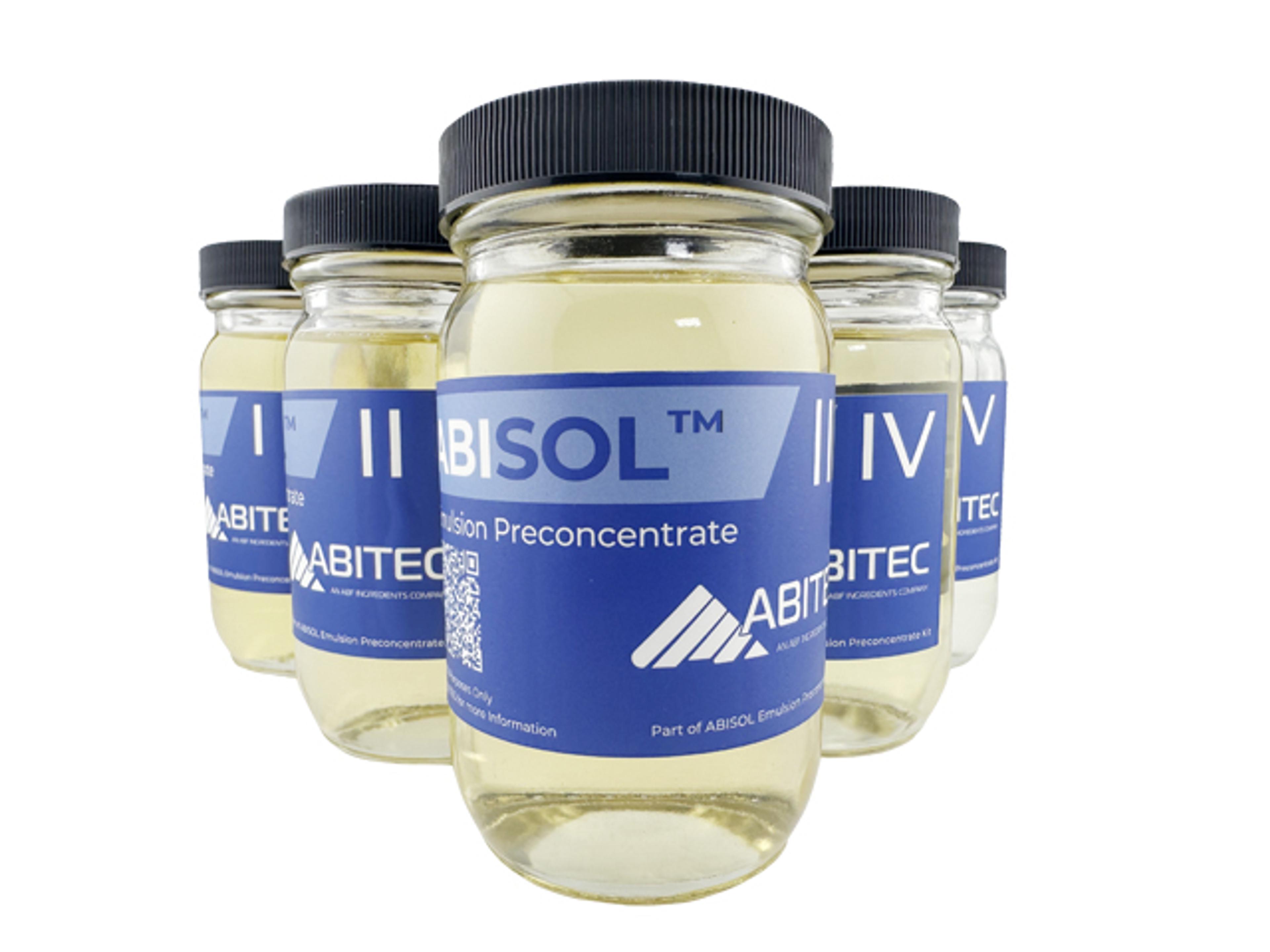
ABISOL Kit
ABITECThe ABISOL Emulsion Pre-concentrate Kit is a series of five different self-emulsifying drug delivery system (SEDDS) pre-concentrates.
ProductsLife Sciences
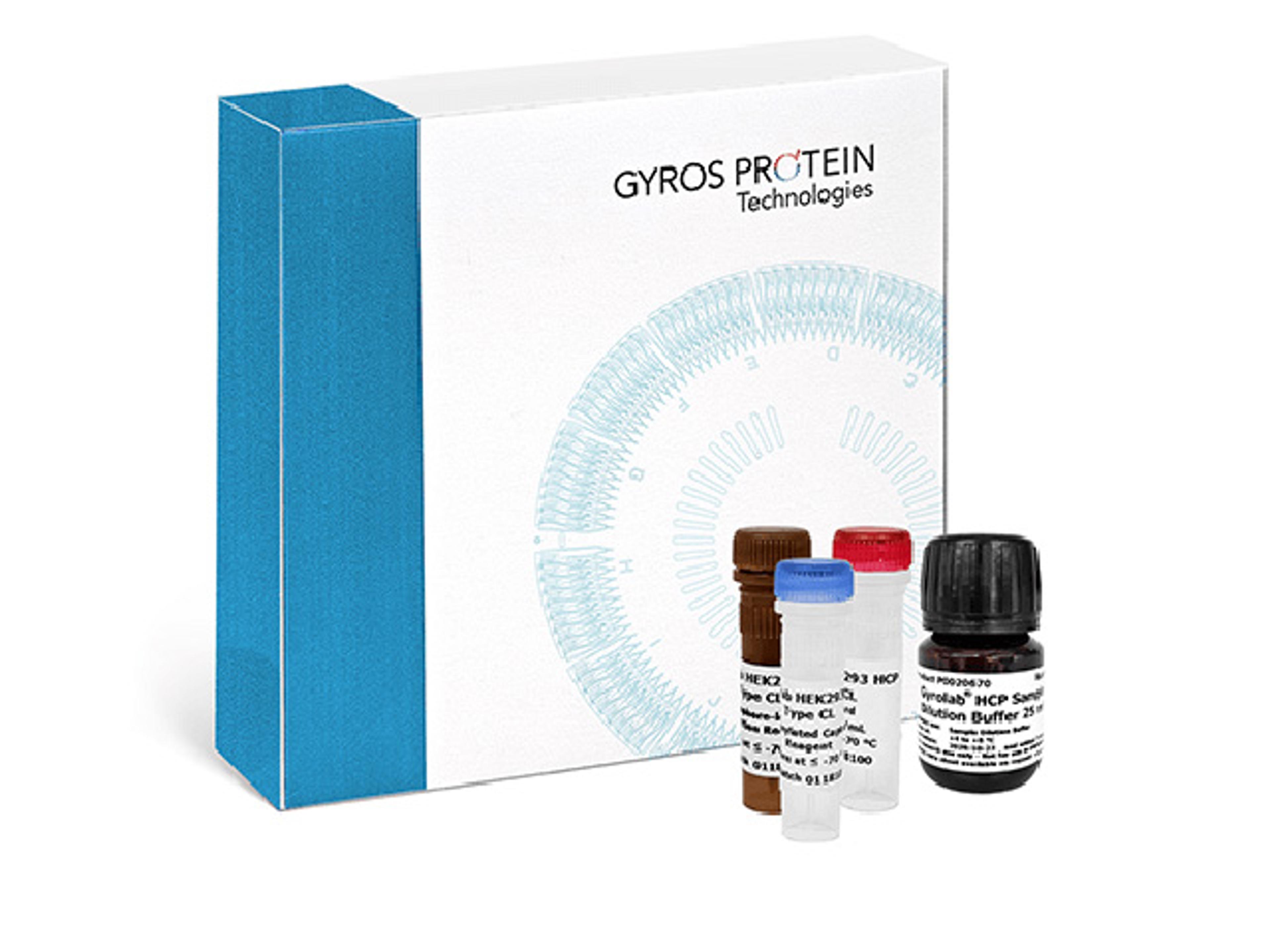
Gyrolab® HEK293 HCP Type SN Kit
Gyros Protein TechnologiesThe Gyrolab® HEK293 HCP Type SN Kit enables rapid quantification of HEK293 Host Cell Protein impurities in bioprocess and manufacturing samples from Supernatant of cell culture medium
ProductsLife Sciences
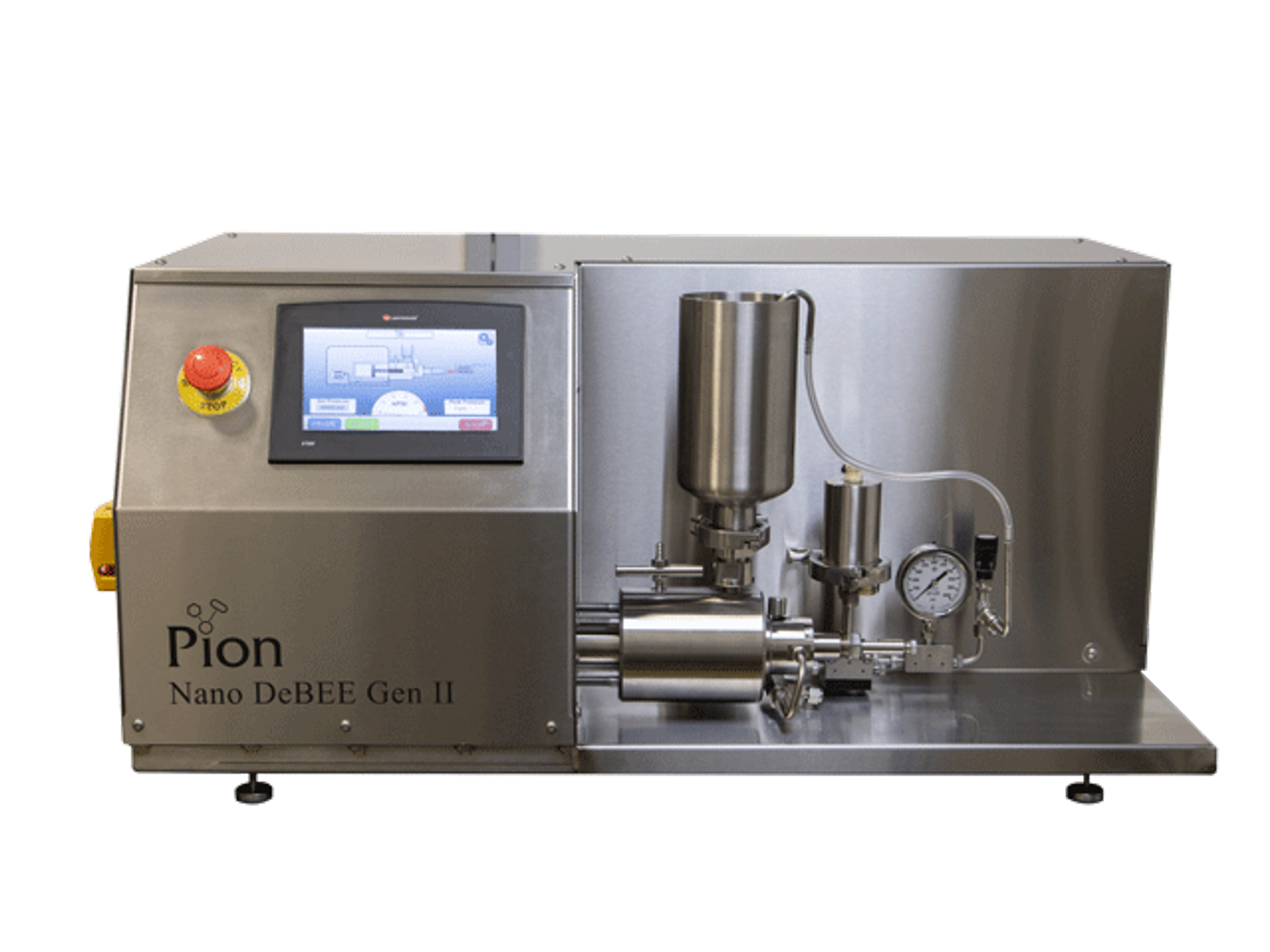
High-Pressure Homogenizers
Pion, IncFrom small-scale R&D to large-scale manufacturing, Pion homogenizers deliver exceptional fluid processing for particle size reduction (micronization,) cell disruption, and the creation of stable micro- and nanoemulsions and dispersions. Built for scalability, we make the transition from lab to commercial production seamless. Trusted by pharmaceutical, biotech, cannabis, chemical, and food and beverage manufacturers worldwide.

ProductsDrug Discovery & Development
Cassette and Discrete PK Studies in Rat, Mouse, Dog, and Monkey for Small Molecules
ChemPartnerOur Cassette and Discrete PK Study service evaluates pharmacokinetic profiles of small molecules in key preclinical species: rat, mouse, dog, and monkey. It uses cassette dosing for high-throughput screening of multiple compounds simultaneously and discrete dosing for precise individual assessments for ADME parameters. This aids in early drug optimization, predicting human PK, and ensuring regulatory compliance for safer candi…
ProductsLife Sciences
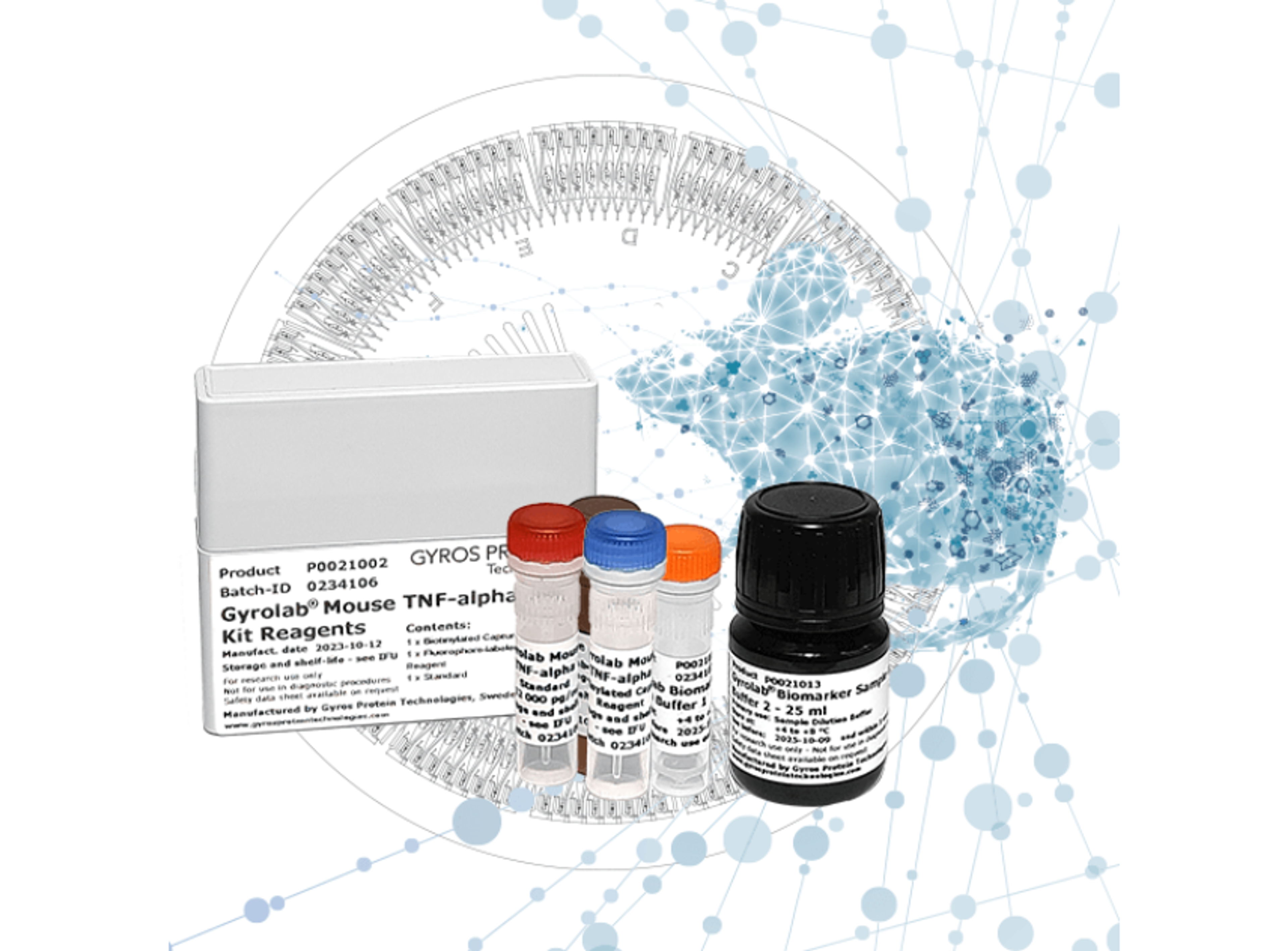
Gyrolab® Mouse TNF-alpha Kit
Gyros Protein TechnologiesThe Gyrolab® Mouse TNF-alpha Kit enables rapid quantification of murine TNF-alpha in serum samples
ProductsDrug Discovery & Development
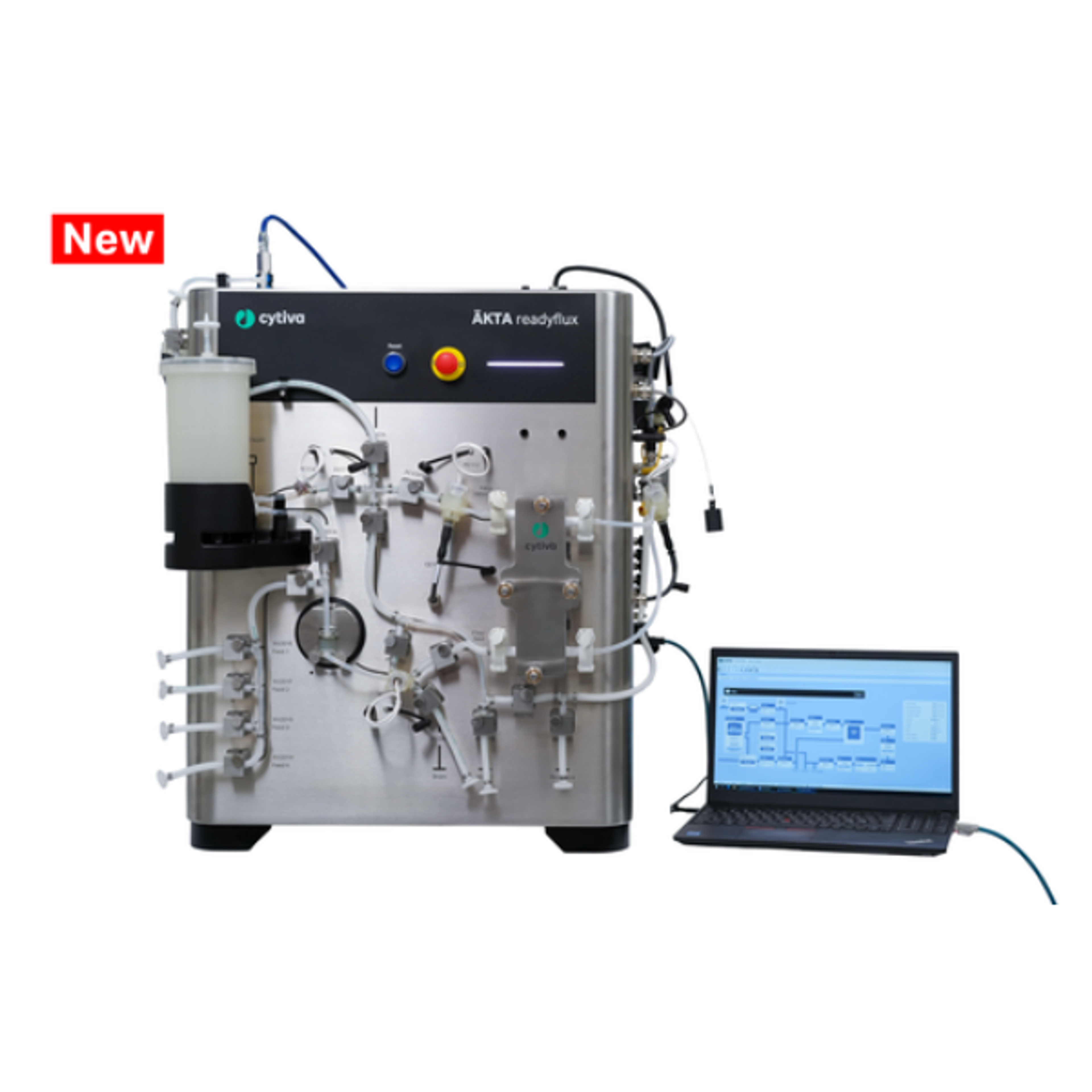
ÄKTA readyflux™ TFF system 500
CytivaÄKTA readyflux™ filtration systems are fully automated tangential flow filtration (TFF) solutions that combine single-use flow kits and intuitive software to streamline bioprocessing workflow.
ProductsLife Sciences
Gyrolab® HEK293 HCP Type CL Kit
Gyros Protein TechnologiesThe Gyrolab® HEK293 HCP Type CL Kit enables rapid quantification of HEK293 Host Cell Protein impurities in bioprocess and manufacturing samples from Cell Lysate

ProductsLab Automation
Multi-Core Pipetting Arm (MCPA) for the Lynx Robotics Platform
Dynamic DevicesOn the Fly, Swappable, Multipurpose Tools! The Multi-Core Pipetting Arm (MCPA), Lynx offers seamless core swapping, increased throughput, and ultimate flexibility — empowering labs to do more, faster.

ProductsDrug Discovery & Development
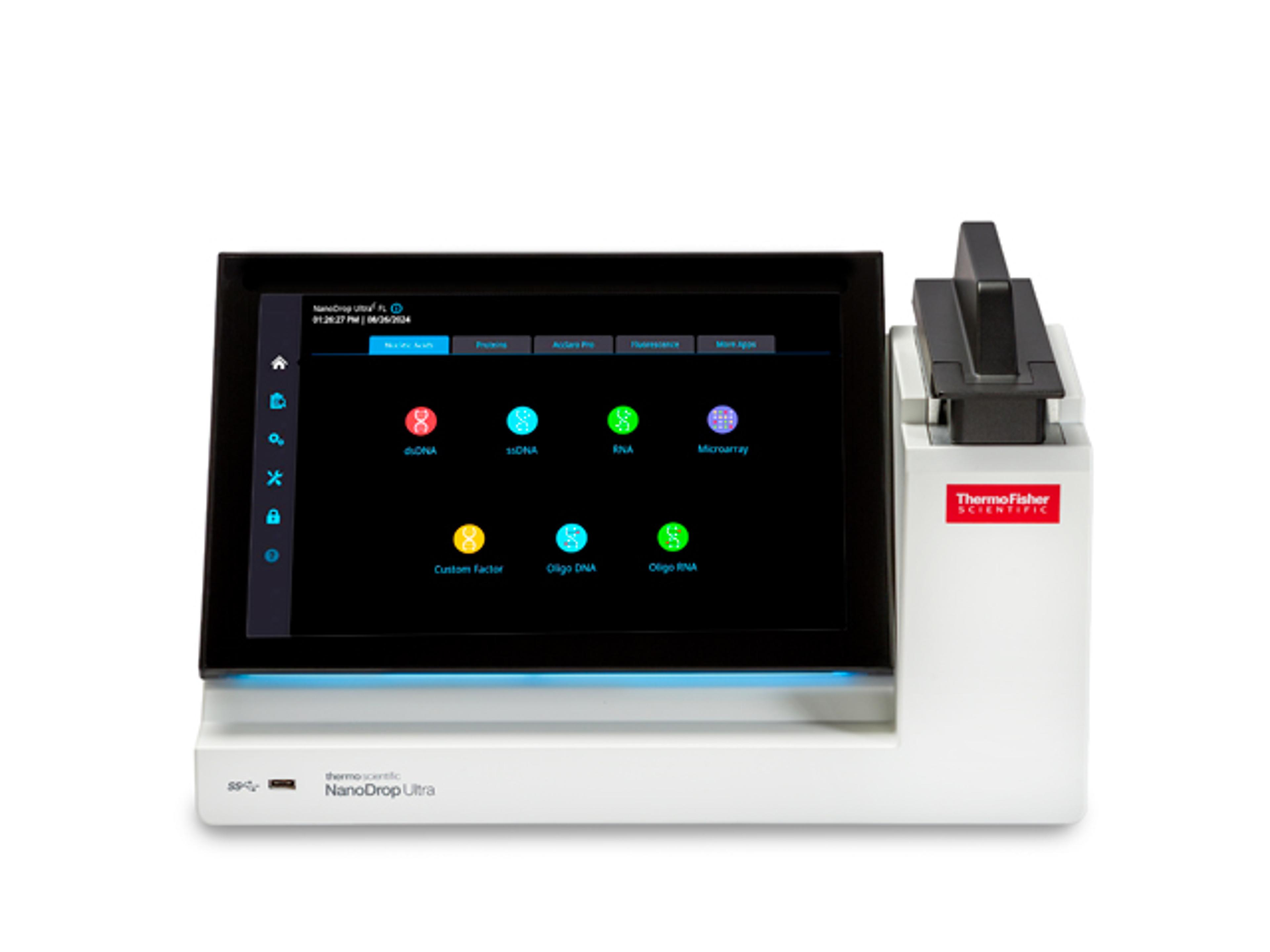
NanoDrop Ultra
Thermo Fisher ScientificNanoDrop Ultra is a microvolume UV-Vis spectrophotometer that provides high-accuracy absorbance measurements for DNA, RNA, and proteins. It features advanced software for detecting impurities and differentiating nucleic acids from diverse biological samples, ensuring precise analytical results.

ProductsLife Sciences
DeckCheck™
TecanAn extension of Fluent's intelligent Workdeck to monitor the deck set up and ensure that correct loading leads to the successful completion of a run. Cameras mounted inside the instrument watch out for problems before they occur. Plus, the technology highlights discrepancies and allows manual corrections in real time during instrument loading and worktable set-up.

ProductsDrug Discovery & Development
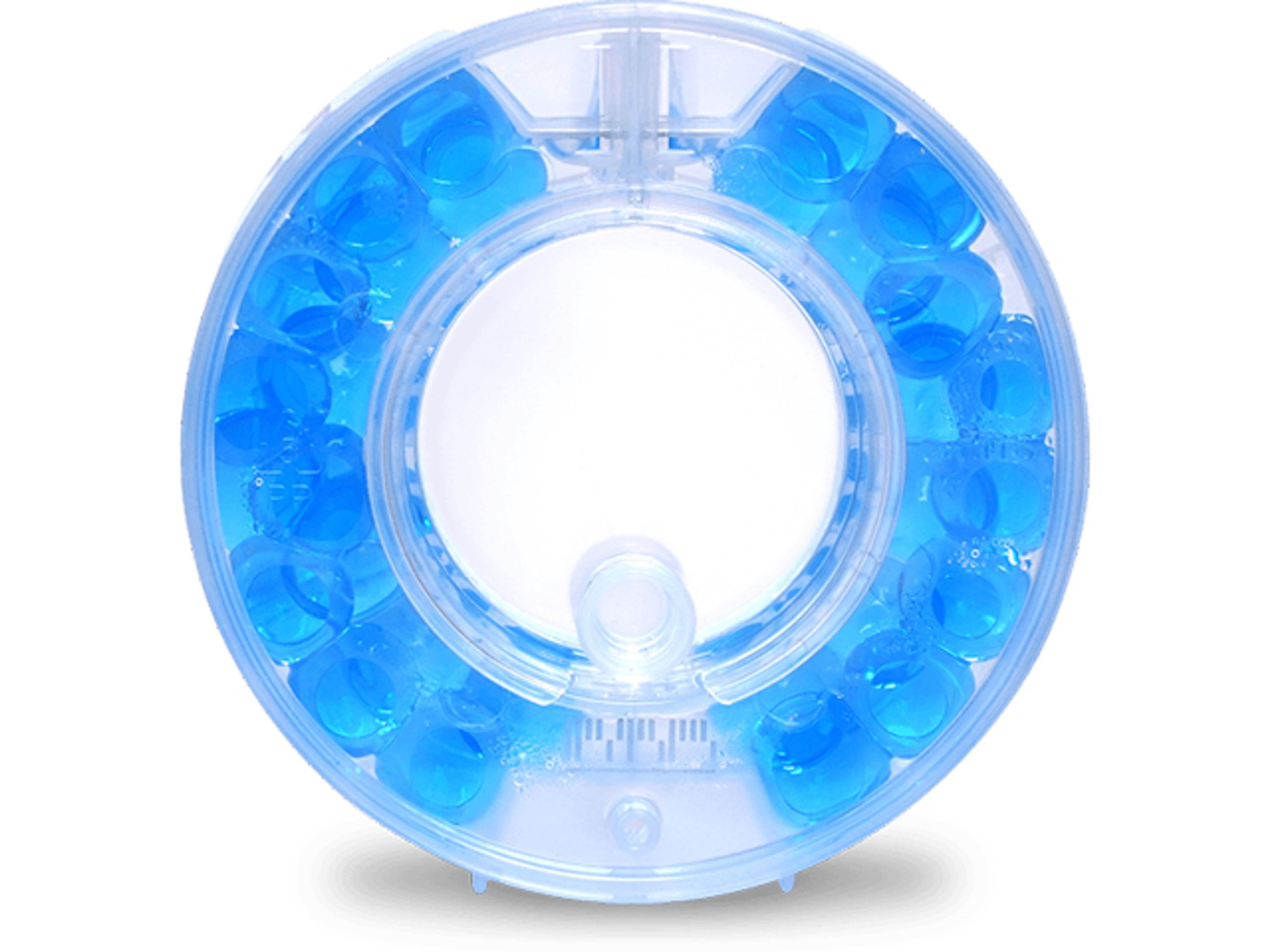
Cell Supply
NcardiaProven, relevant iPSC-derived cell models from Ncardia

ProductsDrug Discovery & Development
SynPhase Lanterns
MimotopesSynPhase Lanterns are the latest generation of grafted products optimized for small organic molecule and peptide synthesis.The SynPhase Lantern is cylindrical in appearance and is available in three different sizes, L-series, D-series and A-series with physical dimensions as shown in the table below. These properties make the SynPhase Lantern compatible with a wide range of reaction vessels and synthesizers.

ProductsDrug Discovery & Development
In-Vivo/In-Vitro Monoclonal Antibody Production
Harlan Bioproducts for Science, Inc.HBPS provides both research and cGMP monoclonal antibody production.
ProductsDrug Discovery & Development
ASINEX Targeted Libraries
Asinex LtdUsing P3S Technology, Precise Selection (design), Synthesis and Screening we have created 3 high-value targeted libraries: Kinase, GPCR and Ion-Channel. Through the unique combination of in-house computational work, organic chemistry and bio-screening, we have our first products that have undergone in-vitro screening.The GPCR targeted library has 1588 compounds against 14 different targets.A ligand based approach was used in c…
ProductsDrug Discovery & Development
ASINEX Platinum and Gold
Asinex LtdThe Platinum Collection Designed in our own computational department, and synthesized in our own labs. More than 100,000 diverse small molecule compounds makes this one of the largest in-house collections available. We are sure that you will find this collection to be an interesting and unique source of diversity. These templates are unique to ASINEX. The Gold CollectionThe original ASINEX product, dating from 1994. It is comp…
ProductsDrug Discovery & Development
ASINEX Unique Building Blocks
Asinex LtdDo you need interesting and unique building blocks for you small molecule combinatorial program? If you look at our 3500 In-House designed and externally acquired building blocks (from contract chemists) we are sure you will agree that this is a unique collection. These building blocks cannot be found in the major catalogues.
ProductsDrug Discovery & Development
ASINEX Pre-Formatted Library
Asinex LtdAre you looking for an immediate boost to your compound collection? If so, then ASINEX's Pre-Formatted libraries (9000 & 14240 small molecule compounds) could be what you are looking for. We can also create a library on request according to the specific parameters that you are interested in.Designed to represent maximum diversity and drug-likeness, our entire compound collection is available in a mini-format. If you have no ne…
ProductsDrug Discovery & Development
ASINEX Combinatorial Constructor
Asinex LtdDo-It-Yourself custom synthesis is one way of looking at Constructor. We have made a kit for you to build your own compounds. With more than 1,200,000 possibilities to choose from, we are sure that you can create the structures you are looking for.Constructor is based on 97 'well validated' templates from our Platinum Collection. We mean by 'well validated' that the synthetic paths are well explored and ASINEX is able to synth…
ProductsDrug Discovery & Development
ASINEX Service Chemistry
Asinex LtdWe are an experienced and reliable provider of effective chemistry solutions (Custom Synthesis & Lead Optimisation) on time, and at cost-effective rates. Our 104 chemists represent a powerful source of potential outsourcing, they are there waiting to help you kick-start your drug discovery pipeline.Operating from 2 sites in Moscow, our computational department, chemical and bio-screening laboratories are ready to provide you w…
ProductsLab Informatics
StarDrop 5 - Drug Discovery Software
OptibriumStarDrop is a suite of software that helps you to deliver optimally balanced, effective drugs - fast StarDrop works by evaluating complex data, which is often uncertain because of experimental variability or predictive error. In scoring this data, it brings confidence and intuitive simplicity to decision-making: guiding and validating the direction you take and which compounds you prioritise. Its instantly interactive tools t…

ProductsDrug Discovery & Development
6400 Automatic Isoperibol Calorimeter
Parr Instrument Co.We are pleased to announce a new addition to the 6000 Series Calorimeters, the Model 6400 Automatic Isoperibol Calorimeter. Designed for laboratories that require high through-put, the 6400 features a closed-loop water handling system built into the calorimeter. This new calorimeter uses the fixed bomb and bucket technology which automates the bucket and jacket fill as well as the vessel fill and rinse. This design concept has…