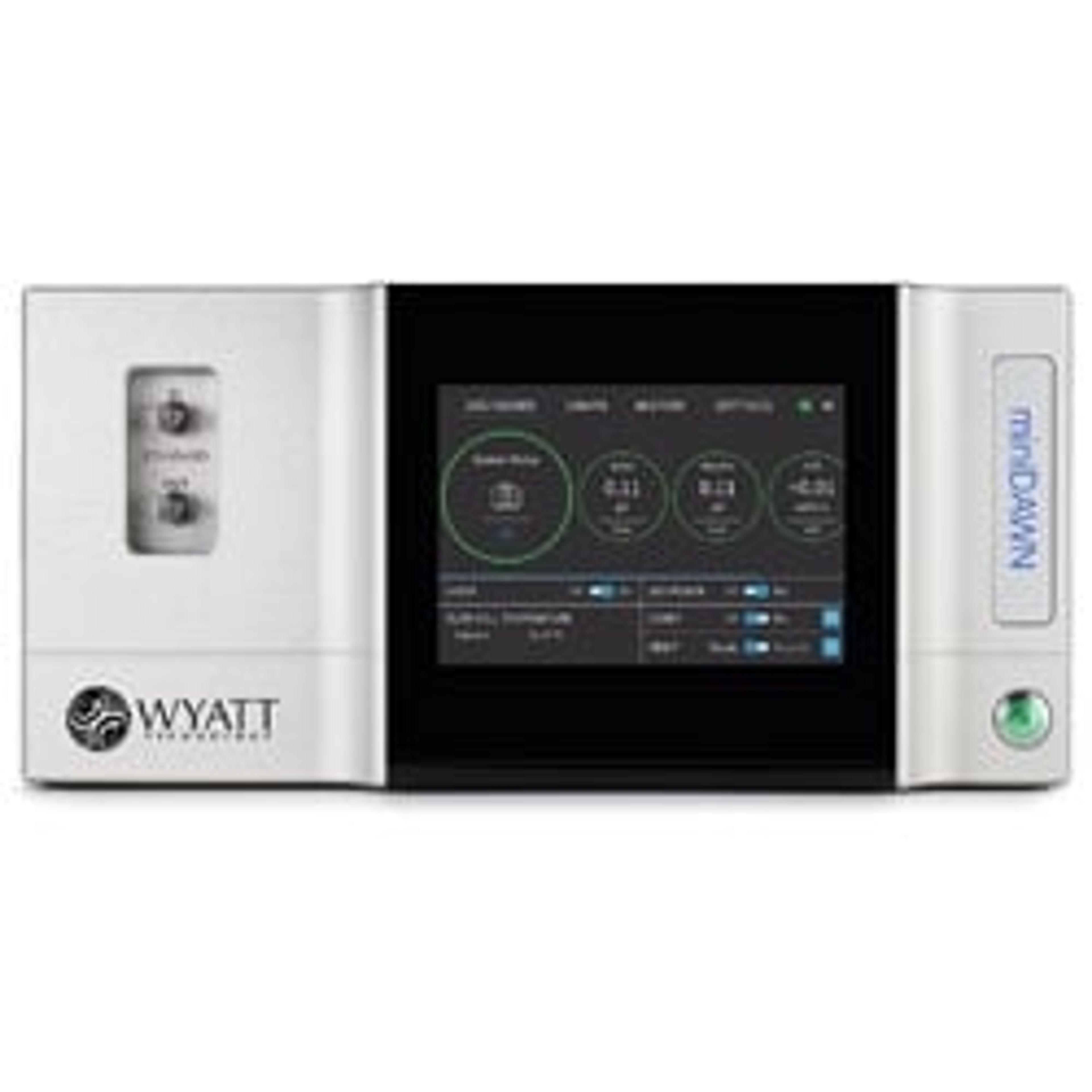
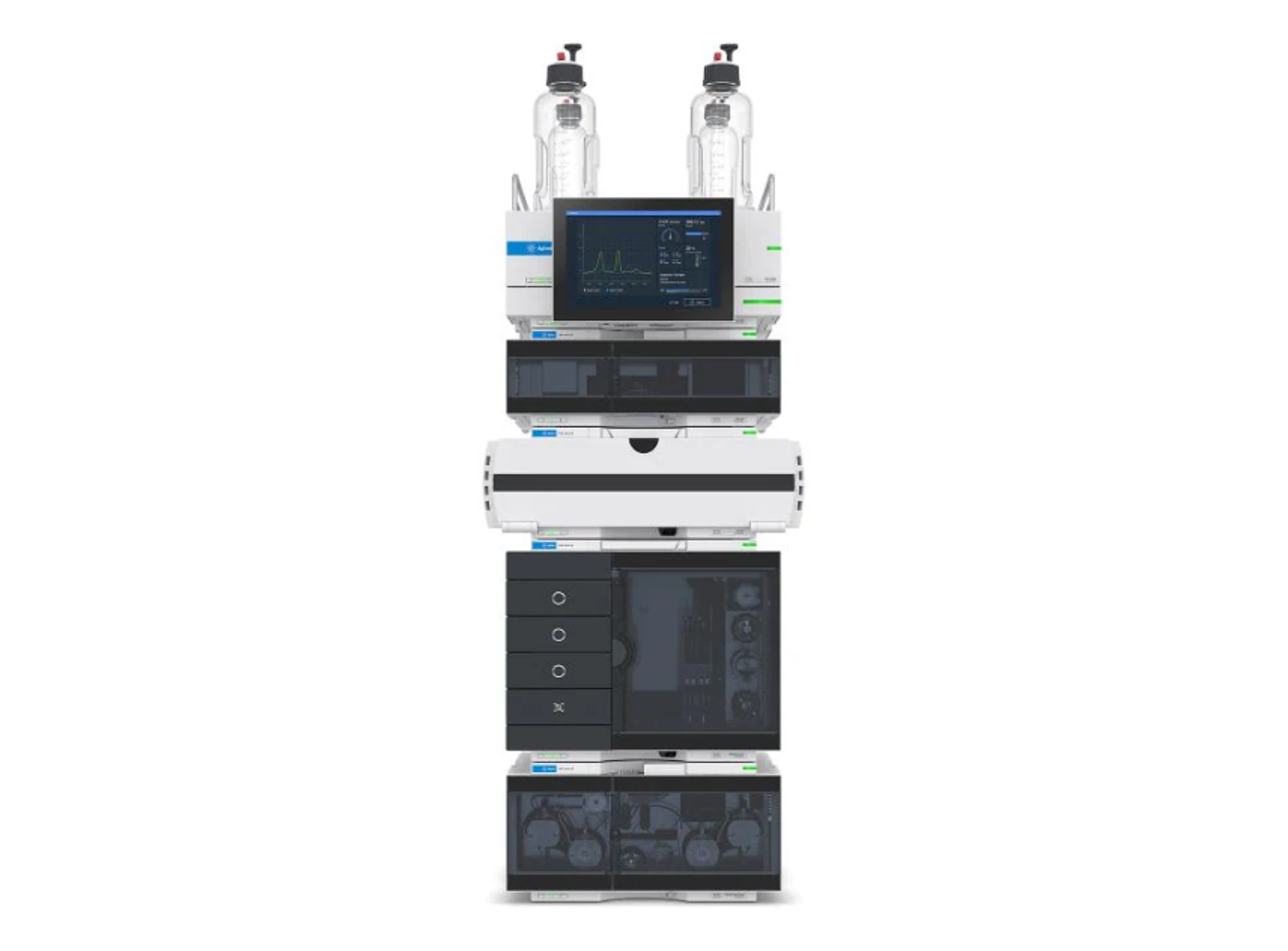
miniDAWN™
The miniDAWN™ Multi-Angle static Light Scattering (MALS) detector performs absolute characterization of the molar mass and size of macromolecules and nanoparticles in solution, offering superb sensitivity over a wide range of molecular weight, size and concentration.


The supplier does not provide quotations for this product through SelectScience. You can search for similar products in our Product Directory.
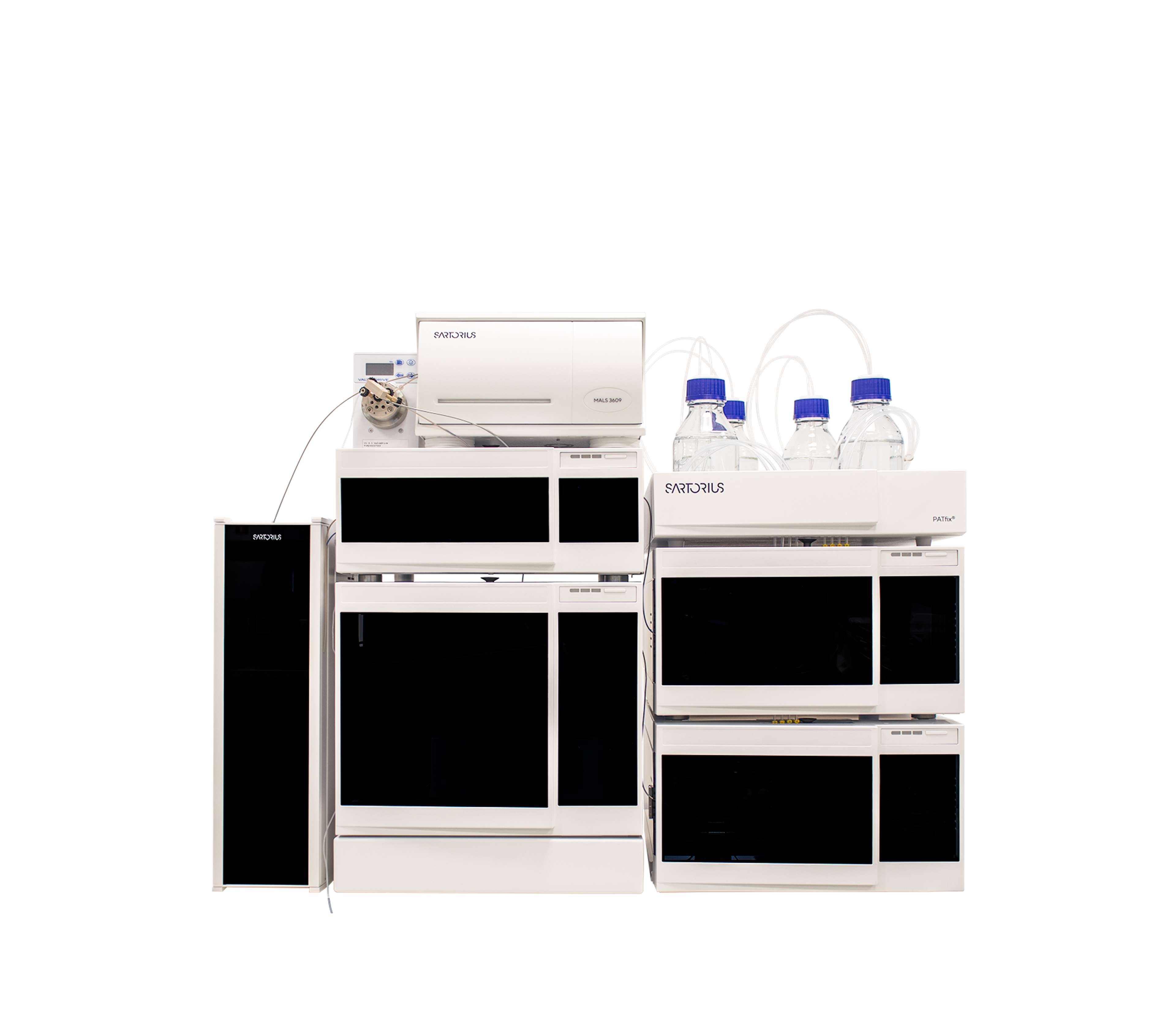
The miniDAWN™ multi-angle light scattering (MALS) detector connects to most HPLC, GPC, FPLC or FFF separation systems to determine absolute molecular weight, size, and conformation of peptides, proteins, small polymers and nanoparticles, in solution, without reference to calibration standards.
Eliminate column calibration and idealized assumptions, gain certainty with first-principles MALS analysis. The miniDAWN™ provides high sensitivity, a wide range of measurement, productivity and versatility second only to that of the DAWN™ MALS detector.
Features:
- Sensitivity in SEC-MALS mode: 25 ng of 100 kDa polystyrene in THF, or 500 ng of BSA in PBS, using 7.8 x 300 mm SEC columns
- Range of molar mass: 200 Da to 10 MDa (may vary with molecular composition or solvent)
- Range of rms radius Rg : 10 nm to 50 nm
- Integrated ultrasonic cell cleaning module
- DLS: optional WyattQELS™ embedded dynamic light scattering detector for particle sizes from 0.3 nm to 50 nm (Rh)
- Touch-panel display for immediate access to data, diagnostics and settings
- Serviceability: fully field-serviceable with extended self-diagnosis of field-replaceable flow cell and hardware modules
- Software: ASTRA® chromatography software provides comprehensive analyses and user-friendly features including HPLC control, “One-click MW” and user-designed reports. Optional 21CFR11 support for GMP.
Applications:
- Proteins: absolute molar mass, size and stoichiometry of monomers, oligomers, complexes, aggregates and fragments.
- Glycoproteins, detergent-solubilized membrane proteins, PEGylated proteins, protein-polysaccharide and protein-DNA complexes; heme-containing proteins that absorb laser light
- Protein-protein and protein-nucleic acid interactions
- Polymers: absolute molar mass and size (distributions and moments), conformation, branching and second virial coefficient
- Linear or branched polymers, co-polymers
- Nanoparticles: size distributions, structure, encapsulation and concentration of vesicles, dendrimers, small viruses, VLPs, and more
- Most aqueous and organic solvents

A biopharmaceutical workflow powered by Wyatt Technology
Reliable biophysical characterization is a cornerstone of biologics development, playing a critical role at every stage – from selecting promising drug candidates to optimizing formulations and ensuring consistent manufacturing processes. Explore a comprehensive guide on how to deliver biopharmaceutical solutions, beginning with light scattering technology.
Key publications on the characterization of protein hetero-association by CG-MALS
In this technical note, Wyatt Technology lists key publications using CG-MALS for the characterization of specific heteroassociation in proteins and other biomacromolecules.
Key publications on the characterization of protein self-association by CG-MALS
In this technical note, Wyatt Technology lists key publications using CG-MALS for the characterization of specific self-association in proteins and other biomacromolecules.
IEX-MALS – A method for protein separation and characterization
Ion-exchange chromatography coupled to multi-angle light scattering (IEX-MALS) allows absolute molar mass determination of proteins, protein complexes and peptides in a heterogenous sample. IEX-MALS can overcome some of the restrictions of SEC-MALS that arise from the limited separation ability of analytical SEC column. Explore how the IEX-MALS method is valuable for quality assessment as well as the characterization of native oligomers, charge variants, modified proteins and mixed-protein samples.