How to Buy Biophysical Characterization Technology

31 Oct 2025

Cameron Smith-Craig
Cameron Smith-Craig
Pharma and Applied Sciences Editor

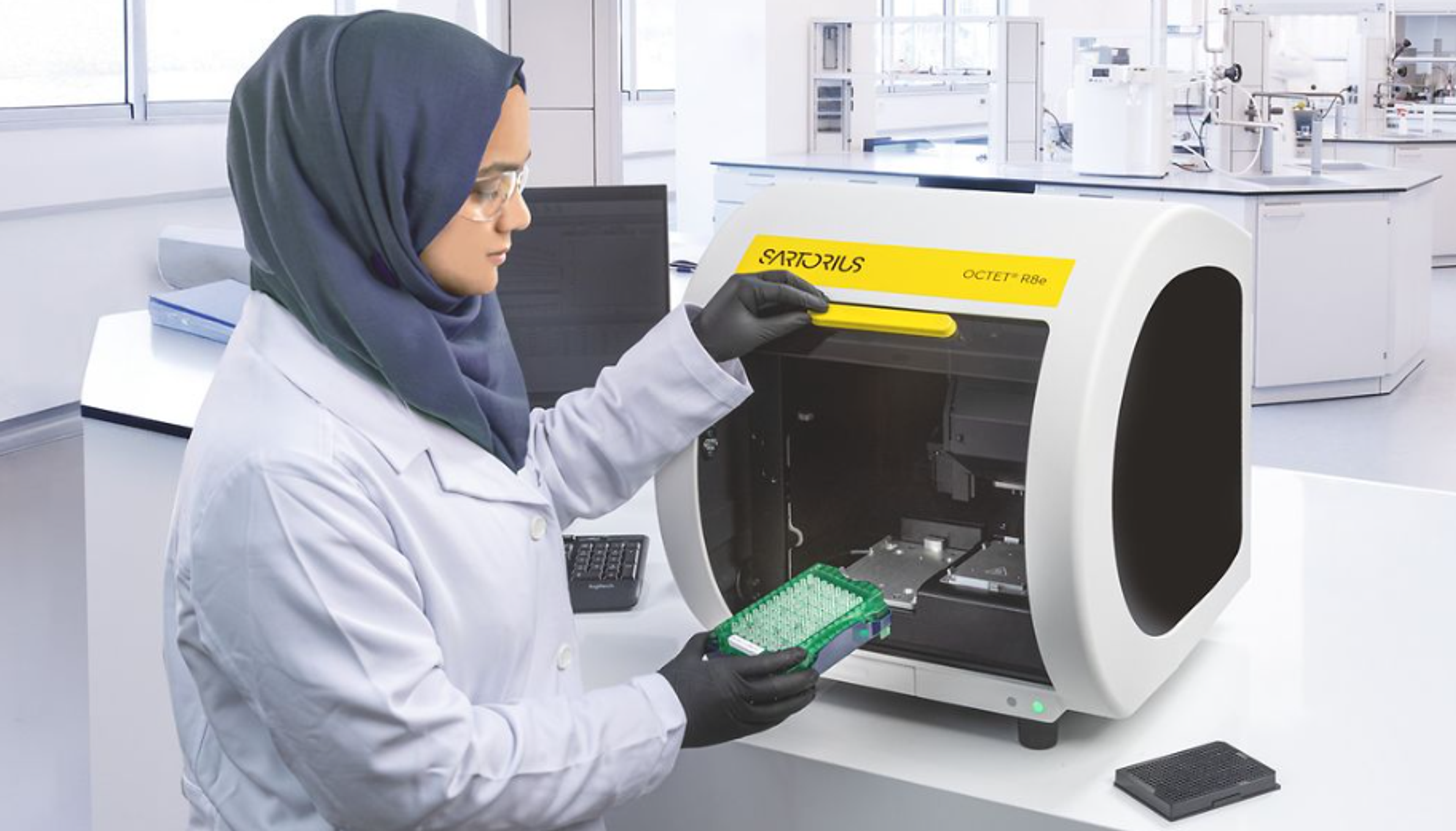
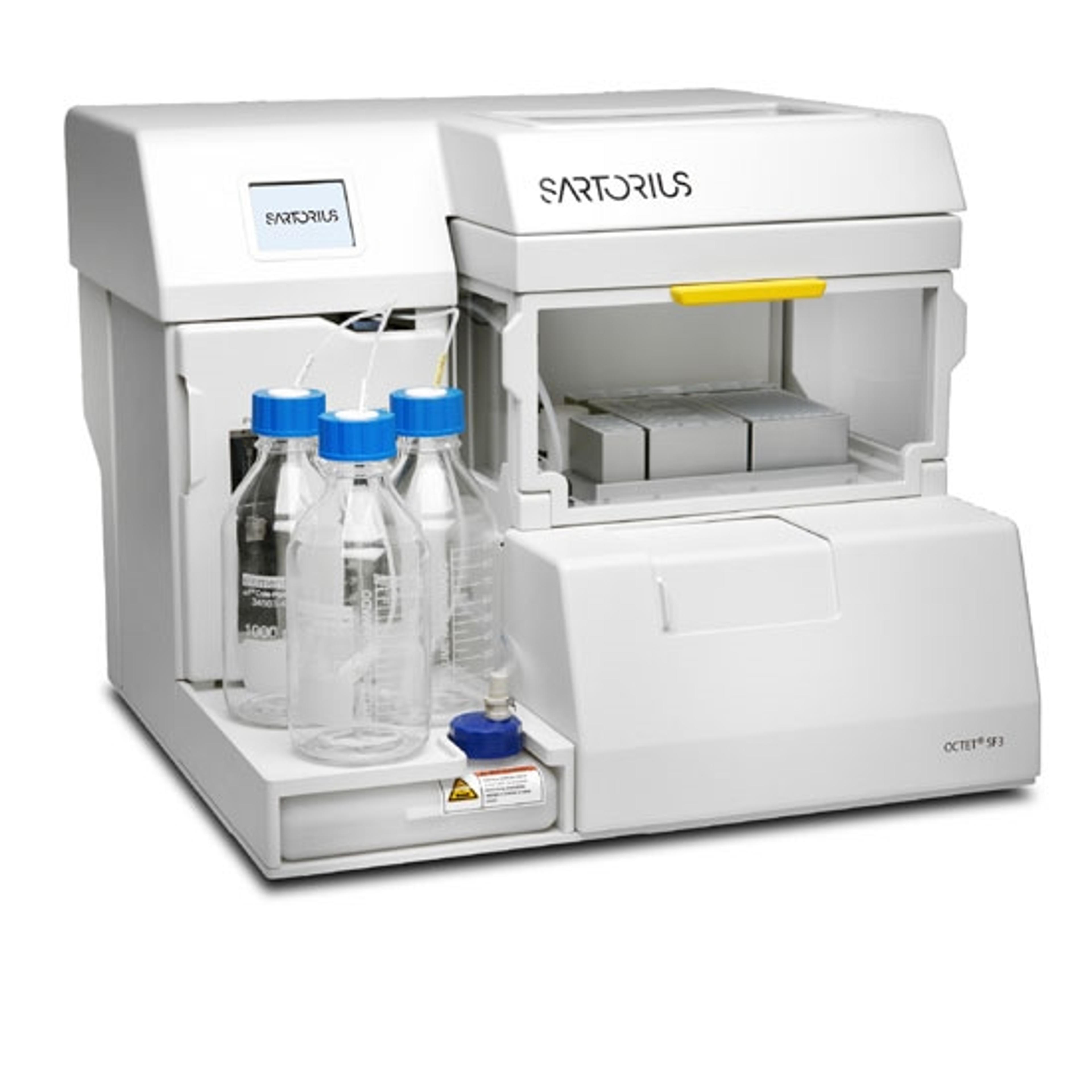
Sensitive biophysical characterization techniques have revolutionized drug discovery. Label-free biophysical techniques like bio-layer interferometry (BLI), surface plasmon resonance (SPR) and grating coupled interferometry (GCI) are now key components in drug discovery platforms. In this eBook, we take an in-depth look at each of these biophysical methods and the platforms available.
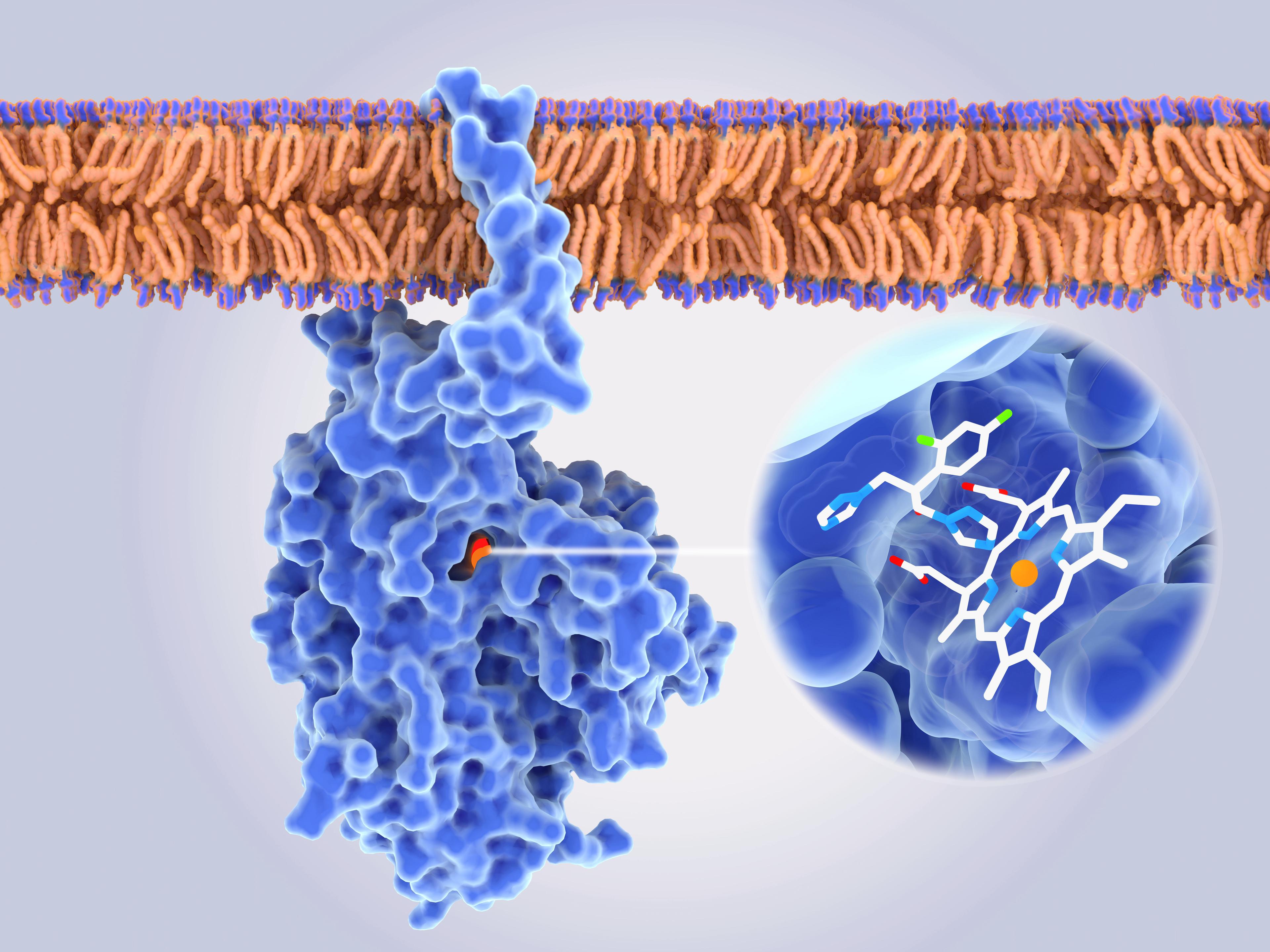
G protein-coupled receptor

How-to-buy ebook

Choose the best biophysical characterization technology for your workflow

Understanding which biophysical characterization technique is the best choice for a workflow requires insight into what each technique offers. This eBook describes the principles behind key biophysical characterization techniques and discusses their advanced applications in drug discovery, cell line development, vaccine development, AAV quantification, and more. It also explores the latest available technologies and trends in biophysical analysis and provides expert tips for purchasing biophysical characterization technology.

Download the seventh edition of the SelectScience® How to Buy Biophysical Characterization Technology guide to find out more about:

The latest technologies used to analyze biomolecular interactions, including:

  • Bio-layer interferometry (BLI)
  • Surface plasmon resonance (SPR)
  • Grating coupled interferometry (GCI)
  • Isothermal titration calorimetry (ITC)
  • Microscale thermophoresis (MST)
  • Microfluidic diffusional sizing (MDS)

With top tips from the experts for choosing which technology to buy, the comparative features of these biomolecular interaction technologies, and insights into more advanced applications of biophysical characterization techniques in gene therapy, fragment-based drug discovery, AAV quantification, and vaccine discovery.

Resource details:

  • Document type: SelectScience guide
  • Page count: 23
  • Read time: 34.5 mins
  • Edition: 7th

Links

Tags

NMR and EPR SpectroscopyNuclear magnetic resonance (NMR) spectroscopy is used to resolve the local chemical environment of atomic nuclei with spin, revealing information on molecular structure, dynamic processes and chemical reactions of organic molecules, from proteins to synthetics. Electron paramagnetic resonance (EPR) also known as electron spin resonance (ESR) spectroscopy is used to detect and quantify paramagnetic species in a sample, including free radicals as transition metal ions. By immersing the sample in a strong magnetic field, both NMR and EPR spectrometers probe the sample with either radio waves or microwaves respectively. A range of benchtop, solid-state and time domain NMR spectrometers & EPR spectrometers are available, as well as NMR tubes, NMR solvents, software, coils, and magnets. Find the best NMR & EPR equipment in our peer-reviewed product directory: compare products, check customer reviews and receive pricing direct from manufacturers.AntibodiesAntibodies are used in techniques such as confocal and fluorescence microscopy, flow cytometry, ELISA, ELISPOT, immunohistochemistry, western blotting and immunopreciptation. Select specific antigen reactivity, high specific affinity, low non-specific binding, monoclonal or polyclonal, primary or secondary antibodies and associated conjugates such as an enzyme or dye for visualization.ProteomicsProteomics is the systemic bioinformatics study of proteins and amino acids, including their structure, size, function and identification. Tools used in proteomics include chromatography, blotting and gels, protein arrays, mass spectrometry and ELISA and associated analysis software. Analyzers and proteomic systems should be sensitive, high resolution, fast and may be automated for high-throughput.Medicinal ChemistryMedicinal chemistry is a broad discipline encompassing the design, identification, synthesis and development of chemicals in drug discovery. It includes a number of techniques covering structural biology, synthetic chemistry and molecular biology. Technologies used in medicinal chemistry include ADME, lab-on-a-chip, high content screening and assay assembly.Protein CrystallographyProtein crystallization is the process of crystallizing purified proteins for 3D structure analysis by x-ray crystallography. The main methods of protein crystallization include sitting drop, hanging drop and microbatch. It is important to control parameters such as pH, temperature and concentration. Following crystallization, detectors and software are used for data collection and analysis.BiomarkersBiomarkers are biological markers which can be measured and evaluated to indicate a biological state. The use of biomarkers in research and diagnosis can indicate a normal or disease state or drug response of cells / tissues. Biomarkers include genetic markers, cell surface markers such as antigens, antibodies or receptors and secreted molecules such as cytokines. An assay system is required for identification of biomarkers. :Biopharmaceutical AdvancesBiopharmaceutical advances follow the development of pharmaceuticals derived from biotechnology, also known as biotechnology medicines. Biopharmaceuticals may be produced from cell lines, plants, or microbial cells. Important considerations of biopharmaceutical use include application, cost, production process and purification.Surface Plasmon Resonancebio-layer interferometryBinding Kinetics