
What the UK’s FSA wants to see on submissions for CBD product authorization
Head of the FSA’s Radiological, GM, Novel Foods and Feed Additives Branch breaks down its requirements for cannabis product compliance, ahead of the March 31 deadline
23 Mar 2021
Editorial article
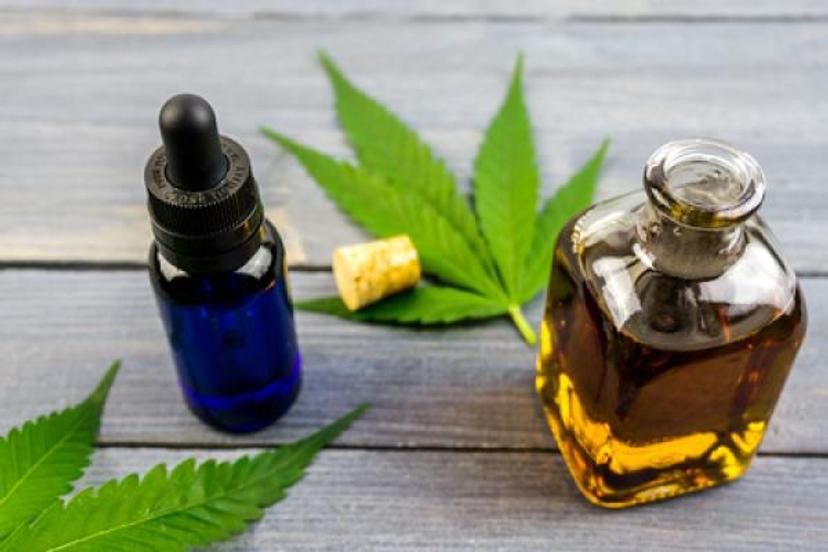
As part of our Cannabis Testing Special Feature this month, we’re not only covering the important developments happening in the industry right now, but we’re also looking ahead to important milestones in the 2021 cannabis testing calendar.
To cope with the surge of cannabis-infused products hitting global markets by popular demand, regulatory bodies have quickly stepped in to bring the CBD industry into compliance with the law and, by doing so, reassure the public that appropriate safety assessments have been conducted.
In this exclusive interview, we speak with Paul Tossell, Head of the FSA’s Radiological, GM, Novel Foods and Feed Additives Branch, within the wider Chemical Safety Policy team, to discuss the agency’s action plan to regulate all CBD products sold in England and Wales.
Tell us more about your job role and what you do on a daily basis
PT: I lead a team that deals with policy issues for four policy areas – radiological, GM, novel foods, and feed additives. My role is to have strategic oversight of policy development for these subjects, ensuring priorities are addressed now and for the future. No one day is the same as priorities vary, although CBD has meant many of the days feel very familiar as there are lots of questions and issues to resolve given the imminent deadline for applications to be in and checked. One thing that is consistent on a daily basis is my enthusiasm to help the CBD industry to compliance.
Can you briefly outline the FSA’s work on novel foods authorization, particularly in relation to CBD products?
PT: Under novel food regulations, foods that do not have a history of consumption before May 1997 should be evaluated for safety before they can be placed on the market. CBD was confirmed as a novel food product in January 2019.
CBD products are widely available on the high street but aren’t yet authorized. In order to bring the CBD industry into compliance with the law and to reassure the public that appropriate safety assessments have been conducted on these products, the FSA imposed a deadline of March 31, 2021, for businesses to submit a novel food application for their CBD products.
We have guidance for businesses on what information they need to include in their novel food application. We have already received many applications related to CBD, but we know there are more to come. With the deadline fast approaching, I would encourage all CBD businesses to submit their applications as soon as possible. Of course, it is not just a case of simply applying, there must be sufficient quality and information to assess their safety and whether they can be recommended for approval.
The FSA’s recommendation on appropriate methods
The FSA works closely with the UK’s Government Chemist and the UK’s Food and Feed National Reference Laboratories to provide support and advice on laboratory methods for testing. The use of appropriately accurate and validated methods will support the manufacturer’s demonstration that products are safe.
What are you looking to see on toxicology submissions from manufacturer applications?
PT: We are looking for the applicant to demonstrate the safety of their products. If this includes studies carried out on unrelated products, we need a detailed explanation or demonstration of how comparable the two products are. As we are using retained EU law, we still recommend the industry follows the guidance from the European Food Safety Authority (EFSA) on the preparation of a novel food dossier.
Does the FSA conduct its own testing to determine safety standards for CBD products?
PT: Under the Novel Foods Regulations, the onus is on the applicant to demonstrate the safety of their product, and therefore the FSA does not carry out testing on these products themselves. We do, however, carefully check the data provided by the applicant to ensure that it is of a good enough quality and that studies have been carried out to international standards and are fit for purpose. The FSA has also reviewed the wider, publicly available, data on CBD along with the Committee on Toxicity who have made some recommendations.
How do you think the CBD-infused food market will develop in the future?
PT: The Novel Foods Regulations are designed to test the safety of products before they go on the market. As this didn’t happen with CBD, at the moment the public has no reassurance of the safety of the many hundreds of CBD products already on sale. With applications going through the system, we should end up with suitably approved products and we know that the public wants this reassurance, and this is likely to mean more people are able to choose to buy them with the confidence of being authorized and safe products. We see the novel food approval process as a way of helping the industry to innovate in a safety-assured manner and this is the case for CBD products too. We are aware of many companies wanting to move into this market when the industry has moved to compliance for CBD products and who hope for its continued expansion.
Want the latest science news straight to your inbox? Become a SelectScience member for free today>>