
What's Hot in CRISPR Gene Editing Technology
From CRISPR screening to CRISPR/Cas9-edited fusion proteins, we discover the latest technology, news and products in gene editing technology
31 Jan 2019
Editorial article

The ability of the CRISPR-Cas9 gene editing system to enable high-specificity, site-specific double-stranded DNA breaks to effectively knockout a target gene, make precise base edits or stimulate gene activation or repression is continuing to revolutionize gene editing capabilities. With the use of fluorophore tags, Cas9-fusion proteins and Cas9 alternatives, this technology can be incorporated into a range of applications, from drug discovery screening approaches to monitoring protein interactions and multiplex engineering.
In our Gene Editing and CRISPR SelectScience Special Feature this month, we explore the latest technology and guidance in the field. You can learn from the experts by watching our webinars on demand, downloading application notes, viewing the videos, and reading key articles for the field of gene editing. In this article, we pull together some of the very hottest topics in the field today.
Read on to learn more about:
- Hot Topics in Gene Editing and CRISPR Technology
- Trends in Gene Editing and CRISPR Technology
- Top Gene Editing Product Reviews
- Discover Scientific Innovation on The Scientists’ Channel
- Related Resources
Hot Topics in Gene Editing and CRISPR Technology:
Functional Genomic Screening for Whole Genome Investigation

Functional genomic screening exploits genomic editing to induce a measurable phenotypic change in a variety of organisms and tissues. This is broadly applicable to drug discovery workflows, from novel target discovery to target validation and better identification of compound mechanisms of action. While there are a number of screening platforms available, it’s CRISPR technology that is opening up new applications of genomic screening.
In this interview, gene modulation and gene editing technology specialist Dr. James Goldmeyer describes the unique features offered by Horizon Discovery's functional genomic screening services.
Genome-edited nanoBRET Expression Systems
Bioluminescence resonance energy transfer (BRET) is a powerful tool for studying cellular protein interactions and trafficking. However, this technique is limited by the need for ectopic expression of labeled interaction partners.
In this application note, we look at the activation and internalization of membrane-spanning G protein-coupled receptors (GPCRs) using CRISPR/Cas9-edited fusion proteins. Using CRISPR/Cas9 technology, DNA coding for nanoluciferase (Nluc) is successfully inserted into the genomic locus of CXCR4 to act as an endogenously-expressed, BRET donor-labeled fusion protein. Coupled with suitable acceptor fluorophores, this can be used in receptor internalization assays, detected by the CLARIOstar from BMG LABTECH.
Groundbreaking Genetics
Learn how scientists at the UK's Institute for Genetic Medicine, in collaboration with the Wellcome Trust Centre for Mitochondrial Research, are using sophisticated consumable technologies to advance clinical research into rare mitochondrial diseases, paving the way towards major impacts on personalized medicine in mitochondrial and other rare diseases, as well as in cancer, Duchenne muscular dystrophy and an array of neurodegenerative disorders.
Dual CRISPRi and CRISPRa Screening
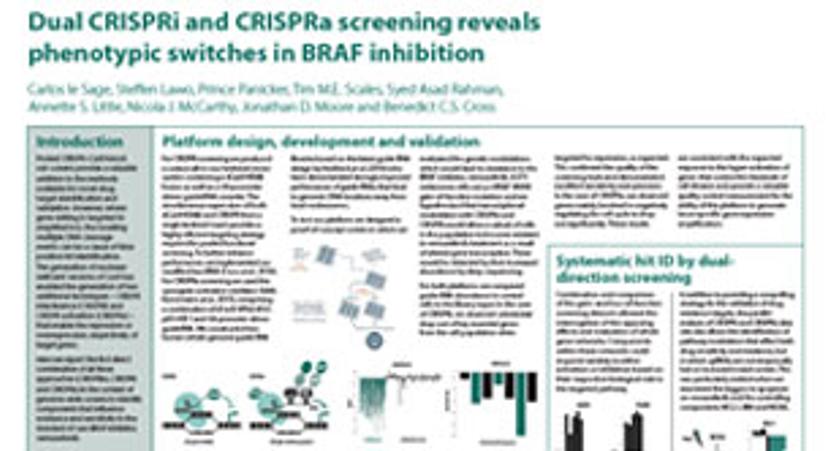
CRISPR-Cas9 technology can be incorporated into a range of screening approaches, from exploring drug mechanisms of action, to targeted drug resistance and identification of novel biomarkers. Depending on the expression effect required, there are three types of CRISPR screen available, which include:
- CRISPR KO – target gene knockout
- CRISPRi – target gene repression
- CRISPRa – target gene amplification
In this application note by Horizon Discovery, we look at the combination of all three approaches (CRISPR KO, CRISPRi and CRISPRa) to identify components that influence resistance and sensitivity to the standard of care BRAF inhibitor, vemurafenib.
Trends in Gene Editing and CRISPR Technology:
Explore our selection of the biggest news stories in NGS:
Horizon Discovery extends CRISPR Screening Service to Primary Human T cells
Gene Therapy is Closer Than We Think – A Success Story
CRISPR Therapeutics and ProBioGen Collaborate to Develop Novel In Vivo Delivery Technologies
Is It Possible to Predict The Future of Science?
Top Gene Editing Product Reviews
CLARIOstar from BMG LABTECH:

TipOne® Pipette Tips by STARLAB:

Explore Scientific Innovation on The Scientists’ Channel
Discover leading scientists on video:
- Dr. Arturo Diaz – Understanding Viral Replication Using Quantitative PCR and Gene Editing Technologies
- Dr. Michael Phillips – Advances in Research into the Influence of Genetics on Health & Disease Outcomes
- Professor Steve Conlan – High-Throughput Epigenetics Research for Personalized Medicine
Related Resources:
- Webinar – CRISPR screening in primary human T cells - extending cell type capabilities
- How-to-buy guide – How to Buy DNA/RNA Purification and Quantification Technology
- How-to-buy guide – How to Buy Next Generation Sequencing Technology
- How-to-buy guide – How to Buy PCR Technology
Related products
Request Quote for All Products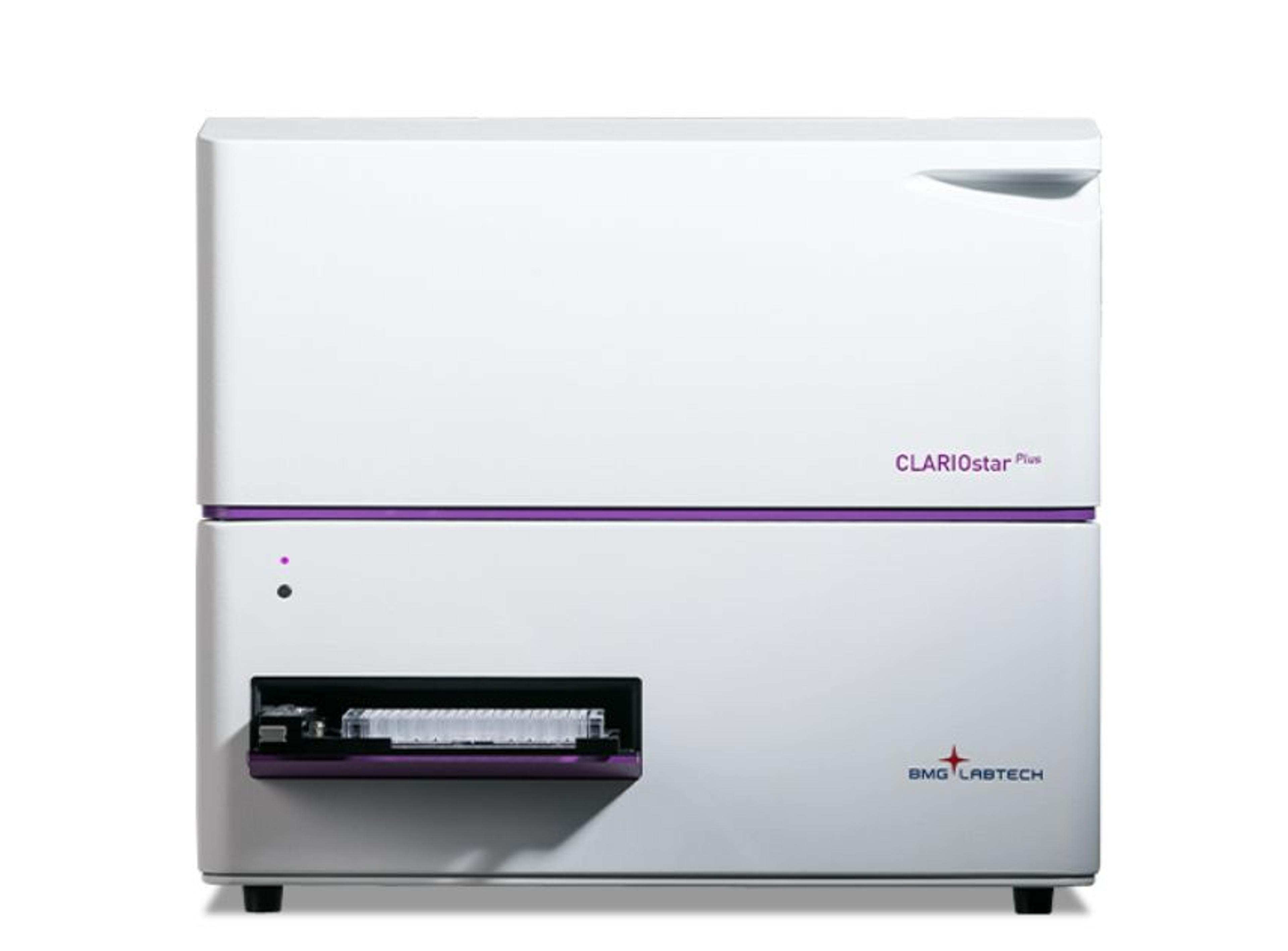
CLARIOstar® Plus Multi-mode Microplate Reader
BMG LABTECHMost flexible Multi-mode Microplate Reader for Assay Development
CRISPR Screening Services
CRISPR Screening Services Horizon offers comprehensive CRISPR screening services from screen design and cell line selection to sophisticated bioinformatics analysis of the screen results. Our best-in-class CRISPR KO (knockout), CRISPRi (interference) and CRISPRa (activation) screening platforms can significantly advance our customers’ drug development programs by offering the highest quality and highest confidence in their screening results. Data analysis services, including sample preparation, Next-Gen Sequencing, and hit calling, can be provided for users of Edit-R Lentiviral sgRNA Pooled Screening Libraries. Simply provide whole cell pellets for each of your samples and we’ll do the rest. We can also help with the NGS data analysis and hit calling for data created using the Edit-R Pooled sgRNA Indexing PCR and Sequencing Primer Kits. Types of CRISPR Screen Expertise includes whole-genome and custom targeted drug resistance and sensitivity screens, synthetic lethality target discovery screens and complex phenotypic screens using a FACS-based readout. We have optimized 50+ cell lines for CRISPR screening and have completed over 300 screens to date. We offer a choice of CRISPR screen types depending on the expression effect you require: CRISPR KO screening with complete loss of gene expression provides the maximal window for phenotypic effect and high statistical power for hit discovery CRISPRi screening represses expression rather than completely knocking out the target gene and is ideally suited to study druggability and to evaluate the function of genes that when knocked-out are essential or that are amplified CRISPRa screening amplifies gene expression in its endogenous context and enables for the first time, to study activation-linked responses on a genome-wide level Dual CRISPRi & CRISPRa screening