
Waters’ Centers of Innovation Program Honors Ohio State University Laboratory
Wysocki-led facility recognized for proteomics, disease research and mass spectrometry excellence
28 Sept 2015
Industry news
At a ceremony at The Ohio State University, Waters Corporation officially welcomed the University’s Campus Chemical Instrument Center into the Waters Centers of Innovation Program. Headed by Prof. Vicki Wysocki, an Ohio Eminent Scholar and Professor of Chemistry and Biochemistry, the Center is widely renowned for fundamental research into ways of characterizing protein complexes, or assemblies of multiple individual proteins, that living organisms depend on for their survival. Ultimately, the research of the Wysocki Research Group could one day lead to new understanding of conditions, such as high blood pressure, arteriosclerosis, pre-eclampsia, and chronic obstructive pulmonary disease, among others.
“We are honored to join the Waters Centers of Innovation Program as a partner and applaud the state-of-the-art instrumentation and technical support that Waters has provided,” said Caroline Whitacre, Vice President for Research at Ohio State. “Having access to the Waters technology has enabled the stellar work of Dr. Wysocki as she works to develop improved mass spectrometry approaches to determine structures of protein complexes. This research is helping researchers across the Ohio State campus and elsewhere to achieve breakthroughs and develop solutions that will have global impact.”
Also on hand to congratulate Prof. Wysocki and her team was Eric Fotheringham, Director, Waters Centers of Innovation Program. “Vicki is an exemplary scientist and a highly-respected member of the worldwide mass spectrometry community. She is certainly deserving of this recognition and we are proud to have her participate in our program.”
Abetting Wysocki in her research are advances in mass spectrometry technologies that allow her to probe the structures of protein complexes like never before.
“One of the important goals of our research is understanding how we might interrupt a disease or correct for a disease, or develop a drug target. Waters instruments are important to our research because of the ion mobility technology embedded in their quadrupole time-of-flight mass spectrometers. This technology allows us to measure not just a protein complex’s mass/charge ratio but also their shape, and this is incredibly important if we are to understand their function or identify when unfolding has occurred, which can be a sign of damage caused by an adverse event,” said Wysocki.
The driving force behind the technique of surface induced dissociation (SID) for mass spectrometry, Prof. Wysocki leads a research group exploring new ways of examining protein complexes by experimenting with SID on various instrument platforms. A mother, a teacher and a mentor, Prof. Wysocki is also an officer with the American Society for Mass Spectrometry (ASMS), currently serving as Vice-President for Programs. In 1992, Professor Wysocki received an ASMS Research Award, presented annually to young academic scientists to further her research in mass spectrometry, and in 2009 she received a Distinguished Contribution to Mass Spectrometry Award, the Society’s highest achievement award. She is also one of 120 distinguished scientists, and one of six women, profiled in Elsevier’s Encyclopedia of Mass Spectrometry (2015) for contributions to mass spectrometry over the last century.
In recognition of Prof. Wysocki, Waters is sponsoring a symposium on Tuesday, September 22 titled Mass Spectrometry in Structural Biology on the campus of The Ohio State University. Giving invited lectures at the Symposium are Prof. David Russell, Texas A&M Prof. Joseph Loo, UCLA; Prof. Evan Williams, UC Berkeley; Prof. Lisa Jones, IUPUI; Prof. Perdita Barran, University of Manchester (UK); Prof. David Clemmer, Indiana University; and Kevin Giles, Waters Corporation.
Watch our exclusive interview with Prof. Wysocki here.
Related products
Request Quote for All Products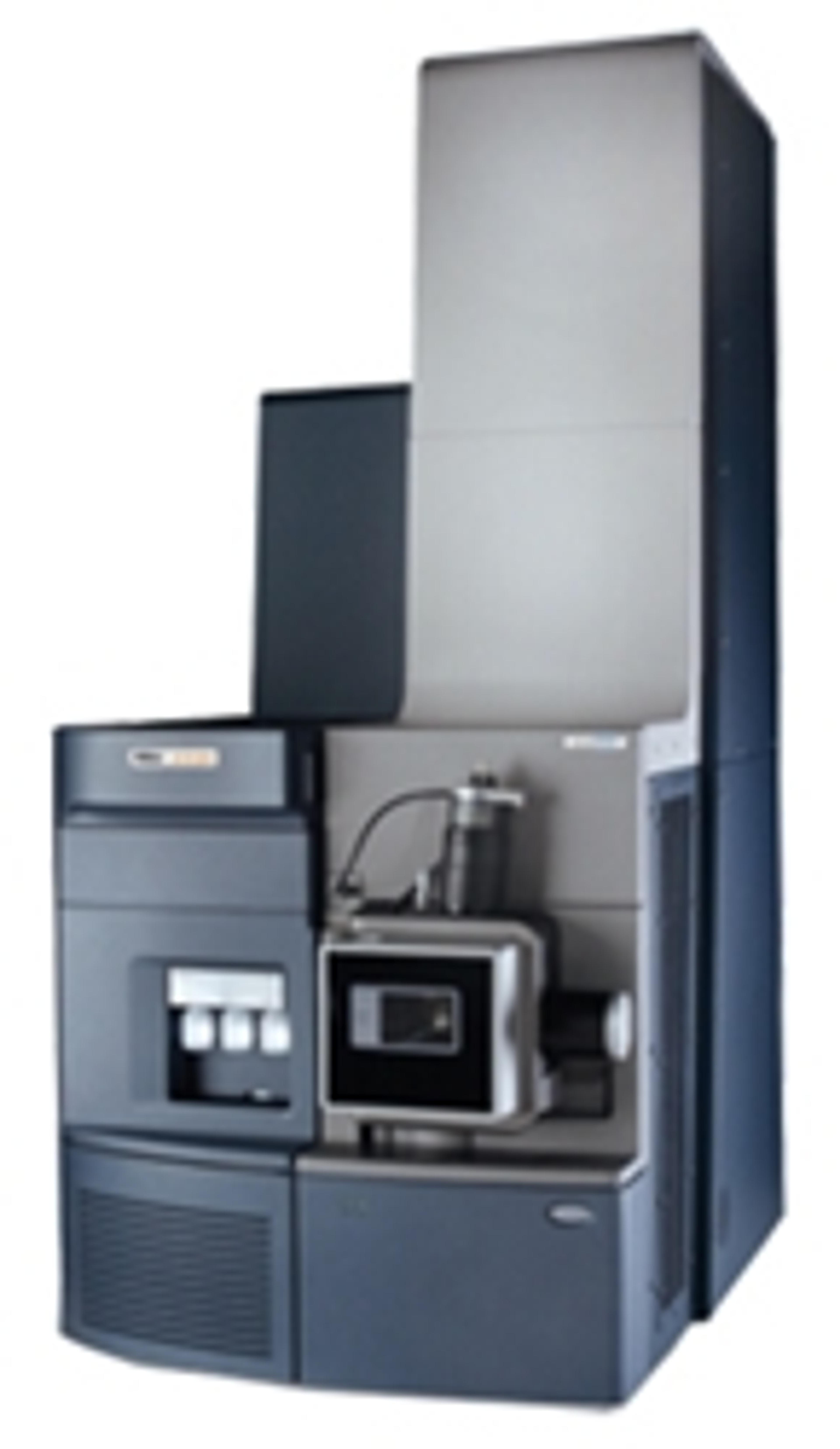
Xevo G2-XS QTof
WatersXevo G2-XS QTof - eXtreme Sensitivity, eXtraordinary Selectivity, eXceptional Solutions. For the scientist who needs to identify, quantify and confirm the broadest range of compounds in the most complex and challenging samples the Xevo G2-XS QTof provides maximum robustness with no compromise in performance, class-leading real-world quantitative sensitivity, the highest quality, most comprehensive qualitative information, flexibility to adapt to changing needs and is accessible to experts and non-experts alike.
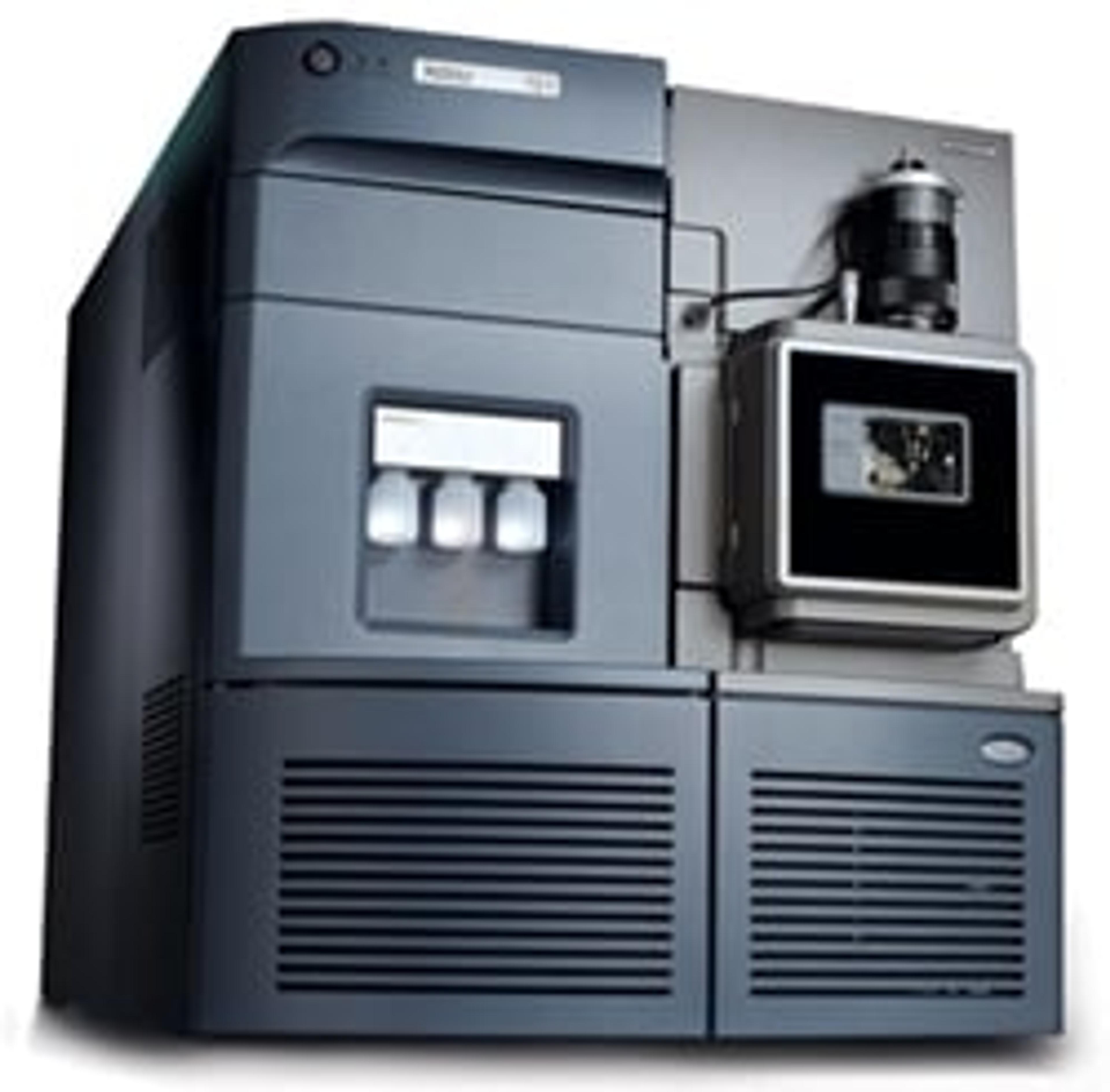
Xevo TQ-S
WatersXevo TQ-S tandem quadrupole mass spectrometer - designed for the most demanding quantitative UPLC/MS/MS applications. The ultimate in tandem quadrupole performance allows you to achieve unrivalled sensitivity and robustness, available to everyone due to the accessibility of the Xevo platform. The Xevo TQ-S gives you class leading sensitivity and robustness, qualitative information when you need it most and accelerated method development for sensitive and robust methods. Reducing complexity, increasing ease of use, and ensuring the correct result every time.