Water Contaminants Analysis for the EU Water Framework Directive: Seminar Video Highlights

Watch exclusive video presentations and interviews filmed at the UK Water Analysis Seminar

4 Jul 2016
Alex Waite
Editorial Assistant

Editorial article

Image: Merkushev Vasiliy/Shutterstock

Thermo Fisher Scientific recently hosted a seminar on Analyzing Contaminants in UK Water to address challenges of the EU Water Framework Directive. Topics discussed included CIP2 applications on LC-MS, GC-MS, ICP-MS and ion chromatography. Experts also discussed how environmental analysis will change in the future and provided advice on how to comply with regulations. Watch the exclusive video interviews and presentations below to learn more about the important issues discussed during the seminar. You can also find more content on the Water Contaminants Analysis for the EU Water Directive Special Feature page, and find related content in our Water Analysis Special Feature.

1. Environmental Contaminant Analyses at the National Laboratory Service
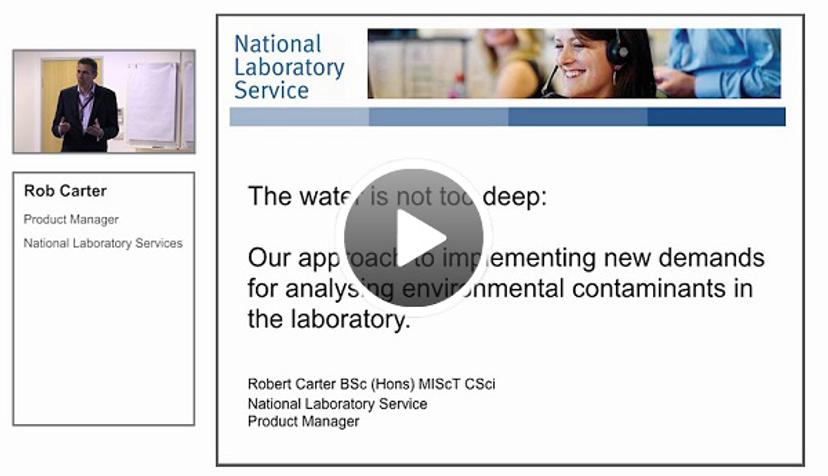
 

Rob Carter, Product Manager at the National Laboratory Service, gives a presentation about the methodologies used for analyzing environmental contaminants that meet new regulatory standards. Watch the video >>

2. Efficient Analysis of Surface Water Contamination
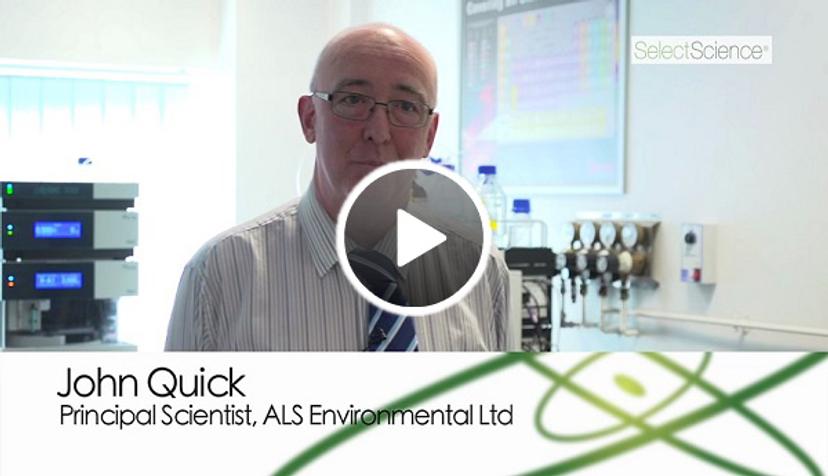
 

John Quick, Principal Scientist at ALS Environmental, discusses the benefits of the Thermo Scientific™ Orbitrap™ system when looking at the impact of sewage effluence on surface water quality. Watch the video >>

3. Development of Robust LC, GC & ICP-MS Methods for Detection of Low Concentration Water Contaminants
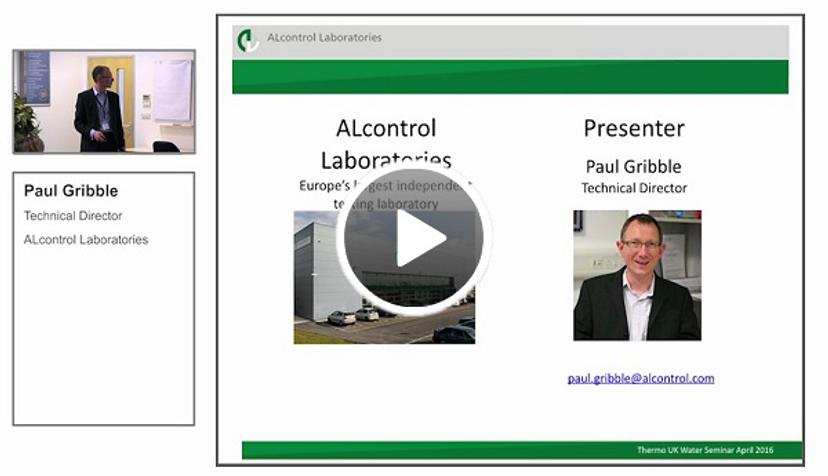
 

Watch this presentation by Paul Gribble, Technical Director at ALcontrol Laboratories, to learn about robust, high throughput methods for the detection of low concentration analytes in water. Watch the video >>

4. Improve the Productivity of Your GC and GC/MS Environmental Analyses


In this video, Inge De Dobbeleer, Marketing Manager GC & GC/MS EMEA, Thermo Fisher Scientific, explains how the Trace 1300 Series GC and the TSQ 8000 GC-MS/MS bring productivity and robustness to a range of environmental applications. Watch the video >>

5. Successful Use of High Resolution Accurate Mass Spectrometry for Analysis of Organic Pollutants


Hear how John Quick, Principal Scientist at ALS Environmental has utilized LC-MS methods to look at low concentration analytes in complex matrices of dirty waters. Watch the video >>

6. Sensitive Conductivity and Electrochemistry Detectors Elevating Environmental Ion Chromatography


Wai Chi Man, Technical Specialist, Ion Chromatography, Thermo Fisher Scientific, explains the range of environmental applications that can benefit from ion chromatography technology. Watch the video >>

7. Meeting Environmental Legislation Requirements for Waste Water with Atomic Absorption Spectrometry

In this video, Simon Nelms, Regional Marketing Manager, Trace Elemental Analysis, Thermo Fisher Scientific, discusses how atomic absorption spectrometry can be used in meeting the requirements for legislation such as the EU Water Framework DirectiveWatch the video >>

8. Efficient Detection of Low Concentration Analytes in Water using LC, GC and ICP-MS
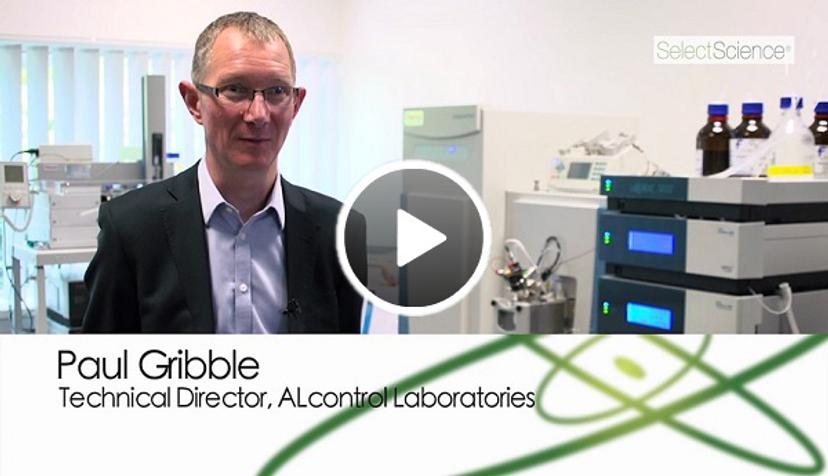
 

Paul Gribble, Technical Director at ALcontrol Laboratories, discusses the difficulties associated with detecting low concentration organic contaminants in water samples. He describes how advances in high sensitivity detection instruments are enabling these contaminants to be detected to regulatory standards. Watch the video >>

9. Higher Throughput and Lower Detection Capabilities to Improve Productivity in Environmental Analysis
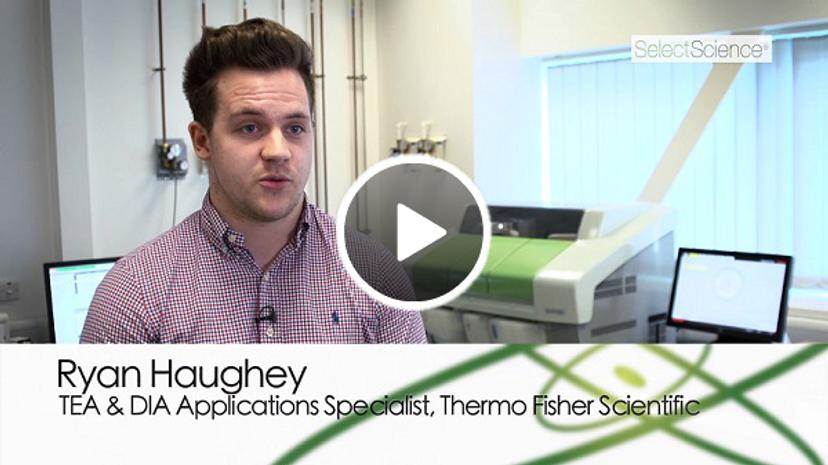
 

Watch this video to hear Ryan Haughey, TEA and DIA Applications Specialist, Thermo Fisher Scientific, discuss the benefits of the Gallery for the water, food and beverage industries. He describes how customer feedback has helped improve the throughput and detection capabilities. Watch the video >>

10. How Thermo Fisher Scientific Enables the Environmental Community to Solve Problems Together
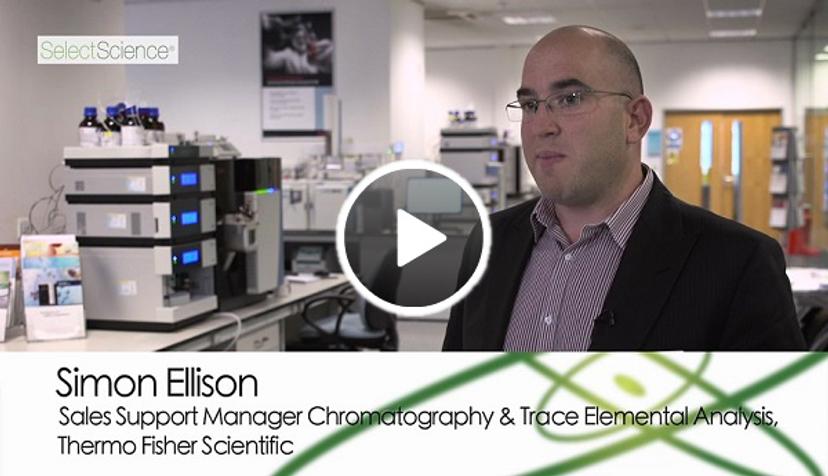
 

Simon Ellison, Sales Support Manager for Chromatography and Trace Elemental Products at Thermo Fisher Scientific, discusses the capabilities of the company's Hemel Hempstead laboratory facility. Hear how this center of excellence enables scientists to solve problems and improve results. Watch the video >>

Visit our Analyzing Contaminants in UK Waters Special Feature page, or find more content on the Water Analysis Special Feature page.

Do you use any of the products mentioned in this article? Is there a product you couldn’t live without? Share your experiences with our worldwide community and write a review today.

Links

Tags

AutosamplersAutosamplers are automated sample loaders used with a number of separation and analytical techniques. HPLC autosamplers use automated partial or full-loop injection systems and place samples in vials or microplates for analysis. Autosamplers can also be used for elemental analysis. Features to consider include repeatability, syringe capacity, footprint and temperature controls.  Gas ChromatographyGas chromatography (GC) is an analytical technique used to separate and quantitate mixtures of small and volatile compounds. Gas chromatographs or GC systems include components such as GC columns, detectors, pumps and autosamplers. Choose from packed or capillary GC columns, flame ionization (FID), photoionization (PID) electron capture detectors and selective or non-selective detectors. Find the best gas chromatographs in our peer-reviewed product directory: compare products, check customer reviews and receive pricing direct from manufacturers.Ion ChromatographyIon chromatography, also known as ion exchange chromatography, is a high-performance liquid chromatographic technique used for the separation and identification of ions or polar molecules in a sample, including proteins, nucleotides and amino acids. Equipment includes ion exchange columns, ion exclusion columns, ion chromatography systems, pumps, and detectors. Find the best ion chromatography equipment in our peer-reviewed product directory: compare products, check customer reviews and receive pricing direct from manufacturers.Sample PreparationSample preparation can improve the quality and speed of separation techniques. Products to assist sample preparation include filtration equipment, evaporators, membranes and sieves.Atomic Absorption / Emission SpectroscopyAtomic absorption spectroscopy (AAS) and atomic emission spectroscopy (AES) — also called optical emission spectroscopy (OES) — are used to detect the elemental constituents in samples. Both techniques involve the atomization of a sample. Atomic absorption spectrometers may use a flame or furnace to create an atomic vapor of the sample before irradiation with spectral light. Optical emission spectrometers may use a flame, inductively coupled plasma (ICP), microwave plasma (MP) or spark arcs to atomize and excite the sample. At higher excitation energies, electrons can be emitted instead of photons, which can be useful for samples that can’t be atomized and for surface analysis. Explore electron spectroscopy equipment such as Auger spectrometers and photoelectron spectrometers for surface elemental analysis of samples. Find the best atomic absorption, photoelectron and optical emission spectrometers in our peer-reviewed product directory: compare products, check customer reviews and receive pricing direct from manufacturers.LC-MSLC-MS (liquid chromatography-mass spectrometry) systems and equipment are used for separation and quantitative analysis of complex mixtures, combining liquid chromatography and mass spectrometry. Quantify proteins, contaminants, pesticides or screen for drug metabolites with a high level of sensitivity. LC-MS systems and equipment include reverse phase, normal phase and specialized columns integrated with various MS detectors such as time-of-flight (TOF), quadrupole, orbitrap or ion trap mass analyzers. LC-MS/MS instruments equipped with a qTOF or triple quadrupole analyzer give greater sensitivity and resolving power to your analysis. Find the best LC-MS equipment in our peer-reviewed product directory: compare products, check customer reviews and receive pricing direct from manufacturers.Mass SpectrometryMass spectrometry (MS) is a powerful analytical technique used to identify and quantify molecules based on the mass-to-charge ratio of gas-phase ions. It provides detailed information about the structure, composition, and properties of compounds and is widely used across fields such as environmental monitoring, materials science, drug discovery and development, food and beverage testing, and wider chemical research. Key MS techniques include tandem mass spectrometry (MS/MS), liquid chromatography–mass spectrometry (LS-MS) and inductively coupled plasma (ICP-MS). Choosing from these wide range of techniques and technologies can be a daunting task, so keep up to date with scientific applications, performance expectations, and customer reviews here all in one place. Visit our product directory to receive quotes direct from the manufacturer. Environmental Monitoring and TestingEnvironmental monitoring and testing uses handheld portable analyzers, kits, spectrometers or chromatography systems for air, water, soil, food and other sample testing. Useful features of analyzers such as BOD and COD include portability, easy calibration, automation and sensitivity.  Environmental test kits for pH, water, moisture, etc, should be accurate, sensitive, reliable, fast and easy to use.pH and Conductivity MetersIon and pH meters, used for electrochemical techniques and measurements, measure the concentration of specific ions using electrodes (probes) and a meter. Features of ph and ion meters to consider include temperature compensation, auto-calibration, adjustable resolution, measurable range and accuracy. Meters can be handheld, portable, benchtop and modular.Food and Beverage AnalyzersFood and Beverage Analyzers are commonly used to provide information about the chemical composition, structure and physical properties of food materials.Particle CharacterizationParticle characterization instruments are used to determine particle size distribution, shape, surface area, zeta potential, density and porosity of particles and materials. Multiple tecchniques are available for determining particle size, shape and count including dynamic light scattering (DLS), laser diffraction, electrozone (Coulter technique), imaging particle analysis and single particle optical sensing. Determine the density of your material with a gas pycnometer or examine its surface area and porosity with gas adsorption analyzers and mercury porosimeters. Find the best particle characterization instruments in our peer-reviewed product directory: compare products, check customer reviews and receive pricing direct from manufacturers.GC-MS GC-MS (gas chromatography-mass spectrometry) instruments and equipment are used to separate, quantify and identify mixtures of small and volatile compounds, such as polycyclic aromatics, fatty acids and alcohols. Often used in drug detection, forensic investigation and environmental analysis for pesticides and contaminants, GC-MS is a powerful addition to your lab’s analytical capabilities. GC-MS/MS instruments equipped with a qTOF or triple quadrupole analyzers can give greater sensitivity and resolution to your analysis. Find the best GC-MS instruments and equipment in our peer-reviewed product directory: compare products, check customer reviews and receive pricing direct from manufacturers.Water PurificationThere are a number of water purification methods available to remove contamination from laboratory water. These systems include demineralization, reverse osmosis, filtration and ultrafiltration. A combination of methods is sometimes necessary to achieve purified water suitable for use in experiments.Waste WaterContamination PreventionContamination prevention aims to control and minimize the risk of contamination during experiments. Biological safety cabinets and sterilization equipment are examples of technologies used to prevent contamination.