Trends in Drug Discovery & Development: March 2019

Expert interviews on a novel target for glioblastoma, new approach to Alzheimer’s disease therapy, mapping tumors at the molecular level and more

31 Mar 2019

Sarah Thomas
Associate Editor

Editorial article

In March, the SelectScience Drug Discovery & Development community saw the release of our 2019 microplate reader eBook and the launch of a new compendium for cell culture workflows, as well as an interview with neuroscientist Dr. C.J. Barnum, INmune Bio Inc., about a novel approach to Alzheimer’s disease therapy and expert insight on assay development. Read on for our highlights of the month.

Download the new SelectScience guide to microplate readers

Your Guide to Microplate Reader Technology: 8th Edition

Our latest How to Buy Microplate Readers eBook covers some of the latest technologies available on the market, new applications and top tips on what to look for when you come to purchase your next microplate reader. Download our guide to microplate readers.

NEW! Ultimate Cell Culture Workflow Compendium

This popular new application compendium highlights several examples of effective cell culture preparation steps, experimental protocols, and subsequent analysis. Download the compendium.

A Novel, Non-Amyloid Approach to Alzheimer’s Therapy

Immunology-focused pharma company INmune Bio is set to start first-in-man clinical trials with a promising anti-TNF compound that could revolutionize the treatment of Alzheimer’s disease and related symptoms. Read the interview with Dr. C.J. Barnum, Director of Neuroscience and Translational Research, INmune Bio Inc. Plus, visit our Neurodegenerative Diseases Special Feature to learn more about the research and technologies advancing this field.
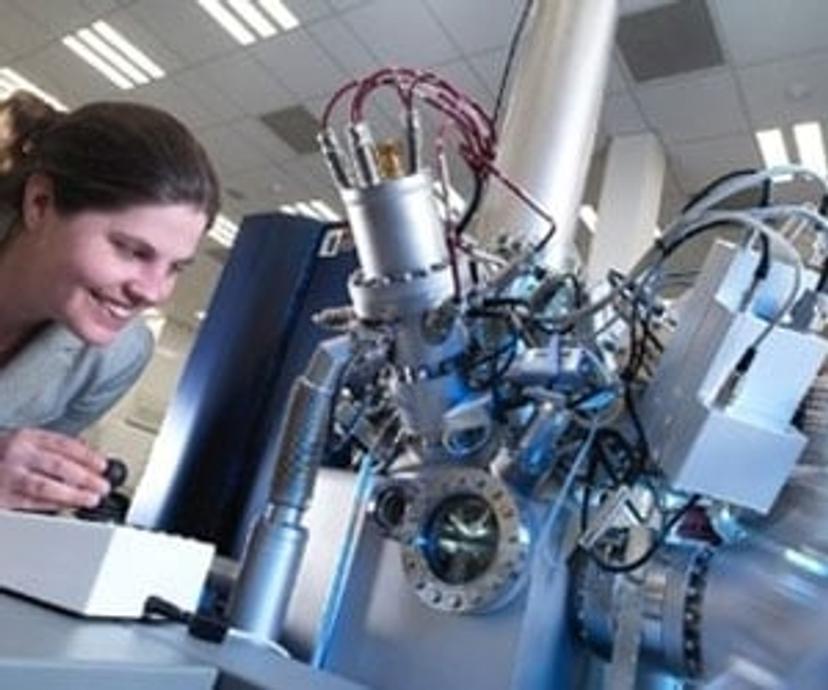
Prof. Josephine Bunch is using mass spectrometry to explore the molecular make-up of tumors

Mapping the Unknown: How Mass Spec is Taking Us Deep Inside Tumors

Learn how innovative mass spectrometry techniques are enabling scientists to explore the molecular make-up of tumors — opening the way to better drug efficacy and new treatment strategies. Read the interview with Prof. Josephine Bunch, from the National Physical Laboratory.

Meet the Demands of Assay Development

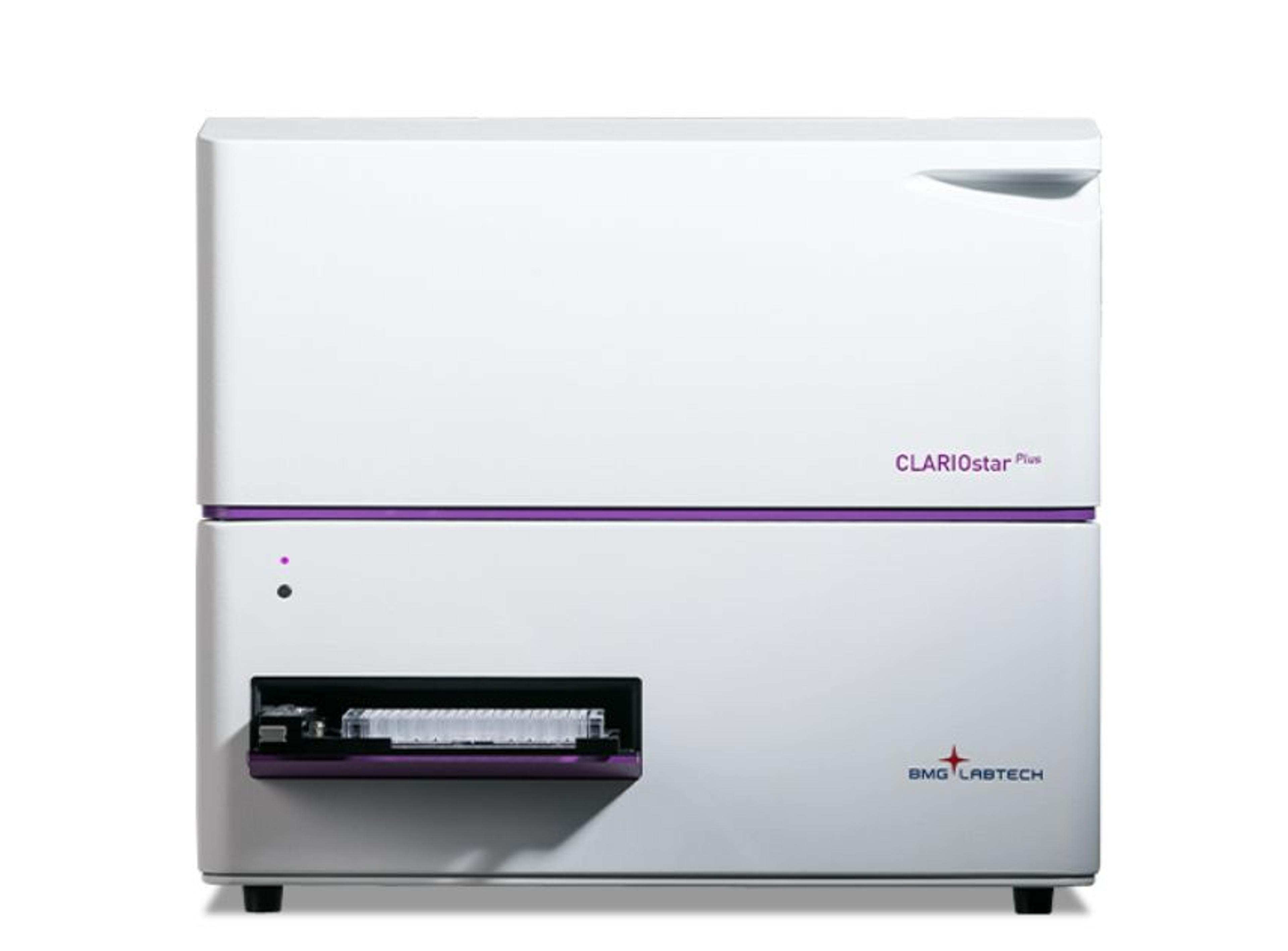
We spoke to applications specialist Andrea Krumm to learn about BMG LABTECH’s new microplate reader, the CLARIOstar Plus, and to find out her top three tips for improving assay development process. Read Andrea’s top tips for assay development.

A Novel Target to Inhibit Glioblastoma Invasion
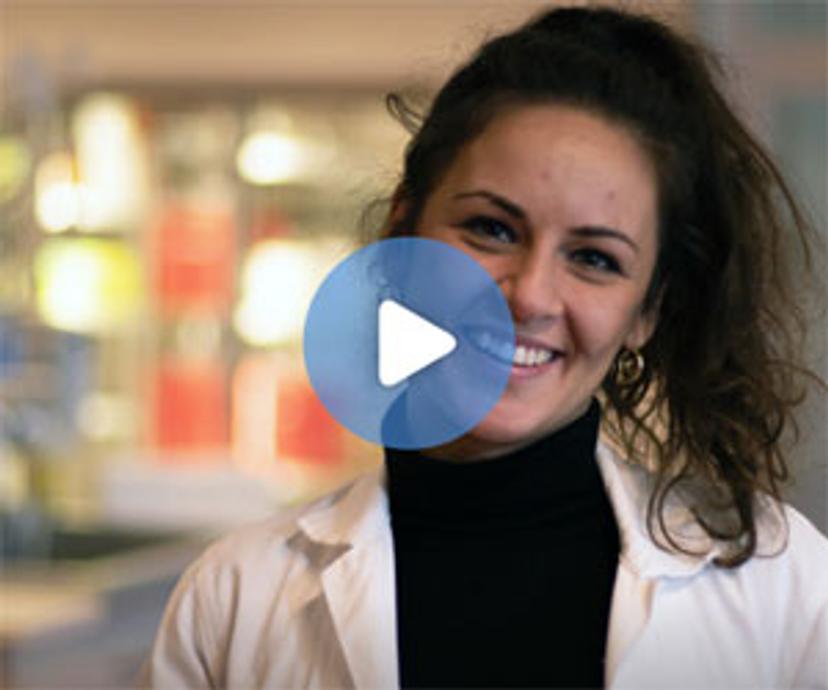
Dr. Aleksandra Dukic describes her work investigating a novel target for inhibiting glioblastoma cancer invasion

Dr. Aleksandra Dukic, postdoctoral researcher, Institute for Cancer Research, Oslo University Hospital, shared her research on a novel target for inhibiting glioblastoma cancer invasion into surrounding brain tissue and the importance of this work in addressing the need for innovative therapeutics to combat this aggressive cancer. Watch the video on The Scientists' Channel.

Winners Revealed: The Liquid Handling and Analytical Science Products You Voted For

During a special Scientists' Choice Awards celebration at Pittcon 2019, we revealed winners of the awards for best new general lab, separations and spectroscopy products of 2018, as voted for by scientists around the world. We also honored the most popular content from the analytical science community over the past year, including an interview with Nobel Prize winner in Chemistry, Dr. Richard Henderson, on the importance of cryo-electron microscopy for the pharmaceutical industry.

Read more about the Scientists' Choice Awards presented at Pittcon 2019, learn about some of the hottest technologies launched at the event, and hear more about the latest research and technologies presented at Pittcon 2019 on our dedicated webpage.

Your Opinion Matters: Latest Reviews about the Lab Technology You Use

Each month, scientists around the world share their experiences of the technologies advancing drug discovery research, from basic research to manufacturing. Read their reviews in our product directory or share your opinion to help your peers by writing your own review today.

New review:

Read all reviews about the Corning Cell Counter

In the News

Webinars Available to Watch On Demand

Breaking Event News

Links

Tags

Mass SpectrometryMass spectrometry (MS) is a powerful analytical technique used to identify and quantify molecules based on the mass-to-charge ratio of gas-phase ions. It provides detailed information about the structure, composition, and properties of compounds and is widely used across fields such as environmental monitoring, materials science, drug discovery and development, food and beverage testing, and wider chemical research. Key MS techniques include tandem mass spectrometry (MS/MS), liquid chromatography–mass spectrometry (LS-MS) and inductively coupled plasma (ICP-MS). Choosing from these wide range of techniques and technologies can be a daunting task, so keep up to date with scientific applications, performance expectations, and customer reviews here all in one place. Visit our product directory to receive quotes direct from the manufacturer. Cell Adhesion AssaysCell adhesion assays are used to quantitate attachment and analyze the molecular mechanisms for extracellular matrix adhesion, cell migration and sensitivity to inhibitors. Find the best cell adhesion assay equipment in our peer-reviewed product directory: compare products, check customer reviews and receive pricing direct from manufacturers.Cell / Tissue CultureCell culture or tissue culture is used to study the biology of cells or tissues and to isolate cellular products in an environment which can be manipulated and well defined. Accurately control your culture environment with bioreactors or culture incubators, bind your cells to a surface or together with an extracellular matrix. Distinguish cell types with differential media or proliferate cells with certain characteristics using selective media. Enrich your media with supplements such as growth factors, sera and vitamins. Find the best cell and tissue culture products, kits and equipment in our peer-reviewed product directory: compare products, check customer reviews and receive pricing direct from manufacturers.MicroplatesMicroplates are multi-well plates used to increase the throughput of biological investigations. The number of wells microplates contain can range from 6 to 3243 wells, with the 96-well format being the most commonly used. Microplates can come tailored for a range of applications including cell culture, PCR, filtration, storage, non-binding surface, protein crystallization, as well as pre-coated, deep well and normal Standard microplates. Additionally, options for microplate colors include clear , black, white or black with clear bottom and white with clear bottom for absorbance microplate reader applications. Find the best microplates for your lab in our peer-reviewed product directory: compare products, check customer reviews and receive pricing direct from manufacturers.Cell Lines Stem Cells and Primary CellsPrimary cell cultures, established cell lines and stem cells are vital for <i>in vitro</i> and <i>ex vivo</i> experimentation. High-quality cells, optimized for your applications, alongside optimized cell substrates, growth medium and supplements, are critical for experimental success. Explore a range of cells suitable for your applications, including isogenic cell lines, competent cells, induced pluripotent stem cell (iPSC)-derived cell lines, fungal/bacterial/mammalian cell lines, stem cells and cancer cell lines. Find the best cells for your research in our peer-reviewed product directory: compare products, check customer reviews and receive pricing direct from manufacturers.Microplate Readers / DetectorsMicroplate readers are used to automate the detection and analysis of labeled or label-free components in microplates during assays or live-cell monitoring. Microplate readers are generally distinguished by their mode of detection. Types include absorbance, luminescence, fluorescence intensity, fluorescence polarization, TRF / FRET and multimode microplate readers. Microplate readers deliver a high throughput of samples by reading multiple wells simultaneously, with the 96-well format the most commonly used. As a result, microplate readers are often used in the drug discovery, bioassays, research and pharmaceutical industries for screening applications. Microplate loading can also be automated, with robotic microplate stackers to increase throughput. Find the best microplate readers in our peer-reviewed product directory: compare products, check customer reviews and receive pricing direct from manufacturers.Cell-Based AssaysCell-based assays are used to monitor the presence, quantity and activities of a desired cellular analyte including drug molecules or biomarkers. This can reveal information on cell health (apoptosis, cytotoxicity, viability and proliferation assays), cell metabolism, cell migration and cell signaling mechanisms. Find the best cell-based assay products, kits and equipment with our peer reviewed product directory: compare products, check customer reviews and receiving pricing direct from manufacturers.Automated Liquid HandlingAutomated liquid handling equipment is used to mix, dilute and dispense allotted volumes of liquid into microplates and other vessels automatically. The robotic, liquid handling arms can dispense from single channel to 3456 multichannel as well as operate nanoliter dispensing, enabling high throughput of samples. Find the best automated liquid handlers in our peer-reviewed product directory: compare products, check customer reviews and receive pricing direct from manufacturers.Bioprocessing / FermentationBioprocessing is the use of biological materials to perform commercial, scientific or medical research processes. Biological materials used include cells, enzymes and organisms. Usually bioprocessing requires a batch or continuous bioreactor such as a fermentor or cell culture system. The advantages of using a reactor include high productivity, easy configuration, adjustable values and automation.NeuroscienceNeuroscience research investigates the neurological mechanisms underlying behavior, neurodegenerative diseases, and other brain conditions. Learn about the innovative technologies for bioimaging, electrophysiology, cell culture, chromatography and other techniques used in this field.Drug DiscoveryDrug discovery is the process of identifying potential new medications, involving stages such as target identification, compound screening, and preclinical development. It relies on cutting-edge technologies like high-throughput screening, artificial intelligence, and molecular modeling to accelerate the identification of drug candidates. Drug discovery plays a pivotal role in developing new therapies for diseases ranging from cancer to rare genetic disorders. Browse our peer-reviewed product directory to find the latest drug discovery technologies, compare options, check customer feedback, and get pricing directly from manufacturers.TumorsTumor research focuses on understanding abnormal cell growth that leads to cancer. Identifying biomarkers, studying tumor microenvironments, and developing targeted therapies are critical for advancing cancer treatment. Early detection and personalized treatment options are key to improving outcomes for patients. Browse our peer-reviewed product directory to explore tools for tumor research, diagnostics, and cancer therapies; compare products, read customer reviews, and get pricing directly from manufacturers.NeurodegenerationNeurodegeneration refers to the progressive deterioration of the structure and function of the nervous system, often seen in diseases like Alzheimer's and Parkinson's. Research focuses on early detection and potential therapies. Explore neurodegeneration research tools in our peer-reviewed product directory; compare products, check reviews, and get pricing directly from manufacturers.Drug DevelopmentDrug development refers to the process of bringing a new drug to market.Cancer ResearchAlthough cancer is often referred to as a single condition, it actually consists of more than 100 different diseases. Microscopy, mass spectrometry, high throughput sequencing and flow cytometry are some of the most common techniques employed in cancer research labs.