The role of cell-based assays in the modern lab, beyond the petri dish
This special feature explores the latest research, applications, and advances in cell-based assay technology
30 Oct 2023
Cell-based assays: An essential research tool
Cell-based assays involve the use of living cells – either cultured in the laboratory or obtained directly from organisms – to investigate cell behavior, function, and response to external stimuli. These assays are designed to measure specific cellular parameters, including viability, proliferation, apoptosis, gene expression, protein function, and cellular responses to drugs or environmental factors. Ultimately, cell-based assays bridge the gap between basic research and clinical applications, advancing our understanding of cellular biology and facilitating the development of new treatments and therapies for various diseases.
In this special feature, we outline some of the latest resources aimed to help improve your understanding of cell-based assays, highlight their integral role in research applications, and explore the latest cell-based assay technology designed to accelerate your work.
1. Next-generation in vitro phenotypic assays for neurodegenerative disease
Discover how next-generation in vitro phenotypic assays were developed for neurodegenerative disease by combining precision reprogrammed hiPSC-derived isogenic models of Huntington's disease from bit.bio with high-density microelectrode arrays.
2. How to culture tumor organoids in context and gain real-time biological insights
In this interview, Dr. Bas Trietsch, CTO and co-founder of MIMETAS, explains how tumor organoids can be cultured in context – via the OrganoPlate® organ-on-a-chip platform – to screen the effects of several different therapeutics. He also highlights the importance of multiplexed analysis to fully investigate the dynamics of complex tissues.
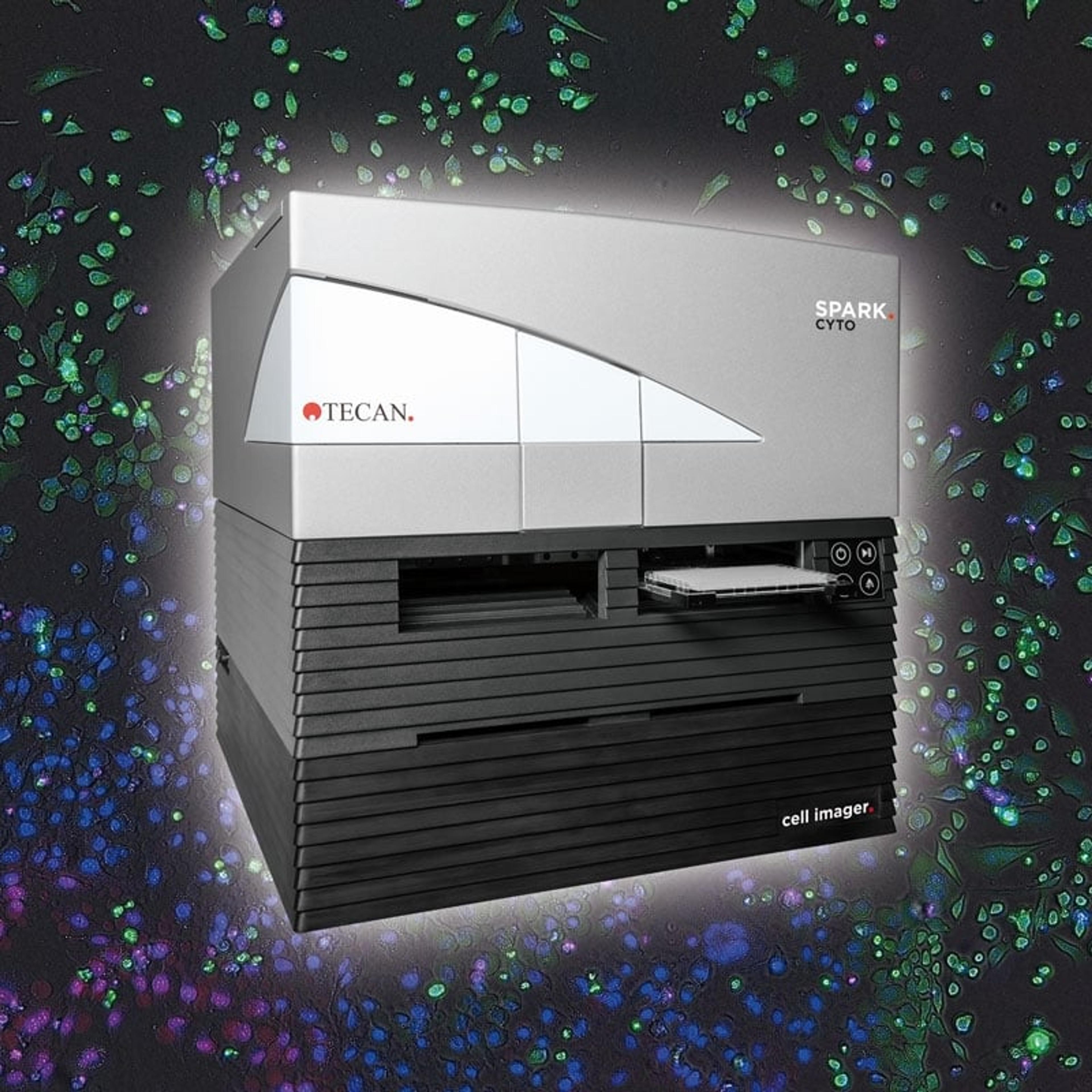
In this presentation, Trietsch outlines the potential of a single integrated workflow combining the OrganoPlate® platform and the Tecan Spark® Cyto plate reader to provide high-throughput, scalability, and high-resolution image and data acquisition, using the real-time investigation of snake venom toxicity as a case study.
3. Microplate-based cellular assays
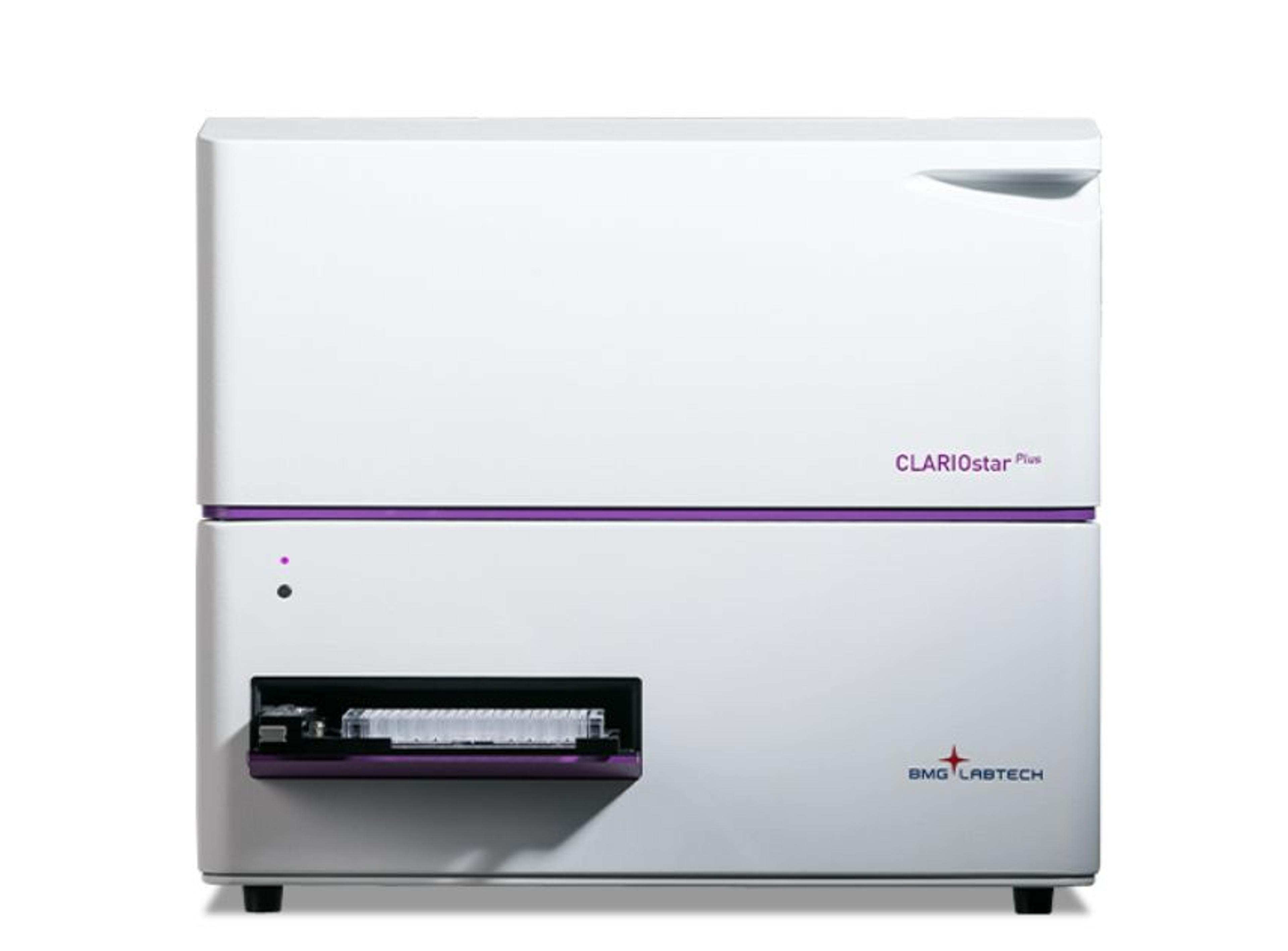
This resource from BMG LABTECH explores the importance of cell-based assays, the various types of methods that exist, and how researchers are using microplate-based cellular assays to advance their research.
4. Cell-based assays for GMP QC testing
Deepen your understanding of cell-based assays and see how Svar Life Science develops robust cell-based assays for GMP QC testing in modern drug development.
5. High-throughput screening with automated liquid handling
Explore the various cell-based models currently used in research and see how cell-based high-throughput screening (HTS) requirements can be fulfilled using Hamilton automated liquid handlers.

Resources to expand your cell-based assays
- Cell imaging technology: This fifth edition eBook provides useful resources to help simplify your choice when it comes to purchasing your next cell imager. The expert guide outlines cell counting and confluence, cell proliferation, cell viability and cell death, in situ normalization, transfection and transduction efficiency, cell migration and wound healing, 3D cell culture, immunofluorescence, and multiparameter analysis and augmented microscopy. Download eBook >>
- Cell analysis workflow: This interactive tool outlines a curated selection of useful resources and highlights a comprehensive cell analysis portfolio to suit your lab’s needs across the cell analysis workflow. It also gives deeper insights into characterizing cell function and behavior. Visit content hub >>
- Microplate-based assays: This eBook explores different applications supported by cell-based assays to help you select the right ones, and to demonstrate where microplate readers could provide value to your workflow. Download eBook >>
- Accelerating life sciences research: In celebration of SelectScience’s 25th anniversary, join us and explore ground-breaking scientific accomplishments and the personalities behind them. Listen to our brand-new podcast series, find exclusive interviews, explore expert case studies, and read reviews from your peers about the latest technologies accelerating science. Visit interactive resource >>
Read reviews on cell-based assay technology
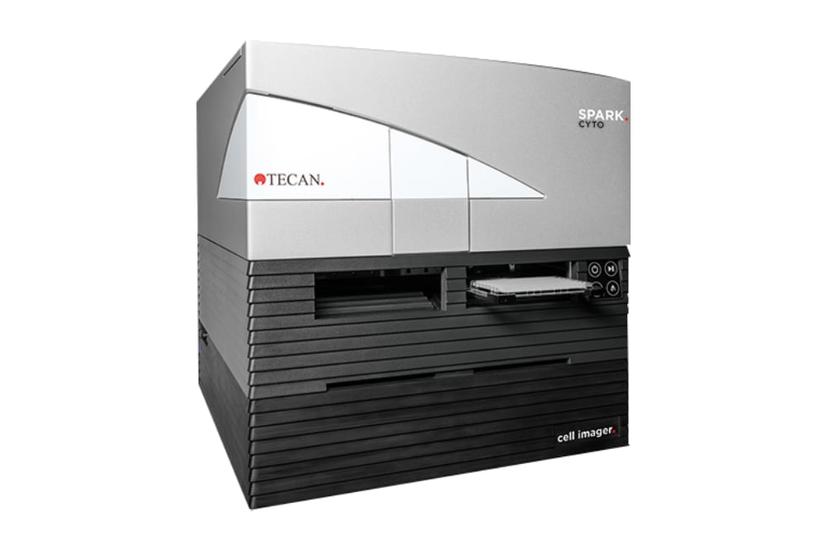
Find out what researchers around the world are saying about the products they use, including Chunyang Lu, of Peking University, who shared thoughts on the Spark® Cyto from Tecan:
“Tecan's Spark® Cyto is very good. It can automatically perform brightfield and fluorescence imaging of the cells in the well plate, and statistically output the results as needed. This greatly saves our time. At the same time, its fluorescence imaging signal is very strong and clear. It is much clearer than the general inverted fluorescence microscope. In addition, it can set temperature and carbon dioxide, and perform real-time detection of cells, making real-time tracking possible.”
Ease of use: 5/5
After sales service: 5/5
Value for money: 5/5
Write a lab product review to help other scientists and clinicians find the best products to accelerate scientific progress >>