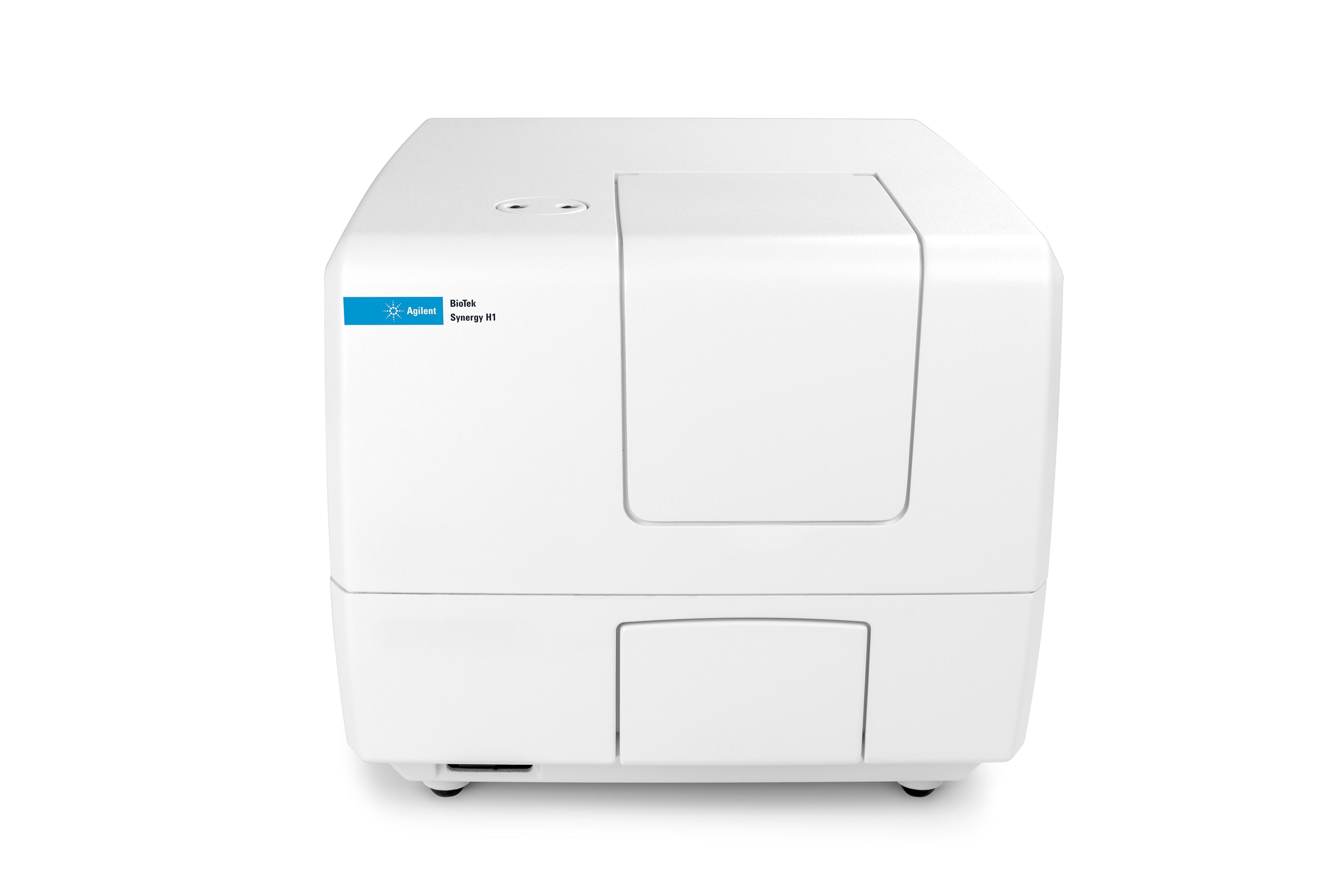
Synergy Neo2 and Synergy H1 now available with expanded temperature control range

Both multi-mode readers feature a modular architecture so that researchers may purchase based on their immediate needs and upgrade the unit

30 Jul 2021

Cameron Smith-Craig
Cameron Smith-Craig
Pharma and Applied Sciences Editor

Product news

Now with temperature control up to 70°C, BioTek’s Synergy Neo2 Hybrid Multi-Mode Reader and Synergy H1 Hybrid Multi-Mode Reader aid in more assay workflows than ever before.

Application flexibility extends to enzyme kinetics, protein stability and aggregation, and projects incorporating loop-mediated isothermal amplification (LAMP) assays.

Synergy Neo2 is equipped with up to four photomultiplier tube (PMT) detectors for ultra-fast microplate processing speeds as well as Hybrid Technology which combines sensitive filter- and versatile monochromator-based detection in one compact unit.

Synergy H1 also takes advantage of Hybrid Technology to expand application versatility. Both instruments offer CO2/O2 control and variable shaking to support live cell assay workflows including long-term kinetic studies. Optional dual syringe injectors are equipped with straight or angled tips that are optimized for rapid inject-and-read assays or gentle cell biology research, respectively.

Both multi-mode readers feature a modular architecture so that researchers may purchase based on their immediate needs and upgrade the unit with additional modes as research requirements evolve. Gen5 Software powers both multi-mode readers and facilitates data analysis for convenience and enhanced productivity. Synergy Neo2 and Synergy H1 are compatible with BioTek’s BioStack Microplate Stacker and BioSpa 8 Automated Incubator and several third-party robotic systems.

BioTek Instruments, a part of Agilent and headquartered in Winooski, VT, USA, is a worldwide leader in the design, manufacture, and distribution of innovative life science instrumentation. Our comprehensive product line includes cell imaging systems, microplate readers, washers, dispensers, automated incubators and stackers. These products enable life science research by providing high performance, cost-effective analysis and quantification of biomolecules, biomolecular interactions and cellular structure and function across diverse applications. BioTek espouses a "Think Possible" approach that sets the tone for fresh ideas, unsurpassed customer service and original innovations.

Want the latest science news straight to your inbox? Become a SelectScience member for free today>>

Agilent BioTek Synergy H1 Multimode Reader

Agilent Technologies

Agilent BioTek Synergy H1 is a modular multi-mode microplate reader, with monochromator-based optics and filter-based optics. The proprietary Hybrid Technology offers flexibility and sensitivity across a broad range of applications. The modular platform allows upgrading to expand functionality as your laboratory workflows change.
(21)

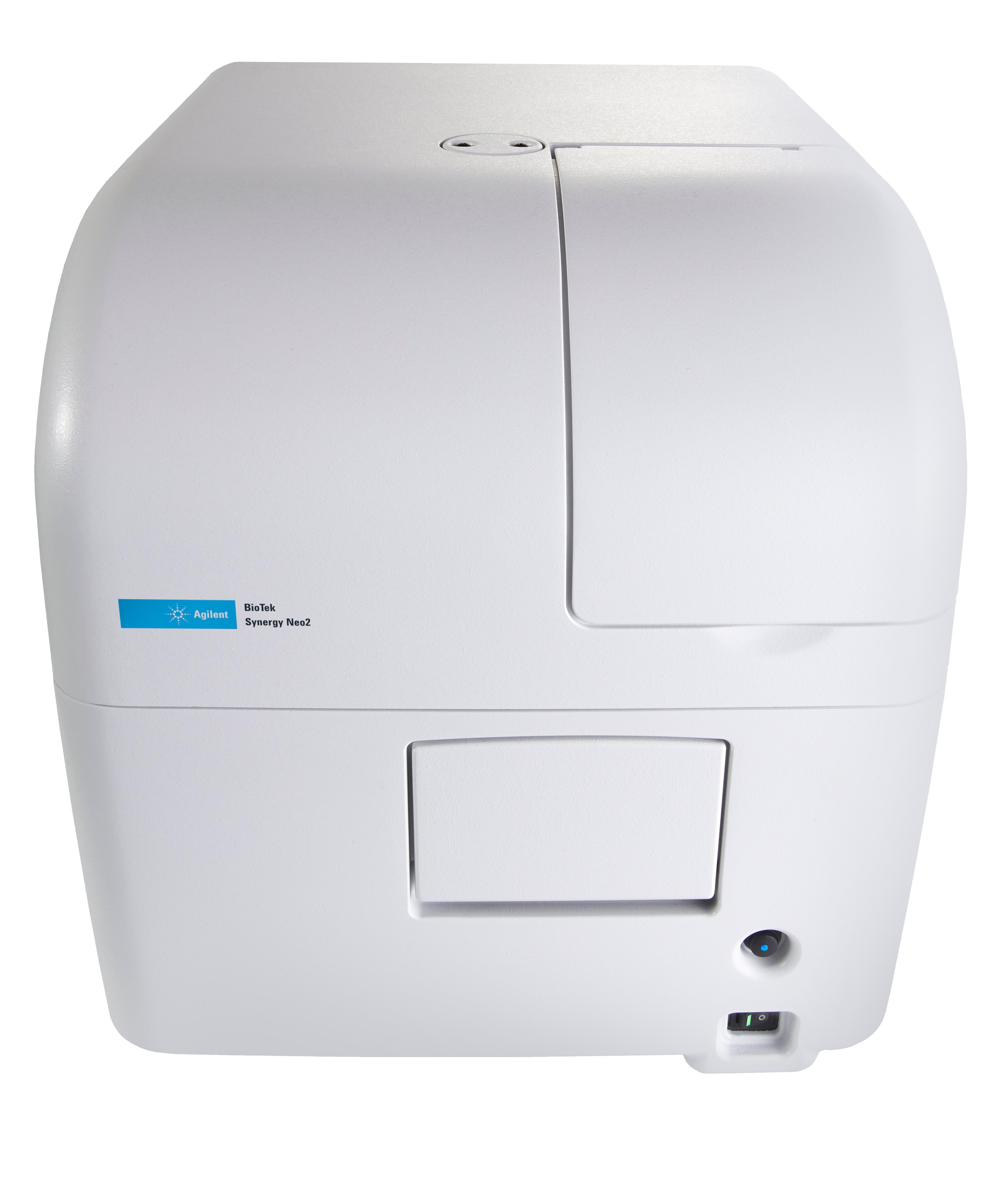
Agilent BioTek Synergy Neo2 Hybrid Multimode Reader

Agilent Technologies

Agilent BioTek Synergy Neo2 multimode microplate reader features proprietary Hybrid Technology, with independent optical paths that ensure excellent performance in all detection modes. Variable bandwidth quad monochromators, sensitive high transmission filter-based optics, laser TRF, and up to 4 PMTs provide ultrafast measurements.

(61)

Links

Tags

Cell / Tissue CultureCell culture or tissue culture is used to study the biology of cells or tissues and to isolate cellular products in an environment which can be manipulated and well defined. Accurately control your culture environment with bioreactors or culture incubators, bind your cells to a surface or together with an extracellular matrix. Distinguish cell types with differential media or proliferate cells with certain characteristics using selective media. Enrich your media with supplements such as growth factors, sera and vitamins. Find the best cell and tissue culture products, kits and equipment in our peer-reviewed product directory: compare products, check customer reviews and receive pricing direct from manufacturers.MicroplatesMicroplates are multi-well plates used to increase the throughput of biological investigations. The number of wells microplates contain can range from 6 to 3243 wells, with the 96-well format being the most commonly used. Microplates can come tailored for a range of applications including cell culture, PCR, filtration, storage, non-binding surface, protein crystallization, as well as pre-coated, deep well and normal Standard microplates. Additionally, options for microplate colors include clear , black, white or black with clear bottom and white with clear bottom for absorbance microplate reader applications. Find the best microplates for your lab in our peer-reviewed product directory: compare products, check customer reviews and receive pricing direct from manufacturers.Microplate Readers / DetectorsMicroplate readers are used to automate the detection and analysis of labeled or label-free components in microplates during assays or live-cell monitoring. Microplate readers are generally distinguished by their mode of detection. Types include absorbance, luminescence, fluorescence intensity, fluorescence polarization, TRF / FRET and multimode microplate readers. Microplate readers deliver a high throughput of samples by reading multiple wells simultaneously, with the 96-well format the most commonly used. As a result, microplate readers are often used in the drug discovery, bioassays, research and pharmaceutical industries for screening applications. Microplate loading can also be automated, with robotic microplate stackers to increase throughput. Find the best microplate readers in our peer-reviewed product directory: compare products, check customer reviews and receive pricing direct from manufacturers.Plate ProcessingAutomated plate processing is used in microplate technologies for high-throughput, speed and efficiency. Plate processing systems include microplate handlers for moving plates, heat sealers, stackers and carousels for storage, retrieval and delivery, microplate washers and piercers. Useful features of plate processors include walk-away automation, compatibility and easy integration with microplate systems.Microplate Reader SoftwareLive Cell ImagingLive cell imaging is the study of living cells using microscopes and high-content imaging systems. This technique provides in-depth insight into fast and complex biological processes, by allowing dynamic imaging of living cells instead of acquiring an individual image at a single point in time.Cell Based AssaysCell-based assays use living cells to measure biological responses to various treatments or stimuli. They are essential for drug discovery, toxicology testing, and understanding cellular mechanisms. These assays are used to assess cell viability, proliferation, gene expression, and other cellular activities. Browse our peer-reviewed product directory to find the best cell-based assay tools and reagents, compare products, read customer reviews, and get pricing directly from manufacturers.