
Synergy and Cytation Readers Validated for Agilent MitoXpress and pH-Xtra Assays
25 Jun 2019Product news
BioTek is pleased to announce that its Synergy™ H1 and Synergy Neo2 Hybrid Multi-Mode Readers and its Cytation™ 1 and Cytation 5 Cell Imaging Multi-Mode Readers are validated for use with the MitoXpress and pH-Xtra Assays from Agilent Technologies. The assays may be used alone or combined to measure metabolism in live cells. Instructional Applications Bulletins are available for each multi-mode reader detailing the specific parameters for optimized TRF performance with MitoXpress Xtra Oxygen Consumption, MitoXpress Intracellular Oxygen and pH-Xtra Glycolysis products.
To date, BioTek’s Cytation 1 and Cytation 5 are the only automated imagers approved for Agilent Seahorse XF data normalization; generating reliable cell counts for improved assay reproducibility and more meaningful biological connections between cell seeding conditions and XF data. Cytation instruments combine automated digital microscopy with filter- and monochromator-based reading for a wide variety of quantitative and qualitative measurements in cell-based assays and more. Advanced Synergy Neo2 and basic Synergy H1 Hybrid Multi-Mode Readers offer highly flexible microplate-based detection through combined filter- and monochromator-based reading.
Do you use BioTek Instruments' products in your lab? Write a review today for your chance to win a $400 Amazon gift card>>
Related products
Request Quote for All Products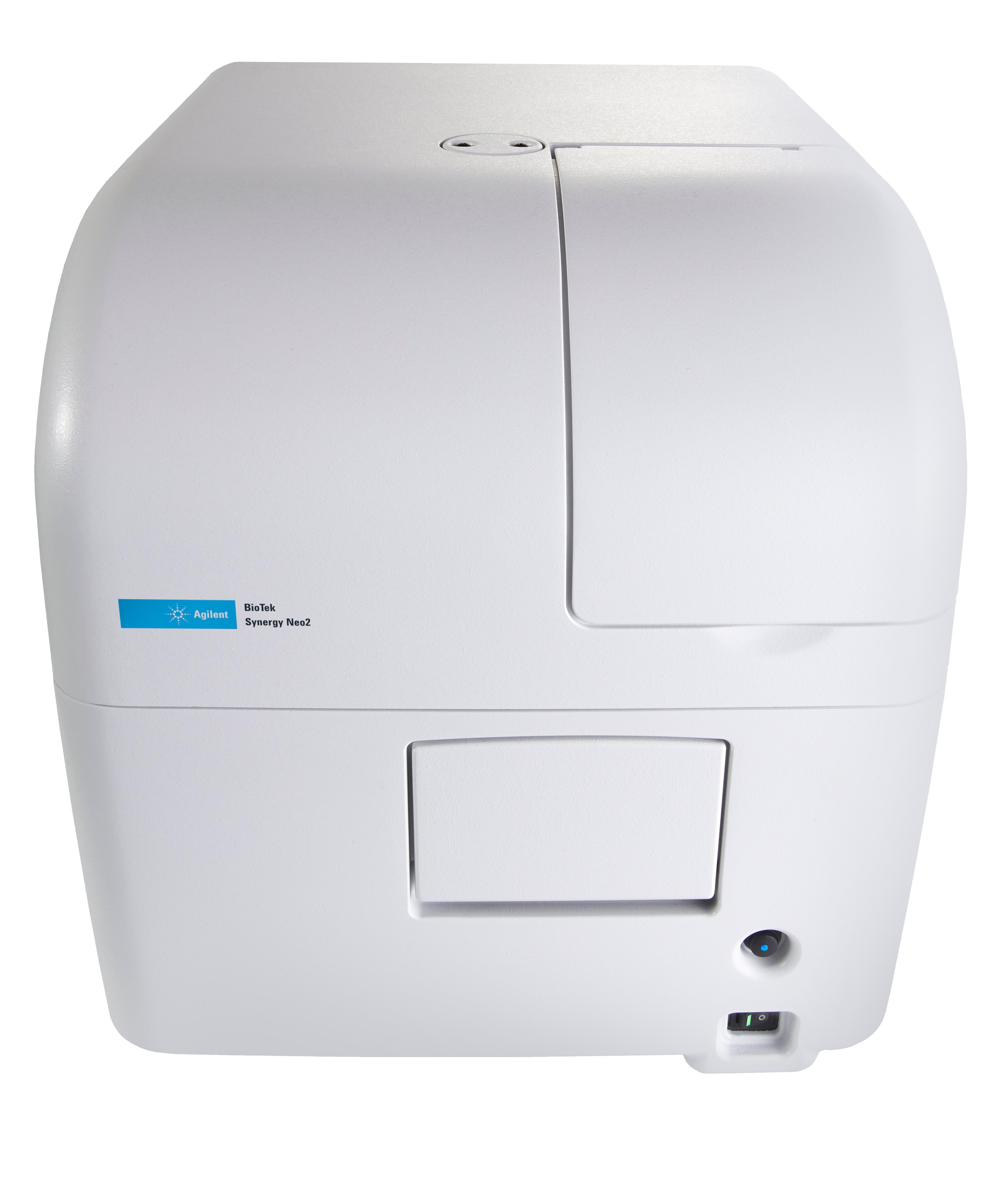
Agilent BioTek Synergy Neo2 Hybrid Multimode Reader
Agilent TechnologiesAgilent BioTek Synergy Neo2 multimode microplate reader features proprietary Hybrid Technology, with independent optical paths that ensure excellent performance in all detection modes. Variable bandwidth quad monochromators, sensitive high transmission filter-based optics, laser TRF, and up to 4 PMTs provide ultrafast measurements.

Agilent BioTek Cytation 1 Cell Imaging Multimode Reader
Agilent TechnologiesCell Imaging Multi-Mode Reader
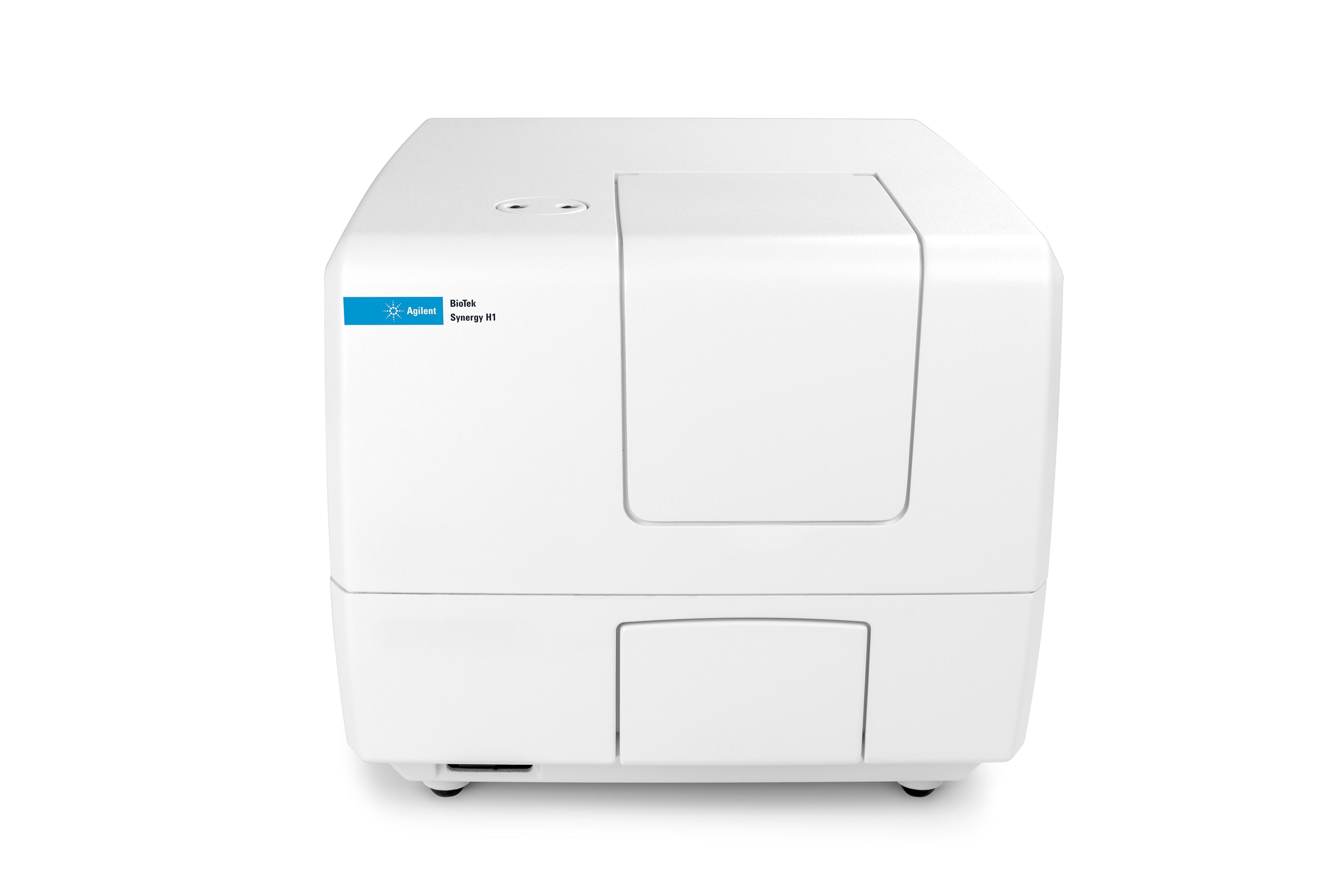
Agilent BioTek Synergy H1 Multimode Reader
Agilent TechnologiesAgilent BioTek Synergy H1 is a modular multi-mode microplate reader, with monochromator-based optics and filter-based optics. The proprietary Hybrid Technology offers flexibility and sensitivity across a broad range of applications. The modular platform allows upgrading to expand functionality as your laboratory workflows change.