SLAS Europe 2019: the new technologies changing the future of drug discovery

Solutions for automation, assay development, high-throughput screening, imaging and more

4 Aug 2019

Sarah Thomas
Associate Editor

Editorial article

The SLAS Europe conference and exhibition, now in its second year, proved a hit for scientists working in life sciences and drug discovery, with an array of innovative technologies and methods for laboratory automation and screening displayed and discussed. The Barcelona meeting presented the latest offering in automation and high-throughput screening (HTS) to streamline the workflows of the discovery industry.

Here, we look at some of the key technologies and research highlighted during the conference, plus we hear from SLAS CEO, Vicki Loise on the success of this year’s meeting.

Scientists discuss latest technologies and techniques advancing discovery workflows
Protein:protein interactions: automation assisted development of an HTS assay at Merck Healthcare KGaA

Dr. Nina Grossman, Merck Healthcare KGaA, describes the development of a homogeneous time-resolved fluorescence (HTRF) assay for the detection of protein:protein interactions on the dragonfly® discovery liquid dispenser from TTP Labtech. Hear how the dispenser provides a fast, precise, reproducible solution for liquid handling. Watch the presentation>>

Plus watch the interview with Dr. Anne Hammerstein, product manager for dragonfly® discovery at TTP Labtech, to learn more about the latest developments in the liquid handler

Live-cell analysis: meeting the needs of high-throughput screening

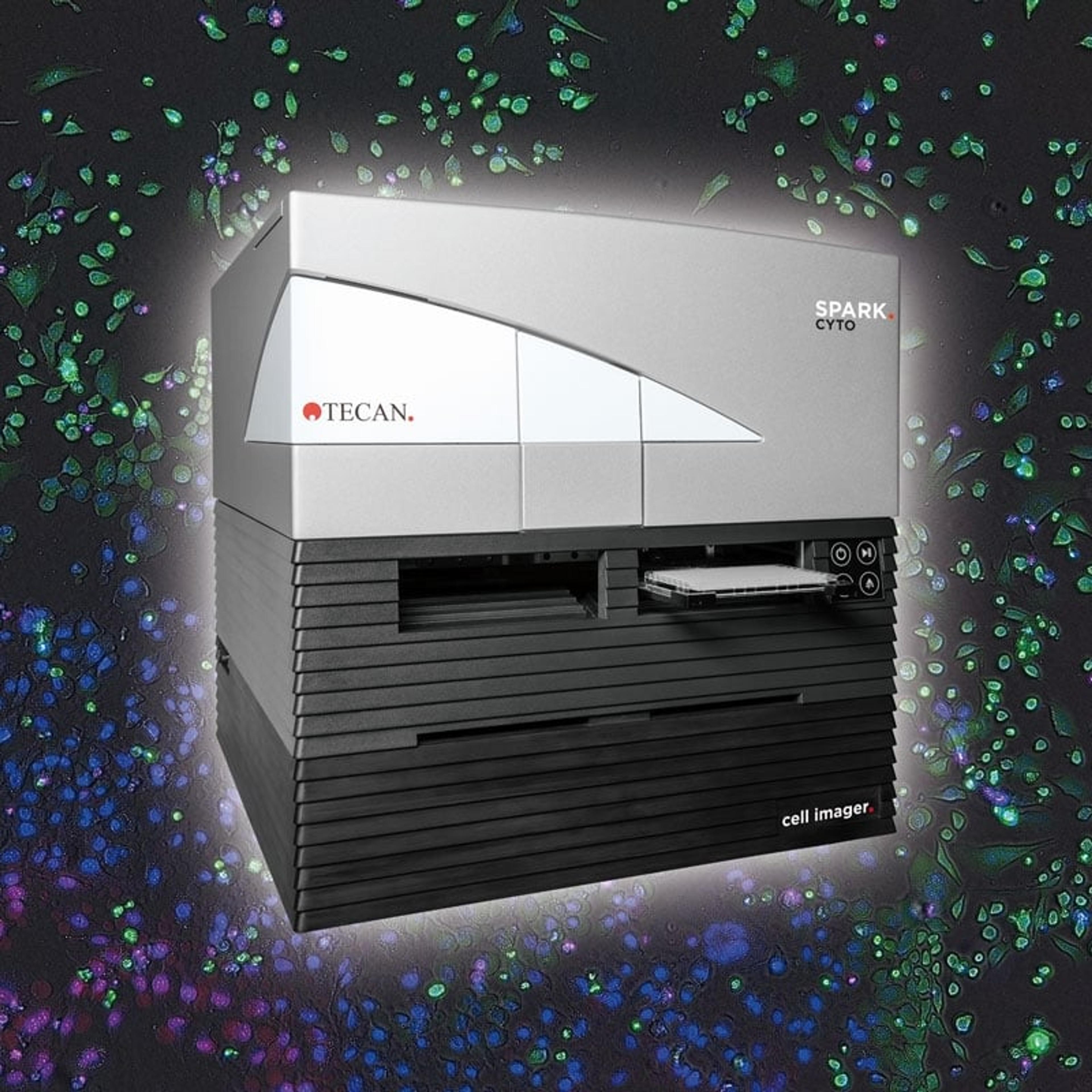
Dr. Jens Peter von Kries, Head of the Screening Unit, Leibniz-Forschungsinstitut für Molekulare Pharmakologie (FMP), discusses trends in the high-throughput experiments he works on for academic projects from around the world, and how the Tecan Spark® Cyto plate reader will help meet the needs of the most demanding long-term live-cell assays. Watch the interview>>

Assay development at Servier: integrated plate readers streamline assay optimization and fast kinetic assay monitoring

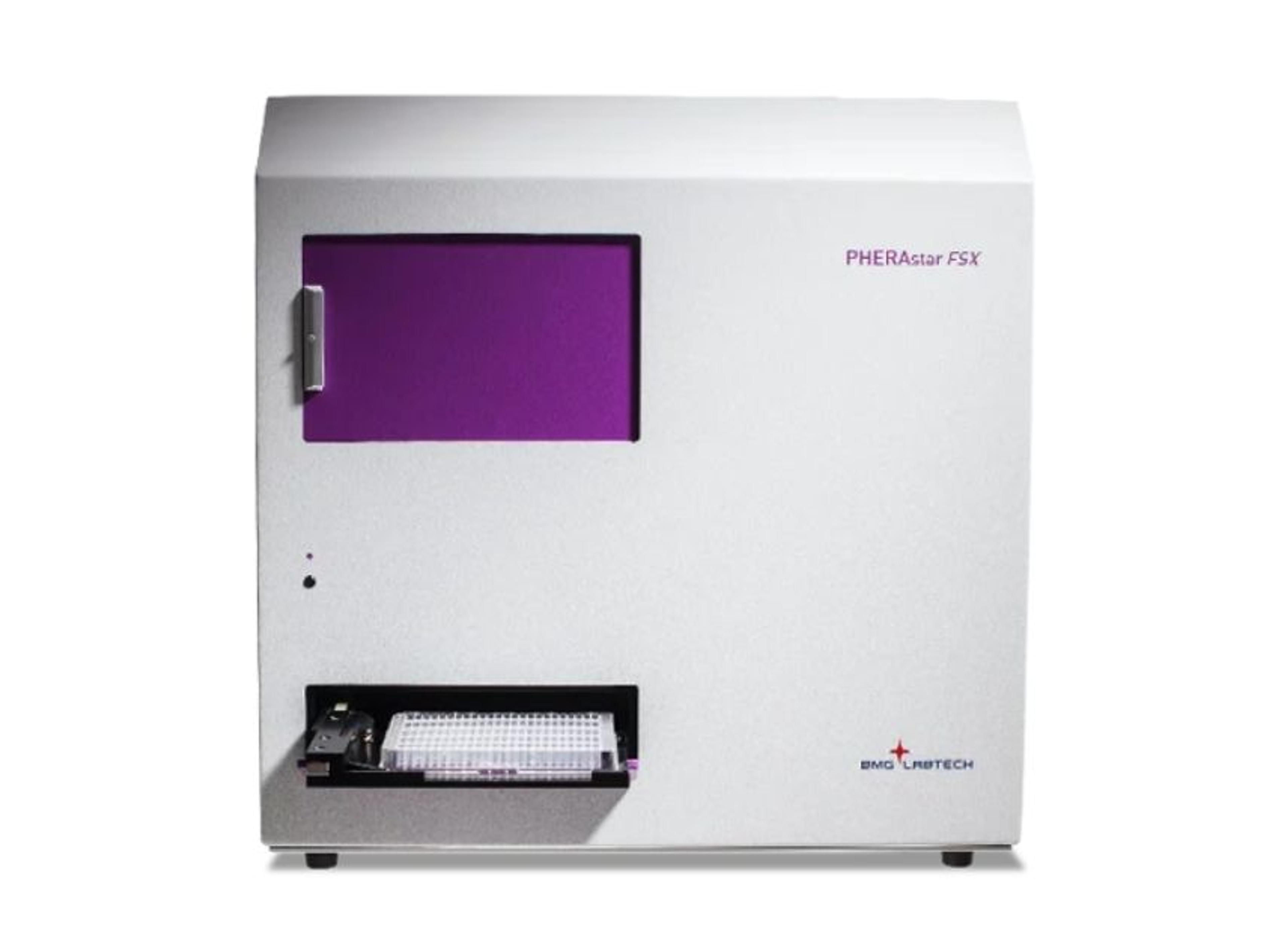
Dr. Céline Legros, project manager for screening assay development at Servier, outlines the BMG Labtech microplate reader technology, including the PHERAstar® FSX, incorporated into her lab's day-to-day automation and screening platforms, including its use in three different assay applications: HTRF miniaturization, quench assay miniaturization, and fast kinetics assay monitoring. Watch the presentation>>
Angiogenesis research: high-content imaging systems help unlock the full potential of 3D tissue models

Dr. Bas Trietsch, CTO, MIMETAS, introduces a new solution for the study of angiogenesis; the OrganoPlate® Graft, an in vitro cell culture microplate platform that allows vascularization of 3D tissues. Hear how Molecular Devices’ ImageXpress® Micro Confocal High-Content Imaging System plays a vital role in the development and analysis of these 3D tissue models. Watch the interview>>

Launched at SLAS Europe 2019
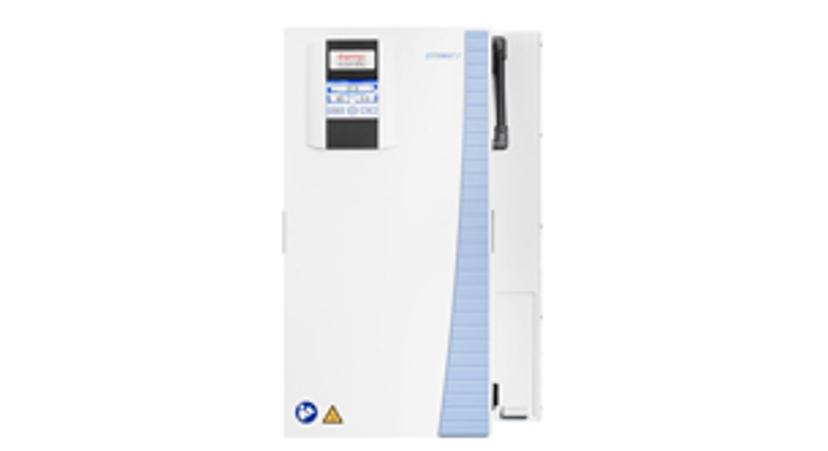
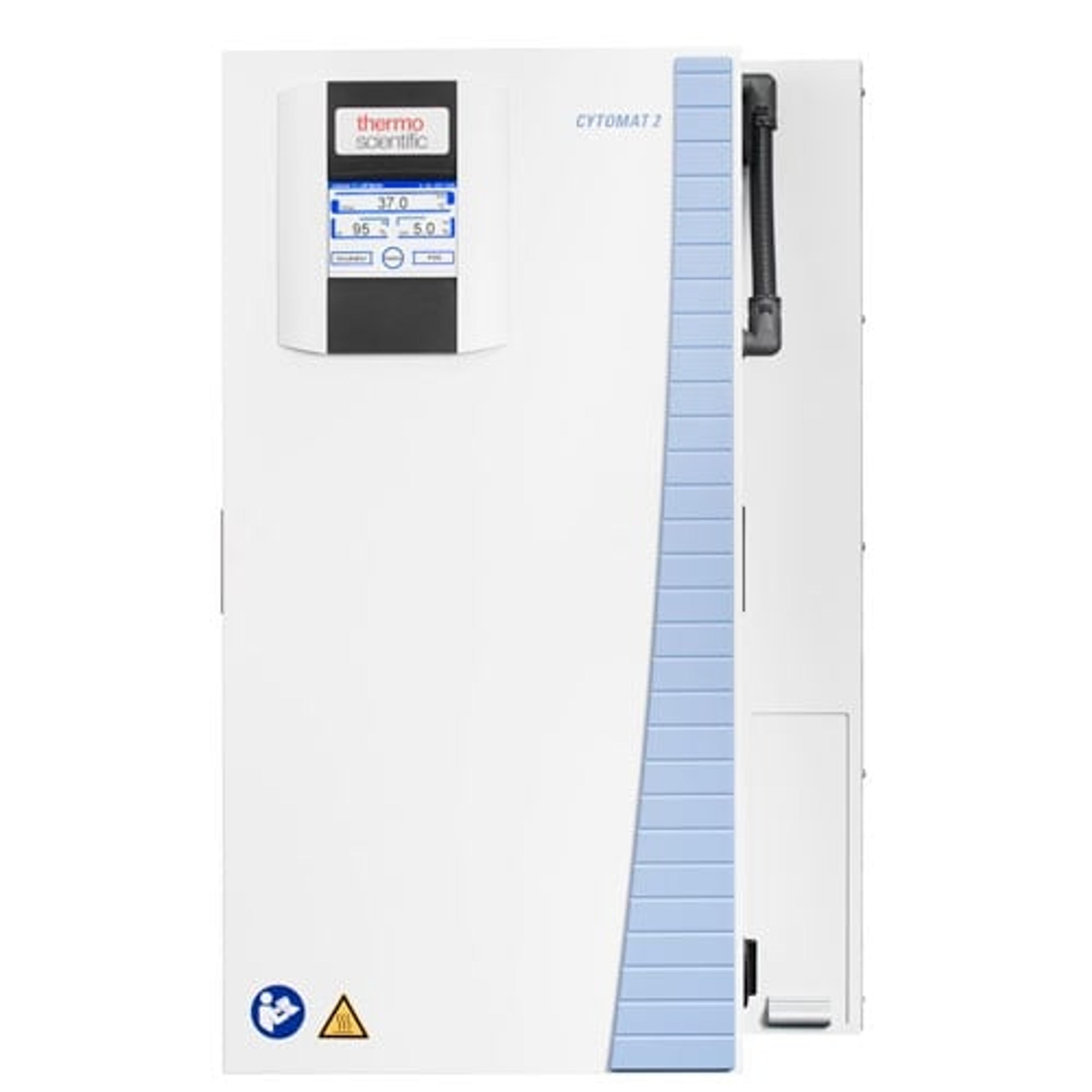
New automated incubators: streamline microplate cell culture with Thermo Fisher Scientific’s latest incubators

Hear how the features of the new Thermo Scientific™ Cytomat 2 C-LiN Series Automated Incubator can enhance your cell culture workflow to support the growth and maintenance of stem, primary, immortalized and organoid cell lines. Watch the interview to learn more>>

Introducing the Tecan Spark® Cyto: discover new possibilities for call-based assays

Another new technology launched during the conference was the Tecan Spark® Cyto multi-mode plate reader with fluorescence imaging and real-time cytometry capabilities. Hear how the system can save you time and samples and standardize procedures for long-term live-cell kinetic experiments to help you gain a better understanding of the complex processes within cell biology. Watch the interview to learn more>>

What to look out for from SLAS

SLAS CEO, Vicki Loise, reflects on the success of the society’s 2019 European event

Vicki Loise shares highlights from SLAS Europe 2019, the Society for Laboratory Automation’s (SLAS) conference for the European life sciences discovery and technology community, including interactive sessions and networking opportunities, as well as the newly launched SLAS CONNECTED, an online networking community for scientists. Watch the interview>>

Focusing on artificial intelligence: innovating the analysis of complex phenotypic data

Oren Kraus, Co-Founder of Phenomic AI, and speaker at the upcoming 2019 SLAS AI in Process Automation symposium, discusses the growing importance of artificial intelligence (AI) and deep learning in the analysis of the complex data gained from phenotypic screening. Watch the interview>>

Discover more from the conference on our dedicated SLAS Europe 2019 special feature page.
Links

Tags

Sample PreparationSample preparation can improve the quality and speed of separation techniques. Products to assist sample preparation include filtration equipment, evaporators, membranes and sieves.Cell / Tissue CultureCell culture or tissue culture is used to study the biology of cells or tissues and to isolate cellular products in an environment which can be manipulated and well defined. Accurately control your culture environment with bioreactors or culture incubators, bind your cells to a surface or together with an extracellular matrix. Distinguish cell types with differential media or proliferate cells with certain characteristics using selective media. Enrich your media with supplements such as growth factors, sera and vitamins. Find the best cell and tissue culture products, kits and equipment in our peer-reviewed product directory: compare products, check customer reviews and receive pricing direct from manufacturers.MicroplatesMicroplates are multi-well plates used to increase the throughput of biological investigations. The number of wells microplates contain can range from 6 to 3243 wells, with the 96-well format being the most commonly used. Microplates can come tailored for a range of applications including cell culture, PCR, filtration, storage, non-binding surface, protein crystallization, as well as pre-coated, deep well and normal Standard microplates. Additionally, options for microplate colors include clear , black, white or black with clear bottom and white with clear bottom for absorbance microplate reader applications. Find the best microplates for your lab in our peer-reviewed product directory: compare products, check customer reviews and receive pricing direct from manufacturers.High-Throughput ScreeningHigh-throughput screening (HTS) is an automated drug discovery technique for identification of active compounds against a compound library. Use HTS readers and integrated assay preparation / analysis workstations to screen your compounds. Identify active compounds against various HTS libraries, including membranes, proteins and peptides and HTS cell lines. Find the best high-throughput screening products in our peer-reviewed product directory: compare products, check customer reviews and receive pricing direct from manufacturers.Cell Lines Stem Cells and Primary CellsPrimary cell cultures, established cell lines and stem cells are vital for <i>in vitro</i> and <i>ex vivo</i> experimentation. High-quality cells, optimized for your applications, alongside optimized cell substrates, growth medium and supplements, are critical for experimental success. Explore a range of cells suitable for your applications, including isogenic cell lines, competent cells, induced pluripotent stem cell (iPSC)-derived cell lines, fungal/bacterial/mammalian cell lines, stem cells and cancer cell lines. Find the best cells for your research in our peer-reviewed product directory: compare products, check customer reviews and receive pricing direct from manufacturers.Microplate Readers / DetectorsMicroplate readers are used to automate the detection and analysis of labeled or label-free components in microplates during assays or live-cell monitoring. Microplate readers are generally distinguished by their mode of detection. Types include absorbance, luminescence, fluorescence intensity, fluorescence polarization, TRF / FRET and multimode microplate readers. Microplate readers deliver a high throughput of samples by reading multiple wells simultaneously, with the 96-well format the most commonly used. As a result, microplate readers are often used in the drug discovery, bioassays, research and pharmaceutical industries for screening applications. Microplate loading can also be automated, with robotic microplate stackers to increase throughput. Find the best microplate readers in our peer-reviewed product directory: compare products, check customer reviews and receive pricing direct from manufacturers.Sample ManagementSample management systems include sample storage devices such as freezers and plate storers, sample environment enclosures and sample organization, retrieval and sorter systems. Useful system features include high-throughput, automation, robotic arms, automated liquid handling and associated database systems. Accessories in sample management include barcode scanners, heat sealers and tubes.Cell-Based AssaysCell-based assays are used to monitor the presence, quantity and activities of a desired cellular analyte including drug molecules or biomarkers. This can reveal information on cell health (apoptosis, cytotoxicity, viability and proliferation assays), cell metabolism, cell migration and cell signaling mechanisms. Find the best cell-based assay products, kits and equipment with our peer reviewed product directory: compare products, check customer reviews and receiving pricing direct from manufacturers.High-Content ScreeningHigh-content screening (HCS), also known as high-content analysis (HCA), is a high-throughput technique used in drug discovery to identify substances that alter the phenotype of cells. HCS uses fluorescent microscopic imaging and automated image analysis to investigate cellular events such as apoptosis, cell viability, GPCR activation, oxide production, neurite outgrowth, and cell signaling. Find the best fluorescent labeling reagents, cellular assays, and high-content imaging systems in our peer-reviewed product directory: compare products, check customer reviews and receive pricing direct from manufacturers.RNA InterferenceRNA interference (RNAi) uses siRNA or miRNA for transcriptional silencing, gene knockdown and regulation of gene expression. RNAi requires chemical synthesis, introduction of DNA vectors into cells, an assay of RNAi effects and RNAi quantification or analysis. Consider target sequence selection, reagent preparation, controls, high specificity and effectiveness and low non-specific gene knockdown.Robotic InstrumentsRobotic instruments can be used for high-throughput automation of many lab processes. Such processes use instruments for assays like cell based assays and ELISA, for sample preparation like shakers, centrifuges and incubators, and for analysis such as sequencing and western blot analyzers. Useful features of robotic instruments include speed, reproducibility, barcode readers, software and automation.Robotic WorkstationsRobotic workstations are automated platforms enabling the user to perform high-throughput, multi-application processes, from sample preparation tasks such as PCR set-up, DNA purification and NGS library preparation, to integrated sample prep and analysis workstations. Automation makes processes consistent, fast, precise and fully walk-away. Find the best robotic workstations in our peer-reviewed product directory: compare products, check customer reviews and receive pricing direct from manufacturers.Automation Supplies / AccessoriesAutomated accessories and consumables make lab processes fast, efficient and reliable. Useful automation accessories include microplate sealers, label printers and reagent reservoirs.Plate ProcessingAutomated plate processing is used in microplate technologies for high-throughput, speed and efficiency. Plate processing systems include microplate handlers for moving plates, heat sealers, stackers and carousels for storage, retrieval and delivery, microplate washers and piercers. Useful features of plate processors include walk-away automation, compatibility and easy integration with microplate systems.Automated Liquid HandlingAutomated liquid handling equipment is used to mix, dilute and dispense allotted volumes of liquid into microplates and other vessels automatically. The robotic, liquid handling arms can dispense from single channel to 3456 multichannel as well as operate nanoliter dispensing, enabling high throughput of samples. Find the best automated liquid handlers in our peer-reviewed product directory: compare products, check customer reviews and receive pricing direct from manufacturers.