Sartorius announces new application: Combined live-cell and flow cytometry analysis of immune cell killing

19 Sept 2019
Edward Carter
Publishing / Media

Product news

The application helps scientists to discover the processes of the immune system and interactions at a cellular level is central to identifying and validating new targets and cellular therapy approaches.

Flow cytometry has been used extensively to study immune cells, yielding information regarding cellular subtypes, activation status and viability using expression profiles and cell health markers. In recent years, live-cell analysis has become an established method by which temporal and spatial information can be gained from the interactions and resultant killing of tumor cells.

Combining the benefits of advanced high throughput flow cytometry and live cell analysis offers the potential to gain additional insights into the mechanisms of immune cell killing. This application note highlights these key advantages:

  • Combined subset and cytokine analysis with spatial and morphological quantification
  • Kinetic cytokine measurements using non-perturbing low volume supernatant sampling maximising sample usage with minimal manipulation
  • Additional biological insight providing a greater depth of physiological understanding
  • Easy to use, mix-and-read assays using Intellicyt-IncuCyte compatible reagents
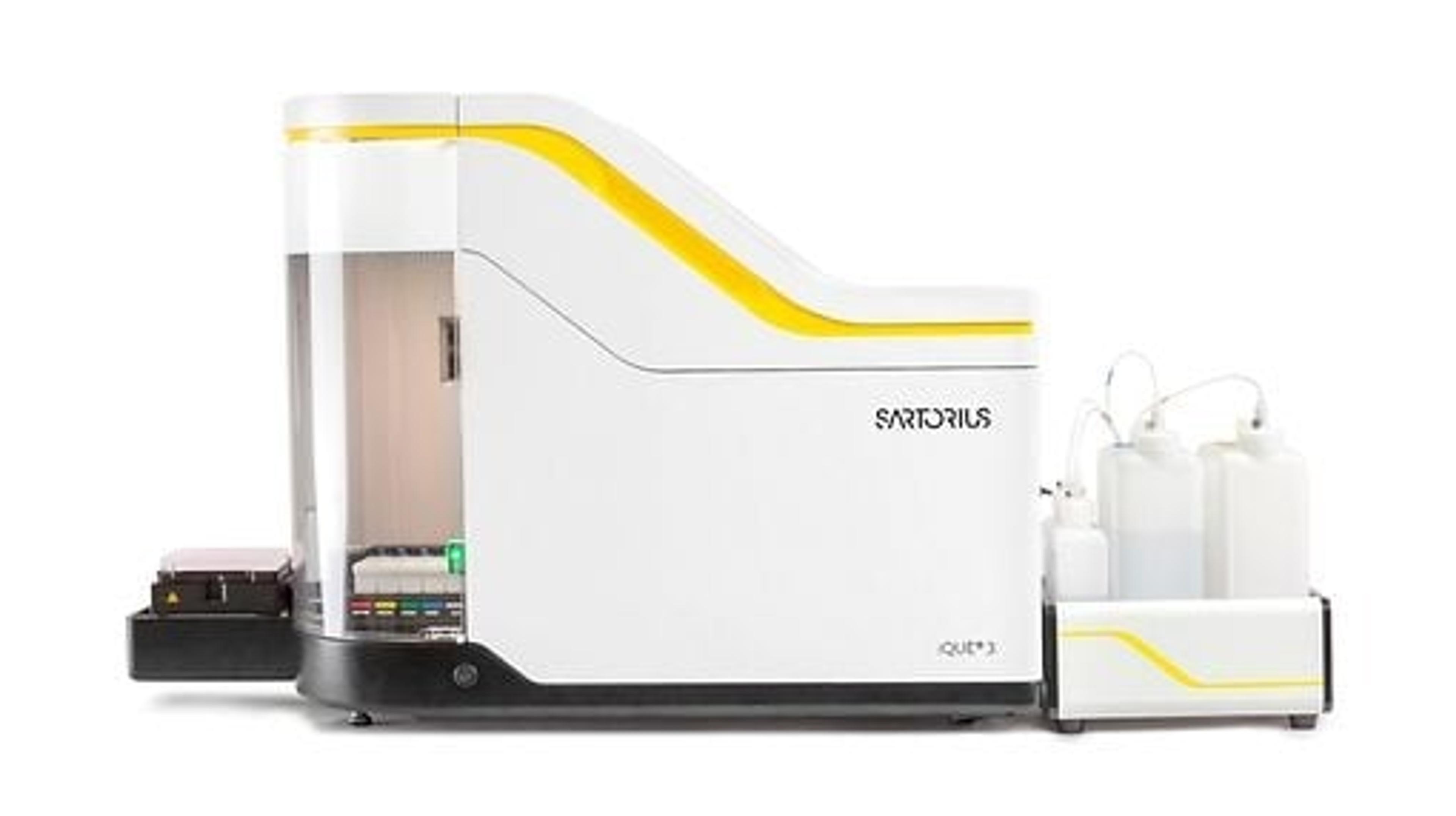
Download the application note exclusively here >>

Links

Tags

Cell / Tissue CultureCell culture or tissue culture is used to study the biology of cells or tissues and to isolate cellular products in an environment which can be manipulated and well defined. Accurately control your culture environment with bioreactors or culture incubators, bind your cells to a surface or together with an extracellular matrix. Distinguish cell types with differential media or proliferate cells with certain characteristics using selective media. Enrich your media with supplements such as growth factors, sera and vitamins. Find the best cell and tissue culture products, kits and equipment in our peer-reviewed product directory: compare products, check customer reviews and receive pricing direct from manufacturers.Data AnalysisData analysis hardware and software is available to make data processing straight-forward yet powerful. Data software can be used for math and stats, technical graphing and image analysis. In addition, software is available for specific data analysis of electrophoresis, densitometry, ELISA and DNA sequencing.Flow Cytometry / Cell CountingFlow cytometers are used to count, sort and examine multiple characteristics of cells. Other cell analysis equipment includes image cytometers, cell counters, fluorescence-activated cell sorters (FACS), magnetic-activated cell sorters (MACS), and a range of flow cytometry assay kits. Flow cytometers can reveal information on cell viability, cell proliferation, apoptosis and cell cycle progression, as well as identify cell populations and intracellular or cell-surface molecules. Additionally, some flow cytometers, known as FACS, have an additional sorting function after analysis. Cell counters and image cytometers count live and dead cell populations and can also conduct cell proliferation assays. Find the best flow cytometers, cell counters and cell sorters in our peer-reviewed product directory: compare products, check customer reviews and receive pricing direct from manufacturers.HematologyIn Haematology / Hematology, complete blood cell counts (or full blood counts) are obtained using automated blood count analyzers to enumerate blood cell types.  Hematology also encompasses haemostasis and coagulation, thrombophilia and hemophilia, plasma viscosity and ESR analysis, hemoglobinopathies, cell morphology and haematinic measurement.ImmunologyImmunological techniques measure and characterize immune responses. Immunology kits and analysis systems often use techniques such as ELISA, radioimmunoassay (RIA) and immunodiffusion assays, Immunohistochemistry, and flow cytometry. Immunologists use equipment such as flow Cytometers, plate readers, plate washers and fluorescent microscopes.Cellular PathologyCellular Pathology deals with the microscopic analysis of tissue samples and cells. Sample preparation and processing includes fixation, staining, sectioning and slide mounting, using equipment such microtomes and cryostats. In choosing immunohistochemistry and immunocytochemistry kits, consider chromogens, staining method, antibodies, microscopes and imaging.Data AnalysisThe analysis of data is the process of transforming, modeling and evaluating data to discover useful information from experimental results. Flow Cytometry
Sartorius announces new application: Combined live-cell and flow cytometry analysis of immune cell killing