Sample preparation and chromatography considerations in routine and advanced PFAS LC-MS/MS workflows

Understanding particle morphology and column chemistry contributions for HPLC and UHPLC analyses of PFAS

13 Oct 2019

Finn Price
Administrator / Office Personnel

Expert insights

Per- and polyfluorinated alkyl substances, or PFAS, are commonly used in surfactants and cleaning products, plastic packaging and are also used in a number of industrial processes. These are also persistent environmental pollutants that can accumulate over time in the human body leading to adverse health effects.

While PFAS continue to persist throughout the environment, there is additional interest is in expanding analyses for these compounds to include short chains, branched isomers, and newer GEN-X mixtures. As well as addressing the challenges of analyzing trace levels of these ubiquitous compounds, Scott Krepich, Global Industry Manager, Food and Environmental Testing at Phenomenex, covers a number of extraction solutions from more complicated matrices, including solid sediments and food samples.

In this webinar, now available on demand, Krepich reviews how column chemistry can help improve retention of the shorter acids, while maintaining selectivity throughout the aliphatic range, along with some branched isomers and new novel GEN-X related compounds. Sample preparation and chromatography considerations during both routine and advanced LC-MS/MS workflows for trace level contaminants including PFAS and GEN-X compounds are also explored.

Scott Krepich
Scott Krepich has over 20 years of chromatography experience and is an expert in practical HPLC method development. After studying biochemistry at the University of Illinois at Urbana-Champaign, he worked as an HPLC and GC method development Senior Scientist before joining Phenomenex in 2006

Read on for highlights from the webinar Q&A session or register to watch the full webinar on demand.

Watch Webinar Now

Q: Is the Luna Omega PS C18 column stable at basic pHs?

SK: No, it is only pH stable from 1.5 to 7.5. Basic pH workflows aren't all that common in the mobile phase for PFAS analyses. It is no problem if you're injecting a small amount of sample volume (less than 50 microliters). If you are injecting a large volume (>100 microliters) alkaline sample or running with a basic pH mobile phase, then I recommend our pH stable Gemini C18 or Kinetex EVO C18 chemistries that are stable from pH 1-12.

Q: What are the detection limits for PFOA and PFOS in drinking water?

SK: In the U.S., this is determined state by state. In California, they were just reduced to 12 PPT and 13 PPT respectively, but all the other requirements are readily available at epa.gov.

Find out more on this topic by watching the full webinar on demand>>

SelectScience runs 3-4 webinars a month across various scientific topics, discover more of our upcoming webinars>>

Luna Omega PS C18

Phenomenex Inc

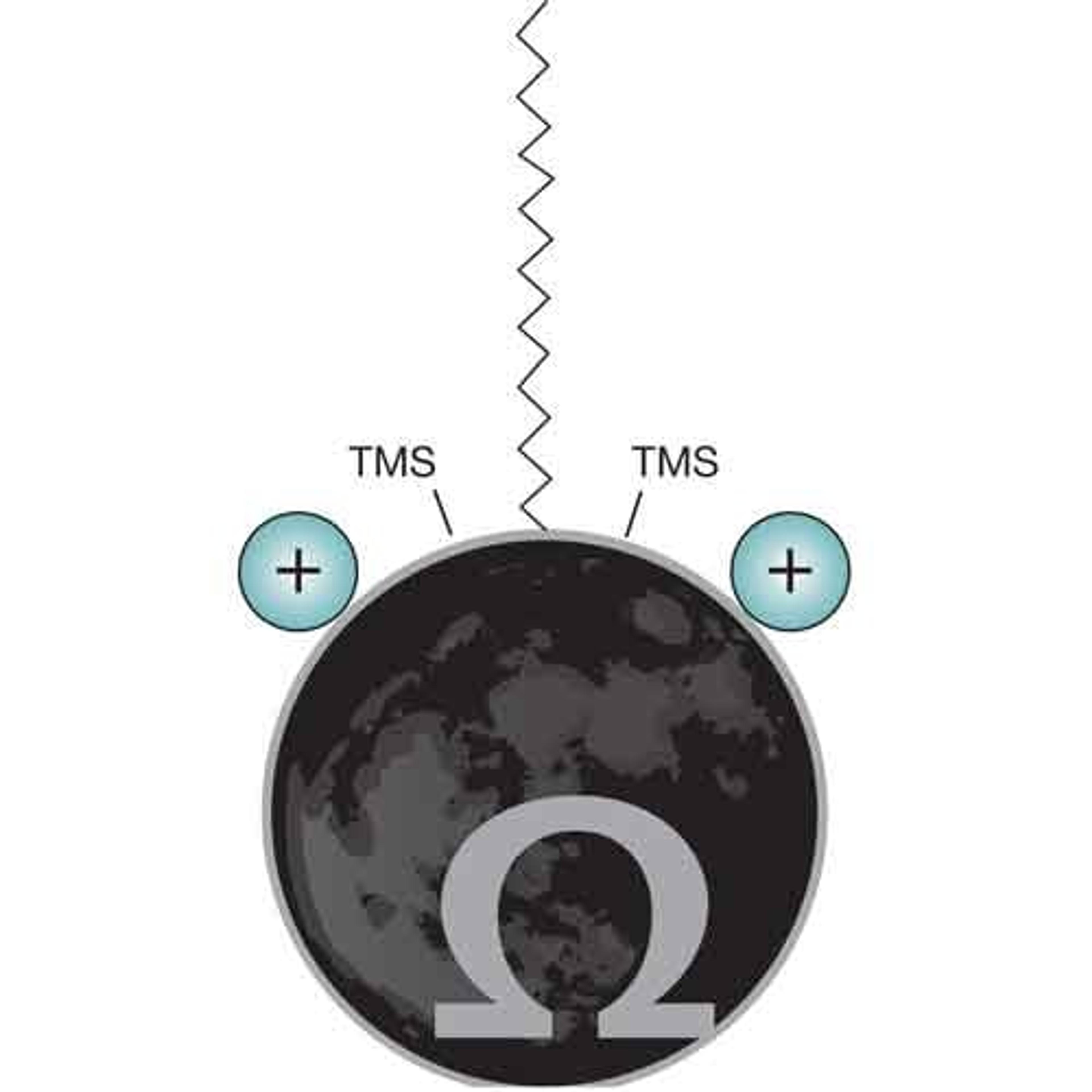
Unique, 100 % aqueous stable mixed-mode phase that provides both polar and non-polar retention. The surface contains a positive charged ligand which aids in the retention of acidic compounds through ionic interactions, while the C18 ligand promotes general reversed phase retention. The positively charged surface also improves basic compound peaks shape through ionic repulsion. Available in: 1.6µm, 3µm, and 5µm
(0)

Gemini pH Flexible LC Columns

Phenomenex Inc

Setting the Standard for pH Method DevelopmentRugged reversed phase HPLC columns that offer extended lifetime under extreme pH conditions and excellent stability for reproducible, high efficiency separations. Take full advantage of high and low pH conditions (pH 1-12) to manipulate selectivity Expect longer column lifetime with patented TWIN-NX™ technology Ideal for analytical and preparative separations of basic and acidic compounds Who needs Phenomenex's Gemini HPLC columns? Method Developers: Extreme pH method flexibility Reproducible performance Purification Chemists: Purify bases at high pH Increased loading Increased retention Increased resolution Lab Managers: Extended column lifetime Consistent results.

(12)

Links

Tags

LC-MSLC-MS (liquid chromatography-mass spectrometry) systems and equipment are used for separation and quantitative analysis of complex mixtures, combining liquid chromatography and mass spectrometry. Quantify proteins, contaminants, pesticides or screen for drug metabolites with a high level of sensitivity. LC-MS systems and equipment include reverse phase, normal phase and specialized columns integrated with various MS detectors such as time-of-flight (TOF), quadrupole, orbitrap or ion trap mass analyzers. LC-MS/MS instruments equipped with a qTOF or triple quadrupole analyzer give greater sensitivity and resolving power to your analysis. Find the best LC-MS equipment in our peer-reviewed product directory: compare products, check customer reviews and receive pricing direct from manufacturers.Mass SpectrometryMass spectrometry (MS) is a powerful analytical technique used to identify and quantify molecules based on the mass-to-charge ratio of gas-phase ions. It provides detailed information about the structure, composition, and properties of compounds and is widely used across fields such as environmental monitoring, materials science, drug discovery and development, food and beverage testing, and wider chemical research. Key MS techniques include tandem mass spectrometry (MS/MS), liquid chromatography–mass spectrometry (LS-MS) and inductively coupled plasma (ICP-MS). Choosing from these wide range of techniques and technologies can be a daunting task, so keep up to date with scientific applications, performance expectations, and customer reviews here all in one place. Visit our product directory to receive quotes direct from the manufacturer. UHPLC and HPLCHigh performance liquid chromatography (HPLC) and ultra high performance liquid chromatography (UHPLC), also known as UPLC, are analytical techniques used to separate, identify and quantitate components of complex mixtures including biological samples such as proteins and lipids as well as chemical mixtures of pesticides, drugs and oils. Both techniques are liquid chromatographic methods but differ by operating pressures (HPLC < 6000 psi < UHPLC ). Components of HPLC and UHPLC systems include columns, detectors, pumps, autosamplers and column heaters. Explore a range of UHPLC and HPLC columns for your specific sample needs including reverse phase, normal phase, ion exchange, HILIC, ion exclusion and size exclusion columns. For more specialized HPLC, explore FPLC, countercurrent LC and simulated moving bed systems. Find the best UHPLC and HPLC equipment in our peer reviewed product directory: compare products, check customer reviews and receive pricing direct from manufacturers.ChromatographyChromatography is a powerful technique used to separate and analyze components of mixtures based on their chemical properties. It is widely used in fields like biochemistry, pharmaceuticals, and environmental analysis. By exploiting differences in the interaction of substances with a stationary phase and a mobile phase, chromatography enables precise purification and quantification of compounds. Whether you're working with complex biological samples or industrial chemicals, chromatography is essential for obtaining high-quality results. Browse our peer-reviewed product directory to find the best chromatography systems, compare products, read customer reviews, and get pricing directly from manufacturers.Environmental ContaminationContaminants in the environment are harmful chemicals that are present in the air, land and water. These include pesticides, pharmaceuticals, persistent organic pollutants (POPs) and many more.LC-MSHPLCHigh-performance liquid chromatography (HPLC) is a technique for separating, identifying, and quantifying components in mixtures. It is widely used in chemical, pharmaceutical, and environmental analysis to ensure purity and identify unknown compounds. Explore the best HPLC systems in our peer-reviewed product directory; compare products, read reviews, and get pricing directly from manufacturers.Drinking Water AnalysisAnalytical methods used to test the purity of drinking water include determining the level of contaminants abides to the level set by the Environmental Protection Agency (EPA).