Population Genetics Assigns Asymmetric Adaptor Library Construction Patent to New England Biolabs
4 Aug 2013Product news
Population Genetics Technologies Ltd (PGT) and New England Biolabs, Inc. (NEB) announce that PGT has assigned exclusive rights to a patent (US 8,420,319) covering methods for asymmetric adaptor library construction to NEB. As part of next generation sequencing (NGS) library preparation, this technology enables increased efficiency at the adaptor ligation step, resulting in high yield libraries and minimized adaptor-dimer formation. In conjunction with NEB’s other innovations in NGS library preparation, this patent further strengthens the NEBNext® product portfolio.
Commenting on the deal, Population Genetics’ Chief Operating Officer, Frank Massam said, “Given the incredible expansion of genome sequencing and nucleic acid-based assays, methods that simplify and improve nucleic acid manipulation and analysis are of high value. We are therefore delighted that some of the methods we have invented and developed can now be made available to a larger customer base via NEB’s global distribution network. This partnership fits well with our strategy of engaging with partners to fully realize the value of our technologies and capability.” Financial terms were not disclosed.
NEB’s Executive Director of Global Business Development, Peter Nathan added, “We are pleased that Population Genetics recognizes NEB’s strong market position in NGS and are excited to offer a novel adaptor solution for NGS library preparation to our customers. The increased efficiencies resulting from use of this process further enhance the workflows for our NEBNext library construction kits.”
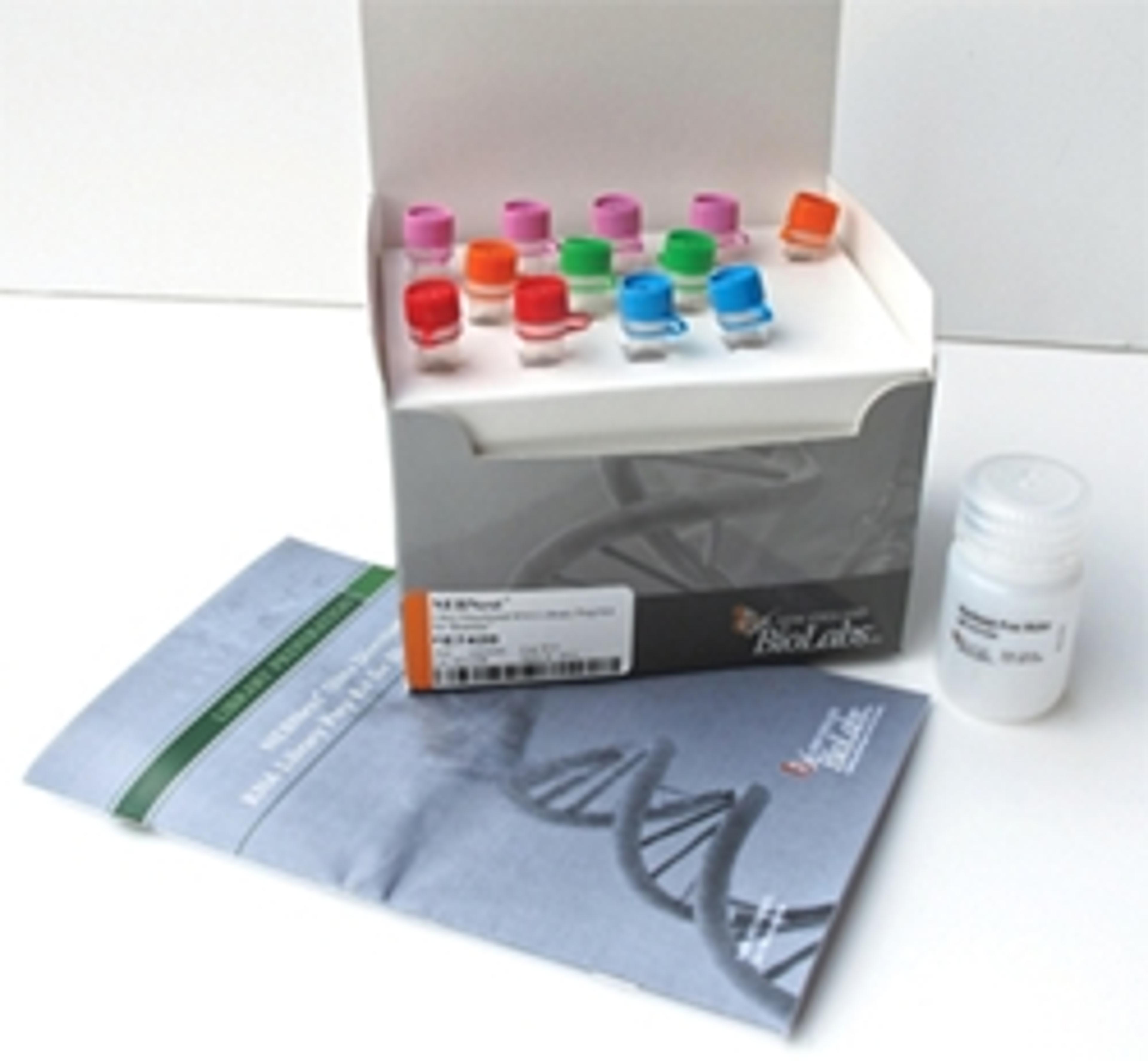
NEBNext products are a series of highly pure and cost-effective reagents that facilitate DNA and RNA library preparation for downstream applications, such as next generation sequencing. The recently launched NEBNext Ultra™ kits, which address the increasing need for fast and robust performance, also allow the use of low nanogram amounts of input DNA or RNA.