Our first Seal of Quality recipients of 2024
Discover which products have earned a coveted Seal of Quality award
5 Feb 2024
The first laboratory instruments of 2024 to earn a prized Seal of Quality have been announced in recognition of outstanding feedback received from scientists globally.
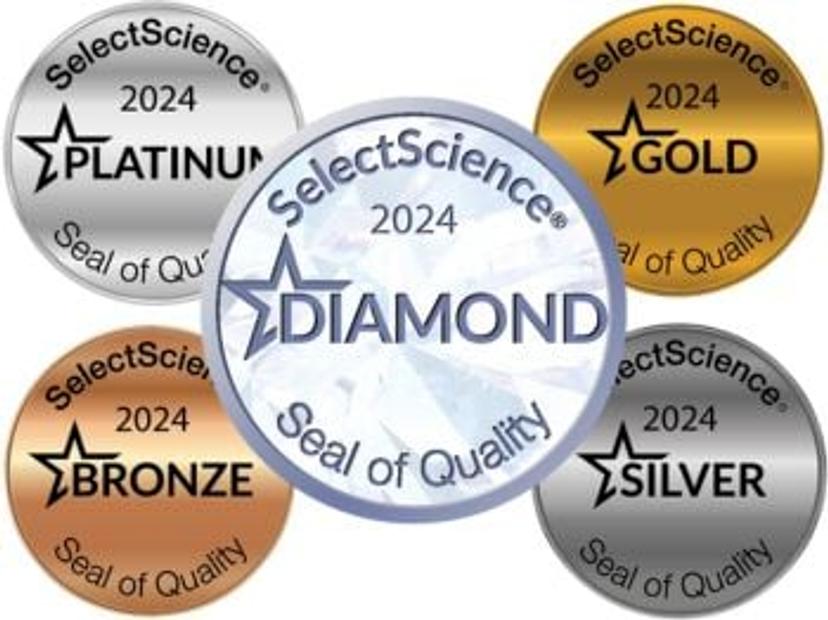
Seals of Quality recognize the top 0.1% of products that consistently receive the highest customer review ratings on SelectScience® and are designed to help scientists and healthcare professionals worldwide immediately recognize the instruments and services their peers rate the highest.
The first announcement of 2024 welcomes new Seal of Quality awards for 10 products. Plus, we share a round-up of all the Seals that were awarded in 2023.
Consistency is key
Metrohm AG has added an impressive six new Seals of Quality to its collection. The 913 pH Meter has now earned itself a Gold Seal of Quality, and has received 112 reviews with an average star rating of 4.7 out of 5. This is closely followed by the 901 Titrando for Karl Fischer Titration, which has also earned a Gold Seal of Quality, having received over 100 reviews with an average star rating of 4.6 out of 5.
After receiving the Bronze Seal of Quality award this time last year, the 888 Titrando/890 KF Titrando has now been awarded the Silver Seal of Quality, having received over 75 reviews, with an average star rating of 4.6 out of 5.
The Autolab PGSTAT302N, Combustion Ion Chromatography – automated determination of halogens and sulfur in solid and liquid samples and the 905 Titrando - Titrator with Dosing Unit have also achieved Bronze Seals of Quality, having each received over 50 reviews, with average star ratings of 4.5 out of 5.
Latest newcomer
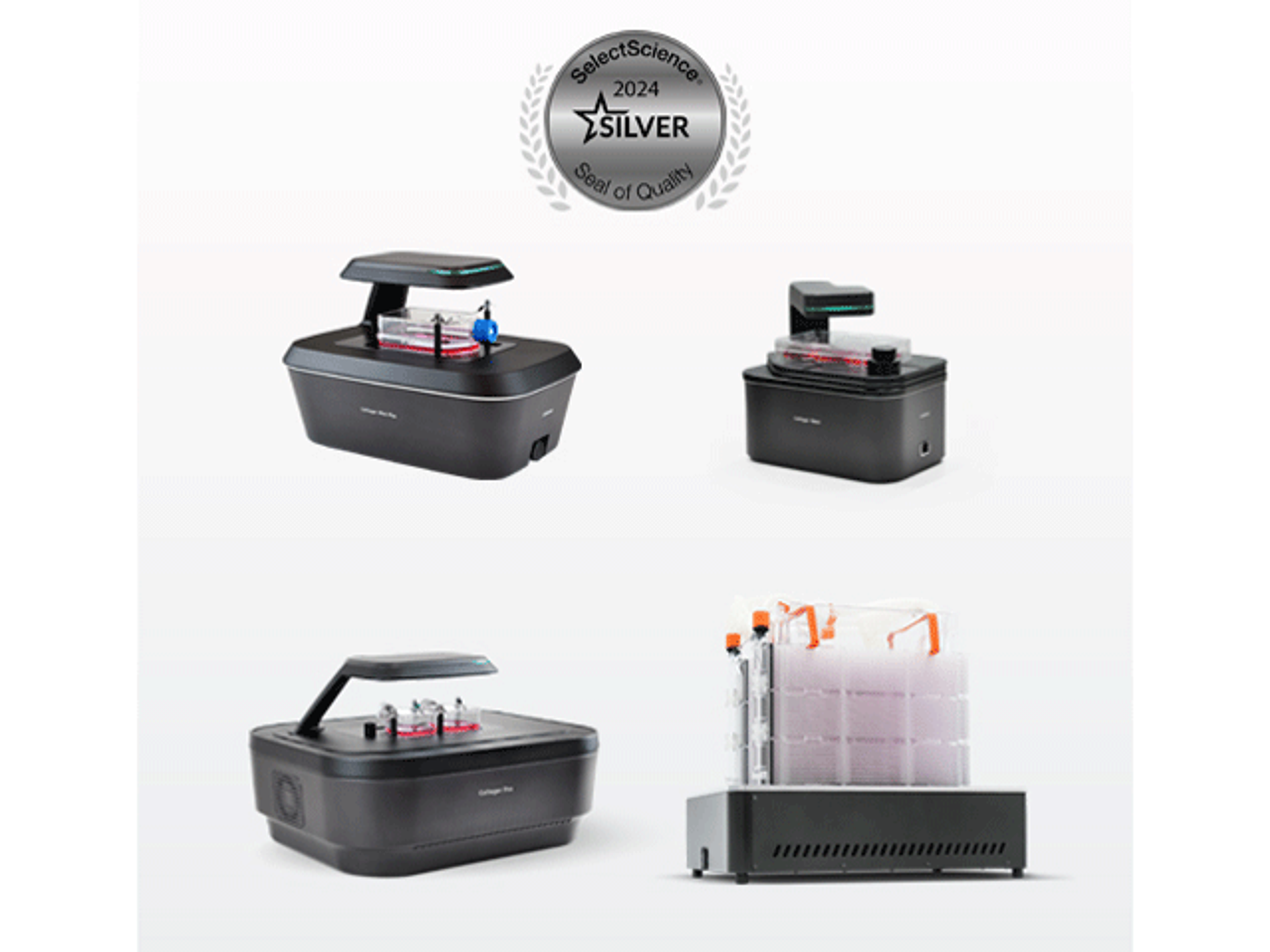
The latest manufacturer to join the Seal of Quality club and earn its first award is CURIOSIS. The Celloger® range has achieved a Bronze Seal of Quality, after receiving over 50 reviews and an respectable average star rating of 5 out of 5. Reviewers Jangham Jung from UCSF Brain Tumor Center said, “The system was useful and the pricing is reasonable for the features offered.” Hyewon Yang from Gachon University said, “The real-time cell monitoring was excellent!”
Onwards and upwards
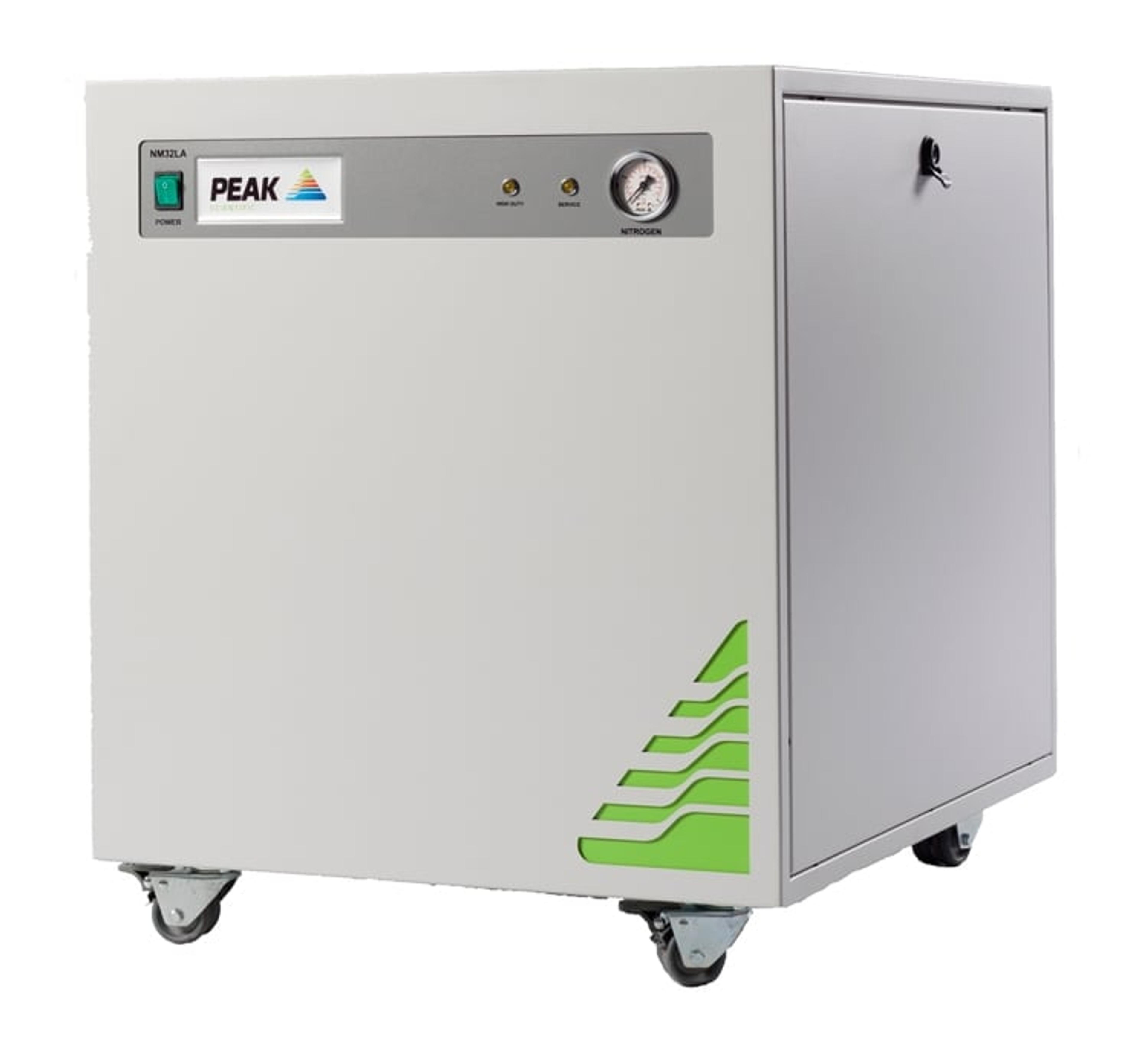
PEAK Scientific Instruments has been awarded its first Gold Seal of Quality. The Genius NM32LA Nitrogen Generator has received 105 reviews with an average star rating of 4.7 out of 5. Both awarding this product a star rating of 5 out of 5, reviewers Christopher Reusz from North Carolina State University said, “Reliable and consistent generator for LC-MS applications with great customer support,” and Daniela Dulgheriu from Norwegian University of Life Sciences, Pharmacology Unit said, “It never disappoints me; the instrument worked as expected!”
Twist Bioscience received its first Silver Seal of Quality for its Clonal Genes, which now has 80 reviews and an average star rating of 4.9 out of 5. Commenting on the Clonal Genes, reviewer Allison Yaguchi from National Renewable Energy Laboratory said, “Excellent DNA synthesis company; highly recommend!”
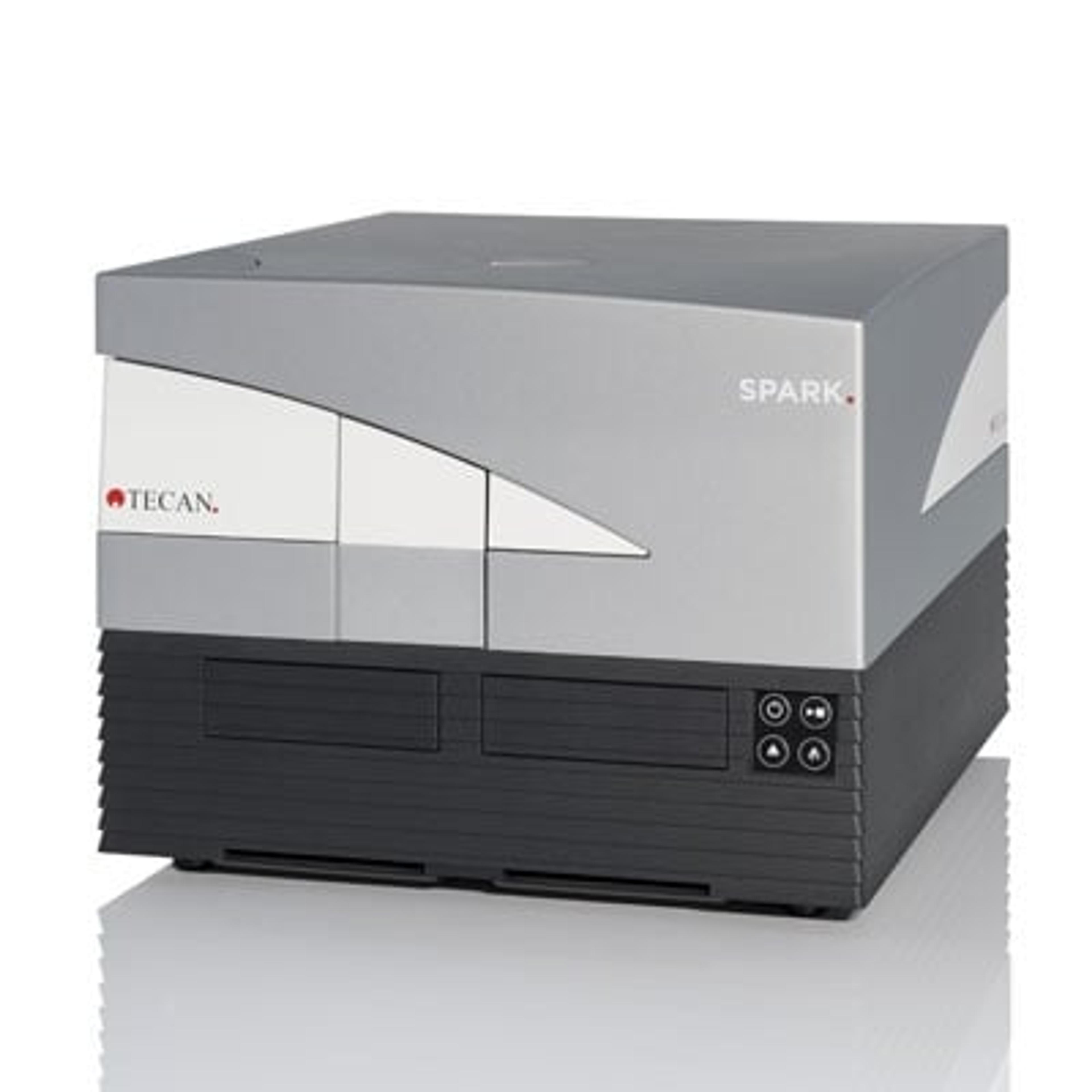
In 2018, Tecan earned its first Seal of Quality award. And now, it has added a new Seal of Quality to its collection. The Spark® Multimode Microplate Reader has earned itself a Bronze Seal of Quality, and has received 51 reviews with an average star rating of 4.5 out of 5. Reviewer Hannes Schihada, from Philipps-University Marburg, said, “Tecan Spark is the plate reader of choice for luminescence- and BRET-based assays.” Also, Emma King-Lund from ProbioFerm said, “The software is easy to use and it's easy to create new methods as needed.”
Your 2023 Seals of Quality round-up
Here is a brief round-up of all the Seals of Qualities we announced last year:
- NanoEntek – Disposable Hemocytometers Platinum
- NanoEntek – Automated Cell Counters Platinum
- Agilent Technologies Life Science Chemical Analysis – Agilent Analytical HPLC Systems Platinum
- Malvern Panalytical – Mastersizer 3000 Platinum
- BMG LABTECH – CLARIOstar® Plus Multi-mode Microplate Reader Gold
- Metrohm AG – 913 pH Meter Silver*
- PEAK Scientific Instruments – Genius NM32LA Nitrogen Generator Silver*
- Metrohm AG – 901 Titrando for Karl Fischer Titration Silver*
- ChemoMetec – NucleoCounter® Family of Cell Counters and Analyzers Silver
- BMG LABTECH – PHERAstar® FSX HTS Microplate Reader Silver
- HAMILTON Robotics – Microlab STAR Liquid Handling Systems Silver
- Twist Bioscience – Clonal Genes Bronze*
- Metrohm AG – 888 Titrando/ 890 KF Titrando Bronze*
- Twist Bioscience – Gene Fragments Bronze
- Metrohm AG – 930 Compact IC Flex Ion Chromatograph Bronze
- Zymo Research – DNA/RNA Shield™ Bronze
- Merck - Lab Water Solutions – Milli-Q® IQ 7000 Ultrapure Water Purification System Bronze
*As of 2024, these products now hold new Seals of Quality.
Your reviews make a difference
The Seals of Quality started in 2017, with the goal to assist scientists in making important purchasing decisions by recognizing the products that have consistently received the highest review ratings. There are now 85 lab products currently permitted to display a SelectScience Seal of Quality.
New Seals of Quality are announced quarterly and alongside the Scientists’ Choice Awards®.