
New Xpert C600 X-Ray System Meets Product Inspection Needs for Large Food Packages
23 Dec 2013
Product news
Food processors can now better meet product inspection needs of larger individual products or packages, as well as filled cases, with a new X-ray system designed specifically for detecting metal, glass, dense plastics and other foreign objects in large food packaging.
The Thermo Scientific Xpert C600 X-ray system features a 50 percent larger aperture and wider X-ray beam than that found on the previously-launched Thermo Scientific C400. The 22-inch wide by 10-inch tall aperture enables larger food products that do not fit through standard X-ray machines to be examined for contaminants or inspected for missing or damaged pieces. Examples include larger diameter pizzas (individual or stacked in multipacks), bagged or cartoned items, bulk packages and/or those already placed in corrugated cases.
“This larger aperture unit addresses several market needs. For example, some food processors prefer end-of-line detection because after a product is sealed and cased it can no longer be contaminated. Also, with many brand owners supplying larger-sized items to big box stores and warehouse clubs, the Xpert C600 gives them a way to meet retailer-mandated inspection requirements,” said Bob Ries, lead product manager, metal detection and X-ray inspection, Thermo Fisher Scientific. “The new Xpert C600 reflects Thermo Fisher’s continual investment in product inspection enhancements designed to meet customer needs.”
The system can analyze an X-ray image to estimate weight and fill or determine whether a packaged item has missing objects. Its highly-sensitive detectors are available in 0.8mm resolution, and its suite of algorithms is designed to find small contaminants in complex images with few, if any, false rejects. The Xpert C600 also features a high power 160W X-ray source for better penetration of large objects.
The unit’s flexible software design also allows up to eight lanes to be simultaneously fed through the aperture to maximize throughput and reduce cost of inspection.
Like its predecessor model, the Thermo Scientific Xpert C600 is designed to run around the clock in harsh environments with less maintenance and fewer repairs than other systems. It operates over a wide 5° to 40° C temperature range and is available in both IP54 and IP65 dust and washdown ratings. Because of its modular design and built-in remote support capability, technicians can troubleshoot and service the system quickly, minimizing expensive downtime.
Related products
Request Quote for All Products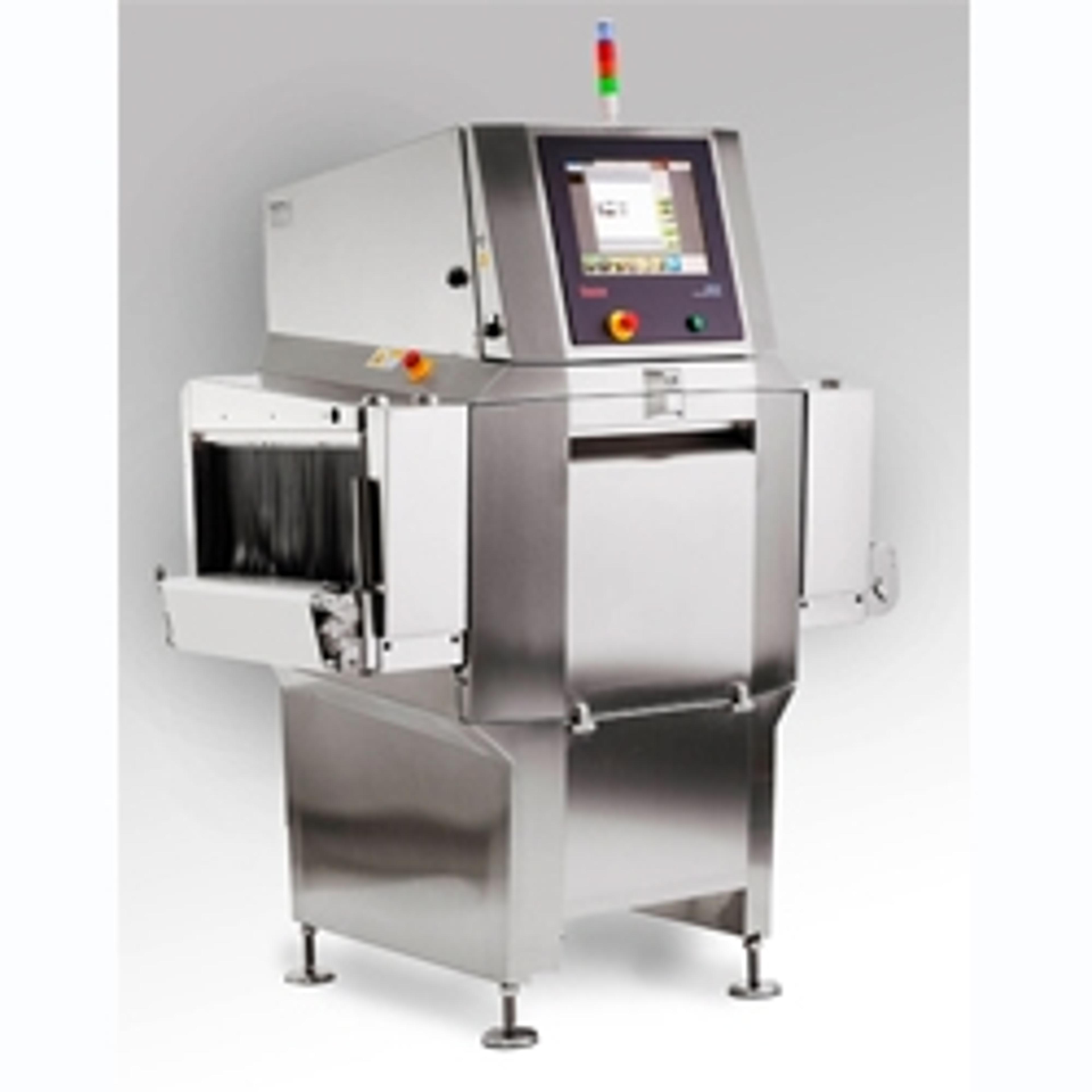
Xpert™ X-ray Inspection System
Thermo Fisher ScientificThermo Scientific™ Xpert X-ray Inspection System has high resolution and sensitivity and can find contaminants other systems miss. Thermo Scientific™ Xpert X-ray Inspection System enables compliance with worldwide HACCP and retailer food safety requirements as well as offering X-ray image analysis for other critical quality verifications. It is a high performance, yet very robust platform that can be utilized to immediately identify problems so you can take fast corrective action.Food safety and quality standards are increasing globally every year. Basic metal detection for HACCP many times is just not enough anymore to protect your brand or comply with retailer mandates. The random occurrence of foreign objects such as glass, rocks, wires, product lumps, hard plastics and other materials can no longer be overlooked. With industry leading resolution and detection intelligence the Xpert system can find contaminants other systems miss.Xpert™ X-ray Inspection System Features: High resolution and sensitivity detectors for state-of-the-art performance Suite of inspection algorithms for reliable detection and minimal false rejects Low X-ray power with high penetration for long source life Food safe materials employed for areas close to the products being inspected Modular, robust mechanical design improving reliability and facilitating service Built-in, remote monitoring for quick problem determination