
“My ‘go to’ Analyzer for Nanoparticles”: NanoSight NTA System Boosts the Characterization Toolkit of Particle Characterization Laboratories, Inc.
5 Nov 2015
Industry news
Insights shared by William Bernt, Director of Particle Characterization Laboratories Inc., highlight the transformative impact of adding a Malvern NanoSight Nanoparticle Tracking Analysis (NTA) system to the analytical toolkit for nanoparticles. Particle Characterization Laboratories Inc. is a well-established expert provider of nanoparticle and microparticle characterization services, with particular expertise in the measurement of liposomes and exosomes.
“The individual particle-by-particle size and concentration measurement delivered by NTA reveals highly relevant information that other techniques simply can’t access,” said Mr Bernt. “Of all the submicron sizing instruments we have it’s our ‘go to’ analyzer. I run almost every submicron sized sample that comes through the lab on our NanoSight– simply to see what it will reveal. Because NTA gives number-based size distributions, the results aren’t skewed by the presence of a few large particles or compromised by extracellular debris. And the ability to physically examine the sample means that you can be confident of knowing exactly what is being measured. Additionally, the capacity of the NanoSight to report particle concentration makes it a critically important tool in clinical research.”
Particle Characterization Laboratories Inc. provides the industrial, academic and government research communities with particle size, concentration, molecular weight, zeta potential measurement and dynamic image analysis services. The techniques applied include dynamic and static light scattering, laser diffraction particle sizing (using a Malvern Mastersizer), disc centrifuge photo sedimentography, dynamic image analysis, scanning tunneling and atomic force microscopy. Liposome, exosome and protein characterization for drug delivery and formulation applications is an important area of work, but the company also analyzes a wide range of industrial samples including colloidal gold and silver sols, latexes, inks and pigments and industrial polishing agents.
“Customers typically come to our lab looking for dynamic light scattering (DLS), which is a well-established, useful nanoparticle sizing method,” said Mr Bernt. “But NTA and DLS are complementary to one another so I’ll often add NTA into the mix. Sharing the results typically elicits a highly positive response, often elucidating behavior that a customer has been struggling to understand.”
“I have been working with Nanosight systems for a good number of years now but I still remember my first look at their capabilities. It struck me then that NTA provides the answer to many of the challenges associated with industrial requirements for nanoparticle characterization. My view hasn’t changed, over more than a decade of use and I now see more and more customers sharing it.”
Related products
Request Quote for All Products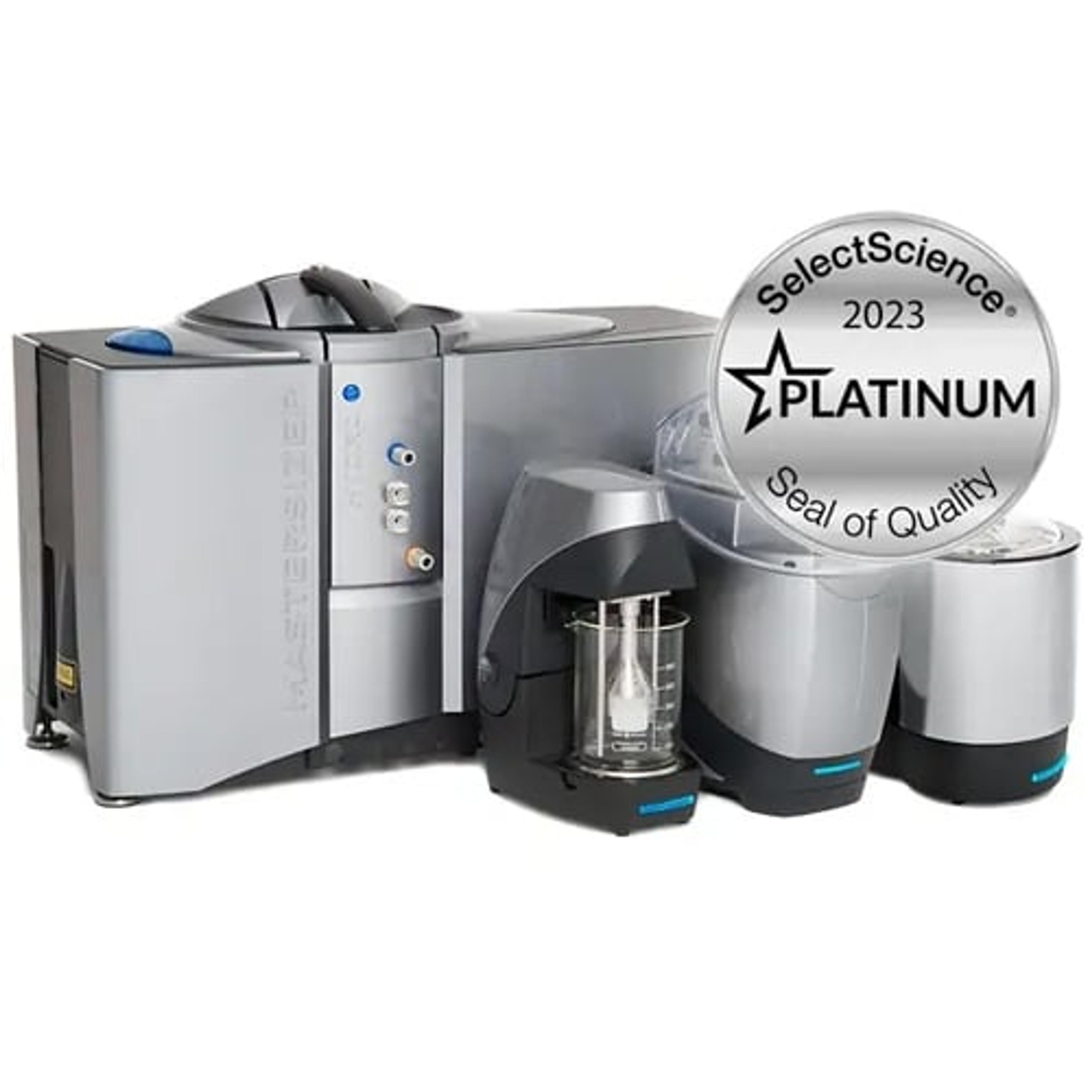
Mastersizer 3000
Malvern PanalyticalWorld’s most widely used particle size analyzers, the smartest way to measure particle size. There is a newer version of this product avilable, the Mastersizer 3000+ Ultra.
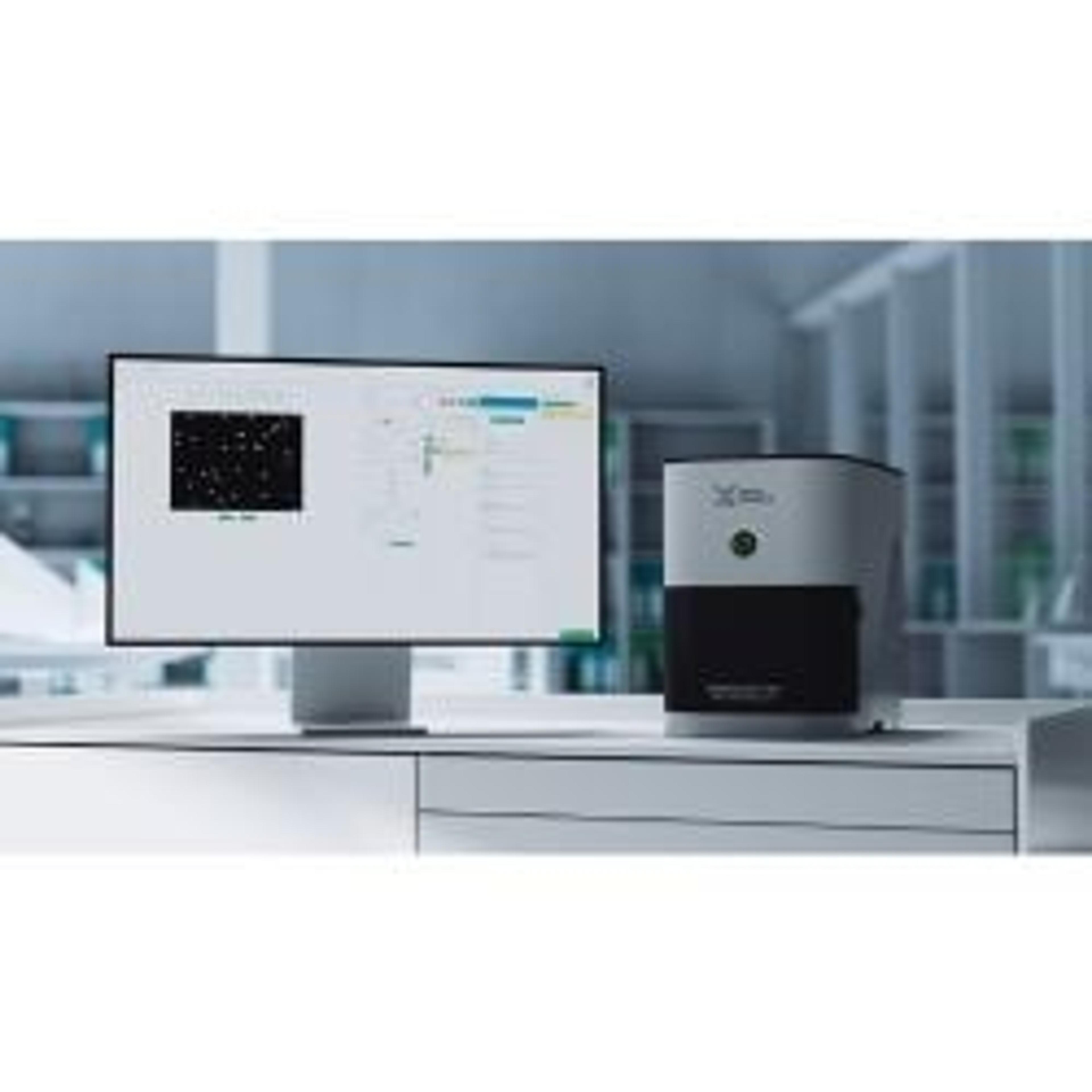
Nanosight Pro
Malvern PanalyticalCharacterizing Nano- and Biomaterials has never been so quick, easy, and accurate.