Leading Spanish wine testing laboratory announces new NMR authentication service
The cutting-edge technique aims to detect and prevent wine fraud by verifying wine identity
12 Apr 2022
Industry news
Estación Enológica de Haro (EEH), a public and governmental laboratory situated in the major wine growing region La Rioja, Spain, has announced its new wine analysis service for public and private organizations in the oenological sector.
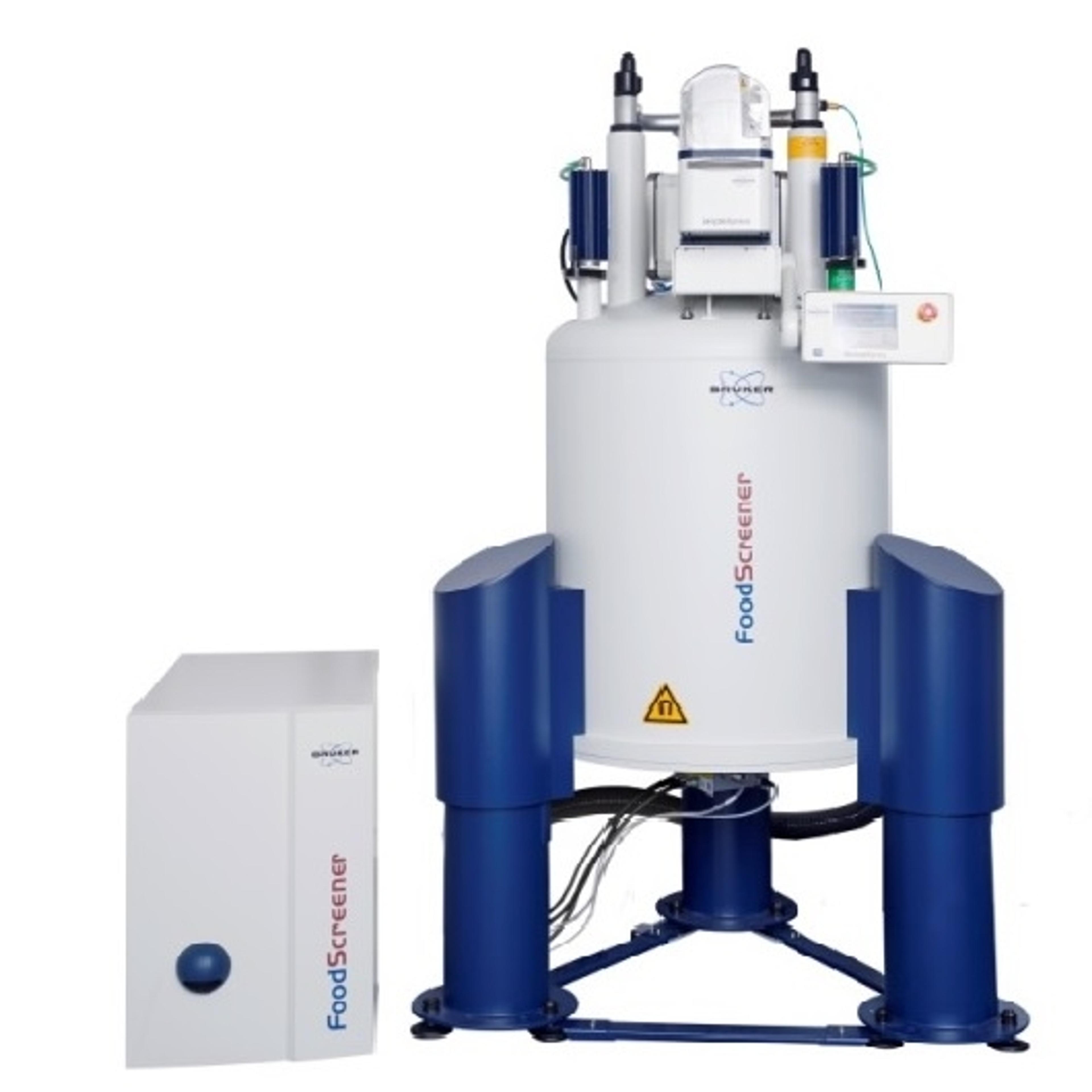
The first of its kind to be provided by a laboratory in Spain, the service uses Bruker’s nuclear magnetic resonance (NMR) spectroscopy to identify origin, variety, and authenticity of wine throughout the supply chain. This detailed analysis helps wine producers, importers and distributors detect and prevent the most common types of wine fraud by verifying wine identity. EEH will offer three levels of analysis: a full NMR wine certification (quantitative and qualitative analysis) including appellations and country of origin and grape variety, a quantitative wine report by NMR including 52 quality parameters, and confirmation of identity including a benchmark comparison.
Spain’s wine export market is valued at €2.63 billion and, as a premium product, it is vulnerable to many types of economically motivated fraud (EMF). As consumers increasingly demand authenticity and transparency of origin in their food and drinks, the new NMR analysis service helps growers and importers to protect their brand reputation, safeguard consumer trust, and maintain product value.
NMR is a highly reproducible analytical technique that helps complete the chain of authenticity in high-end wine supply chains by providing a ‘fingerprint’ of a sample. Each fingerprint contains 52 parameters to allow the creation of robust databases, providing a reference for all molecular constituents. Because a large number of relevant parameters can be analyzed in a single run, the cost per sample is low compared to conventional analyses, where multiple analytical techniques are needed.
EEH has used Bruker’s Wine-Profiling™ module on the NMR FoodScreener® platform to analyze wine samples since 2015. The specialist lab evaluates 25,000 samples and conducts around 263,000 analyses every year using different methods and techniques, which include NMR.
The system offers a fully automated technique that helps tackle wine fraud. Its intuitive software interface and analytical reports require no prior NMR knowledge on the part of the user. Bruker is also working with EEH to further grow the database of wines, running samples from Spain as well as with France, Italy, and Hungary, to create baselines along Europe, preventing economical and quality fraud.
Dr. Elena Meléndez Álvarez, Director and Head of Quality Control at EEH said: Since EEH was founded in 1892, it has been dedicated to studying wine and vine growing. We are proud to serve as the official laboratory for the Government of La Rioja (Servicio de Investigación Agraria y Sanidad Vegetal) and offer a reference point for grape-growing and wine making in Spain. In 2015, EEH acquired Bruker’s Wine-Profiling™ platform, which revolutionized our wine analysis to help certify the origin and variety of wines. The combination of this technique with chemometrics opens up a new world in traceability and authentication of wines. The Wine-Profiling™ platform stands out against any previously used methods in the wine industry.
Victor García Pidal, Director General at Bruker Española S.A. said: “The versatility of NMR techniques and equipment has allowed us to adapt this method specifically to the needs of grape growers, wine producers, packers, distributors, and exporters. This may be for self-monitoring, fraud control, or developing improvements to the wine‐making process. Bruker is proud to be working together with EEH in such a high value market to protect the reputation of Spain’s winemakers and keep consumer trust in the products and suppliers.”
The NMR analyses provided by EEH are available for white wines from the Spanish regions of Rioja, Rais Baixas, Rueda, and Valencia; red wines from the regions of Rioja, Navarra, Ribera de Duero, Ribera de Guadiana, and Valencia; and rosé wines from Rioja, as well as relevant Spanish varieties such as Tempranillo, Garnacha Tinta, Monastrell, Verdejo, Viura and Albariño.