Latest advances in biomarker research: SelectScience special feature

The latest research and new method downloads: multiplex assays, ELISA, proteomics, genomics, imaging and more

2 Dec 2019

Sarah Thomas
Associate Editor

Editorial article

Precision Medicine SelectScience Special Feature

Biomarkers are biological molecules - for example, cells, proteins, hormones, metabolites or genes - that can be measured to identify a biological state. This makes their study of particular interest for disease pathogenesis, with possible applications in diagnosis, prognosis, as well as in drug discovery and development for monitoring the effects of treatments.

The search for novel biomarkers holds potential for earlier and less invasive disease diagnosis, for example through liquid biopsies, and is also a key focus for patient stratification and precision medicine approaches. With a wide range of potential biomarkers, numerous laboratory techniques play a role in biomarker research. Here, we look at some of the latest technologies, including multiplex assay, ELISA, immunofluorescence imaging, liquid chromatography, and proteomics and genomic approaches, and the researchers advancing this field.

CIC bioGUNE scientists - precision medicine special feature

An affinity proteomics approach for biomarker discovery

Dr. Jochen Schwenk, KTH Royal Institute of Technology, discusses how bead-based affinity proteomics using Luminex xMAP® technology is enabling researchers to map the entire human proteome.

Watch video

CIC bioGUNE scientists - precision medicine special feature

Accurate measurement of CGRP level from plasma in pediatric migraine patients

Learn how Bertin's calcitonin gene-related peptide (CGRP) ELISA kit provides reliable measurement of CGRP in human plasma, and why this biomarker is studied in the context of patient stratification.

Download method

Organoids for cancer research - precision medicine

LC columns for even the most challenging samples in bottom-up proteomics

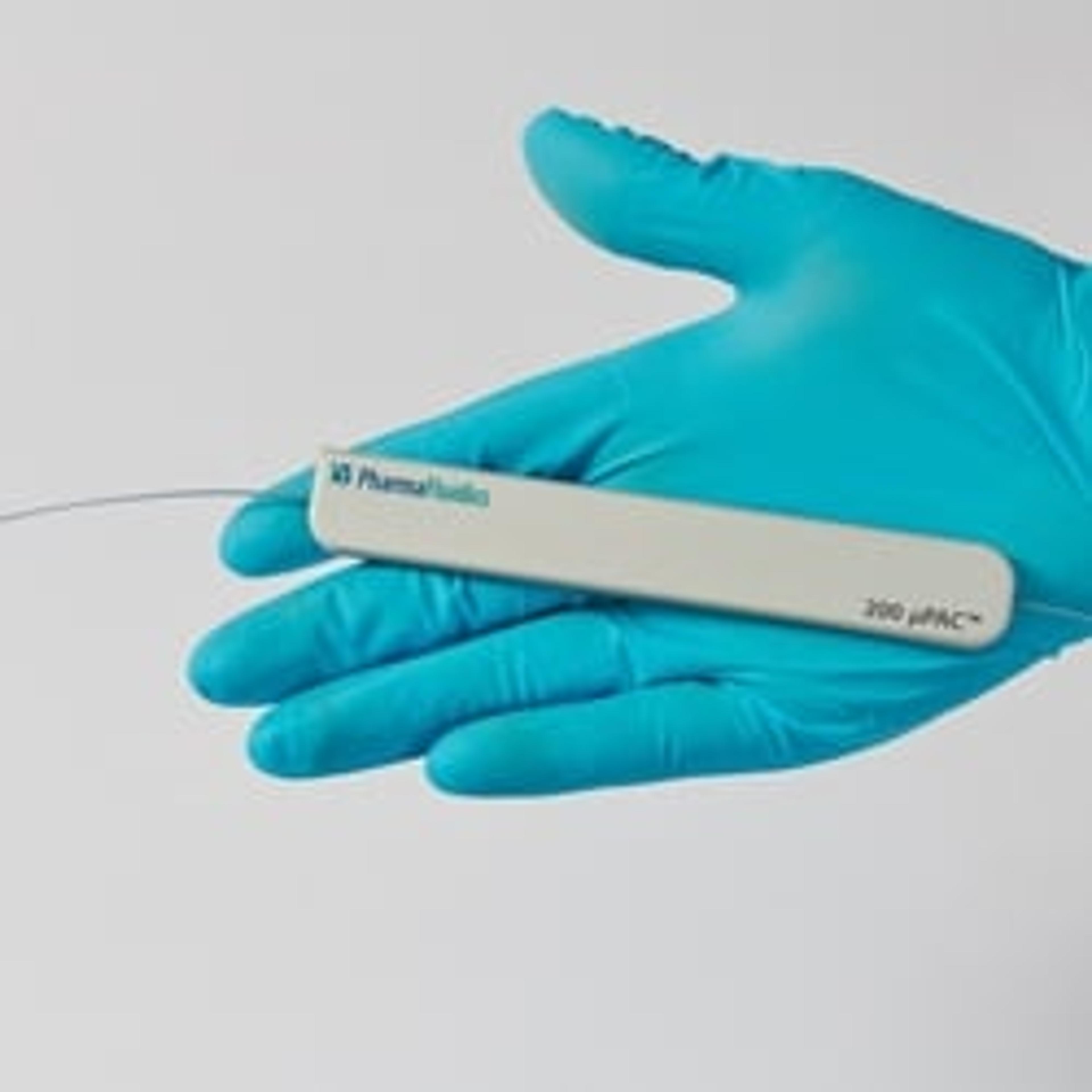
Discover why PharmaFluidics’ micro Pillar Array Columns (µPAC™) are suitable for bottom-up proteomics, demonstrating the required lifetime as well as resilience for challenging samples.

Download method

Alison Tarke - precision medicine special feature

Protein:protein interactions: Understanding protein function in live cells

This download outlines a method for using BERTHOLD TECHNOLOGIES' TriStar² S LB 942 Multimode Microplate Reader with the Promega NanoBRET™ Protein:Protein Interaction System.
Download method

Brendan Brinkman from Olympus - SelectScience Webinar - precision medicine special feature

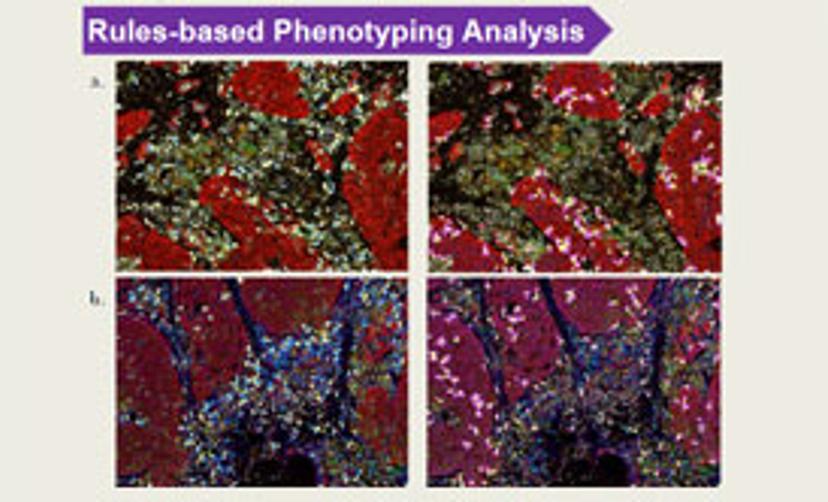
Immuno-oncology: Optimized end-to-end solution for multiplex immunofluorescence

This study by Akoya Biosciences shows a complete workflow for spatially resolved, tissue-based biomarker discovery to elucidate cellular heterogeneity in the tumor microenvironment.

Download poster

Dr. Susie Cooke ESHG presentation 2019 - precision medicine special feature

Genomic biomarkers: Responding to researchers’ needs through PCR and RT-qPCR

Bio-Rad's Dr. Yan Wang, Reagent R&D, shares the approach her team has taken to develop useful, high-quality and easy-to-use genomics tools to streamline DNA and RNA expression analysis.

Read interview

Dr. John Connolly and his lab - precision medicine special feature

Analyzing intra-tumor heterogeneity for biomarker development

In this application note, discover a novel method to optimize quantification of RNA in archival material using the MMI CellCut system for the separation of morphologically different tissue areas.

Download method

Read the latest reviews:

Don't just take our word of it, take a look at the top precision medicine product reviews:
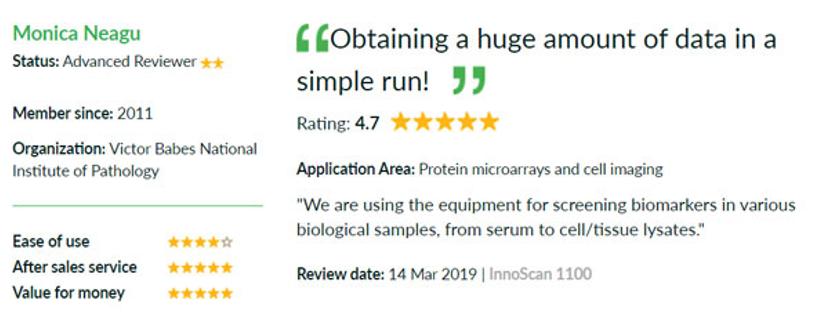
InnoScan 1100 by Innopsys

xCelligence RTCA MP by ACEA Biosciences - review for precision medicine special feature

SMCxPRO™ Immunoassay System by MilliporeSigma, a business of Merck KGaA Darmstadt Germany

VITROS XT 7600 Integrated System by Ortho Clinical Diagnostics - review for precision medicine special feature

Related resources:

The latest articles in biomarker research:

  • Dr. Sally Price, Head of Cell and Translational Science, Medicine Discovery Catapult shares her thoughts on the future of precision medicine and the role that biomarker discovery will play. Read article>>
  • Bridget McLaughlin, Co-Director of the University of California Davis Flow Cytometry Shared Resource, describes the role of exosomes in disease and the technology enabling biomarker detection in single cells. Watch video>>
  • Dr. Peter Caie and Ph.D. student Ines Nearchou, University of St. Andrews, discuss a new prognostic test for colorectal cancer in this interview. Read article>>
  • Dr. C.J. Barnum, Director of Neuroscience and Translational Research, INmune Bio Inc., describes a novel non-amyloid approach to the treatment of Alzheimer’s disease and how inflammatory biomarkers may assist clinical trials. Read article>>

SelectScience how-to-buy eBooks:
Links

Tags

BiomarkersBiomarkers are biological markers which can be measured and evaluated to indicate a biological state. The use of biomarkers in research and diagnosis can indicate a normal or disease state or drug response of cells / tissues. Biomarkers include genetic markers, cell surface markers such as antigens, antibodies or receptors and secreted molecules such as cytokines. An assay system is required for identification of biomarkers. :ProteomicsProteomics is the systemic bioinformatics study of proteins and amino acids, including their structure, size, function and identification. Tools used in proteomics include chromatography, blotting and gels, protein arrays, mass spectrometry and ELISA and associated analysis software. Analyzers and proteomic systems should be sensitive, high resolution, fast and may be automated for high-throughput.ImmunofluorescenceMultiplexTranslational ResearchProtein InteractionsProtein interactions are essential for understanding cellular processes, as proteins work together to carry out biological functions. Studying protein interactions can provide insights into disease mechanisms, drug development, and cell signaling pathways. Explore the best tools for protein interaction research in our peer-reviewed product directory; compare products, check reviews, and get pricing directly from manufacturers.Single Cell AnalysisSingle-cell analysis involves studying individual cells to gain insights into their behavior, gene expression, and function. This approach is valuable in cancer research, stem cell biology, and immunology. Explore single-cell analysis products in our peer-reviewed product directory; compare products, check reviews, and get pricing directly from manufacturers.Cancer ResearchCancer research aims to understand the mechanisms of cancer development and progression to improve prevention, diagnosis, and treatment. From molecular biology to clinical trials, research spans a wide range of disciplines, including immunotherapy, targeted therapies, and drug discovery. Explore the best cancer research products in our peer-reviewed product directory; compare products, check reviews, and get pricing directly from manufacturers.GenomicsGenomics is the study of genomes, focusing on the sequencing, analysis, and interpretation of genetic material. It is key in understanding genetic diseases, evolutionary biology, and personalized medicine. Techniques like next-generation sequencing (NGS) are commonly used in genomics research. Browse our peer-reviewed product directory to find the best genomics tools, compare products, check reviews, and get pricing directly from manufacturers.PlasmaTranslational MedicineTumorsTumor research focuses on understanding abnormal cell growth that leads to cancer. Identifying biomarkers, studying tumor microenvironments, and developing targeted therapies are critical for advancing cancer treatment. Early detection and personalized treatment options are key to improving outcomes for patients. Browse our peer-reviewed product directory to explore tools for tumor research, diagnostics, and cancer therapies; compare products, read customer reviews, and get pricing directly from manufacturers.Protein BiologyLiquid BiopsiesLiquid biopsies are non-invasive tests used to detect cancer and other diseases by analyzing blood or other bodily fluids. This technique is gaining popularity for early detection, monitoring treatment response, and detecting minimal residual disease. Explore liquid biopsy solutions in our peer-reviewed product directory; compare products, check reviews, and get pricing directly from manufacturers.Biomarker DiscoveryClinical biomarkers refer to substances related to known medical conditions that can be accurately measured <i>in vitro</i>. Biomarkers can be used to diagnose presence of a disease and indicate disease severity. The discovery of new biomarkers is incredibly valuable in the field of diagnostics.