Latest Advancements in Biopharmaceutical Research and Technologies

Discover a range of new technologies and applications for biopharmaceutical development in this special editorial feature

1 Jul 2019

Emily Adam
Publishing / Media

Editorial article

Biopharmaceuticals are biological cellular components or macromolecules used as pharmaceuticals. In recent years, they have become increasingly complex, in part driven by pressure for cost-effective clinical options, both from consumers and governments — as well as competition from other pharma companies developing biosimilars. As a result, biopharmaceutical companies (also known as biopharma or biopharm) are constantly working to introduce analytical solutions which are compliance ready, easy to implement and enable better, more efficient decision-making throughout product and process development. The ultimate goal? To meet the growing the amount of testing required to bring a new drug to market whilst ensuring it meets processing and quality regulations. In this special feature, discover a range of new technologies and applications for biopharmaceutical development.

LOSS ON DRYING: Determining Moisture Content in Pharma Excipients


This guide provides moisture determination methods for commonly used pharmaceutical excipients. They enable you to obtain the same moisture results with Mettler Toledo's HX204 Moisture Analyzer as with a drying oven, but much faster and easier.

CYTOTOXICITY MODELS: Benefits of Human Primary Cells in Drug Development


Cytotoxicity testing is an important in vitro indicator for preclinical drug development and to predict applicability in humans. This guide, from PromoCell, highlights the advantages of using human primary cells.
STABILITY MEASUREMENTS: 12 Stability Applications on One Platform


Discover Uncle, an all-in-one protein stability platform from Unchained Labs, which enables 12 different applications on a single instrument.

DNA SENSOR: Ultrasensitive Solution for Detecting & Diagnosing Genetic Diseases


Discover a new strategy for detecting specific DNA changes, from ELGA LabWater, designed to allow direct detection of ultra-low levels of target-DNA while simultaneously enabling discrimination of SNPs.

CONTAMINATION CONTROL: The Latest in Air Sampling for Biopharma


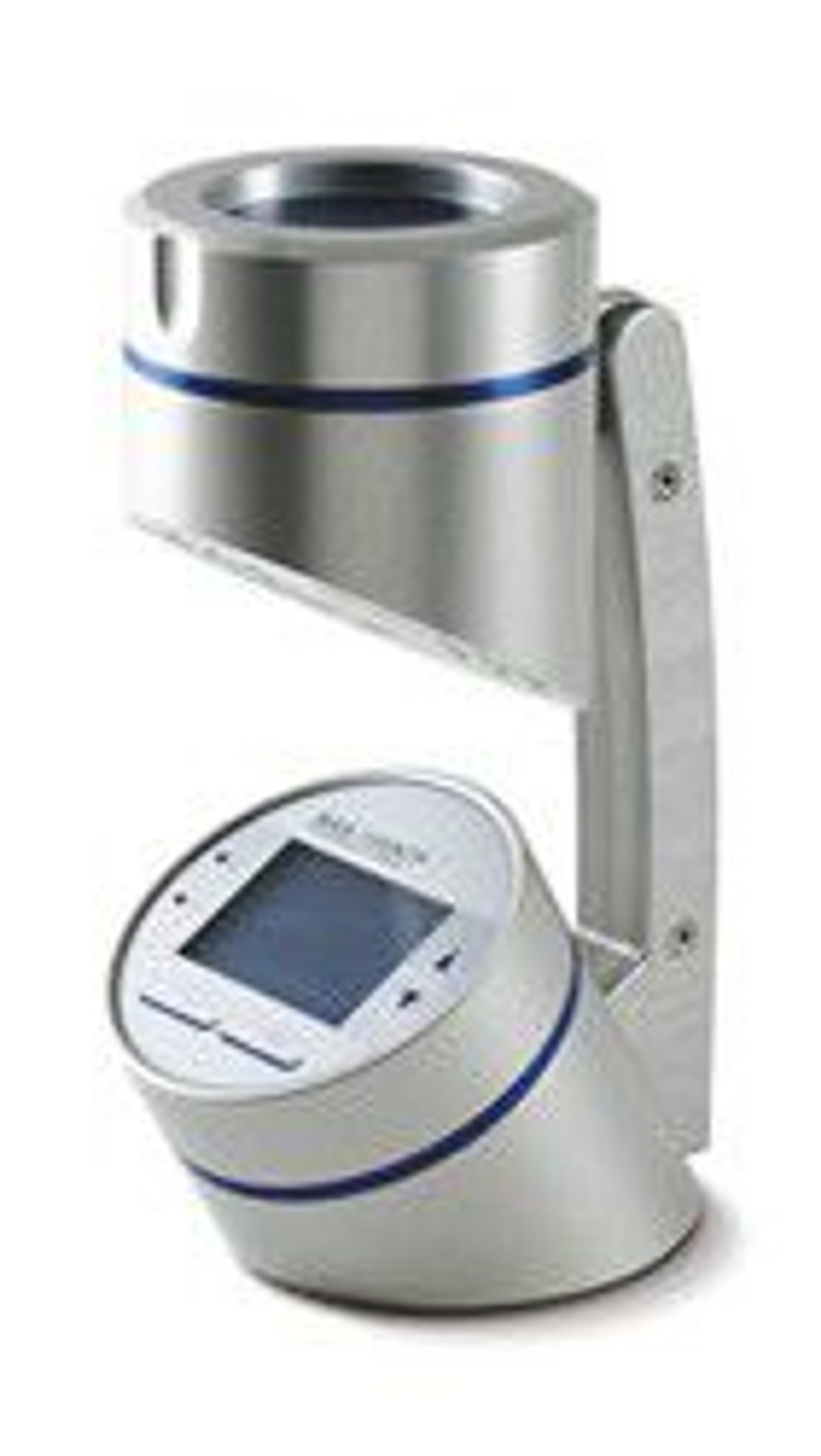
Discover the new MAS-100 NT® from Merck, a precise, reliable and cost-effective air sampler system designed to detect any airborne micro-organisms which may be hazardous to your products.

Q-TOF LCMS: Development of Model Biotherapeutic Monoclonal Antibodies


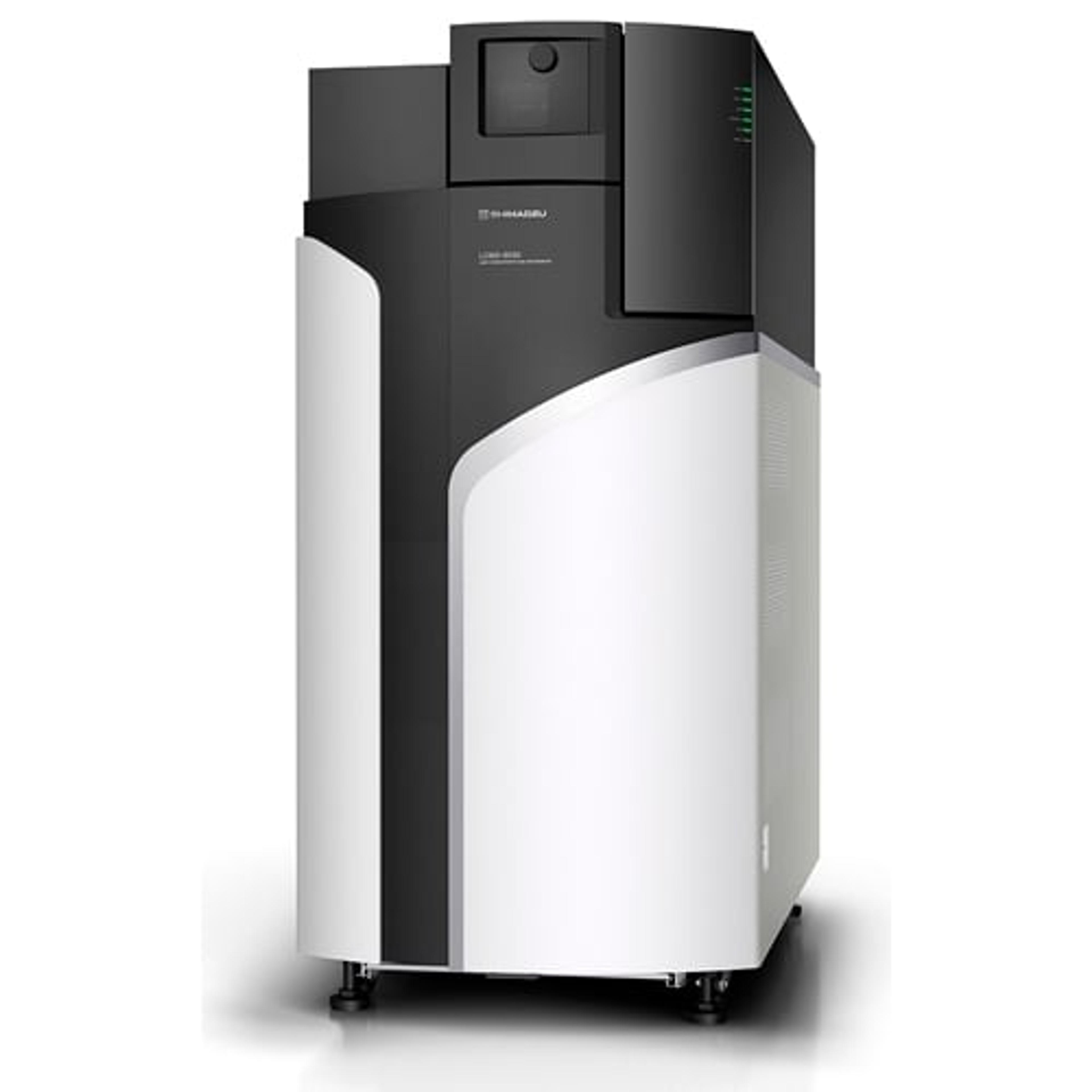
Accurate characterization of monoclonal antibodies is essential to the development of biotherapeutics. In this guide, learn how the new Shimadzu Q-TOF LCMS-9030 can be used to characterize IgG1ҝ NIST mAb.
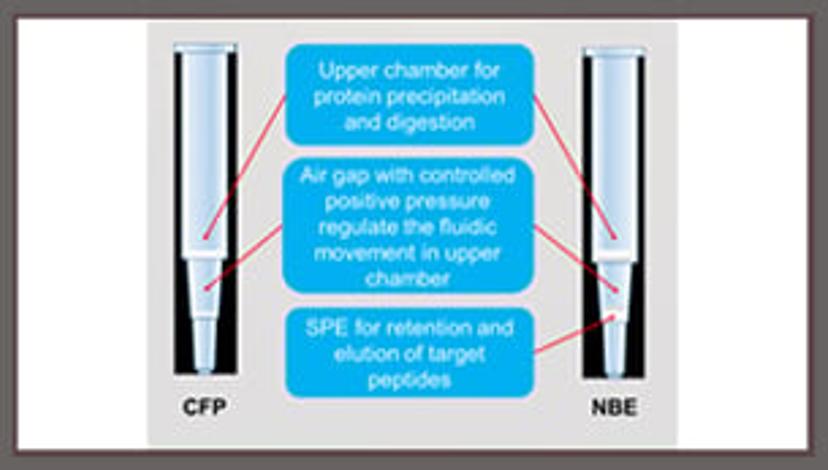
LC-MS/MS: A Novel Protein Digestion Workflow for the Analysis of Peptides


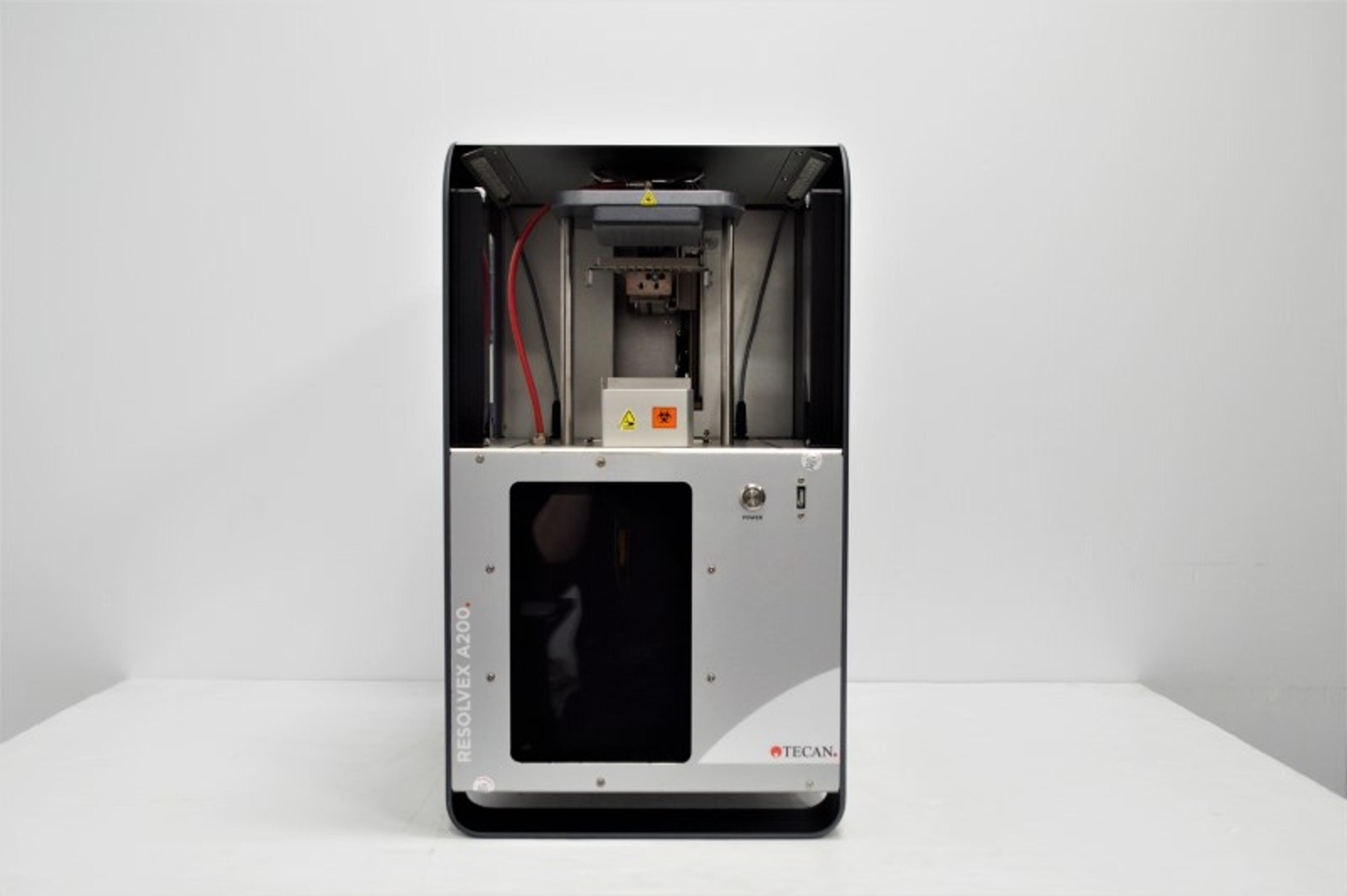
Discover a novel workflow to streamline the pellet digestion protocol from Tecan SP, providing reproducible, quality results with minimal manual steps — making it a great option for automated analysis.

RP-(U)HPLC: Analysis of Different Monoclonal Antibodies for Therapy


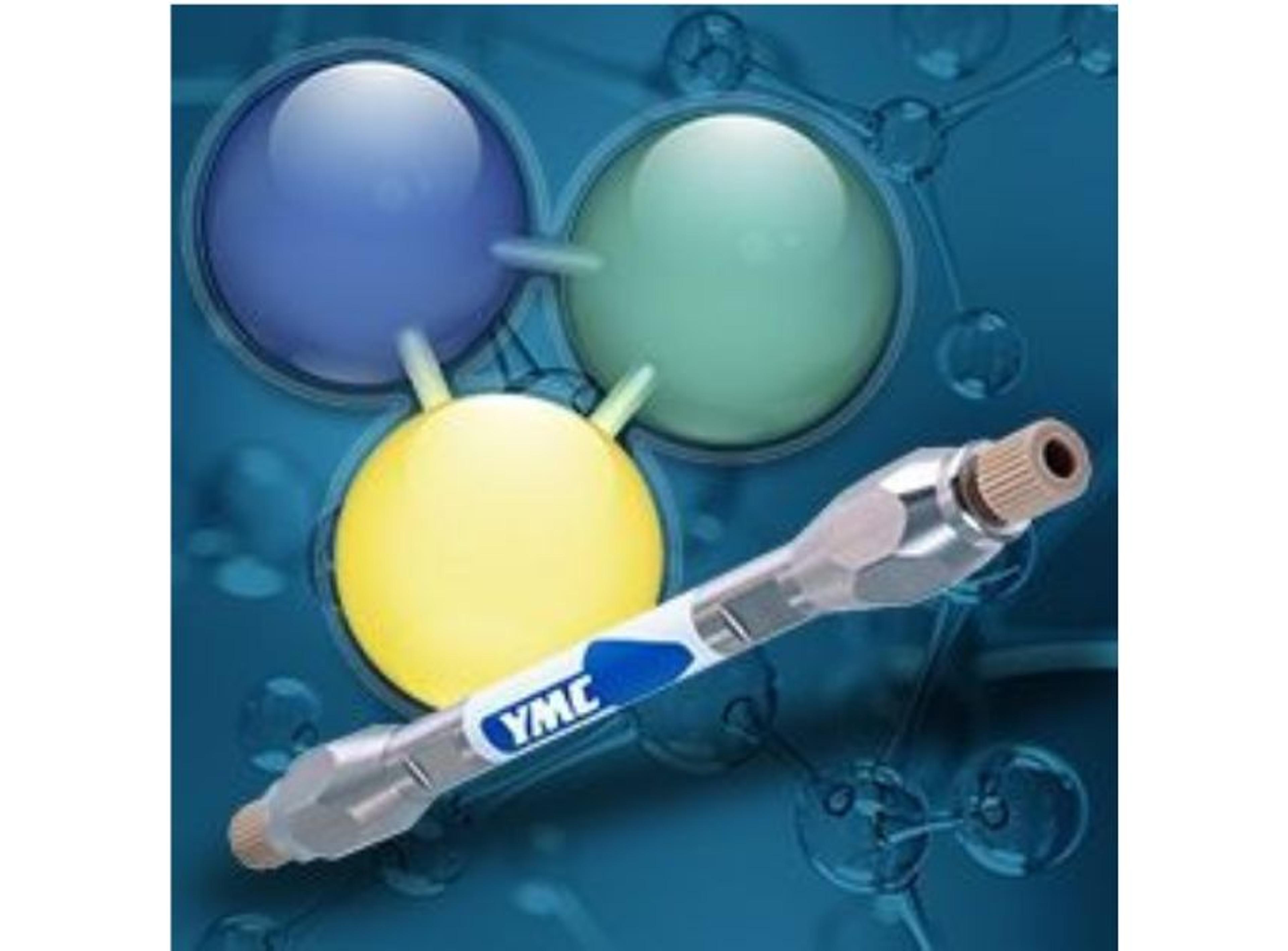
Monoclonal antibodies are immunologically active proteins, which bind specifically to certain cells or proteins, stimulating the immune system — this guide highlights how to analyze them using columns from YMC.

Other Useful Biopharmaceutical Resources:

Links

Tags

Gas ChromatographyGas chromatography (GC) is an analytical technique used to separate and quantitate mixtures of small and volatile compounds. Gas chromatographs or GC systems include components such as GC columns, detectors, pumps and autosamplers. Choose from packed or capillary GC columns, flame ionization (FID), photoionization (PID) electron capture detectors and selective or non-selective detectors. Find the best gas chromatographs in our peer-reviewed product directory: compare products, check customer reviews and receive pricing direct from manufacturers.Sample PreparationSample preparation can improve the quality and speed of separation techniques. Products to assist sample preparation include filtration equipment, evaporators, membranes and sieves.Mass SpectrometryMass spectrometry (MS) is a powerful analytical technique used to identify and quantify molecules based on the mass-to-charge ratio of gas-phase ions. It provides detailed information about the structure, composition, and properties of compounds and is widely used across fields such as environmental monitoring, materials science, drug discovery and development, food and beverage testing, and wider chemical research. Key MS techniques include tandem mass spectrometry (MS/MS), liquid chromatography–mass spectrometry (LS-MS) and inductively coupled plasma (ICP-MS). Choosing from these wide range of techniques and technologies can be a daunting task, so keep up to date with scientific applications, performance expectations, and customer reviews here all in one place. Visit our product directory to receive quotes direct from the manufacturer. AntibodiesAntibodies are used in techniques such as confocal and fluorescence microscopy, flow cytometry, ELISA, ELISPOT, immunohistochemistry, western blotting and immunopreciptation. Select specific antigen reactivity, high specific affinity, low non-specific binding, monoclonal or polyclonal, primary or secondary antibodies and associated conjugates such as an enzyme or dye for visualization.Cell / Tissue CultureCell culture or tissue culture is used to study the biology of cells or tissues and to isolate cellular products in an environment which can be manipulated and well defined. Accurately control your culture environment with bioreactors or culture incubators, bind your cells to a surface or together with an extracellular matrix. Distinguish cell types with differential media or proliferate cells with certain characteristics using selective media. Enrich your media with supplements such as growth factors, sera and vitamins. Find the best cell and tissue culture products, kits and equipment in our peer-reviewed product directory: compare products, check customer reviews and receive pricing direct from manufacturers.Cell Lines Stem Cells and Primary CellsPrimary cell cultures, established cell lines and stem cells are vital for <i>in vitro</i> and <i>ex vivo</i> experimentation. High-quality cells, optimized for your applications, alongside optimized cell substrates, growth medium and supplements, are critical for experimental success. Explore a range of cells suitable for your applications, including isogenic cell lines, competent cells, induced pluripotent stem cell (iPSC)-derived cell lines, fungal/bacterial/mammalian cell lines, stem cells and cancer cell lines. Find the best cells for your research in our peer-reviewed product directory: compare products, check customer reviews and receive pricing direct from manufacturers.Biopharmaceutical AdvancesBiopharmaceutical advances follow the development of pharmaceuticals derived from biotechnology, also known as biotechnology medicines. Biopharmaceuticals may be produced from cell lines, plants, or microbial cells. Important considerations of biopharmaceutical use include application, cost, production process and purification.GC-MS GC-MS (gas chromatography-mass spectrometry) instruments and equipment are used to separate, quantify and identify mixtures of small and volatile compounds, such as polycyclic aromatics, fatty acids and alcohols. Often used in drug detection, forensic investigation and environmental analysis for pesticides and contaminants, GC-MS is a powerful addition to your lab’s analytical capabilities. GC-MS/MS instruments equipped with a qTOF or triple quadrupole analyzers can give greater sensitivity and resolution to your analysis. Find the best GC-MS instruments and equipment in our peer-reviewed product directory: compare products, check customer reviews and receive pricing direct from manufacturers.Bioprocessing / FermentationBioprocessing is the use of biological materials to perform commercial, scientific or medical research processes. Biological materials used include cells, enzymes and organisms. Usually bioprocessing requires a batch or continuous bioreactor such as a fermentor or cell culture system. The advantages of using a reactor include high productivity, easy configuration, adjustable values and automation.Cell-Based AssaysCell-based assays are used to monitor the presence, quantity and activities of a desired cellular analyte including drug molecules or biomarkers. This can reveal information on cell health (apoptosis, cytotoxicity, viability and proliferation assays), cell metabolism, cell migration and cell signaling mechanisms. Find the best cell-based assay products, kits and equipment with our peer reviewed product directory: compare products, check customer reviews and receiving pricing direct from manufacturers.BiopharmaceuticalsBiopharmaceuticals are proteins and other compounds (such as nucleic acids) produced by living organisms that have uses as therapeutics or for in vivo diagnostics. The most well known example of a biopharmaceutical product, and the first to be approved for therapeutic use, was recombinant human insulin.Live Cell ImagingLive cell imaging is the study of living cells using microscopes and high-content imaging systems. This technique provides in-depth insight into fast and complex biological processes, by allowing dynamic imaging of living cells instead of acquiring an individual image at a single point in time.Drug DevelopmentDrug development refers to the process of bringing a new drug to market.