Key Considerations when Purchasing a Biosafety Cabinet

Ensure you purchase the perfect biosafety cabinet by following this guide from NuAire

10 Jan 2017

Sarah Thomas
Associate Editor

Editorial article

The most important things to consider when purchasing a new biological safety cabinet

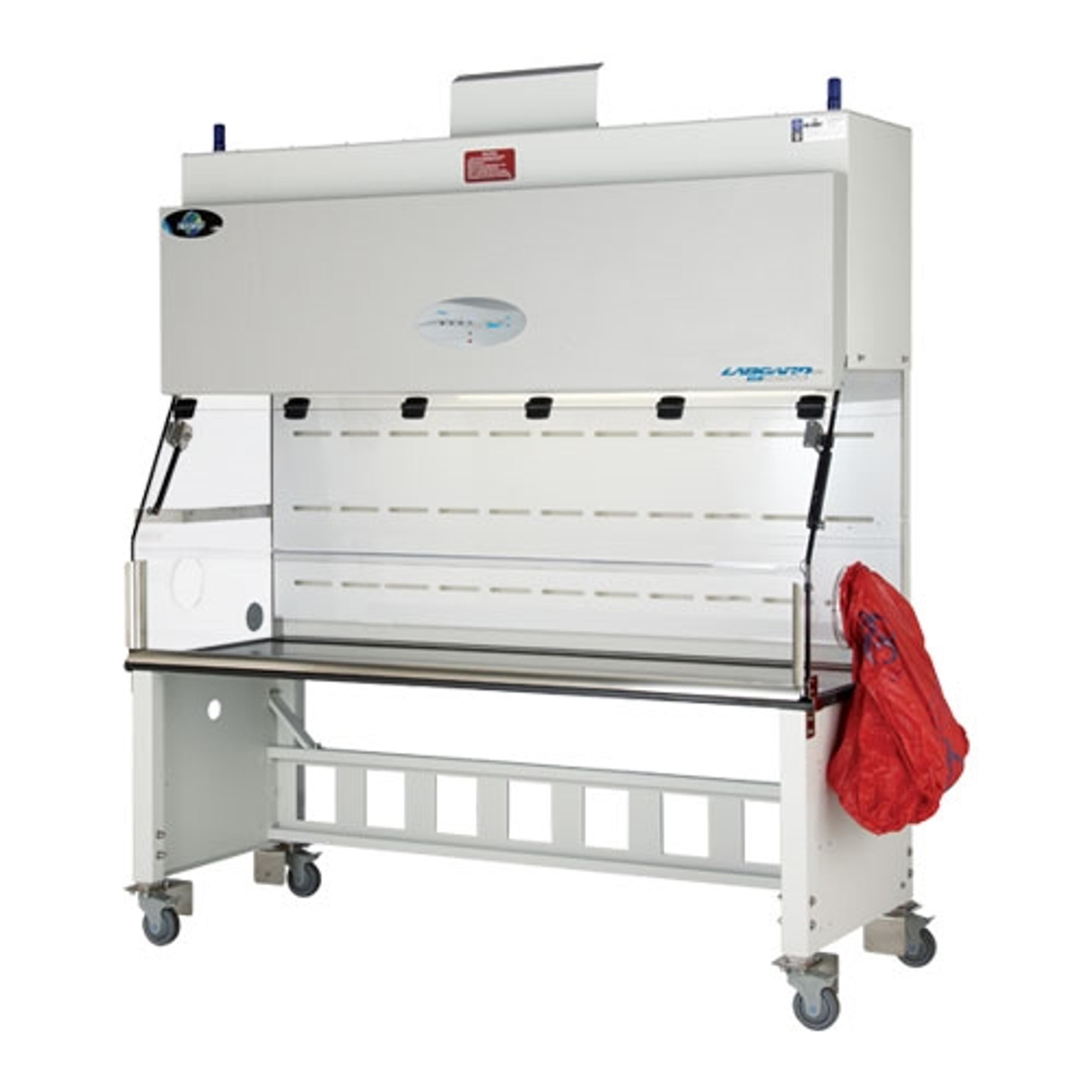
A biological safety cabinet (BSC) is a vital piece of technology for any laboratory requiring safe working areas, free from microbiological contamination. They are utilized in a wide variety of industries, both commercial and non-commercial, and safeguard users, materials and the environment from contamination. Therefore, selecting the right BSC is crucial and, to ensure that it fulfils the needs of your laboratory, certain considerations need to be taken into account.

Making the right decision requires experience and considerable technical knowledge, so it’s important to consult with the members of staff that will be using the technology day-to-day, as well as your environmental health and safety department. Their experience will enable you to make a better informed decision for the people who will ultimately be using the product. A white paper from NuAire details the most important things to consider when choosing a new BSC, read on for an overview of the key tips.

  • Perform a risk assessment

The first action is to arrange a risk assessment. Doing so will allow you to understand the specific requirements of your applications. Performed by qualified biosafety professionals, this assessment evaluates the major hazards encountered within your laboratory and provides the information needed to select a BSC, with the features and characteristics necessary for your application.

  • Learn from hands-on experience

There are many features and characteristics of a piece of technology, which will affect its usability. For example, glare from the cabinet sash can hinder visibility, but this is a factor that can often only be known through experience. Learning from this experience can provide vital information, enabling you to select a BSC that suits your laboratory’s needs.

  • Consider ergonomics

For routine batch processing, cabinets are commonly used for extended periods of time. To facilitate easy use and prevent repetitive strain injuries over time, the perfect BSC should have an ergonomic design. This judgement requires experience and so can only truly be made by those who interact with the BSC directly.

  • Keep productivity in mind

Poor choice of BSC can have a serious impact on productivity, as unreliable equipment is liable to disrupt work flows and compromise staff safety, whilst potentially also being costly to maintain. Work volume and the needs of your application must to be taken into account to help choose a cost effective but reliable BSC.

  • Technical support

Most technology within a laboratory is likely to require some technical support at some point within its working life, therefore it might be beneficial to consult the people who have built relationships with technical support. These relationships are valuable to help facilitate smooth troubleshooting. This is another advantage of consulting with your laboratory staff who will have experience of understanding how to best work through technical issues with support staff. Effective support maximizes employee safety and minimizes laboratory downtime.
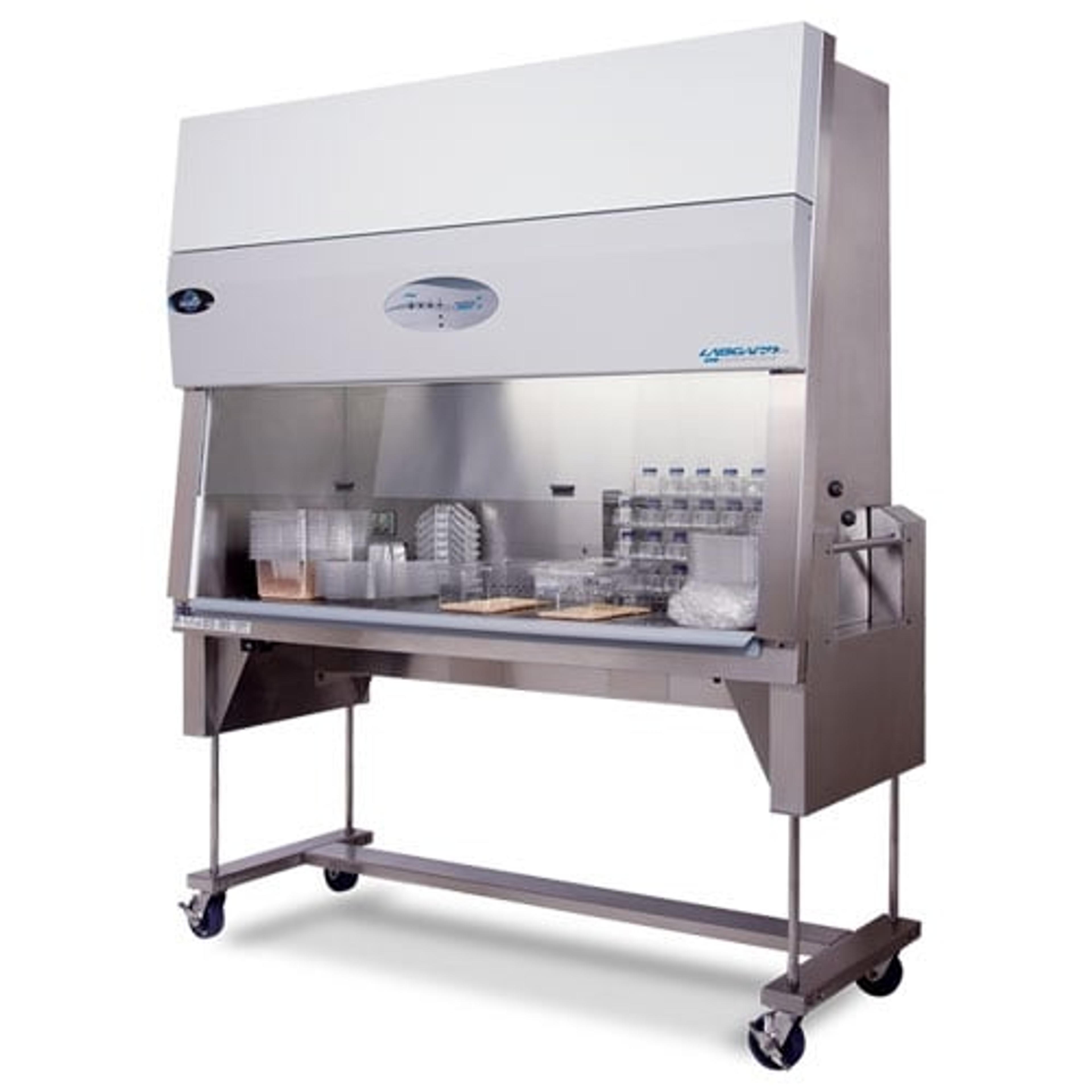
Download this white paper to learn about the most important considerations when purchasing a new biological safety cabinet for your laboratory.

Links

Tags

Cell / Tissue CultureCell culture or tissue culture is used to study the biology of cells or tissues and to isolate cellular products in an environment which can be manipulated and well defined. Accurately control your culture environment with bioreactors or culture incubators, bind your cells to a surface or together with an extracellular matrix. Distinguish cell types with differential media or proliferate cells with certain characteristics using selective media. Enrich your media with supplements such as growth factors, sera and vitamins. Find the best cell and tissue culture products, kits and equipment in our peer-reviewed product directory: compare products, check customer reviews and receive pricing direct from manufacturers.Cell Lines Stem Cells and Primary CellsPrimary cell cultures, established cell lines and stem cells are vital for <i>in vitro</i> and <i>ex vivo</i> experimentation. High-quality cells, optimized for your applications, alongside optimized cell substrates, growth medium and supplements, are critical for experimental success. Explore a range of cells suitable for your applications, including isogenic cell lines, competent cells, induced pluripotent stem cell (iPSC)-derived cell lines, fungal/bacterial/mammalian cell lines, stem cells and cancer cell lines. Find the best cells for your research in our peer-reviewed product directory: compare products, check customer reviews and receive pricing direct from manufacturers.DNA / RNA Extraction and PurificationPurified DNA and RNA are required for numerous downstream molecular biology applications. Consequently, the importance of high-quality DNA/RNA extraction and purification equipment cannot be underestimated. Many purification kits are available and are typically optimized for nucleic acid type and source, including plasmid DNA, genomic DNA, mRNA, RNA and viral nucleic acid purification kits. Automated extraction and purification of nucleic acids can be implemented with magnetic bead separator instruments or high-throughput purification workstations. Find the best DNA/RNA extraction and purification equipment in our peer-reviewed product directory: compare products, check customer reviews and receive pricing direct from manufacturers.Fumehoods and Biological Safety CabinetsFume hoods and biological safety cabinets are used to provide personnel, sample and environmental protection by limiting exposure to hazardous materials either by venting or enclosing hazardous sample space. Fume hoods include filtered and ductless fume hoods, general ducted fume hoods, laminar flow cabinets and cabinets for powder weighing. There are three classes of biological safety cabinet, dependent on the level of protection provided. Class I provide personnel and environmental protection, class II provide product, personnel and environmental protection. Class III provide the highest level of protection and are designed for use with high-risk biological agents. Other ventilated workspaces for the laboratory include glove boxes, glove bags, anaerobic and hypoxic workstations. Find the best fume hoods and biological safety cabinets in our peer-reviewed product directory: compare products, check customer reviews and receive pricing direct from manufacturers.Laboratory SafetyLaboratory safety is essential to the effective operation of all laboratories and is required to minimize the risk of harm during experiments. Guidelines, regulations, and equipment should be available in all laboratories to ensure that the working environment is safe and secure.