International Collaboration Develops Class Leading Technology

BMG LABTECH reports success from a recent Australian Research Council Linkage Grant

17 Jun 2015

Lois Manton-O'Byrne, PhD
Executive Editor

Industry news

The grant is targeted towards developing new technological approaches enabling academics, biotech and pharmaceutical companies to discover novel treatments for a range of disorders. A major outcome of the grant has been published recently in Nature Methods (Stoddart et al., 2015).

The paper entitled “Application of BRET to monitor ligand binding to GPCRs” demonstrates for the first time the principle of real time ligand binding to G Protein-Coupled Receptors (GPCRs), the single most important family of drug targets, using Bioluminescence Resonance Energy Transfer (BRET). In effect, the BRET technique has been shown to be an alternative to radio ligand binding experiments and extends researchers’ capability to allow assessment of real time binding kinetics in live cells. This adds to the established capability of BRET to monitor protein-protein interactions in real time in live cells, further enhancing biologists’ and pharmacologists’ insights into real time cellular processes.

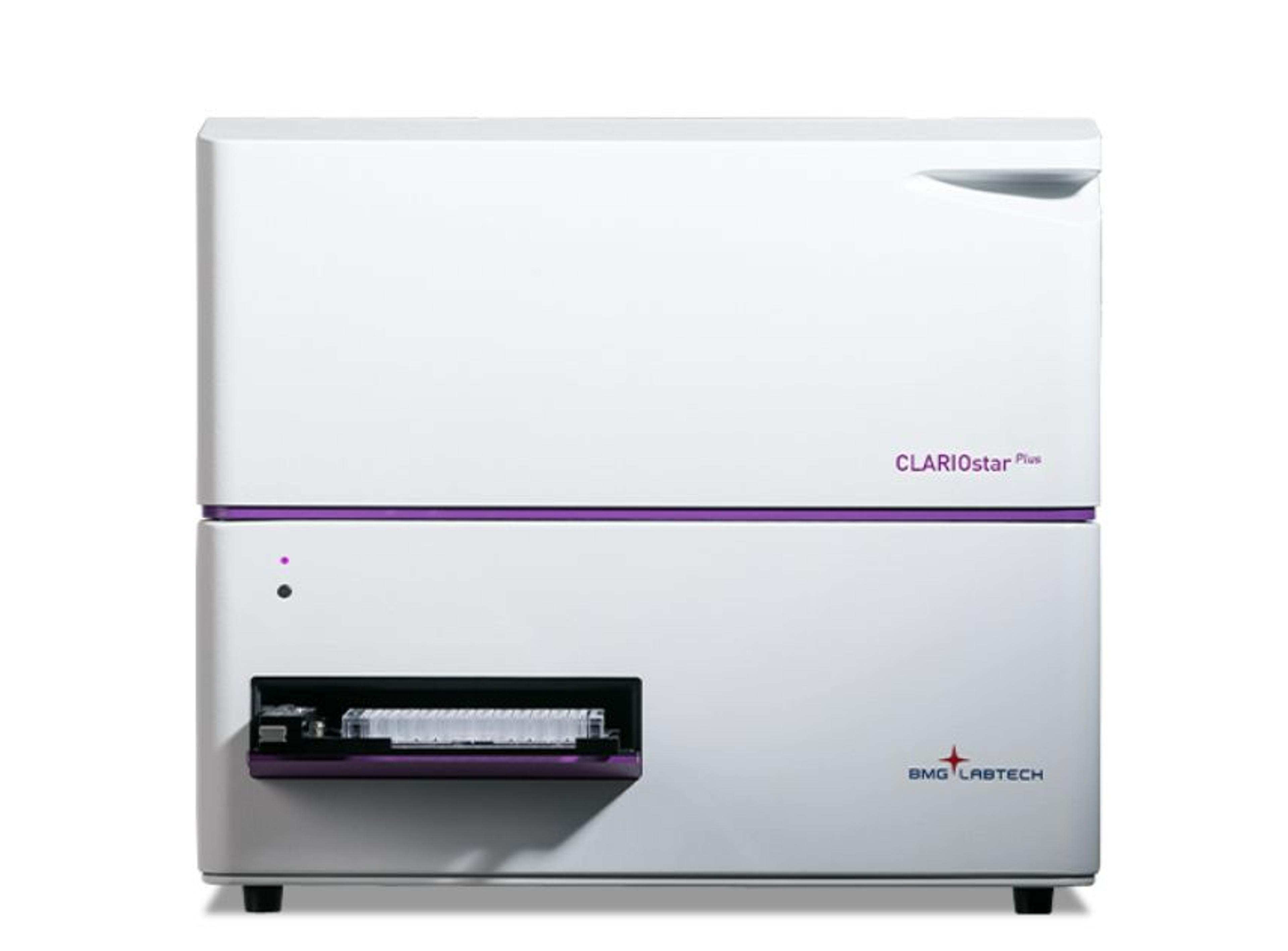
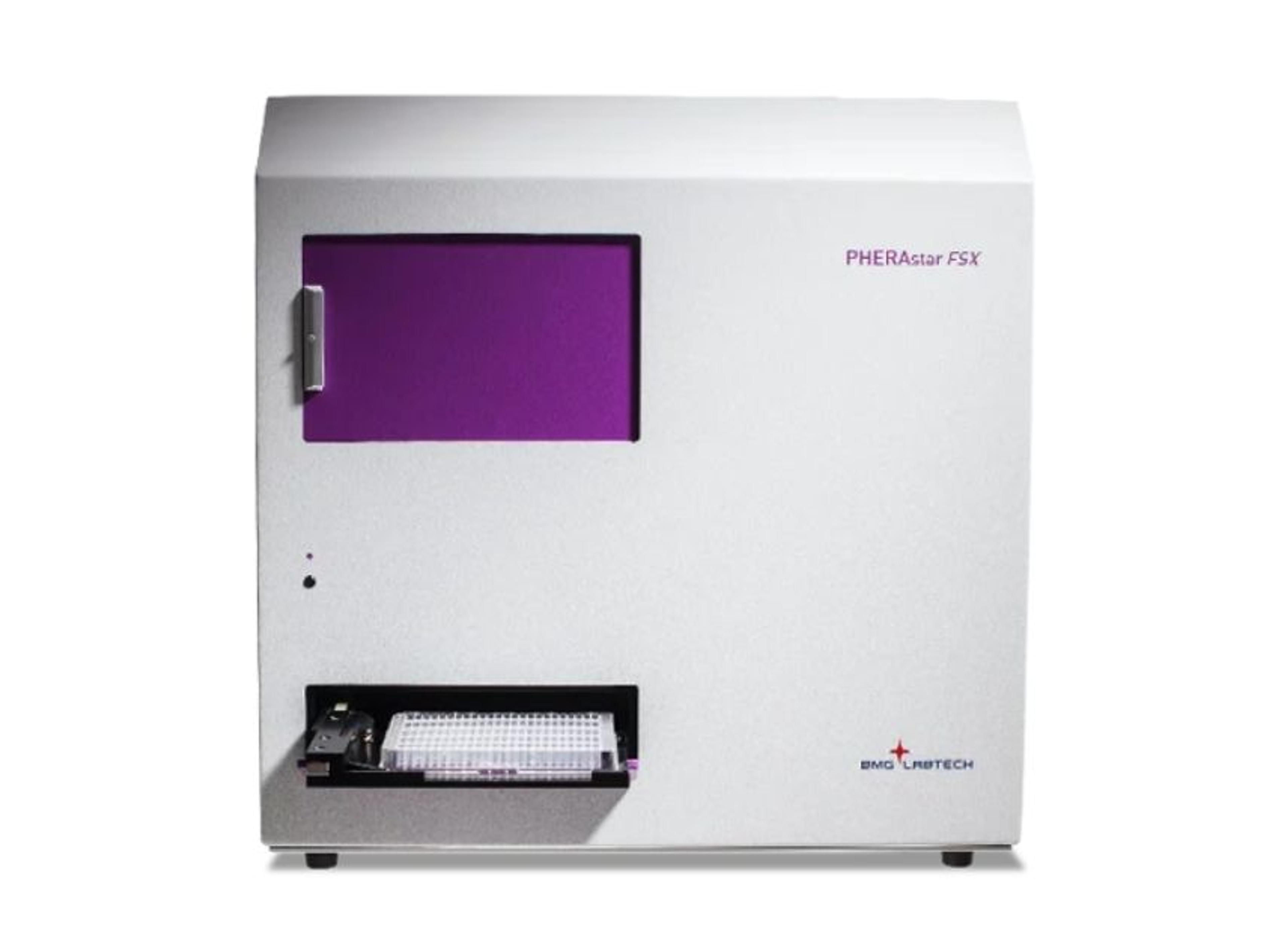
The project combines the knowledge and expertise of the laboratories of Associate Professor Kevin Pfleger of The University of Western Australia/Harry Perkins Institute of Medical Research and Professor Stephen Hill of The University of Nottingham (UK) who are leaders in BRET and fluorescence technology development respectively. All BRET measurements shown in the paper were performed on BMG LABTECH’s multimode microplate readers CLARIOstar® and PHERAstarFS . BMG LABTECH Australia placed both readers at disposal of the group to support the grant.

Both microplate readers are qualified for all Luminescence measurements. Equipped with BMG LABTECH’s LVF monochromatorTM technology the CLARIOstar® allows continuously adjustable bandwidths from 8 to 100 nm. The PHERAstarFS comes with assay-optimized optic modules and the fastest read times.

Links

Tags

MicroplatesMicroplates are multi-well plates used to increase the throughput of biological investigations. The number of wells microplates contain can range from 6 to 3243 wells, with the 96-well format being the most commonly used. Microplates can come tailored for a range of applications including cell culture, PCR, filtration, storage, non-binding surface, protein crystallization, as well as pre-coated, deep well and normal Standard microplates. Additionally, options for microplate colors include clear , black, white or black with clear bottom and white with clear bottom for absorbance microplate reader applications. Find the best microplates for your lab in our peer-reviewed product directory: compare products, check customer reviews and receive pricing direct from manufacturers.Microplate Readers / DetectorsMicroplate readers are used to automate the detection and analysis of labeled or label-free components in microplates during assays or live-cell monitoring. Microplate readers are generally distinguished by their mode of detection. Types include absorbance, luminescence, fluorescence intensity, fluorescence polarization, TRF / FRET and multimode microplate readers. Microplate readers deliver a high throughput of samples by reading multiple wells simultaneously, with the 96-well format the most commonly used. As a result, microplate readers are often used in the drug discovery, bioassays, research and pharmaceutical industries for screening applications. Microplate loading can also be automated, with robotic microplate stackers to increase throughput. Find the best microplate readers in our peer-reviewed product directory: compare products, check customer reviews and receive pricing direct from manufacturers.Drug TestingIt is essential to test the efficacy and toxicity of drugs at every stage of their development to ensure that a pharmaceutical product is fit for purpose and safe for use before reaching the stage of mass production and distribution.BioluminescenceDrug DiscoveryDrug discovery is the process of identifying potential new medications, involving stages such as target identification, compound screening, and preclinical development. It relies on cutting-edge technologies like high-throughput screening, artificial intelligence, and molecular modeling to accelerate the identification of drug candidates. Drug discovery plays a pivotal role in developing new therapies for diseases ranging from cancer to rare genetic disorders. Browse our peer-reviewed product directory to find the latest drug discovery technologies, compare options, check customer feedback, and get pricing directly from manufacturers.