Infographic: Immune function profiling in cancer research

Download this infographic from Sartorius to find out more about how flow cytometry platforms can be used for immune cell profiling

29 Jan 2020

Sophie Ball
Publishing / Media

Industry news

The emergence of cancer drugs that harness the power of the patient’s immune system has dramatically changed the cancer care landscape in recent times. Complex cellular models and assays for lead identification and characterization are essential to the development of these drugs. A key parameter for the development of these cancer drugs is to use phenotyping and functional assays to assess and characterize immune cells.

Immune function profiling assays enable the analysis of immune cell function to provide deeper insights into immune function and aid in the development of novel cancer therapies. Such therapies include antibody-based therapies against specific cell surface targets that can directly modulate the activity of T cells, reawakening their ability to bind to and kill cancer cells.

Technologies capable of robustly and reliably providing high-content immunophenotypic and functional data are needed to accelerate the development of these new drugs. Sartorius Group has published a helpful infographic that gives an insight into these vital technologies and how they may be applied for the transformation of your immune cell profiling.

Download the free infographic here, to find out more about:

  • Immune function profiling assays used within cancer research
  • The traditional technologies used to evaluate immune function
  • Challenges associated with immune profiling
  • How advanced flow cytometry platforms are used to transform immune cell profiling
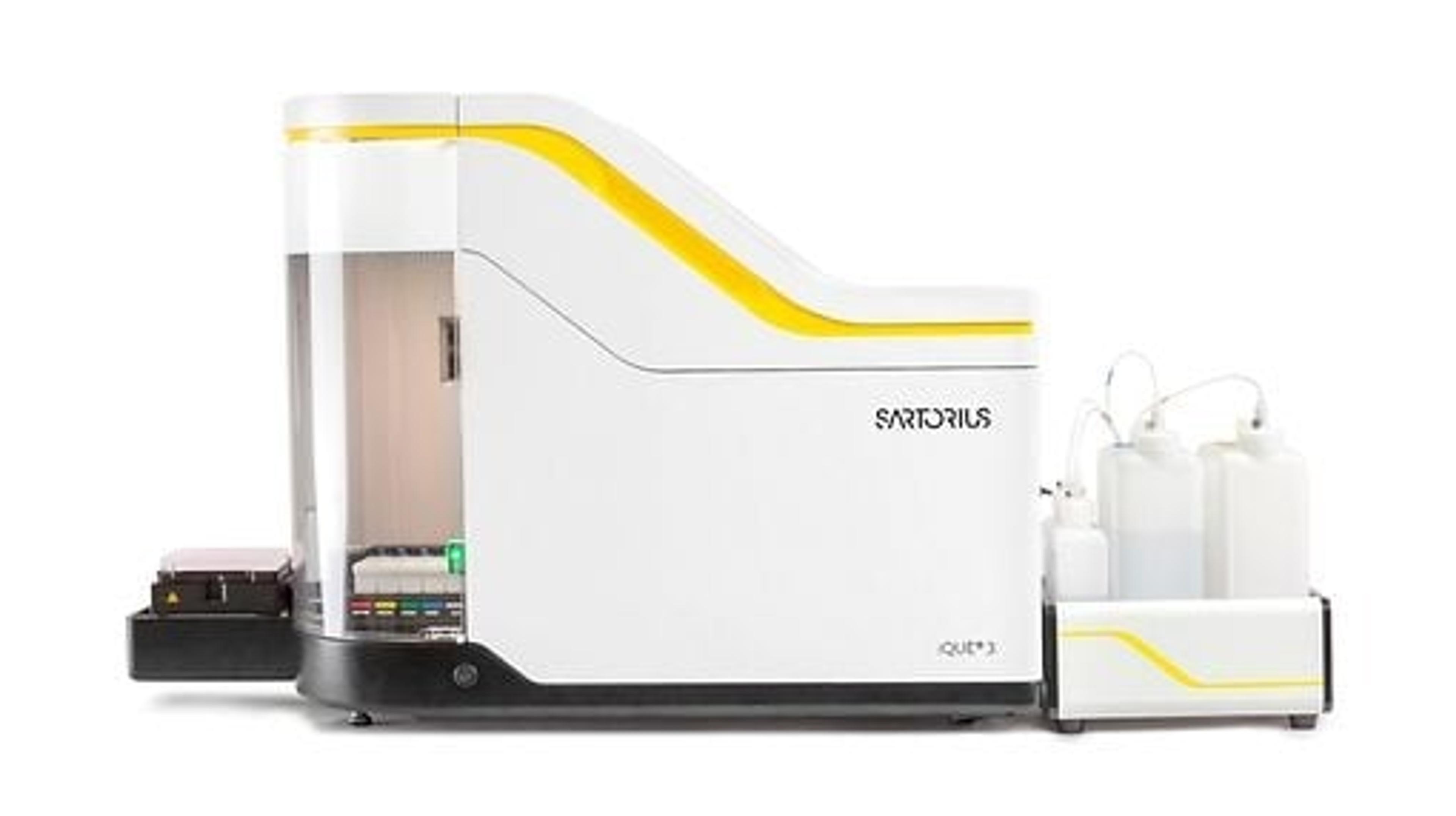
Download immune function profiling in cancer research infographic >>

Links

Tags

Flow Cytometry / Cell CountingFlow cytometers are used to count, sort and examine multiple characteristics of cells. Other cell analysis equipment includes image cytometers, cell counters, fluorescence-activated cell sorters (FACS), magnetic-activated cell sorters (MACS), and a range of flow cytometry assay kits. Flow cytometers can reveal information on cell viability, cell proliferation, apoptosis and cell cycle progression, as well as identify cell populations and intracellular or cell-surface molecules. Additionally, some flow cytometers, known as FACS, have an additional sorting function after analysis. Cell counters and image cytometers count live and dead cell populations and can also conduct cell proliferation assays. Find the best flow cytometers, cell counters and cell sorters in our peer-reviewed product directory: compare products, check customer reviews and receive pricing direct from manufacturers.Cell-Based AssaysCell-based assays are used to monitor the presence, quantity and activities of a desired cellular analyte including drug molecules or biomarkers. This can reveal information on cell health (apoptosis, cytotoxicity, viability and proliferation assays), cell metabolism, cell migration and cell signaling mechanisms. Find the best cell-based assay products, kits and equipment with our peer reviewed product directory: compare products, check customer reviews and receiving pricing direct from manufacturers.Biopharmaceutical AdvancesBiopharmaceutical advances follow the development of pharmaceuticals derived from biotechnology, also known as biotechnology medicines. Biopharmaceuticals may be produced from cell lines, plants, or microbial cells. Important considerations of biopharmaceutical use include application, cost, production process and purification.ImmunoassayImmunoassays are laboratory tests that utilize antibody-antigen interactions to detect specific substances. They are widely used in diagnostics for detecting diseases, drug testing, and environmental monitoring. These assays offer rapid, sensitive, and precise detection of biomarkers, making them invaluable in clinical and research labs. Browse our peer-reviewed product directory to compare immunoassay systems, read user reviews, and get pricing directly from manufacturers.ImmunotherapyImmunotherapy is a treatment approach that utilizes the body�s immune system to fight diseases, especially cancer. It includes therapies such as monoclonal antibodies, checkpoint inhibitors, and CAR-T cell therapy. Immunotherapy is a rapidly growing area of research in oncology and autoimmune diseases. Browse our peer-reviewed product directory to find the best immunotherapy tools, compare products, check reviews, and get pricing directly from manufacturers.Cancer ResearchAlthough cancer is often referred to as a single condition, it actually consists of more than 100 different diseases. Microscopy, mass spectrometry, high throughput sequencing and flow cytometry are some of the most common techniques employed in cancer research labs.
Infographic: Immune function profiling in cancer research