Immuno-oncology advances: From tumor microenvironments and CAR-T cell workflows to macrophage generation

Discover the latest technologies and techniques that are revolutionizing immuno-oncology research

22 Nov 2019
Laura Sisman
Administrator / Office Personnel

Editorial article

In recent years, research into immuno-oncology - using our own immune system to fight cancer - has thrived. However, when it comes to the true capability and role the immune system can play, there is still a lot to be uncovered. In this article, we catch up with some of the latest advancements in the immuno-oncology field, from monoclonal antibody-based cancer treatments to immunoassay method developments.

Gain greater insights into the tumor microenvironment

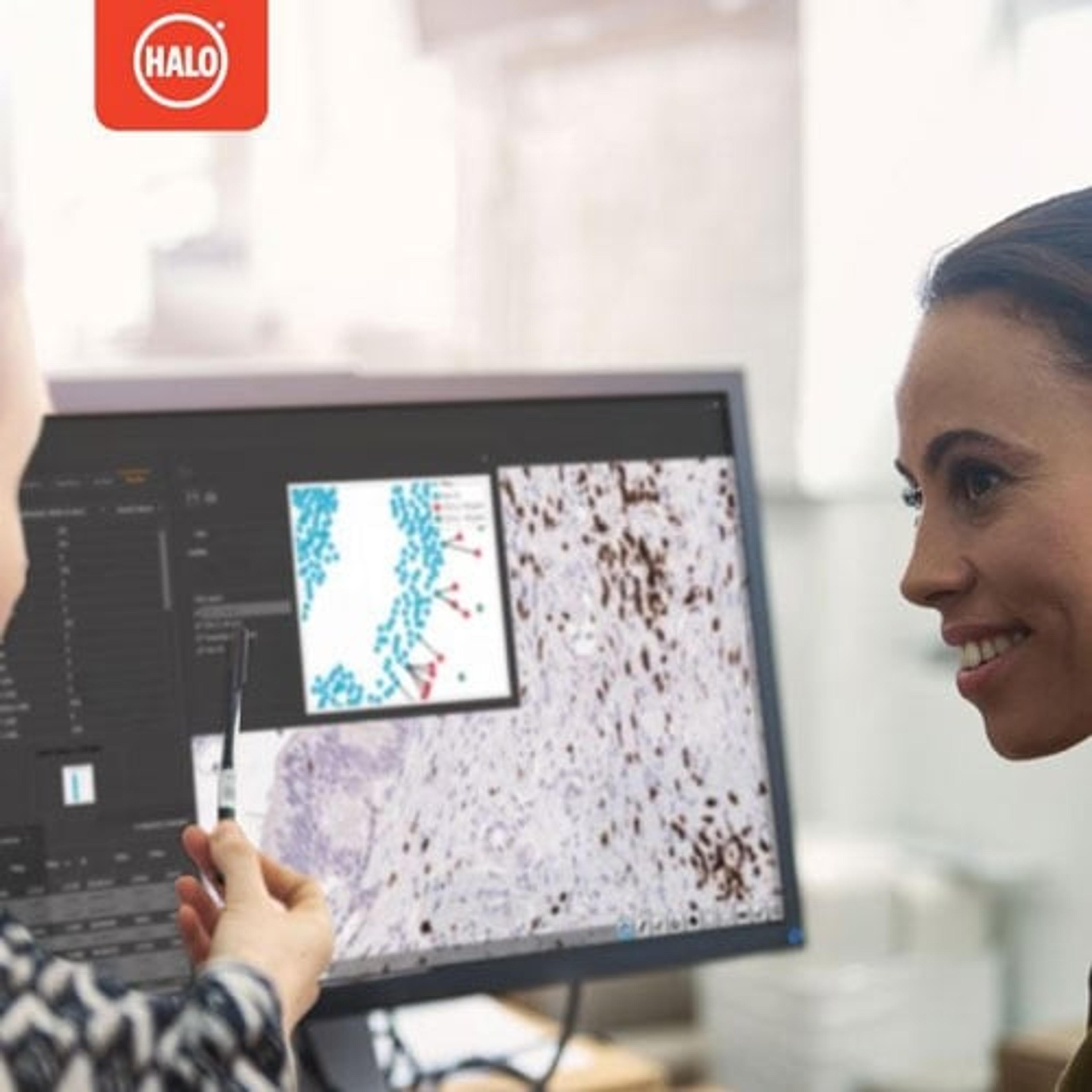
Learn how multiplexed immunofluorescence and next-generation image analysis using Indica Labs uses its HALO® image analysis platform is enabling researchers at St. Andrew's University, U.K., to better identify high‑risk stage II colorectal cancer patients.

Read article>>

Using advanced high-throughput flow cytometry to accelerate immuno-oncology drug discovery

Pushing the frontiers of immune-oncology discovery

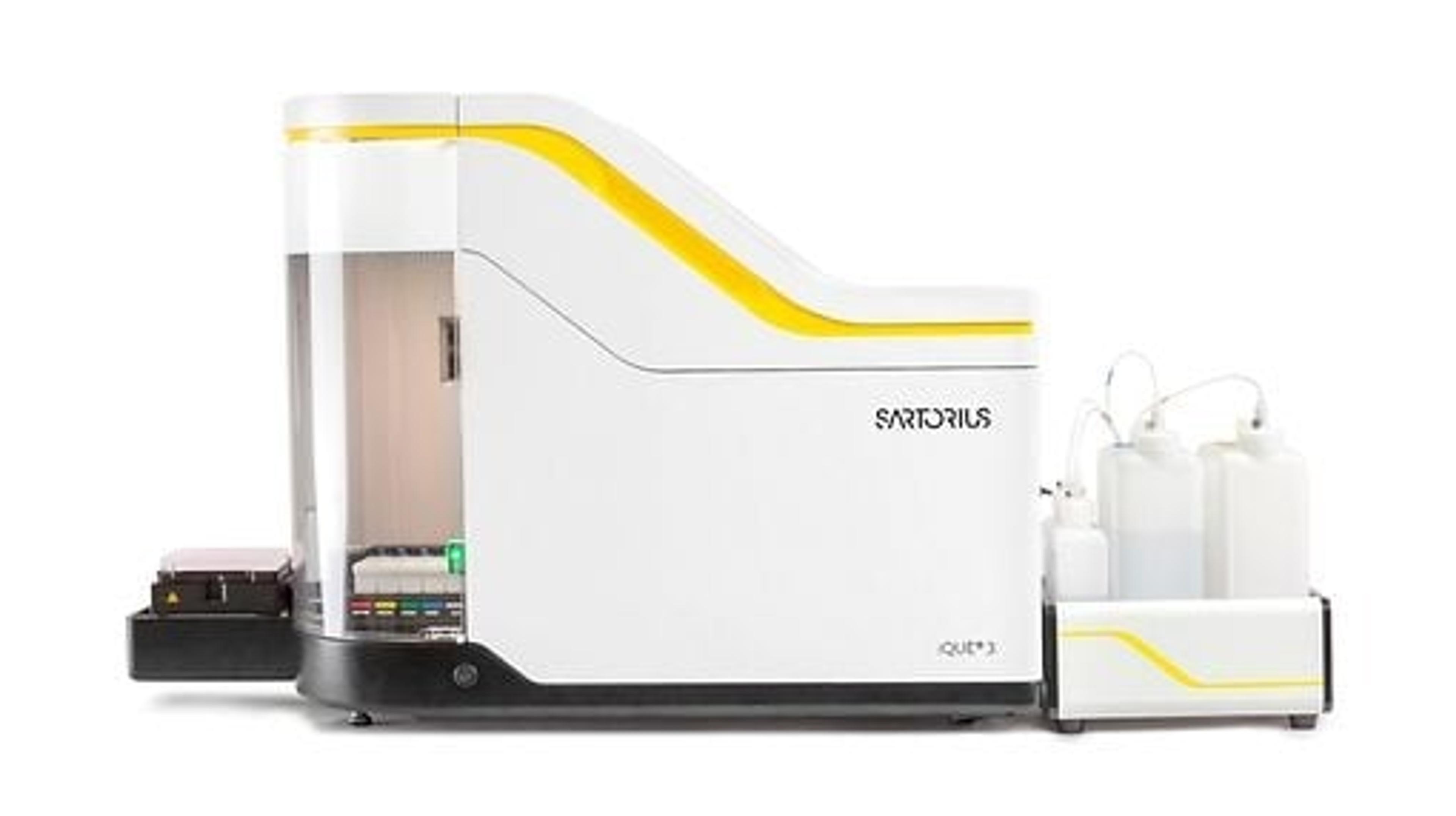
Find out how to accelerate immuno-oncology research with the Intellicyt iQue3 from Sartorius Group and discover advanced high-throughput flow cytometry to avoid limitations of previous methods.

Read article>>

Quick and easy in-house assay development

Watch this video to hear about CaptSure™ DIY ELISA by Expedeon and how it can accelerate and simplify antibody pair selection to optimize your in-house ELISA; suited for both routine and high-throughput screening.

Watch video>>

In vitro macrophage generation and analysis

Discover how to generate, isolate and analyze macrophage cell cultures with ease and flexibility using PromoCell's unique range of assays and reagents.
Download guide>>

Detect concentrations of human anti-Müllerian hormone (AMH) as low as 3.8ph/ml

Quantitation immunoassays for reproductive endocrinology research

Learn how to detect concentrations of human anti-Müllerian hormone (AMH) as low as 3.8ph/ml with this three-step immunoassay from Ansh Labs.

Learn more>>

Related immuno-oncology resources:

  • An accelerated discovery pipeline for antiviral antibody therapeutics - Watch this webinar to learn how expert researchers have implemented accelerated discovery and validation of potent therapeutic monoclonal antibodies, using an integrated pipeline technology combining flow cytometry, bioinformatics, and high-throughput analysis. Watch webinar>>
  • Antibody-based cancer therapeutics - Discover the cutting-edge technologies behind successful discovery and development methods for monoclonal antibody-based cancer treatments. Download eBook>>
  • Optimized CAR-T cell development workflows - Download this exclusive eBook to find out about the key factors, important considerations, and workflows to enable CAR-T cell therapy discovery and development. Download eBook>>
  • How to buy immunoassay analyzers - If you are looking to purchase an immunoassay analyzer for your laboratory, or to replace an existing instrument, this guide provides important information to help you make the right decision. Learn about the different types of immunoassay technology, automation options, disease state assays, and other important considerations. Download eBook>>
  • Latest reviews - Read reviews left by other immuno-oncology scientists to help you choose the best instruments for your lab or share your opinion to help your peers by writing your own review today. Here's what Camille Britton-Rivet, from Immunocore, had to say about the HALO® Image Analysis Platform by Indica Labs:
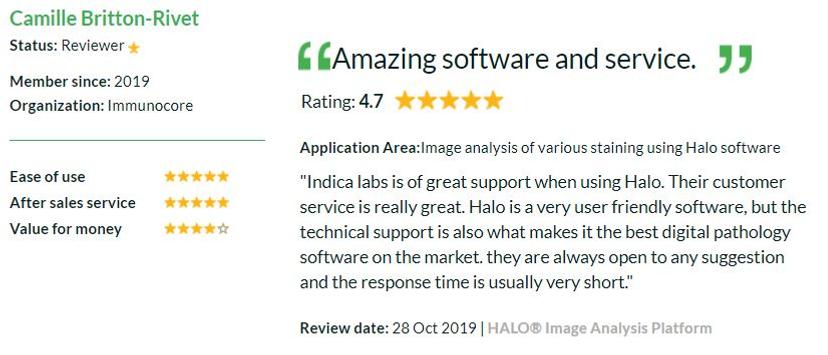
Review of the HALO® Image Analysis Platform by Indica Labs

Visit our immuno-oncology special feature for more of the latest>>

Links

Tags

AntibodiesAntibodies are used in techniques such as confocal and fluorescence microscopy, flow cytometry, ELISA, ELISPOT, immunohistochemistry, western blotting and immunopreciptation. Select specific antigen reactivity, high specific affinity, low non-specific binding, monoclonal or polyclonal, primary or secondary antibodies and associated conjugates such as an enzyme or dye for visualization.ELISAEnzyme-linked immunosorbent assays (ELISA), also known as enzyme immunoassays (EIA), are used for the detection and quantification of proteins, peptides and antibodies in a sample. ELISA often comes in kit format, with pre-selected antibody pairs to detect specific proteins or biomarkers of diseases such as diabetes and obesity, or cardiovascular and neurological disorders. Detection is made possible with chemiluminescent, fluorescent or colorimetric substrates and detection instruments such as microplate / ELISA readers. Other kits available include: Enzyme-linked immunospot (ELISPOT) assays for the quantification of protein-producing cells and chemiluminescent immunoassays (CLIA) kits. Find the best ELISA kits and products in our peer-reviewed product directory: compare products, check customer reviews and receive pricing direct from manufacturers.Gel Doc / Image AnalysisGel documentation (gel doc) or gel imaging systems are used for the analysis of proteins, antibodies and nucleic acid immobilized in polyacrylamide or agarose gels, membranes or microarrays. Explore a range of a gel imaging systems, densitometers, scanners, transilluminators or UV lamp + CCD cameras for your image analysis solutions. Colorimetric, fluorescent and/or radioisotopic samples can be visualized and documented for further analysis. See gel doc / Image analysis software for quantitative 1D and 2D analysis of your samples. Find the best gel doc / image analysis products in our peer-reviewed product directory: compare products, check customer reviews and receive pricing direct from manufacturers.Flow Cytometry / Cell CountingFlow cytometers are used to count, sort and examine multiple characteristics of cells. Other cell analysis equipment includes image cytometers, cell counters, fluorescence-activated cell sorters (FACS), magnetic-activated cell sorters (MACS), and a range of flow cytometry assay kits. Flow cytometers can reveal information on cell viability, cell proliferation, apoptosis and cell cycle progression, as well as identify cell populations and intracellular or cell-surface molecules. Additionally, some flow cytometers, known as FACS, have an additional sorting function after analysis. Cell counters and image cytometers count live and dead cell populations and can also conduct cell proliferation assays. Find the best flow cytometers, cell counters and cell sorters in our peer-reviewed product directory: compare products, check customer reviews and receive pricing direct from manufacturers.ImmunologyImmunological techniques measure and characterize immune responses. Immunology kits and analysis systems often use techniques such as ELISA, radioimmunoassay (RIA) and immunodiffusion assays, Immunohistochemistry, and flow cytometry. Immunologists use equipment such as flow Cytometers, plate readers, plate washers and fluorescent microscopes.Cellular PathologyCellular Pathology deals with the microscopic analysis of tissue samples and cells. Sample preparation and processing includes fixation, staining, sectioning and slide mounting, using equipment such microtomes and cryostats. In choosing immunohistochemistry and immunocytochemistry kits, consider chromogens, staining method, antibodies, microscopes and imaging.Cell-Based AssaysCell-based assays are used to monitor the presence, quantity and activities of a desired cellular analyte including drug molecules or biomarkers. This can reveal information on cell health (apoptosis, cytotoxicity, viability and proliferation assays), cell metabolism, cell migration and cell signaling mechanisms. Find the best cell-based assay products, kits and equipment with our peer reviewed product directory: compare products, check customer reviews and receiving pricing direct from manufacturers.BiomarkersBiomarkers are biological markers which can be measured and evaluated to indicate a biological state. The use of biomarkers in research and diagnosis can indicate a normal or disease state or drug response of cells / tissues. Biomarkers include genetic markers, cell surface markers such as antigens, antibodies or receptors and secreted molecules such as cytokines. An assay system is required for identification of biomarkers. :Biopharmaceutical AdvancesBiopharmaceutical advances follow the development of pharmaceuticals derived from biotechnology, also known as biotechnology medicines. Biopharmaceuticals may be produced from cell lines, plants, or microbial cells. Important considerations of biopharmaceutical use include application, cost, production process and purification.In Vivo Imaging Systems<i>In vivo</i> imaging systems, including pre-clinical imaging systems and medical imaging systems are used to non-invasively visualize and capture images of live animals and plants. Monitor the natural processes or diseases of your subjects using small-animal pre-clinical imaging systems, including single photon positron emission tomography (SPECT), positron emission tomography (PET), computed tomography (micro-CT), magnetic resonance imaging (MRI), X-ray radiography, ultrasound, fluorescence and bioluminescence imagers. Multimodal systems and software solutions are also available for correlative analysis of organ, tissue, cell, or molecular-level processes. Find the best in vivo imaging products in our peer-reviewed product directory: compare products, check customer reviews and receive pricing direct from manufacturers.ImmunoassayImmunoassays are laboratory tests that utilize antibody-antigen interactions to detect specific substances. They are widely used in diagnostics for detecting diseases, drug testing, and environmental monitoring. These assays offer rapid, sensitive, and precise detection of biomarkers, making them invaluable in clinical and research labs. Browse our peer-reviewed product directory to compare immunoassay systems, read user reviews, and get pricing directly from manufacturers.Colorectal CancerMonoclonal AntibodiesMonoclonal antibodies (mAbs) are lab-made molecules that can bind to specific antigens on cells, making them highly effective in treating cancers, autoimmune diseases, and infections. These targeted therapies are transforming the treatment landscape for many conditions. Browse our peer-reviewed product directory to find monoclonal antibodies for research and clinical applications; compare products, check reviews, and get pricing directly from manufacturers.Cancer DiagnosticsThere are a wide variety of diagnostic tests for cancer available, and this range continues to expand as our knowledge of cancer improves. Current diagnostic methods include biopsy, imaging and blood tests for known biomarkers. New methods in research development include liquid biopsies and cancer breathalyzers.Cell ImagingCell imaging can be achieved using a number of techniques including confocal microscopy, transmission electron microscopy, atomic force microscopy, and light sheet microscopy.