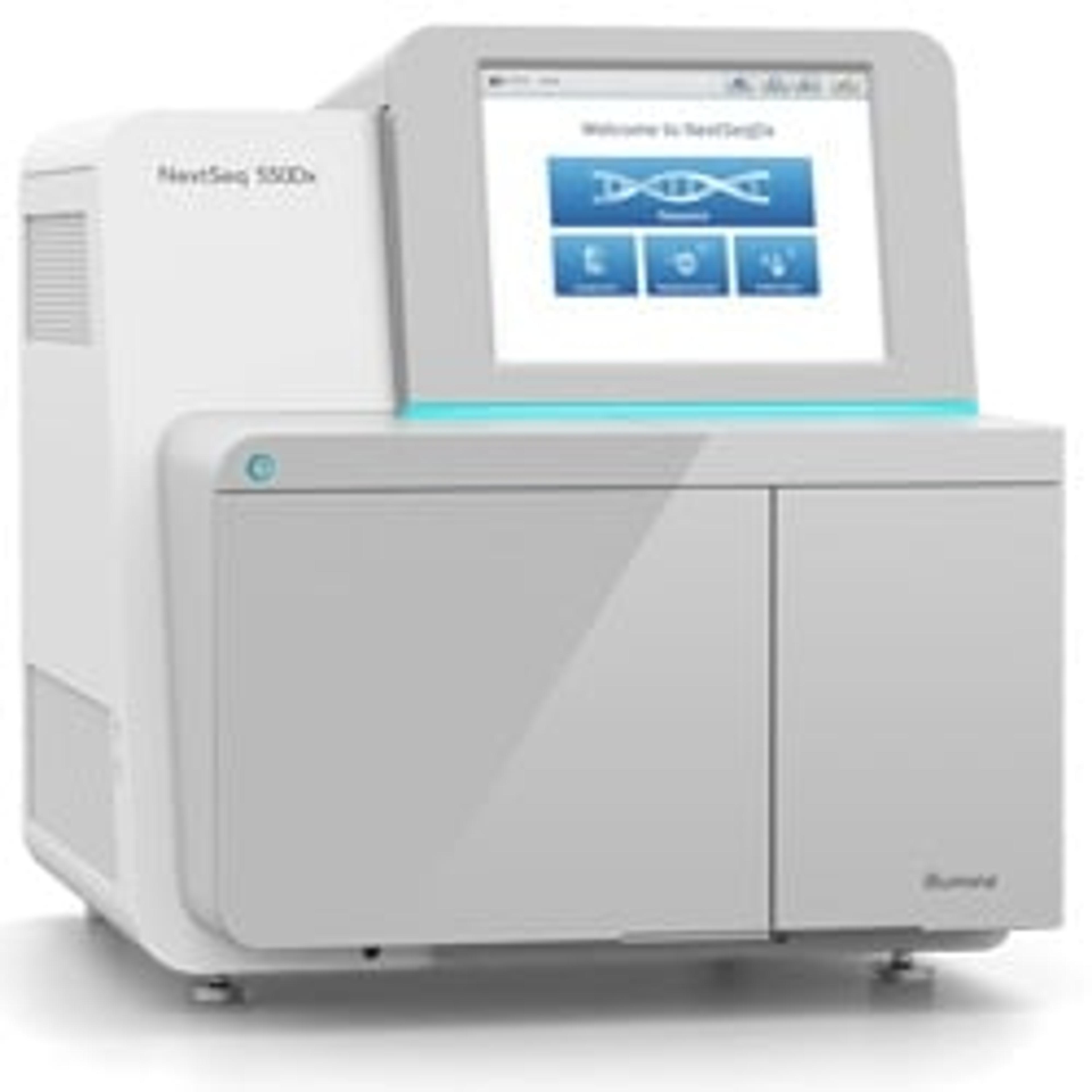
Illumina and Kartos Therapeutics partner to develop an NGS-based TP53 companion diagnostic

22 Apr 2021

Diane Li
Assistant Editor

Industry news

Illumina, Inc. and Kartos Therapeutics, Inc. are pleased to announce a new partnership to co-develop a TP53 companion diagnostic (CDx) based on the content of Illumina’s comprehensive genomic profiling assay, TruSight™ Oncology 500 (TSO 500). This companion diagnostic for multiple hematologic indications will be the first to use TSO 500 with peripheral whole blood as a diagnostic sample type.

“With this partnership, Illumina will expand the TruSight Oncology offerings into hematologic malignancies,” said Phil Febbo, MD, Chief Medical Officer of Illumina. “By leveraging our technology and harnessing the expertise at Kartos, we continue to advance Illumina’s commitment to develop standardized, globally distributable tools for precision oncology.”

The initial focus of the collaboration will be the co-development of multiple CDx claims in blood cancers for Kartos’ KRT-232, a potent and selective oral MDM2 inhibitor that activates p53 to drive tumor cell death in TP53 wild-type cancers.

“Kartos is dedicated to developing novel, targeted therapeutics that meaningfully improve the lives of patients with cancer,” said Jesse McGreivy, MD, Chief Executive Officer and Chief Medical Officer at Kartos. “This partnership will allow us to capitalize on TSO 500 as we explore the expanded use of KRT-232, which offers a unique mechanism to restore the function of p53, one of the most critical tumor suppressor proteins, resulting in apoptosis of malignant cells across a variety of hematologic and solid tumor types.”

The collaboration with Kartos builds on a solid history and varied portfolio of Illumina’s oncology partnerships with industry leaders, with the united goal of advancing cancer diagnostics and precision medicine.

Do you use Illumina products in your lab? Write a review today for your chance to win a $400 Amazon Gift Card>>

Links

Tags

HematologyIn Haematology / Hematology, complete blood cell counts (or full blood counts) are obtained using automated blood count analyzers to enumerate blood cell types.  Hematology also encompasses haemostasis and coagulation, thrombophilia and hemophilia, plasma viscosity and ESR analysis, hemoglobinopathies, cell morphology and haematinic measurement.ImmunologyImmunological techniques measure and characterize immune responses. Immunology kits and analysis systems often use techniques such as ELISA, radioimmunoassay (RIA) and immunodiffusion assays, Immunohistochemistry, and flow cytometry. Immunologists use equipment such as flow Cytometers, plate readers, plate washers and fluorescent microscopes.Cellular PathologyCellular Pathology deals with the microscopic analysis of tissue samples and cells. Sample preparation and processing includes fixation, staining, sectioning and slide mounting, using equipment such microtomes and cryostats. In choosing immunohistochemistry and immunocytochemistry kits, consider chromogens, staining method, antibodies, microscopes and imaging.Clinical ChemistryBiochemistry (or clinical chemistry) involves the analysis of bodily fluids using chemical tests. Techniques used include HPLC, chromatography, spectroscopy, mass spectrometry, immunochemical, electrophoresis, turbidometric / spectrophotometric assay, MRI and ISE analysis. Tests are often carried out on plasma or serum but urine (urinalysis) and fecal specimens are also processed.Clinical GeneticsMolecular Genetics covers the analysis of hereditary genetic disease and chromosomal abnormalities. Genetics can be analysed using DNA, RNA, and protein microarrays, PCR, RT PCR and DNA sequencing. Genetic equipment includes genetic workstations, thermal cyclers, cooling blocks and electrophoresis products. Diagnostic kits are used for DNA / RNA extraction and purification.Clinical MicrobiologyMicrobiology is the study of microorganisms including protists, prokaryotes, fungi, and, often, viruses. Microorganisms are a useful research tool as genetic vectors and, in immunology, for antibiotic susceptibility testing, cellular biology and genetics. Microorganisms commonly grow readily in incubators with microbial culture media; this can contain chromogenic supplements to differentiate between cell lines. Estimate your culture’s density of microorganisms with colony counters, or screen and select colonies for desirable clones with automated colony pickers. Additionally, equipment is available to monitor environments for the presence of microbes and identify with microbial identification instruments. Find the best microbiology products in our peer-reviewed product directory: compare products, check customer reviews and receive pricing direct from manufacturers.Next Generation SequencingNext-generation sequencing (NGS), also known as whole-genome sequencing, high-throughput sequencing and massive parallel sequencing, produces and analyses thousands to millions of nucleotide sequences at once. Sequencing systems operate via varying technologies depending on the manufacturer, including sequencing by synthesis, ligation, pyrosequencing, ion semiconductor and single-molecule real-time sequencing. For NGS, library preparation is paramount to successful sequencing. In this section, explore a range of library preparation kits, from targeted, amplicon-based or hybridization-based kits including epigenomic, transcriptomic and genomic workflows to fragmentation kits. Find the best next-generation sequencing products in our peer-reviewed product directory: compare products, check customer reviews and receive pricing direct from manufacturers.Companion DiagnosticsCompanion diagnostics are tests, often <i>in vitro</i>, that are used to determine whether a therapeutic product will be safe and effective for use on an individual. They also identify which patients will benefit most from them. Companion diagnostic tests are often developed in conjunction with the pharmaceutical industry.Cancer DiagnosticsThere are a wide variety of diagnostic tests for cancer available, and this range continues to expand as our knowledge of cancer improves. Current diagnostic methods include biopsy, imaging and blood tests for known biomarkers. New methods in research development include liquid biopsies and cancer breathalyzers.Molecular DiagnosticsMolecular diagnostics use an individual’s genetic code and gene expression to diagnose and monitor diseases. The technique is used increasingly in the field of infectious diseases and oncology, as well as areas such as coagulation, HLA typing and pharmacogenomics. Molecular diagnostics plays a pivotal role in personalized medicine.Precision MedicinePrecision medicine refers to the idea of customized healthcare, where medical decisions and treatments are tailored to the individual patient. Molecular diagnostics, companion diagnostics and Next Generation Sequencing (NGS) play a pivotal role in this approach. Cancer ResearchAlthough cancer is often referred to as a single condition, it actually consists of more than 100 different diseases. Microscopy, mass spectrometry, high throughput sequencing and flow cytometry are some of the most common techniques employed in cancer research labs.