
Identify Biomarkers for Earlier Diagnosis of Pancreatic Cancer
Elucidating the roles of cancer associated fibroblasts in modulating the tumor microenvironment
1 Aug 2017
Editorial article


Dr Ralph Francescone, Fox Chase Cancer Center, Philadelphia, USA, is investigating the mechanisms driving pancreatic cancer
Dr Ralph Francescone is a post-doctoral fellow in the lab of Dr Edna Cukierman at Fox Chase Cancer Center, Philadelphia, USA. Research in the Cukierman lab is focused on understanding the role of the desmoplastic tumor microenvironment in pancreatic cancer, as well as how desmoplastic activity can be altered. It is hoped that this research will help to identify new therapeutics that could target tumor-stromal interactions to stall tumor growth. SelectScience® speaks to Dr Francescone to learn more about his research into the interaction between cancer-associated fibroblasts and pancreatic cancer cells, how this drives pancreatic cancer progression, and the latest microplate reader technology enabling his studies.
Mechanisms of tumor growth
“One of the hallmarks of pancreatic cancer is the expansion of cancer-associated fibroblasts, which can account for up to 90% of the tumor mass,” Dr Francescone explains. “So, the question in the field remains, what are they doing in the tumor?” Previous studies have revealed conflicting results. To address this challenge, Dr Francescone and his colleagues are studying the role of cancer-associated fibroblasts in pancreatic cancer to decipher how they modulate tumor growth.
“We are specifically studying the complex interactions between cancer-associated fibroblasts, tumor cells, and the immune system,” explains Dr Francescone. This involves investigating how cancer-associated fibroblasts can regulate tumor cells and the immune system, and how this correlates with patient outcomes, with the hope of identifying potential biomarkers that can be used in pancreatic cancer diagnosis.
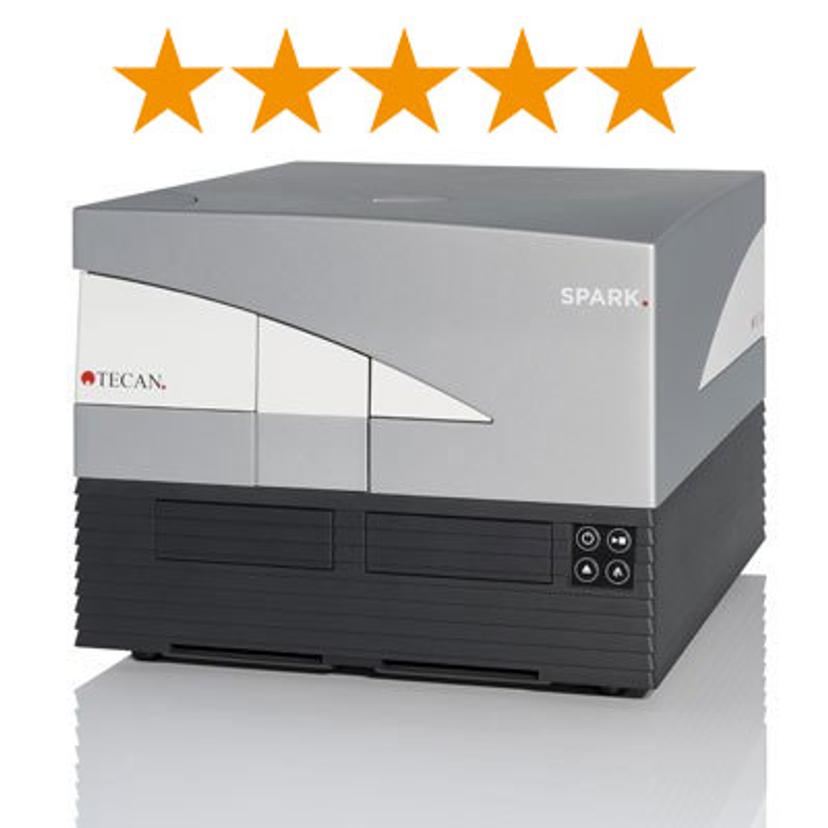
The Spark® multimode microplate reader from Tecan: "This product is extremely easy to use and reads plates fast. We primarily use it for absorbance and fluorescent measurements from media and lysate samples, but also live cells as well. Works wonderfully for all applications. As for maintenance and product support, the representatives are always available too and are very knowledgeable and helpful. Overall, great product from a great company."
A key instrument enabling this research is the Spark® multimode microplate reader from Tecan. The reader is primarily used by lab members “for absorbance and fluorescent measurements from media and lysate samples, but also live cells as well.” Dr Francescone highlights some of the applications performed that assist his research, including GFP and RFP fluorescence to quantify cells, Bradford assays, ELISAs, cell proliferation assays and enzyme kinetics and activity assays. Dr Francescone goes on to explain that when looking for a new microplate reader, the group was “very impressed with the newer models” of microplate reader from Tecan, and has since found that the Spark® is extremely versatile, reads plates quickly, and is very user-friendly, in terms of both software and hardware.
Hopes for the future
It is hoped that the findings from these studies will “reveal novel biomarkers that can diagnose pancreatic cancer before metastasis, so that earlier therapeutic interventions can be achieved to thwart the primary tumor.”
Moving forward, Dr Francescone plans to run his own lab as an independent investigator in academia, focusing on modulating the pancreatic cancer microenvironment for the identification of novel therapeutic targets, and already expects to implement the Spark® plate reader system in his new lab.
Do you use the Tecan Spark® multimode microplate reader in your research? Write a review for your chance to win an Amazon voucher worth $400 or an iPad.
Related products
Request Quote for All Products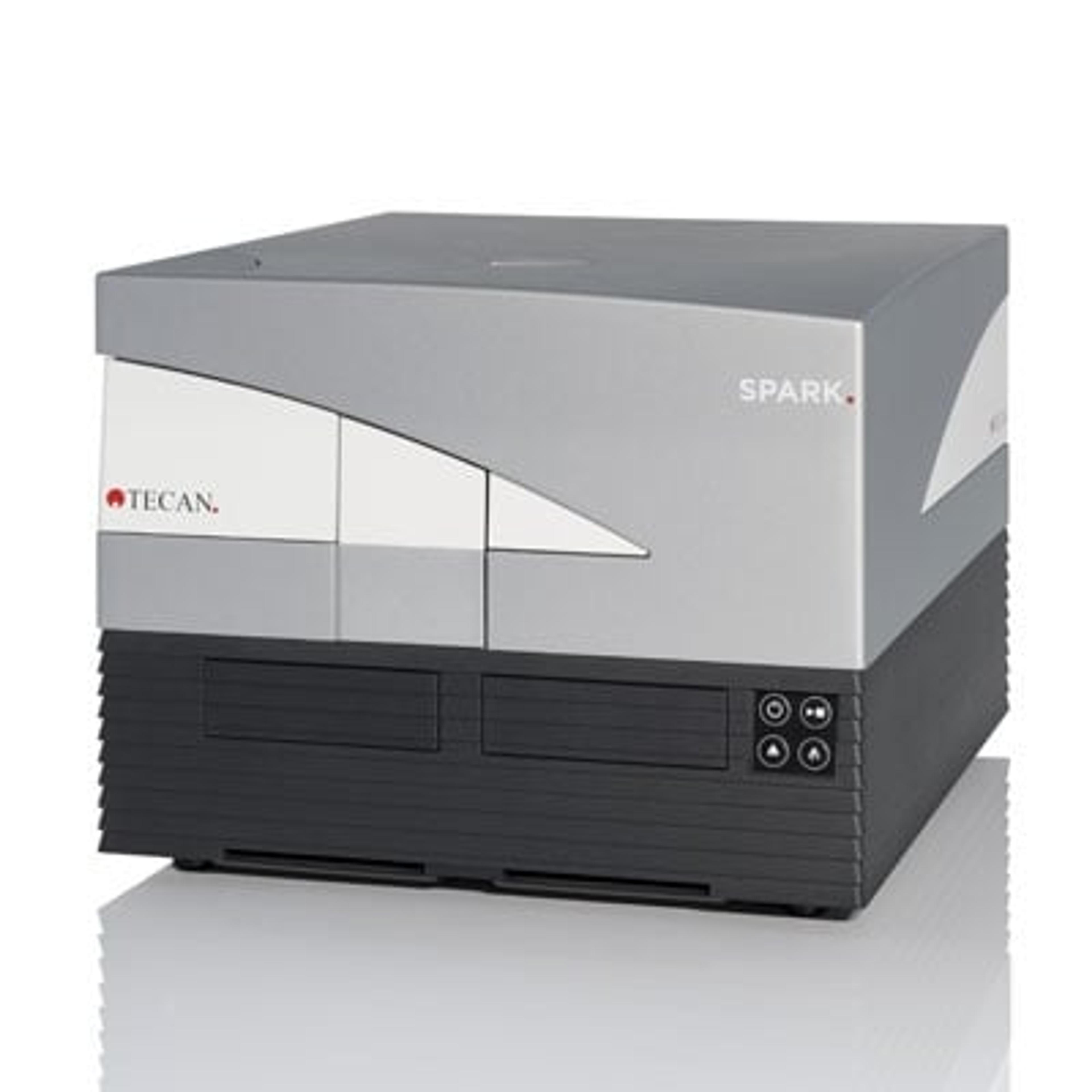
Spark® Multimode Microplate Reader
TecanIncrease your productivity for advanced research and drug discovery with Spark, the first multimode microplate reader with integrated cooling.