
How to gain comprehensive T cell biology insights using advanced flow cytometry
Join this expert SelectScience webinar to find out how to achieve detailed T cell characterization data
1 Sept 2019
Expert insights
The ex vivo expansion of T cells is a critical process in bio-manufacturing of adoptive cell therapies. Recent clinical studies show a correlation between persistence of subsets of functional memory T cells, including T memory stem cells (TSCM), central memory T cells (TCM) and other less differentiated T cell subsets, and long-term anti-tumor responses in patient outcomes. Technologies that can robustly and reliably provide high-content immunophenotypic and functional data are therefore critical for the rapid and robust development of new therapies.
In an on-demand SelectScience webinar, Dr. John O'Rourke explores how a rapid multiparametric assay was developed and evaluated using the Intellicyt iQue3, an advanced flow cytometry platform, to address the need to profile T cell memory subsets and functional cytokine release.
Watch on demandWatch this webinar to learn how to:
- Miniaturize assay volumes by identifying T cells, quantitating memory subsets, assessing cell health, proliferation and cytokine secretion in a single well
- Significantly reduce data analysis time from hours to just minutes using advanced integrated data analysis visualization tools
- Increase assay productivity and simplify workflows using faster, smarter flow cytometry
All webinar participants can request a certificate of attendance, and a learning outcomes summary document for continuing education purposes.
Think you could benefit from this webinar, but missed it? You can now watch it on demand at a time that suits you and find highlights from the live Twitter Q&A below>>

Q: Can this assay be measured in a 384-well plate format?
A: Yes, we have performed this assay using 5 µl of cell supernatant mixture in a 384-well plate without any deviation from the workflow.
Q: Can the ForeCyt Software be adapted to one-sample platforms, such as FacScalibur?

A: No, it's not a third-party software, it can only be used with the iQue3 instrument and is part of our integrated platform system.
Q: Have you used the cell and bead workflow for other applications?
A: Yes, we have used a similar workflow to assess human T cell activation where we measured early and late markers of activation, as well as cell proliferation and cytokine release.
Q: Have you measured other cytokines in this assay?
A: Yes, in this application we have measured and validated up to eight cytokines simultaneously using this workflow including (IL-2, 6, 10, 13, 17A, GM-CSF, IFNg, & TNF).
Q: Why was CD28 chosen as an activation marker?
A: We used anti-CD28, in conjunction with anti-CD3, on beads to activate T cells, as this is a standard protocol for T cell activation.
Q: How can I get a demo for some hands-on experience?
A: For more information on a demo, please contact us at info.intellicyte@sartorius.com

SelectScience runs 3-4 webinars a month across various scientific topics, discover more of our upcoming webinars>>
Related products
Request Quote for All Products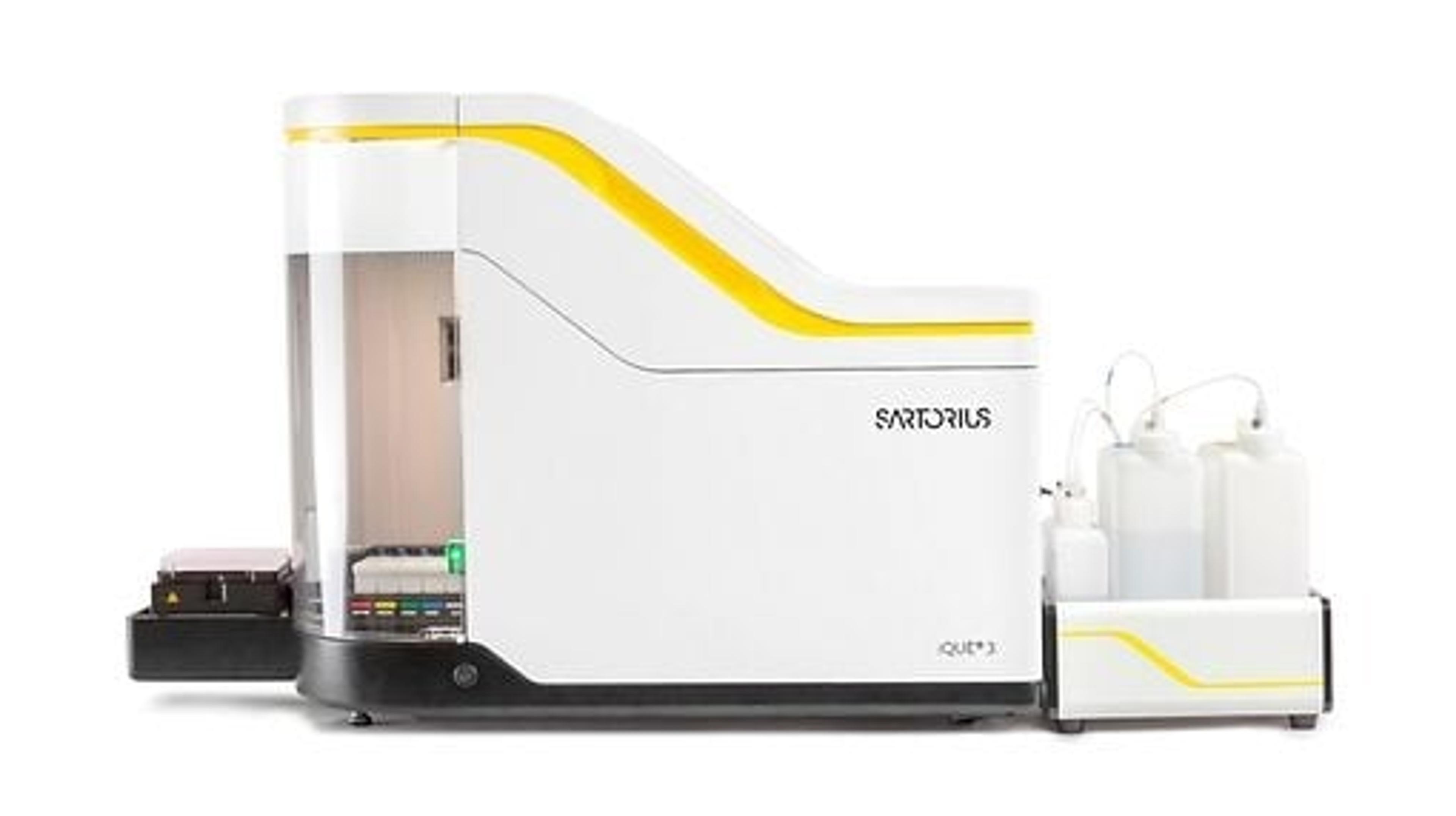
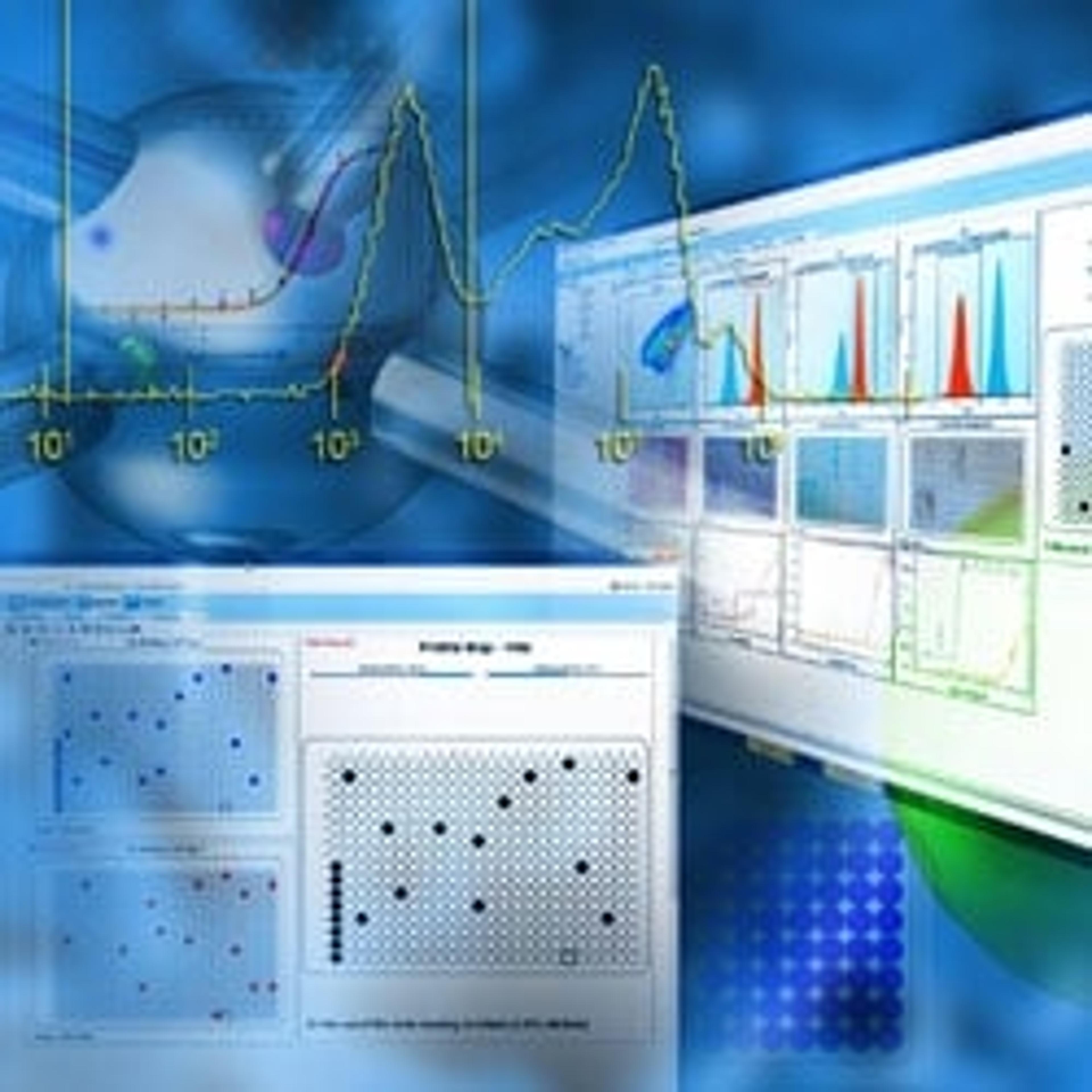
iQue Forecyt® software
Sartorius GroupA comprehensive and interactive assay development, implementation, and analysis environment, available with the iQue ® High-Throughput Screening Cytometry Platform.