
‘Honest and genuine reviews are a must to consider the pros and cons of any instrument’
Virender Singh shares his work, his average day, and favorite piece of laboratory equipment
31 Mar 2021
Editorial article

Lab product reviews can change the world by helping other scientists find the best equipment to accelerate their vital work. Here at SelectScience®, we are dedicated to promoting peer-to-peer communication that will make the difference – but we couldn’t do it without our esteemed reviewers. In this regular new feature, we put the spotlight on some of our most dedicated and impactful reviewers and find out what inspires them to keep sharing their knowledge with the global scientific community.
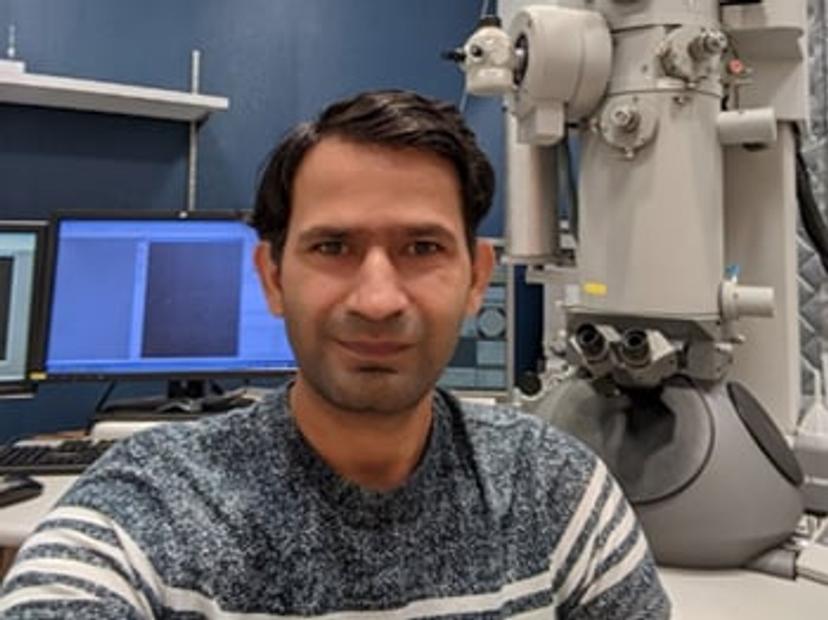
Virender Singh, founder and editor of Bio Patrika and postdoctoral scholar at Case Western Reserve University, is this week’s Reviewer in the Spotlight. With a keen interest in science communication, Virender shares how he got into his line of work, and what a typical day looks like. He also explains why unbiased reviews provide scientists with a great tool to make thoughtful decisions.
Tell me about your role and your current research
I am currently working as a postdoctoral scholar in the Department of Physiology and Biophysics at the Case Western Reserve University, Cleveland. My research focuses on tau protein liquid-liquid phase separation and its aggregate polymorphism. We are using the recombinant full-length tau for studying phase separation in the presence of metal ions. We isolate tau aggregates from deceased Alzheimer’s disease patient brain tissue for studying aggregate polymorphism and perform cryo-EM to determine its high-resolution structure. Apart from research, I am also involved in science communication activities. I founded the Bio Patrika blog, a first-of-its-kind magazine focusing on Indian Science. Some of the most popular features of BioPatrika include Vigyan Patrika, an interview series highlighting the stories and motivation behind scientific discoveries. Other popular features are Margdarshak and BioKonnect, which include articles by leading Indian scientists, science career stories, updates in scientific research and available job openings in pharma and biotech industry/academia.
How did you get into your specific field of work?
After graduating from college with a bachelor’s degree in biotechnology, I joined India’s leading biopharmaceutical company called Biocon as a Quality Control Executive. I was team leader overseeing insulin and its analogs. While working on biotherapeutics, I came across an important issue of protein aggregation. To work on this interesting problem of protein aggregation, I left my job and joined the Ph.D. program at the Indian Institute of Technology Kanpur, one of India’s premier institutes. My doctoral studies primarily focused on investigating the role of protein aggregation in neurodegenerative diseases like Huntington’s disease. I published many first-author research articles in peer-reviewed international journals and filed two Indian patents that were granted recently. After finishing my Ph.D., I continued working on the problem of protein aggregation in my current postdoctoral position.
Tell us what a typical day looks like for you
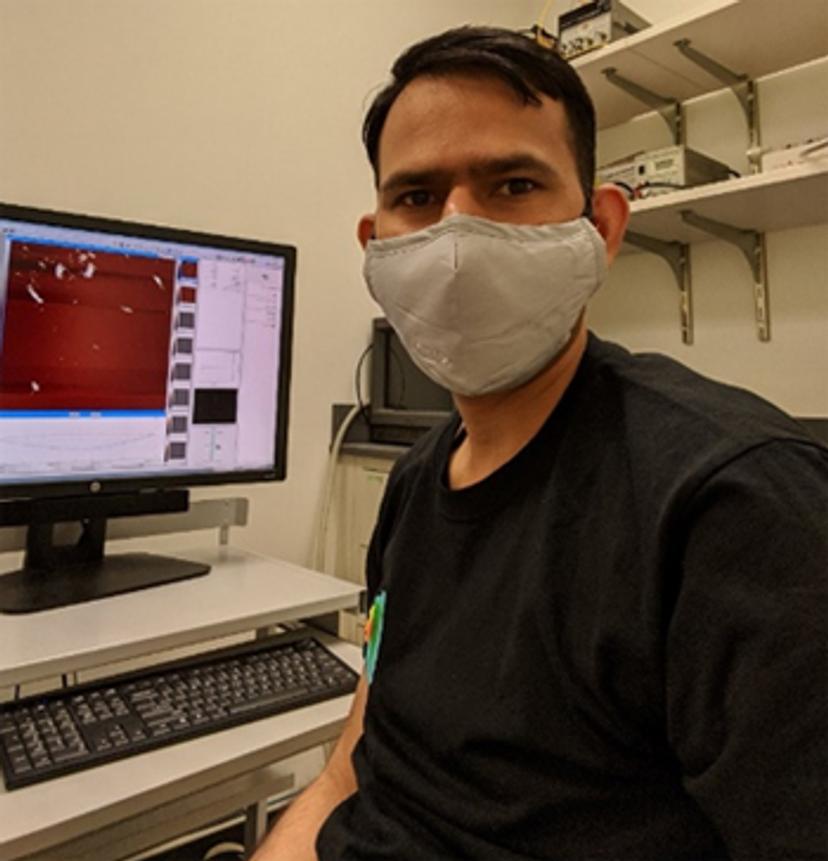
Typically, I reach my lab at 9 AM and then review the work plan for the day. I begin working on the bench by 10 AM and try to finish experiments by 4 PM. After finishing on the bench work, I usually update the lab notebook and put notes for the next day's plan. If there is time in between experiments, I spend time reading recent literature.
Why do you think lab equipment reviews are important?
Lab equipment reviews are important for making important purchase decisions. Often scientific instruments are expensive and require prior information on specifications before placing an order. Honest and genuine reviews are a must to consider the pros and cons of any instrument. The sales representatives do not usually provide this information. Therefore, unbiased reviews published online on platforms like SelectScience provides scientists with a great tool to make thoughtful decisions.
What’s the most innovative piece of lab equipment you use?
The most innovative and advanced instrument I am currently using is the Cryo-Electron Microscope by Thermo Fisher Scientific. This is a highly advanced structural biology tool and provided a much-needed breakthrough to the neurodegenerative disease field. The structural information from cryo-EM structures of protein aggregates is now being exploited to design better therapeutics and diagnostic molecules. This is a step towards better disease management.

What would you like science to achieve?
The development of a therapeutic intervention for neurodegenerative diseases.
Virender shares his top 5 lab instruments
- Thermo Scientific Krios G3i Cryo-TEM by Thermo Fisher Scientific
"Great for protein structure determination at high resolution."
- Thermo Scientific LTQ Orbitrap XL by Thermo Fisher Scientific
"Perfect MS instrument for protein characterization."
- Spark® Multimode Microplate Reader by Tecan
- Waters Alliance™ HPLC System by Waters
"Best instrument for biotherapeutic analysis."
- ÄKTAprime™ plus by Cytiva
"It streamlines purification and eases all trouble with sensitive proteins."
Would you like to feature in our Reviewer Spotlight? Write your review here to be in with a chance >>
Related products
Request Quote for All Products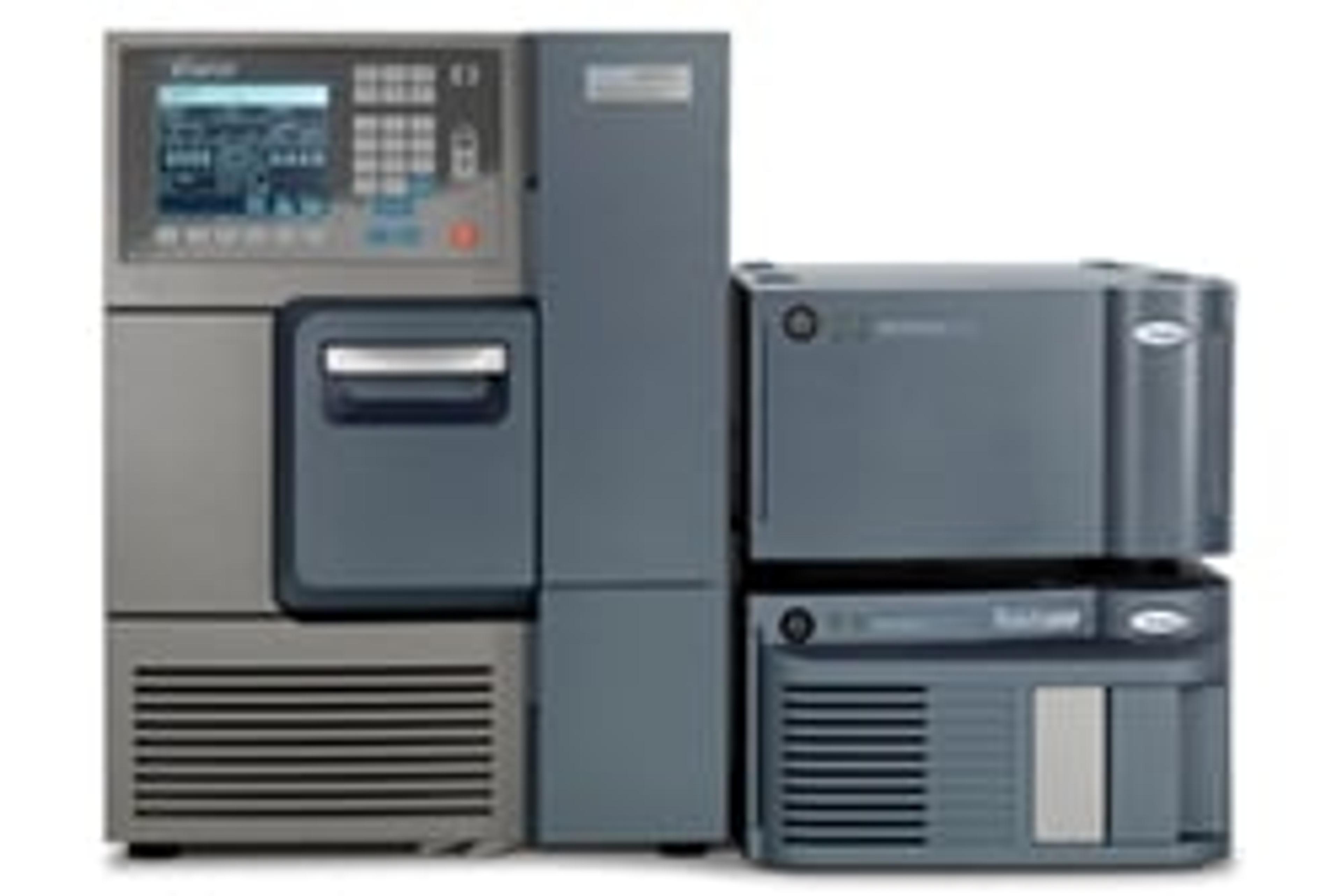
Waters Alliance™ HPLC System
WatersAn integrated HPLC system that works as hard as you do, available with push-button mass detection for the chromatographer. The Alliance™ HPLC System is the flexible and reliable workhorse that meets your fundamental HPLC separation requirements. The system has been continually expanded and perfected to accommodate an enormous range of real-world analytical challenges, culminating in today’s new industrial design which signifies Waters’ commitment to HPLC and our HPLC line. Today, users can extend the Alliance HPLC System’s performance with XP 2.5 µm Columns. XP Columns are compatible with both HPLC and UPLC technology and are designed to not only improve our HPLC productivity, but also facilitate a transfer to UPLC Technology platforms as well. Directly scalable between UPLC and HPLC particle sizes, these new 2.5 um XP Columns bridge the gap between HPLC and UPLC performance. Whether your lab analyzes samples in the pharmaceutical, chemical, food safety, environmental, or quality control arenas, the Alliance HPLC system offers you a field-proven solution. Integrated solvent and sample management to ensure consistent system-to-system performance and high reproducibility. Waters Alliance™ HPLC System Features: Full integration with either Empower® or MassLynx® Software for instrument control and data processing A large, intuitive LCD-based user interface allows rapid system set-up through SystemPREP routines that streamline daily start-ups Easy, tool-free maintenance resulting in maximized uptime Waters complete line of detection technologies – from routine UV/Vis detectors, to the ACQUITY QDa Detector to single, tandem and triple quadrupole mass spectrometers - extend your application capabilities
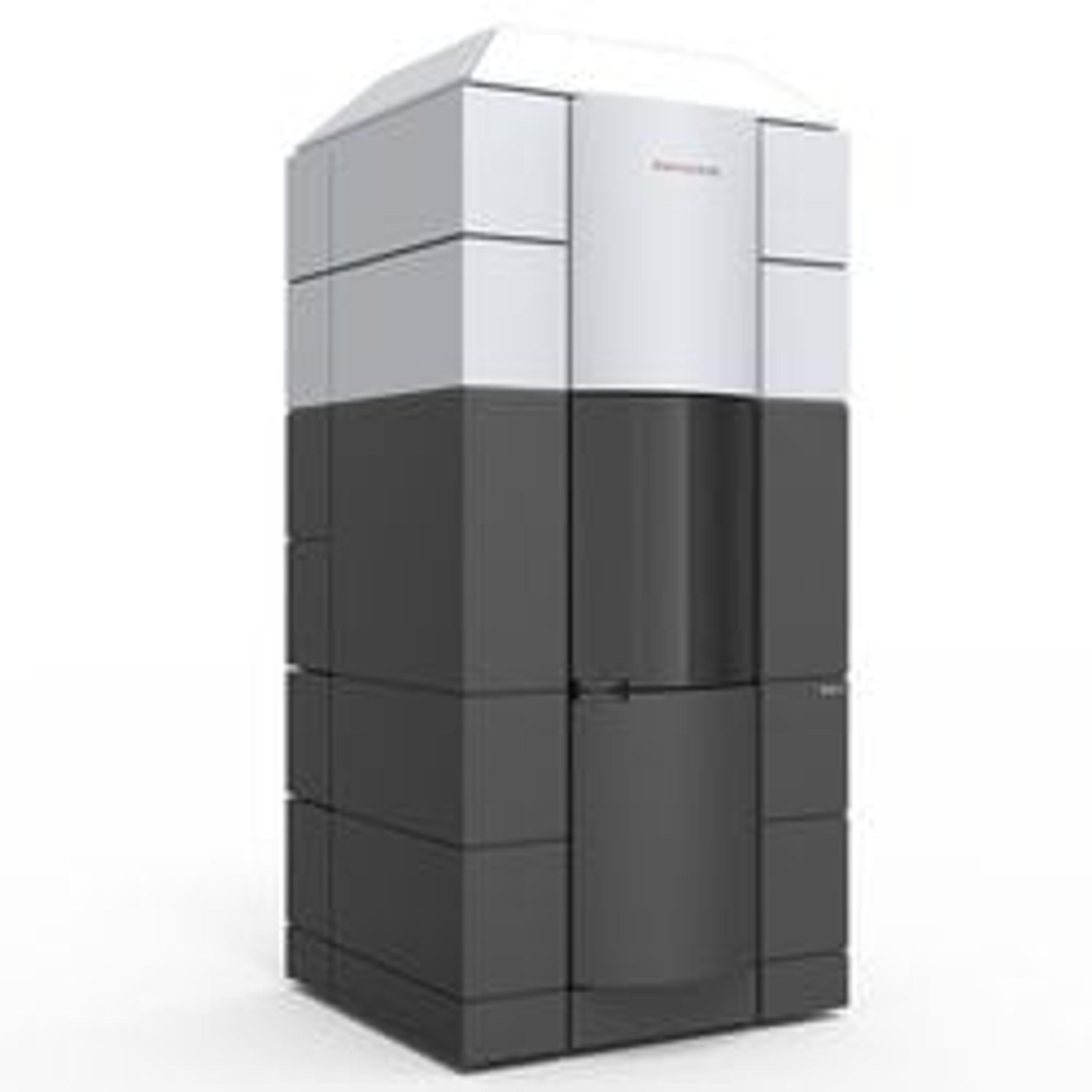
Krios™ G3i Cryo-TEM for Life Sciences
Thermo Fisher ScientificThe Thermo Scientific™ Krios™ G3i Cryo Transmission Electron Microscope (Cryo-TEM) enables life science researchers to unravel life at the molecular level—easier, faster, and more reliably than ever before.
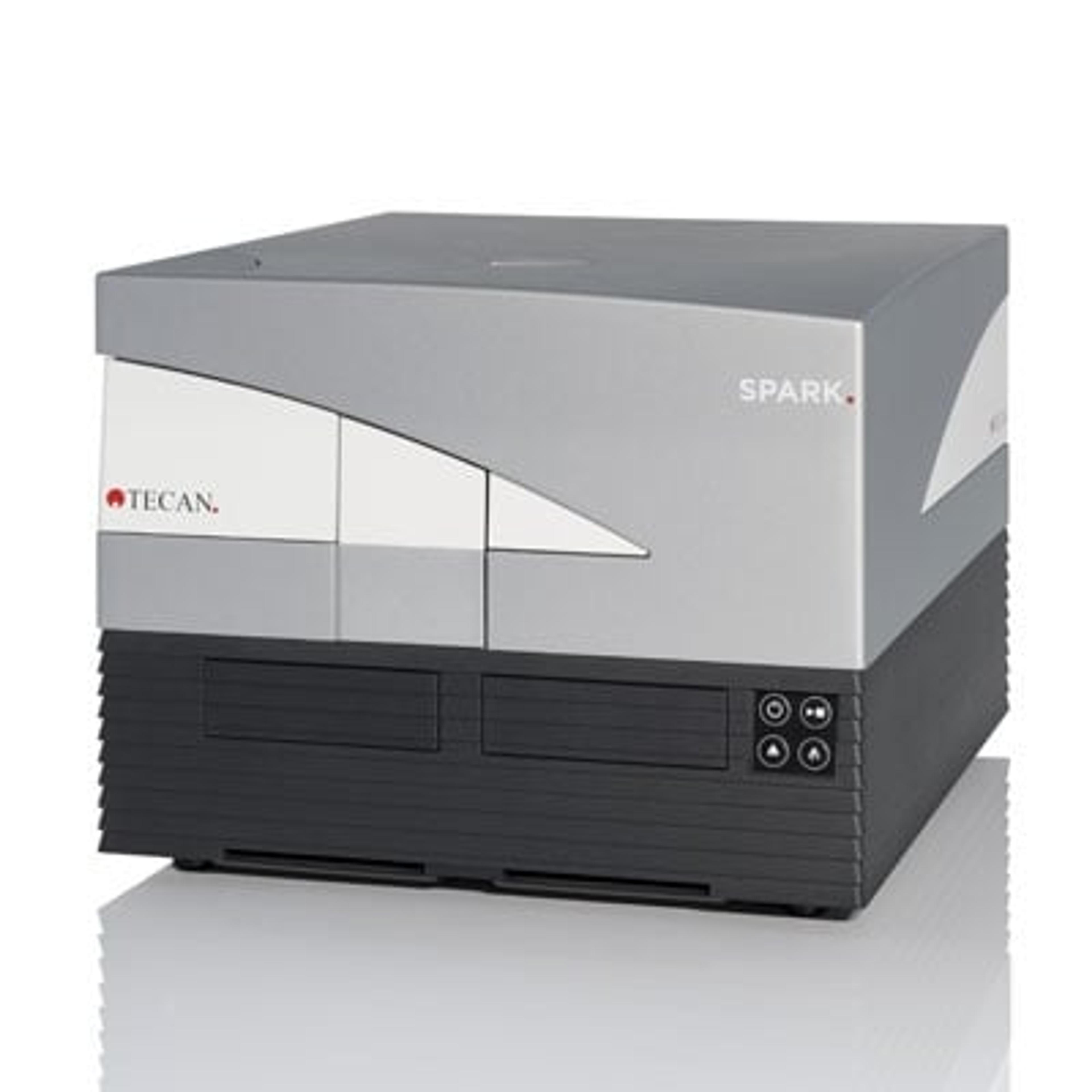
Spark® Multimode Microplate Reader
TecanIncrease your productivity for advanced research and drug discovery with Spark, the first multimode microplate reader with integrated cooling.