
Guest Editorial: Never a Dull Moment in Pesticide Residue Analysis at EPRW2016
European Pesticide Residue Workshop 2016 Chair, Despo Louca Christodoulou, and Dr. André de Kok discuss the latest advances in pesticide analysis
15 May 2016
Editorial article
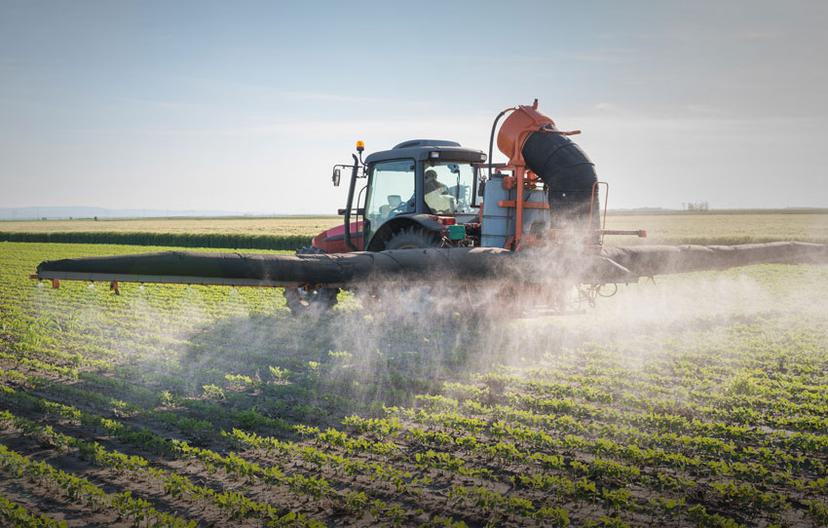
Guest Editors Despo Louca Christodoulou and Dr. André de Kok of the Scientific Organising Committee for the European Pesticide Residue Workshop (EPRW 2016) share the latest advances in technologies for pesticide residue analysis. Image: Fotokostic/Shutterstock
The analysis of hundreds of pesticide residues in all types of food products keeps a continuous challenge for both governmental and commercial laboratories. Worldwide, there are more than 1500 known pesticides that are only partly registered and still allowed for use on different crops. A large part has been gradually banned in most or all countries and residues of these pesticides may not be found in agricultural products anymore.
This European Pesticide Residue Workshop (EPRW) is the most dedicated and renowned workshop on pesticide residue analysis in food and drink.The event takes place every 2 years, in a different European country.
In Europe, a so-called default maximum residue level (MRL) of 0.01 mg/kg is set for these forbidden pesticides, as laid down in the EU Regulation EC 396/2005. For permitted pesticides, hundreds of specific MRLs are set for many different pesticide-commodity combinations. These MRLs and the “0-tolerances” have to be enforced by national food authorities and agencies. Besides, many samples have to be checked preventively by food business operators, who outsource these measurements to commercial laboratories.
Advancing technologies for pesticide residue analysis
The challenge for pesticide residue labs is to analyze as many pesticides as possible in multi-residue methods (MRMs), as fast, easy and cheap as possible. Nowadays, there are reliable generic extraction methods, with minimum or no cleanup, which are combined with golden-standard, sensitive and selective GC-MS/MS and LC-MS/MS triple quadrupole detection methods. Scopes are possible up to 300-400 pesticides in one chromatographic run, depending on the instrument scan rate and the total chromatographic run time.
The newest trend in pesticide analysis is now the use of LC and GC coupled to High Resolution Mass Spectrometry (HRMS), based on either Time of Flight (TOF) or Orbitrap MS technology. The accurate mass measurement with a very high resolving power (> 20.000) and low mass error (<5 ppm) allows the practically unlimited scope in any multi-residue method, with an ultimate level of confidence in the identification of the pesticides detected. Both targeted and untargeted analysis, separate or combined in one run, are viable options now. Software developments to make applications more user-friendly have a high priority for both vendors and their customers.
All pesticides that cannot be covered by multi-residue methods have to be analyzed by Single-Residue Methods, where special conditions for extraction, cleanup, and/or LC- or GC-analysis are necessary. Therefore, pesticide labs are facing an increase in number of required methods to be used for the same budget and sometimes even with less staff available.
Why attend EPRW2016?
Since 1996, the European Pesticide Residue Workshop (EPRW) has taken place every 2 years, in a different European country. EPRW is the most dedicated and renowned workshop on pesticide residue analysis in food and drink, typically with over 500 participants from all over the world. It brings together experts from different application fields communicating the latest advances in methods and instrumentation. Apart from newest developments in analytical methods, also updates on legislation, toxicology, risk assessment, monitoring and survey results are discussed.
This year, a special Themed Day on Sampling, Sample Preparation and Sample Processing is a major part of the program. Keynote lectures, invited and submitted oral presentation and poster sessions are completing the program. The vendor exhibition and vendor sessions during coffee and lunch breaks always form an integral part of the program to be updated about the latest instrumental advances.
Finally, it is noteworthy to mention that the hosting country, Cyprus, with its hospitable population and local organizing committee will contribute considerably to the open and friendly atmosphere and culture typical for this workshop, which makes it very easy to exchange information with colleagues, make new friends and work on extending fruitful networks. This will be further strengthened by the attractive social program.
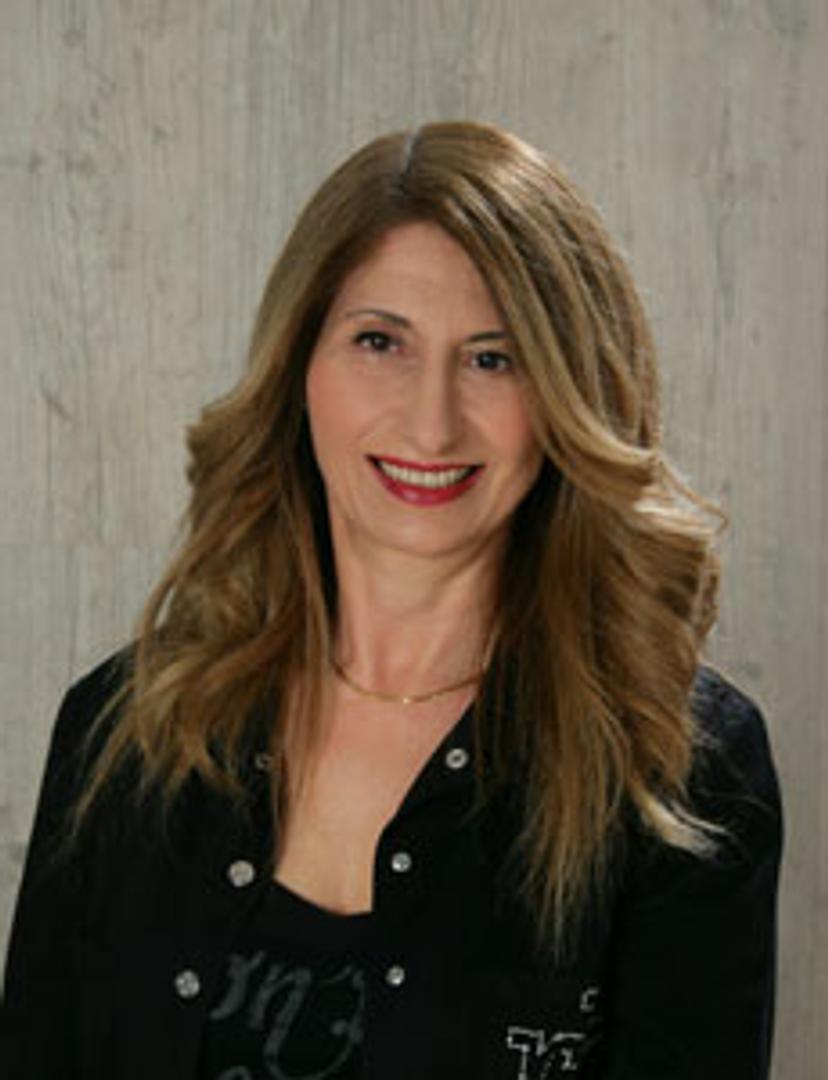
Mrs. Despo Louca Christodoulou is the Head of the Pesticide Residues Laboratory of the State General Laboratory, which is the Official Control and National Reference Laboratory of Cyprus for this field. She has a long experience related to the Pesticide Residues analysis in food of plant and animal origin products and to the analysis of PCBs in food. She is responsible for the National monitoring programs for Pesticides and Dioxins in food. She is a member of the committee of the National Pesticides Council related to the registration of the Plant Protection Products. She is responsible for the harmonization of the National Legislation with EU directives, decisions and regulations related to the Pesticide Residues and Dioxins in food. She participates in EU Expert Groups and Standing Committee of Pesticide Residues.
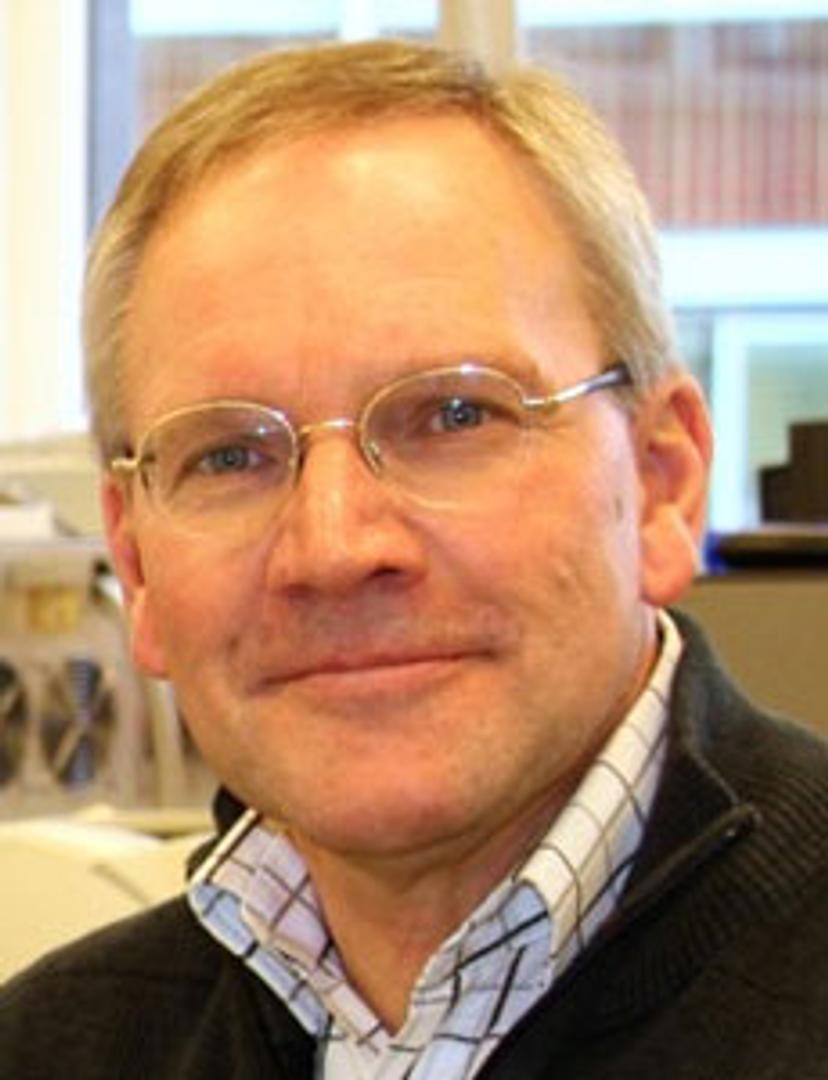
Dr. André de Kok is a member of the EPRW Scientific Organising Committee and was chairman of the first EPRW in 1996, in Alkmaar, The Netherlands. He is Senior Analytical Chemist at the NVWA – Netherlands Food and Consumer Product Safety Authority, National Reference Laboratory for Pesticide Residues in Food and Feed, Wageningen, The Netherlands. He received its Ph.D. degree in Analytical Chemistry at the Free University, Amsterdam (NL) in 1983 and has been working in pesticide residue analysis method development since then. His research interests include extraction, sample preparation, chromatographic separation methods and detection methods, nowadays mainly based on low and high resolution mass spectrometry.