
Fighting Ocular Disease: How Pioneering Virus Research is Spawning Novel Treatments
Learn how one US lab is using multiple methodologies to develop antimicrobial drugs and combat ocular infections
13 Aug 2017
Editorial article
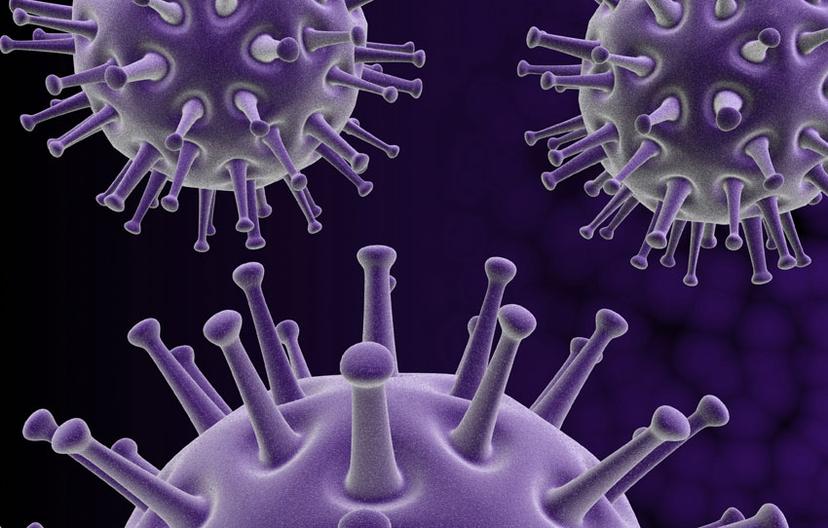
Learn how researchers in the Brandt Lab are investigating occular disease
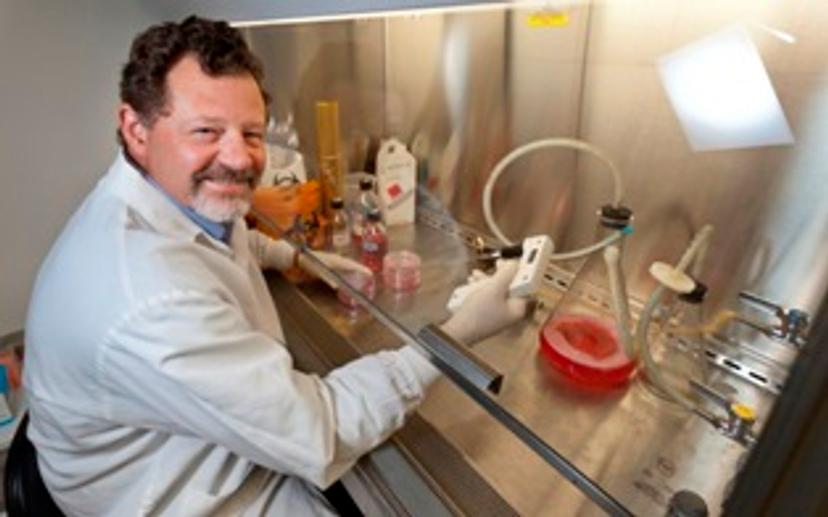
Dr Curtis Brandt The Brandt Lab in the Department of Ophthalmology and Visual Sciences at the University of Wisconsin-Madison is focused on viral gene delivery at sites of infection and development of novel peptides to prevent infections.
The Brandt Lab in the Department of Ophthalmology and Visual Sciences at the University of Wisconsin-Madison is using the latest technology to carry out innovative research, determining how viral infections happen at a molecular level, and developing novel drugs to stop them. Led by Dr Curtis Brandt, the team is focused on viral gene delivery at sites of infection and development of novel peptides to stop these infections from happening.
Understanding viral mechanisms
The Brandt Lab is on a mission to find novel antimicrobial compounds to combat ocular disease by studying exactly how a virus enters a cell and how their injection of viral genes into the eye triggers eye-damaging inflammation. Of particular interest is the herpes simplex virus (HSV), which can cause inflammation of the cornea so severe it can lead to blinding keratitis. The group hopes to identify which viral genetic fingerprints are associated with the most virulent form of disease in animal models. They have already shown that multiple genes are involved in the infection process and found mutations in several possibly virulence-related proteins. Once the genes associated with severe disease are found, the next step is to find ways to target those genes to stop infection.
Drug discovery and development
The Brandt Lab has already discovered new anti-viral compounds, one of which is a protein found in an edible mushroom which blocks previously unknown steps of viral infection.
The group is working to develop peptides that block viral cell entry and has already created peptides that block entry of HSV, Pox viruses and influenza.
Given the breadth of this work—covering everything from molecular level interactions to animal model physiology—it’s crucial that the team has the right equipment to ensure fast, accurate experimental results.
Versatile research, versatile equipment
Inna Larsen, a Research Specialist in the Brandt Lab, uses the highest performance multimode reader from BioTek—the Synergy Neo2 Multi-Mode Reader—to carry out her research.
“This is a great instrument for various colorimetric and fluorescence/luminescence assays,” says Larsen, “I use this device for colorimetric assays measuring cell metabolic activity, to measure protein concentrations so I can load gel accurately, apoptosis assays and to measure viral concentrations and dose-response for anti-viral compounds.”
“We chose this machine after various vendor demos,” adds Larsen, “It has a user-friendly interface and is easy to use.”
Future visions
Future work in the Brandt Lab will focus on better understanding the genetic drivers of virulence and use this information to identify targets for antiviral drug development.
“We’re planning on expanding our work on antimicrobial compounds for ocular disease,” says Larsen.
In modern drug discovery and development labs, scientists must be fluent in multiple experimental techniques to do ground-breaking research. These techniques result in a flood of data. Data analysis is a crucial step. To stay ahead of the curve, scientists must select the data that’s relevant to their study, any equipment that can help with this is a boon. Larsen explains, “We like the fact that the data [from the Neo2] can be easily exported into Excel and that you have the ability to choose what is exported. There is a great option to mask data that is off scale, so that it does not skew all the other data points.”
Find out more about the pioneering research of the Brandt Lab and how the Synergy Neo2 Multi-Mode Reader could help you.
Related products
Request Quote for All Products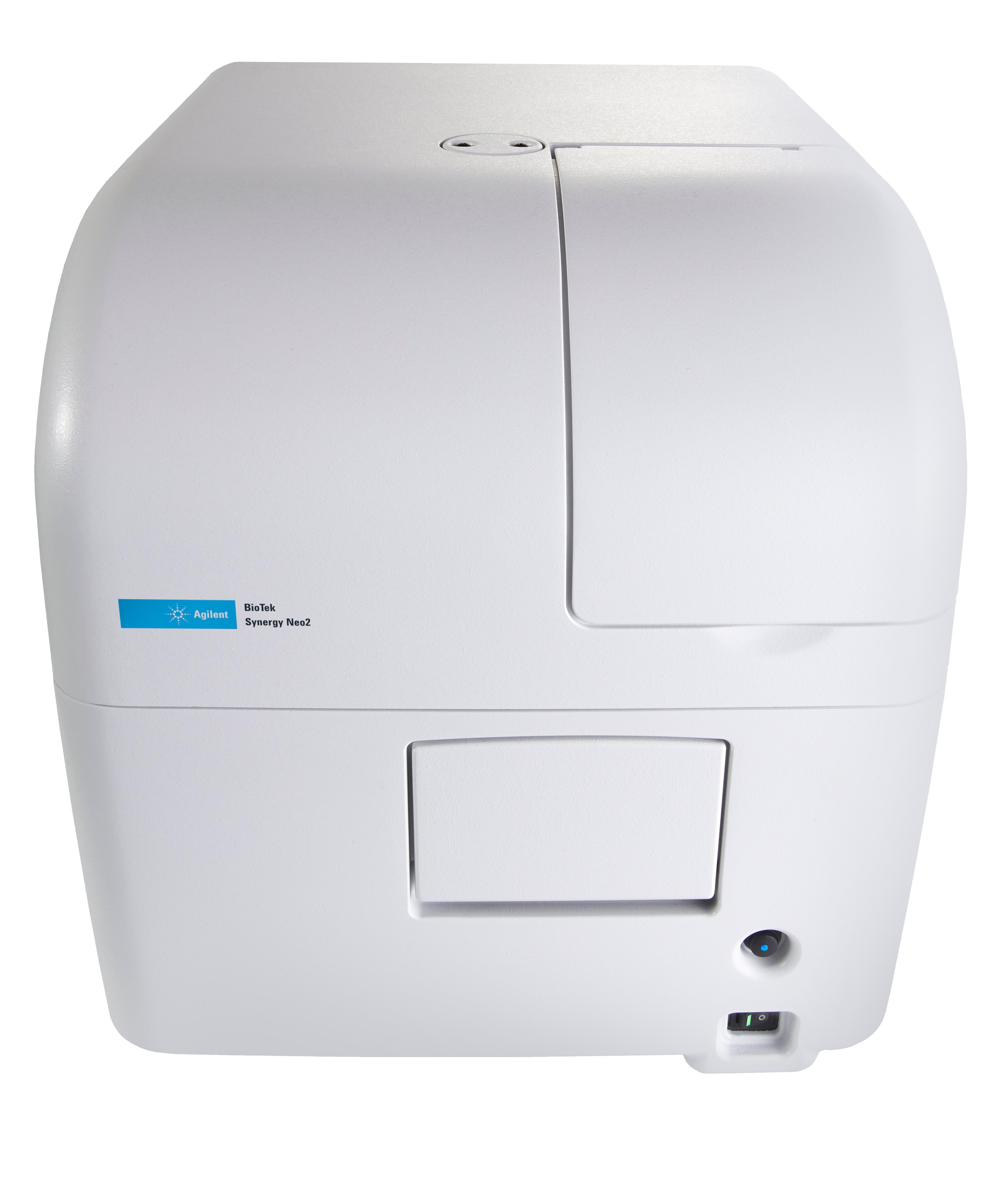
Agilent BioTek Synergy Neo2 Hybrid Multimode Reader
Agilent TechnologiesAgilent BioTek Synergy Neo2 multimode microplate reader features proprietary Hybrid Technology, with independent optical paths that ensure excellent performance in all detection modes. Variable bandwidth quad monochromators, sensitive high transmission filter-based optics, laser TRF, and up to 4 PMTs provide ultrafast measurements.