Drug Discovery & Development Scientists’ Choice Award 2025 winners announced

Agilent, Tecan, and Cytiva among those recognized

27 Jan 2025

Cameron Smith-Craig
Cameron Smith-Craig
Pharma and Applied Sciences Editor

Editorial article

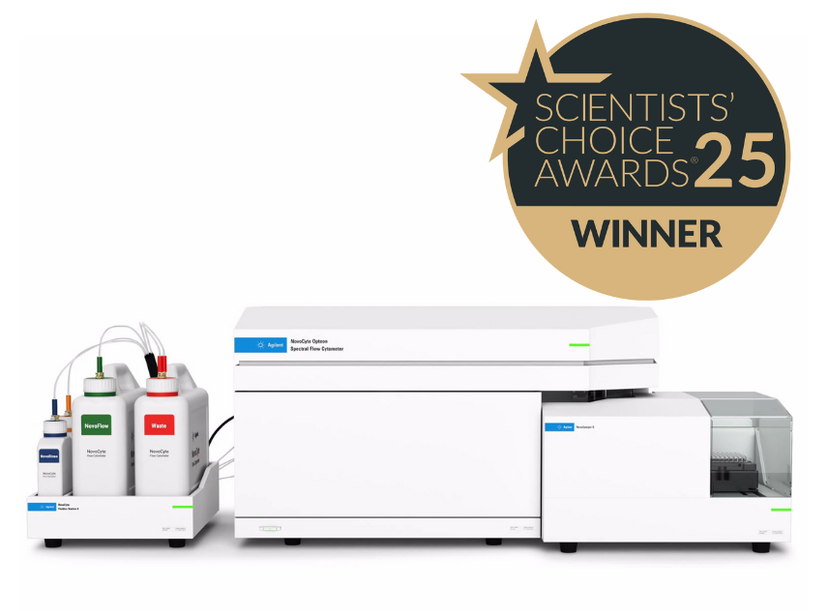
The NovoCyte Opteon Spectral Flow Cytometer with the 2025 Scientists' Choice Awards winner badge

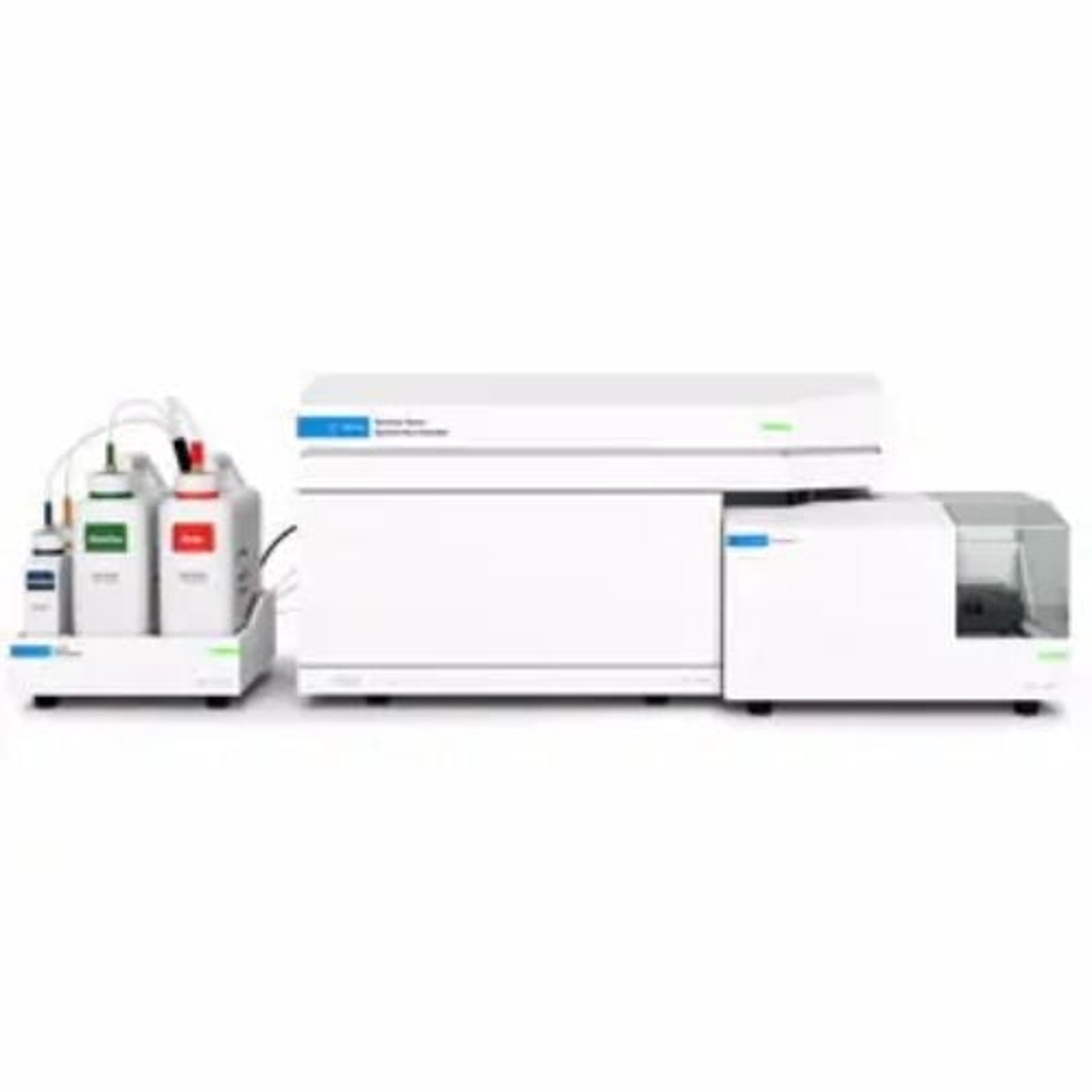
The NovoCyte Opteon Spectral Flow Cytometer from Agilent Technologies was voted Best New Drug Discovery & Development Product of 2024

The world’s most innovative and effective technologies advancing drug discovery and development have been recognized in the latest release of the 2025 Scientists’ Choice Awards®.

Each year, SelectScience invites its scientist readers and members from around the globe to participate by nominating, reviewing, and voting for the lab products that have had the greatest impact on their work. Read on to reveal your chosen winners.

Best New Drug Discovery & Development Product of 2024

The award for Best New Drug Discovery & Development Product of 2024 goes to the NovoCyte Opteon Spectral Flow Cytometer from Agilent Technologies, as voted for by scientists around the world. The NovoCyte Opteon Spectral Flow Cytometer is a new, cutting-edge spectral flow cytometry solution designed to revolutionize cell analysis research.

The runners up are:

Drug Discovery & Development Webinar of the Year

This year’s Webinar of the Year is awarded to Felix Stemmer, Senior Scientist II, and Martin Jockel, Senior Expert in Data Science, from Novartis, in association with Genedata. In the webinar, titled ‘Full-Circle MS Workflow Automation at Novartis', Novartis demonstrates how it is digitalizing and fully automating systems across large molecule R&D. By integrating liquid handling systems, mass spectrometers, and the Genedata Biopharma platform, Novartis has implemented a ‘full-circle’ mass spectrometry (MS) workflow automation for standardized analyses.

Drug Discovery & Development Editorial Article of the Year

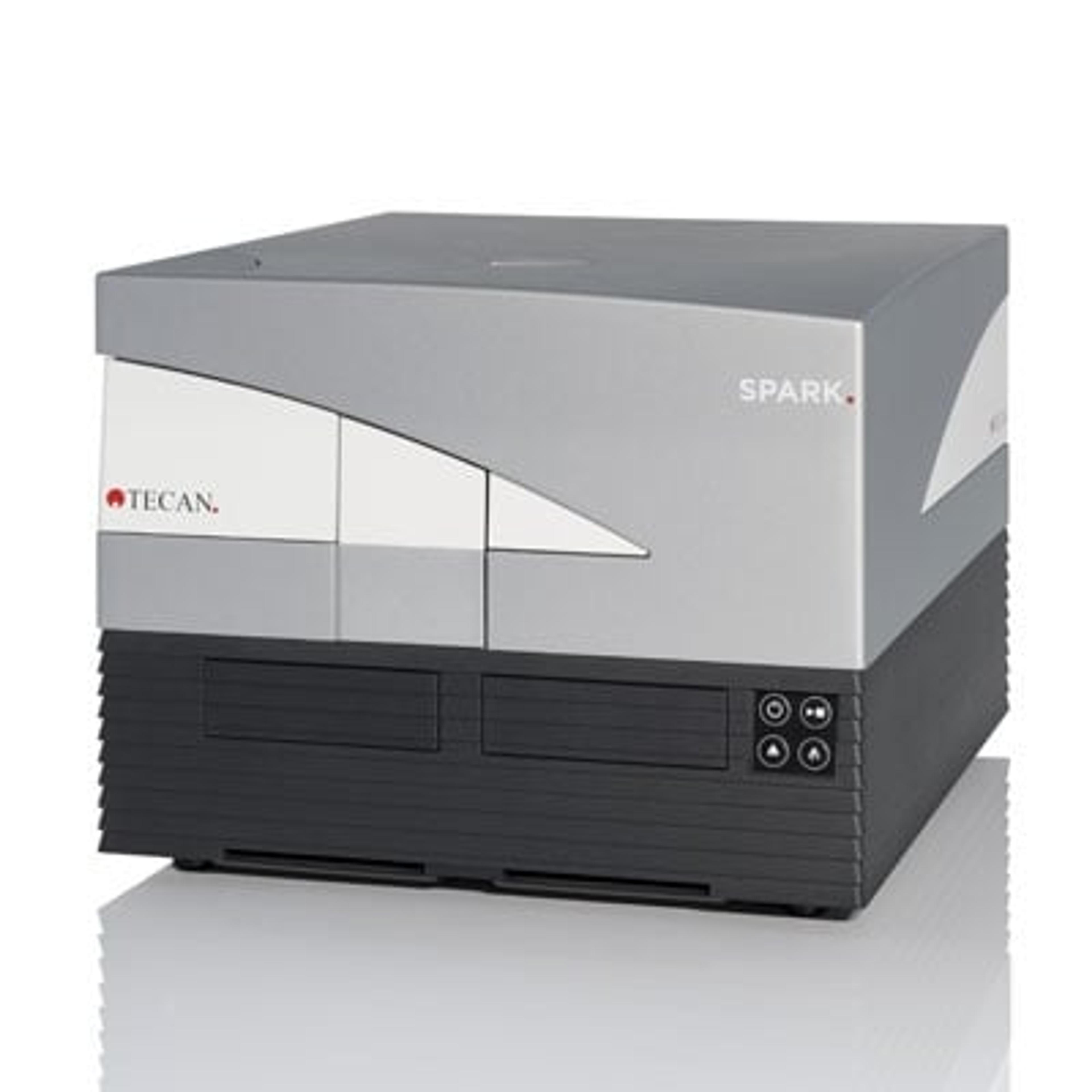
The winning article is titled 'Matrix approach enhances potency assay development for ATMPs' and features technology from Tecan. In this article, scientists at Charles River Laboratories share top tips for overcoming the challenges of designing a potency assay development strategy for advanced therapy medicinal products.

Drug Discovery & Development Application eBook of the Year

The Drug Discovery & Development Application eBook of the Year Award goes to GenScript for ‘Accelerate neoantigen-based immunotherapy development for cancer treatment’. This application compendium aims to address the significant challenges faced by scientists and laboratory professionals in the timely generation of reagents essential for accelerating patient therapies.

Drug Discovery & Development Video of the Year – in partnership with The Scientists' Channel®

This year’s winning video is awarded to a presentation titled 'Monoclonal antibodies and antibody drug conjugates revolutionize targeted therapies' produced in collaboration with Cytiva. In this interview, Dr. Lena Jonsson, Product Strategy Manager at Cytiva, explores the revolutionary impact of monoclonal antibodies (mAbs) in the field of healthcare.

Drug Discovery & Development Email of the Year

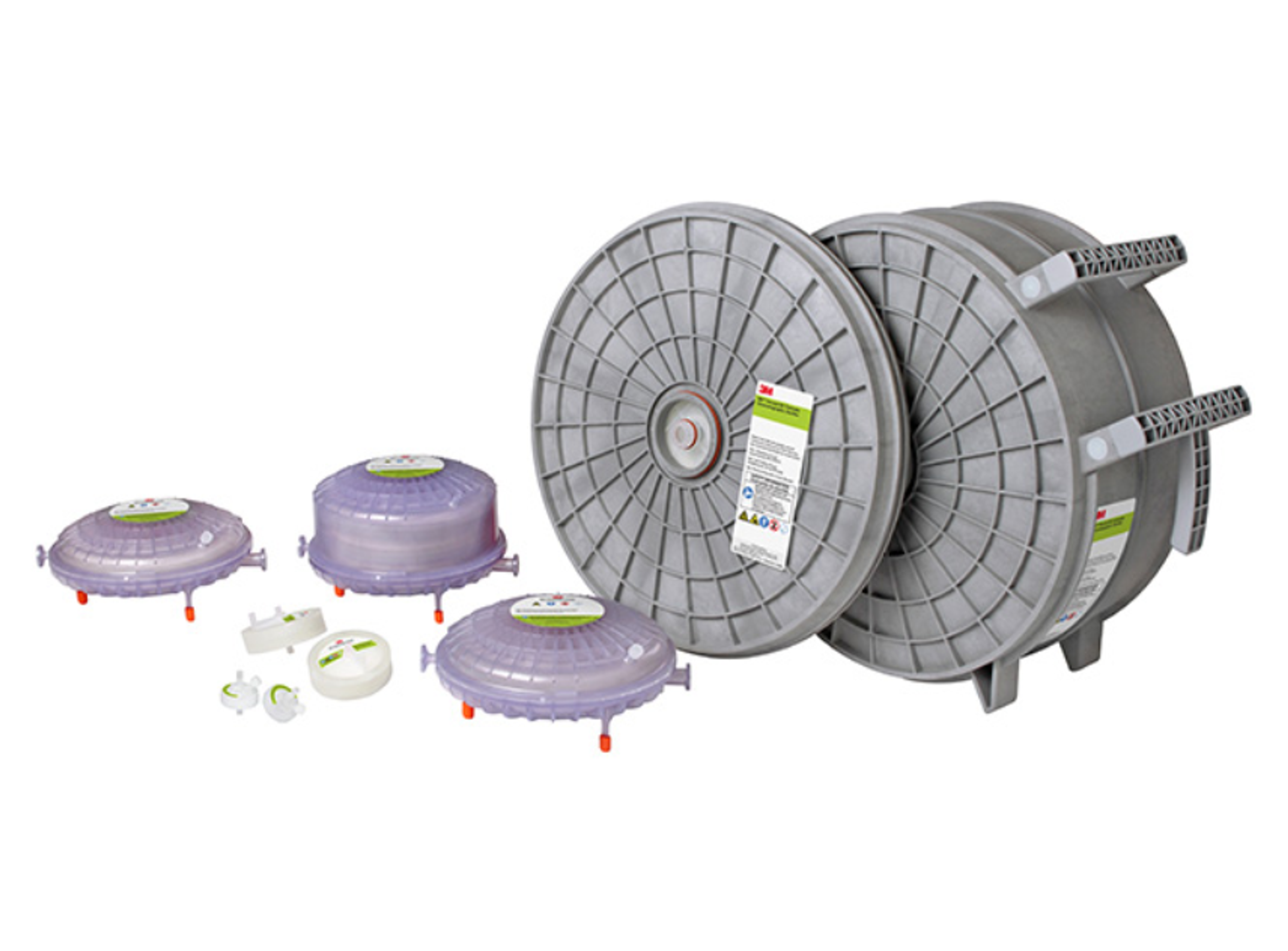
The winner in the Email of the Year category goes to 'From Development to Manufacturing: The Future of Biologic Clarification', from Solventum. The winning email featured Solventum's 3M™ Harvest RC Centrate Chromatographic Clarifier which is a single stage single-use chromatographic clarification solution designed to effectively clarify modern cell culture centrates.

Drug Discovery & Development Innovative Content of the Year

The winner in the Innovative Content category goes to 'Humanized mice are reshaping the biologic drug development pipeline' from The Jackson Laboratory. The winning innovative content featured resources for JAX’s humanized models and in vivo services.

Do you use any of these lab products? Share your opinion today by leaving a lab product review>>

Visit the Scientists’ Choice Awards website for more information.
Tags

Mass SpectrometryMass spectrometry (MS) is a powerful analytical technique used to identify and quantify molecules based on the mass-to-charge ratio of gas-phase ions. It provides detailed information about the structure, composition, and properties of compounds and is widely used across fields such as environmental monitoring, materials science, drug discovery and development, food and beverage testing, and wider chemical research. Key MS techniques include tandem mass spectrometry (MS/MS), liquid chromatography–mass spectrometry (LS-MS) and inductively coupled plasma (ICP-MS). Choosing from these wide range of techniques and technologies can be a daunting task, so keep up to date with scientific applications, performance expectations, and customer reviews here all in one place. Visit our product directory to receive quotes direct from the manufacturer. Cell / Tissue CultureCell culture or tissue culture is used to study the biology of cells or tissues and to isolate cellular products in an environment which can be manipulated and well defined. Accurately control your culture environment with bioreactors or culture incubators, bind your cells to a surface or together with an extracellular matrix. Distinguish cell types with differential media or proliferate cells with certain characteristics using selective media. Enrich your media with supplements such as growth factors, sera and vitamins. Find the best cell and tissue culture products, kits and equipment in our peer-reviewed product directory: compare products, check customer reviews and receive pricing direct from manufacturers.MicroplatesMicroplates are multi-well plates used to increase the throughput of biological investigations. The number of wells microplates contain can range from 6 to 3243 wells, with the 96-well format being the most commonly used. Microplates can come tailored for a range of applications including cell culture, PCR, filtration, storage, non-binding surface, protein crystallization, as well as pre-coated, deep well and normal Standard microplates. Additionally, options for microplate colors include clear , black, white or black with clear bottom and white with clear bottom for absorbance microplate reader applications. Find the best microplates for your lab in our peer-reviewed product directory: compare products, check customer reviews and receive pricing direct from manufacturers.High-Throughput ScreeningHigh-throughput screening (HTS) is an automated drug discovery technique for identification of active compounds against a compound library. Use HTS readers and integrated assay preparation / analysis workstations to screen your compounds. Identify active compounds against various HTS libraries, including membranes, proteins and peptides and HTS cell lines. Find the best high-throughput screening products in our peer-reviewed product directory: compare products, check customer reviews and receive pricing direct from manufacturers.Microplate Readers / DetectorsMicroplate readers are used to automate the detection and analysis of labeled or label-free components in microplates during assays or live-cell monitoring. Microplate readers are generally distinguished by their mode of detection. Types include absorbance, luminescence, fluorescence intensity, fluorescence polarization, TRF / FRET and multimode microplate readers. Microplate readers deliver a high throughput of samples by reading multiple wells simultaneously, with the 96-well format the most commonly used. As a result, microplate readers are often used in the drug discovery, bioassays, research and pharmaceutical industries for screening applications. Microplate loading can also be automated, with robotic microplate stackers to increase throughput. Find the best microplate readers in our peer-reviewed product directory: compare products, check customer reviews and receive pricing direct from manufacturers.High-Content ScreeningHigh-content screening (HCS), also known as high-content analysis (HCA), is a high-throughput technique used in drug discovery to identify substances that alter the phenotype of cells. HCS uses fluorescent microscopic imaging and automated image analysis to investigate cellular events such as apoptosis, cell viability, GPCR activation, oxide production, neurite outgrowth, and cell signaling. Find the best fluorescent labeling reagents, cellular assays, and high-content imaging systems in our peer-reviewed product directory: compare products, check customer reviews and receive pricing direct from manufacturers.Solid-Phase ExtractionSolid-phase extraction (SPE) is used for clean-up, extraction and concentration of semi-volatile or non-volatile analytes from complex mixtures including blood, urine and food samples. Multiple formats are available for conducting SPE, including prepacked SPE cartridges, disks and microplates, as well as SPE sorbent powders for manual packing. SPE systems can be used to automate the process and extract multiple samples at once. Solid-phase microextraction (SPME) and supported liquid extraction (SLE) products are also available in the same formats. Find the best SPE, SLE and SPME equipment in our peer-reviewed product directory: compare products, check customer reviews and receive pricing direct from manufacturers.Gene Expression and Molecular CloningMolecular cloning is a set of techniques that utilizes vectors to transfer recombinant DNA into host cells and is an essential tool for investigating the expression of genes and proteins in bacterial or mammalian cells. A variety of vectors optimized for gene cloning and expression in a range of host organisms are available, alongside competent cells for genetic replication. Here, you can explore a range of molecular tools, high-quality genomic and cDNA libraries, premade clones, transformation and transfection reagents and mutagenesis or gene expression detection assays and expression arrays. Find the best gene expression and molecular cloning products in our peer-reviewed product directory: compare products, check customer reviews and receive pricing direct from manufacturers.SLASThe Society for Laboratory Automation and Screening (SLAS) is an organization focused on laboratory automation, high-throughput screening, and biotechnology innovation. SLAS promotes scientific advancements through conferences, publications, and industry collaborations. Scientists Choice AwardsEach year, the SelectScience Scientists' Choice Awards celebrate the best products in the industry, as nominated and voted for by our scientist members.Scientists Choice Awards News