Could you be the next winner in our weekly ‘Every Opinion Counts’ giveaway?

Just leave a quick lab product review today for your chance to scoop one of our weekly $100 prizes

4 Aug 2020

Diane Li
Assistant Editor

Editorial article

Our biggest reviews campaign is now underway, and already hundreds of dollars’ worth of prizes have been dished out as a thank you to scientists who have shared their valuable opinions with our readers.

In total, we have nine $100 Amazon.com Gift Cards to give away between June 1 and July 31 – one each week – with a total of $1,300 up for grabs.

All you have to do to enter is leave a two-minute lab product review and we'll choose a new winner each week at random. Our early winners are named below.

Enter Now

But that’s not all.

For every review published, SelectScience will donate $1 to charity. We have chosen some great causes that go a long way to accelerating science, working towards greener labs, STEM subjects and infectious disease education, and humanitarian aid. Together, we’ll be supporting:

  • National Foundation for Infectious Diseases
  • Direct Relief
  • Students 2 Science
  • My Green Lab

Here’s what our earliest prize winners have to say:

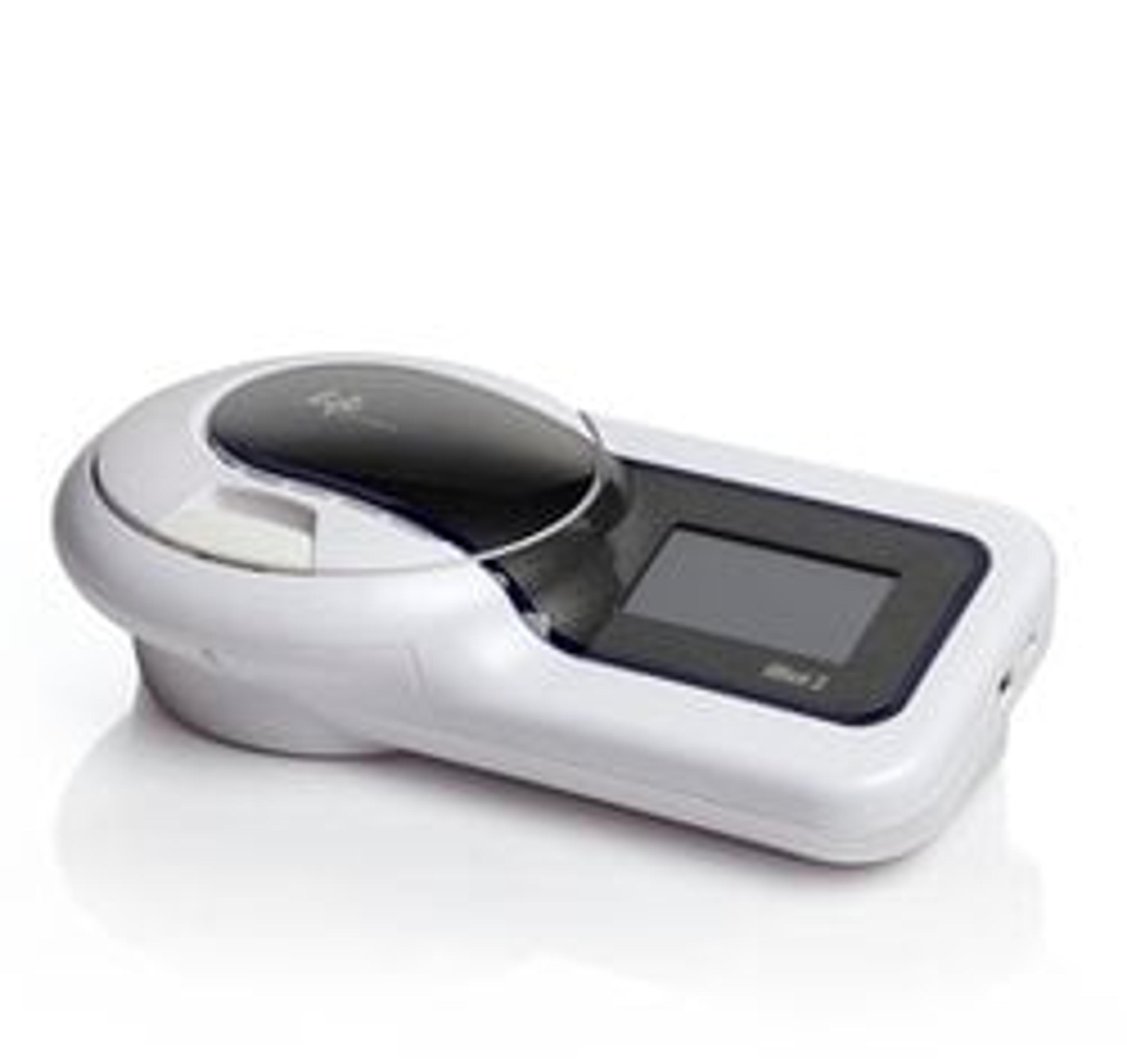
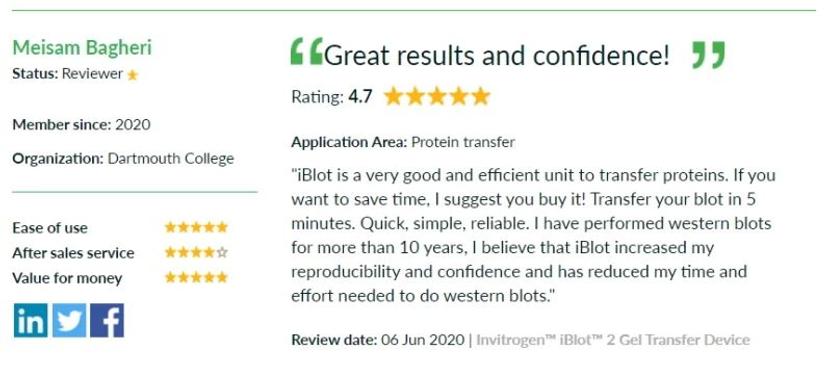
First to scoop the $100 to spend on Amazon was Dr. Meisam Bagheri, Dartmouth Norris Cotton Cancer Center, for his review on the Invitrogen iBlot 2 Gel Transfer Device from Thermo Fisher Scientific. He tells us: “Reviews on SelectScience have the power to gain customers' trust, and they encourage scientists to interact with the manufacturer.”
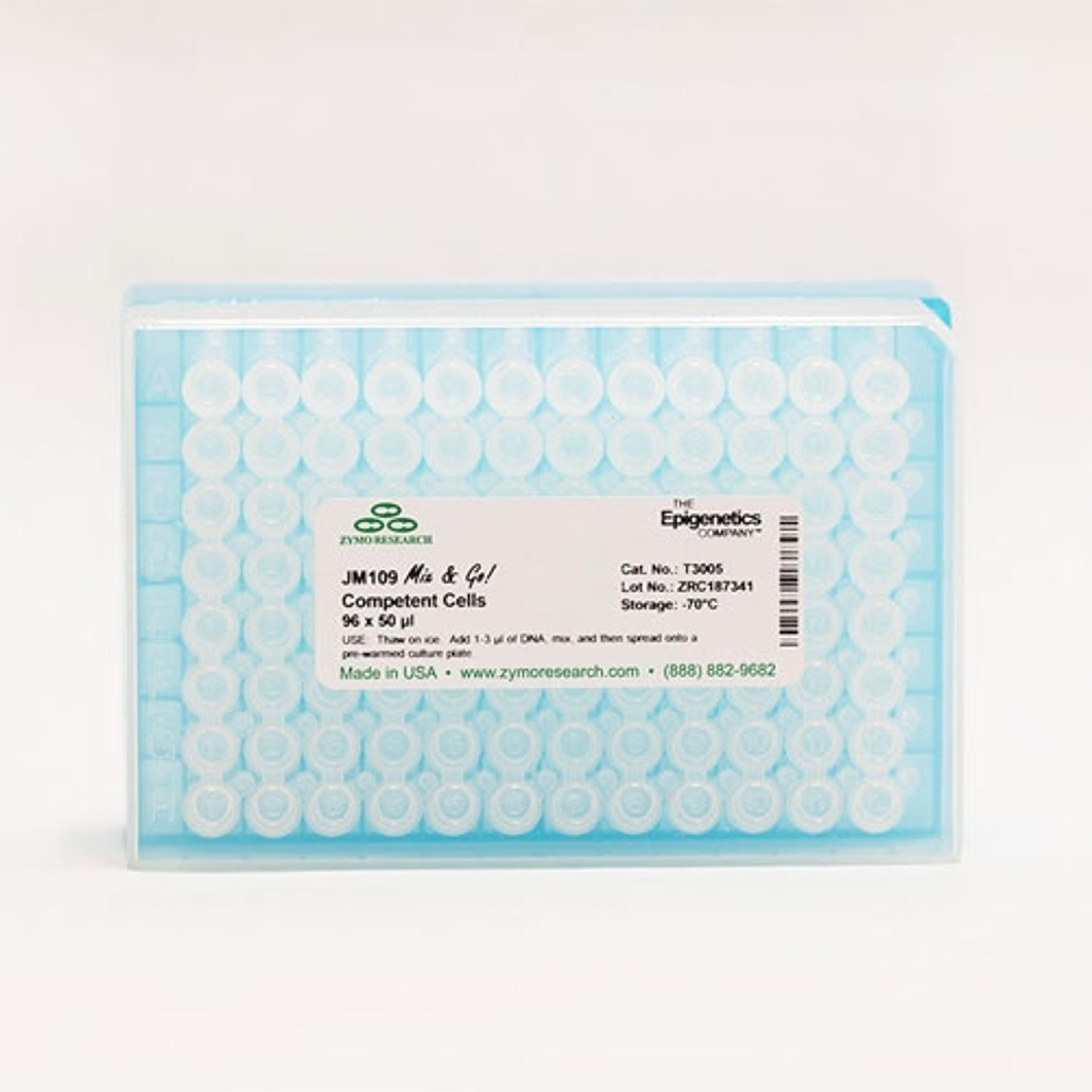
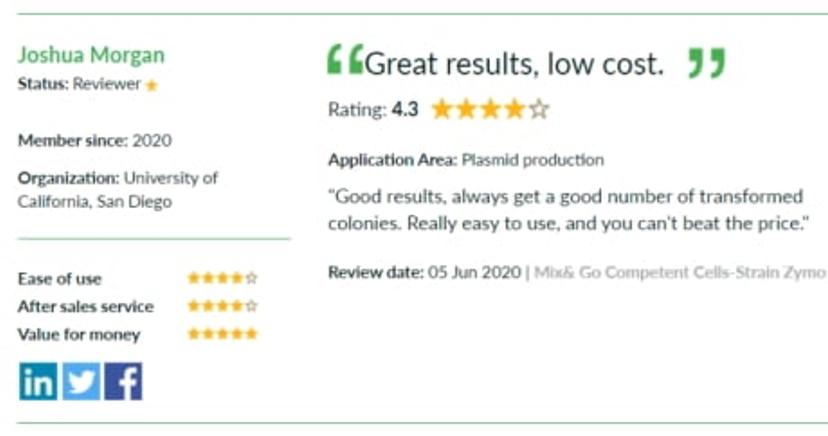
Next to bag a gift card was Josh Morgan, University of California, for his review on the Mix & Go Competent Cell-Strain by Zymo Research. He tells us: "We're in a period of rapid scientific growth. This is amazing but leads to an ever growing list of products, kits, and reagents to stay informed about. Getting reviews from scientists that have used the products is critical for ensuring your money is well spent and your research goes smoothly."


 Getting reviews from scientists that have used the products is critical for ensuring your money is well spent and your research goes smoothly.
 

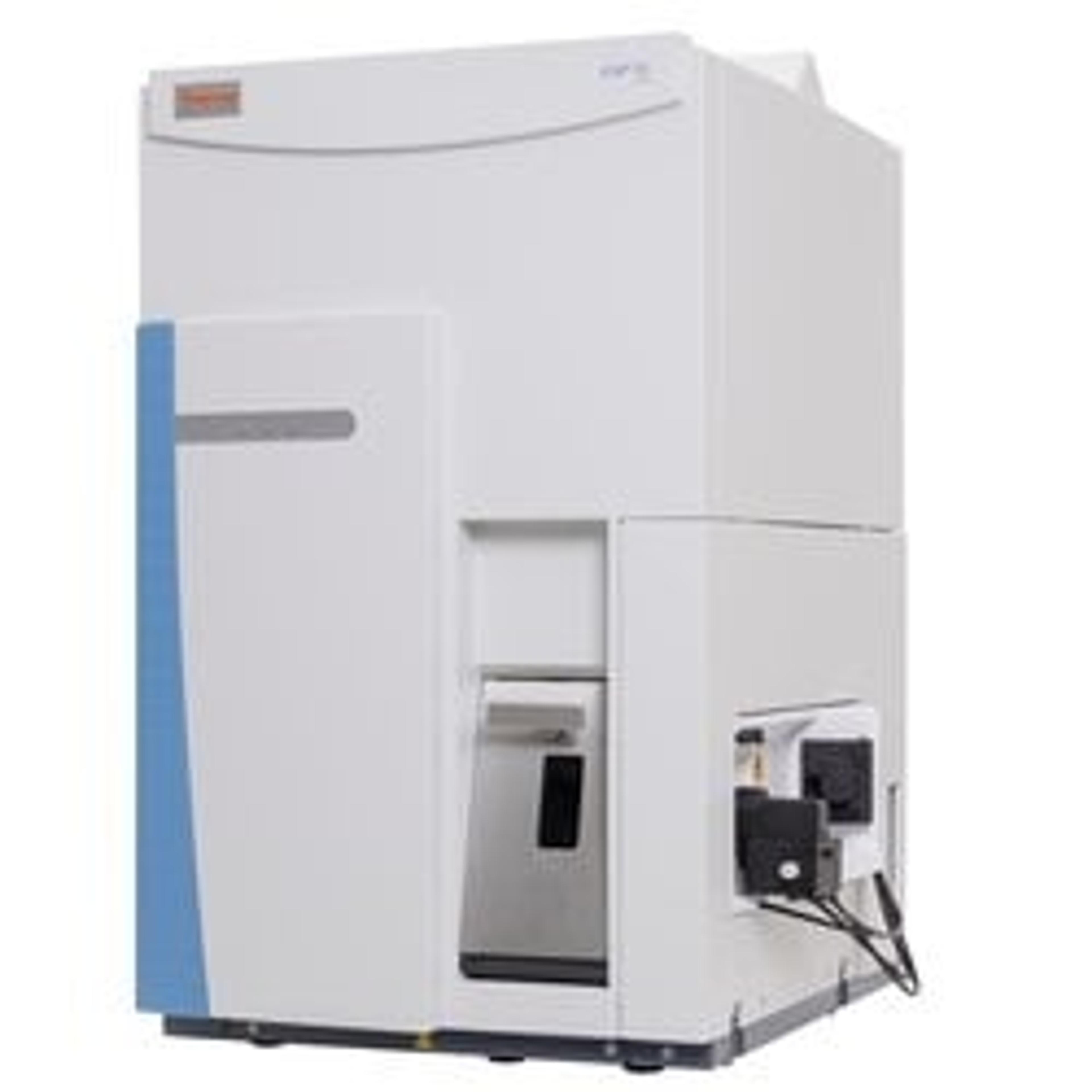
Our third winner is Salvador Bermejo Garres, from Laboratorios Munuera S.L.U., who also won a $100 Amazon Gift Card after leaving a review for the iCAP TQ ICP-MS by Thermo Fisher Scientific

He says: “The reviews in SelectScience are important in our work, we usually consult them before making a purchase.”

Our fourth winner is Cheng-Shiuan Lee, from NYS Center for Clean Water Technology, who also won a $100 Amazon Gift Card after leaving a review for the SPE-03 by Promochrom Technologies.

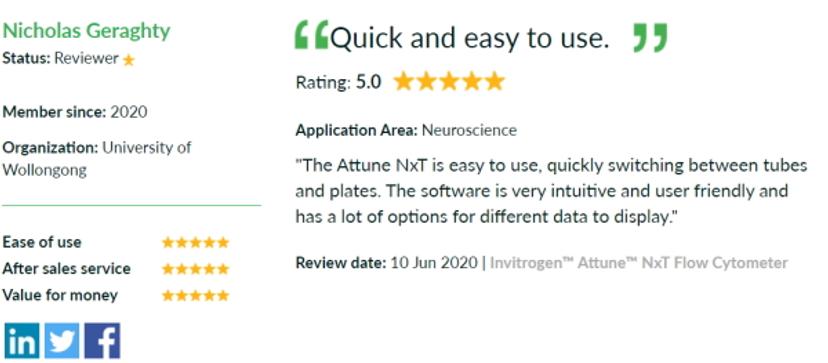
Next to claim the prize is Nicholas Geraghty, University of Wollongong, for his review on the Invitrogen™ Attune™ NxT Flow Cytometer from Thermo Fisher Scientific. He tells us: “Hearing about products directly from the people that use them is extremely useful when considering purchases.”
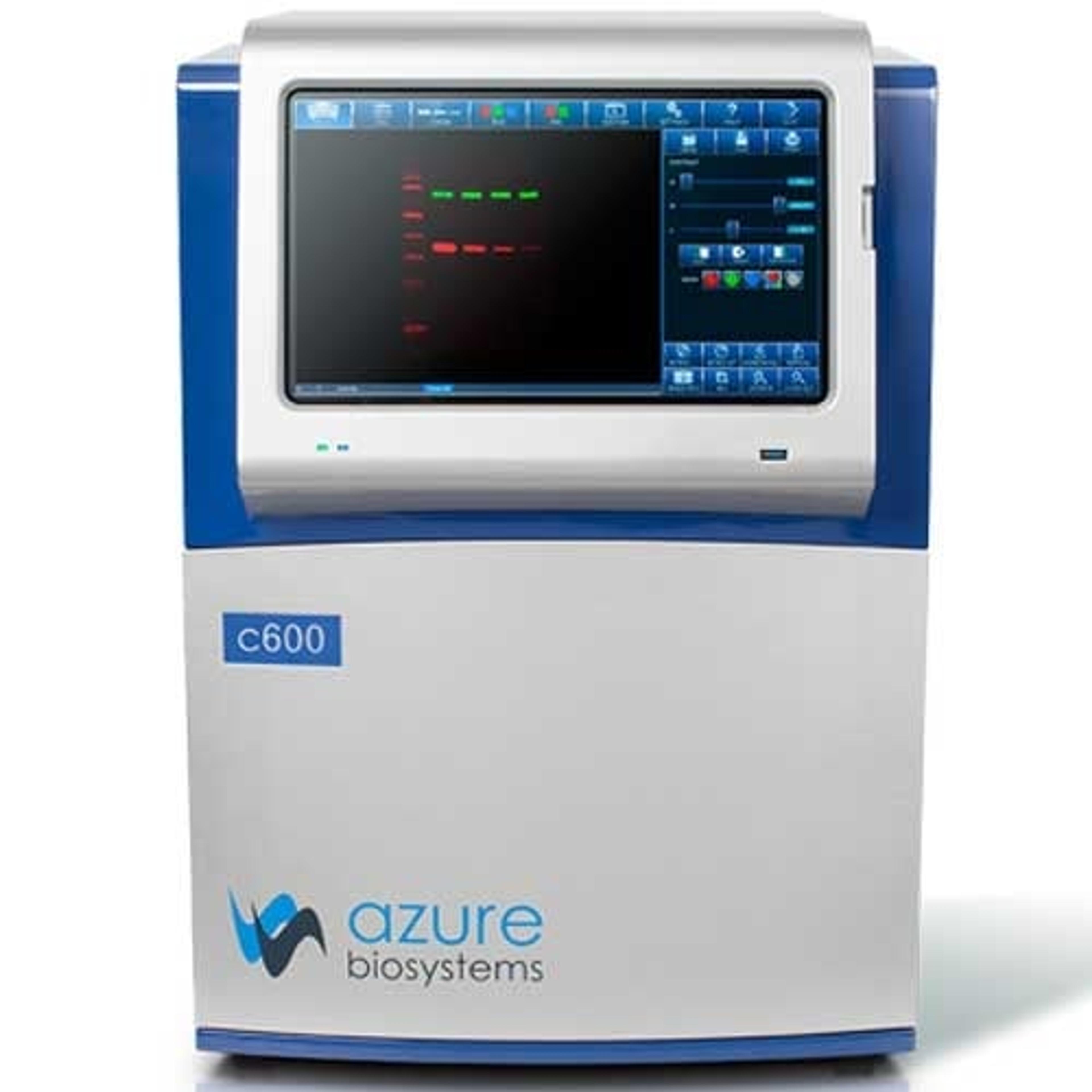
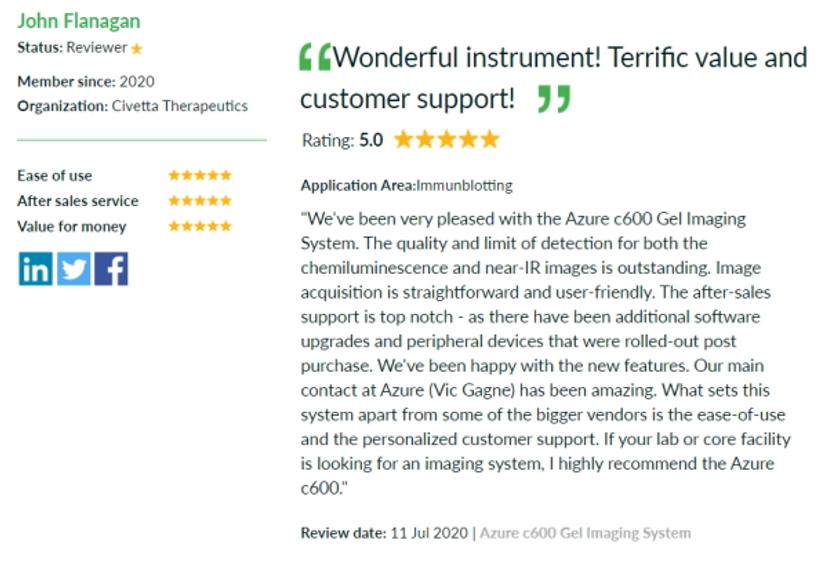
Our sixth lucky winner is John Flanagan, Civetta Therapeutics, for his review on the Azure c600 Gel Imaging System from Azure Biosystems. He tells us: "Reading reviews from other scientists on SelectScience is an important part of our diligence process when purchasing a new piece of equipment, reagent, service, etc. Understanding how other end users experience the product is a critical data point that we use when making a purchasing decision."


 Understanding how other end users experience the product is a critical data point that we use when making a purchasing decision.
 

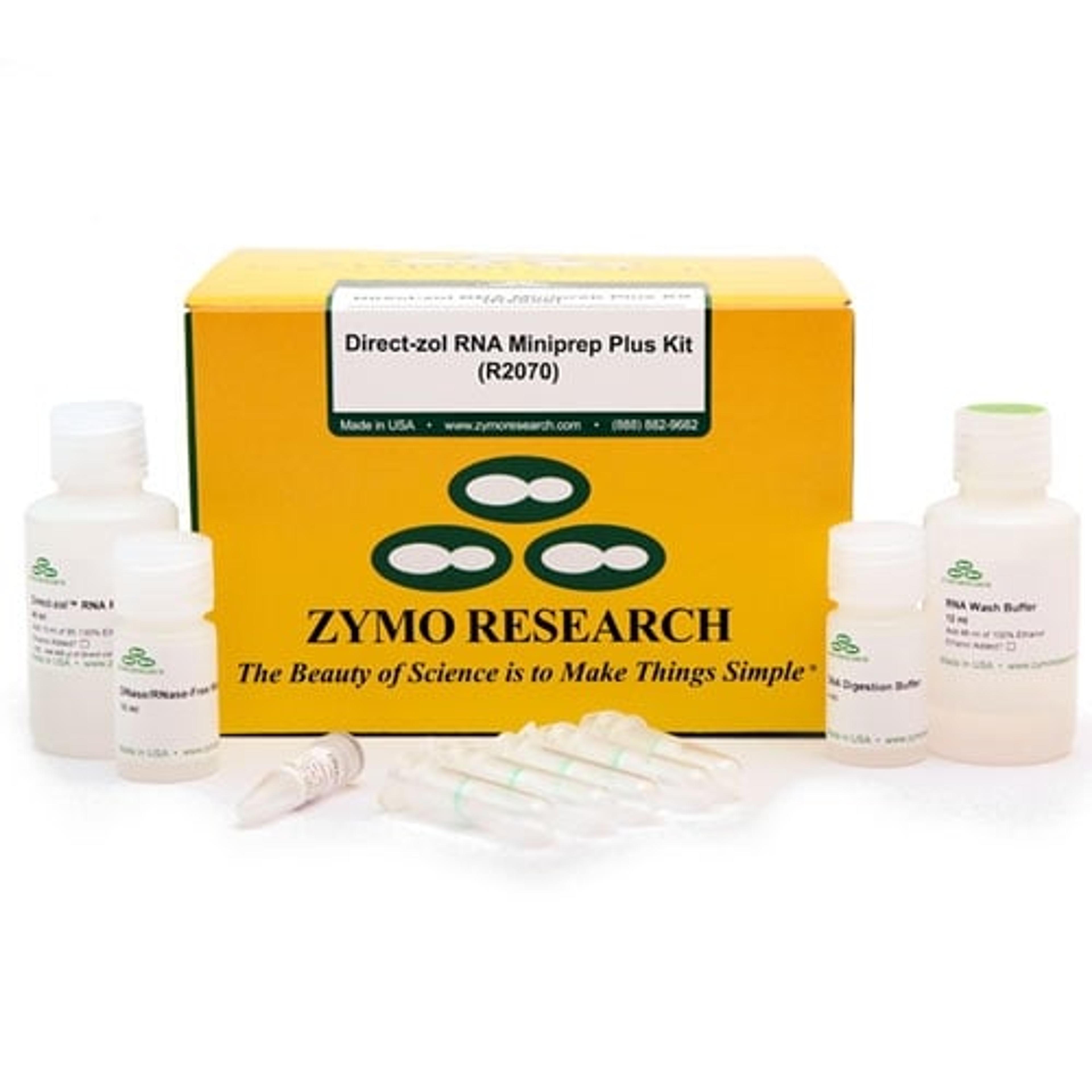
Next to claim the prize is Margaret Schedl, Prada Labs at University of Rhode Island, for her review on the Direct-zol™ RNA Miniprep Plus from Zymo Research. She tells us:


Seeing that other technicians and users have reviewed a kit favorably or say it's easy or straightforward to use are so helpful. Often we get ideas for what things to use in scientific papers, but there is rarely a discussion of how easy that kit or product was to use in a publication. So a detailed review is only something I can get on a website like SelectScience.


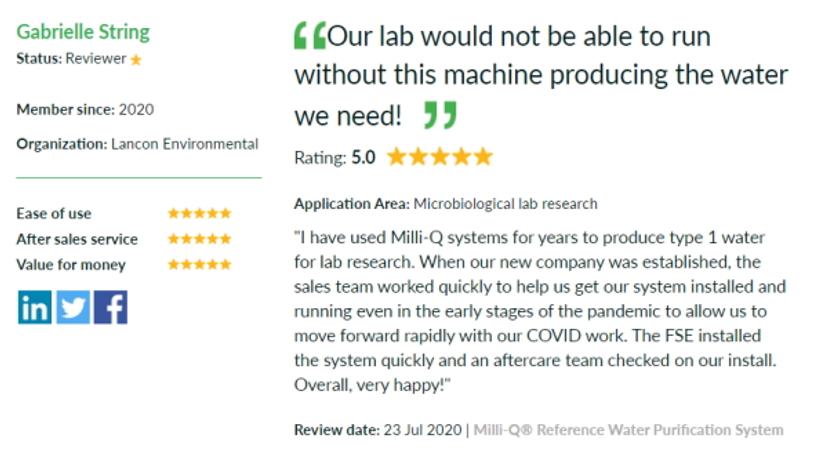
Our eighth winner is Gabrielle String, Lancon Environmental, who also won a $100 Amazon Gift Card after leaving a review for the Milli-Q® Reference Water Purification System by MilliporeSigma.
There is still time for you to get in on the action – simply leave your own lab product review to be entered into the next drawing for the $100 prize. Your name will also go into our regular bi-monthly drawing for a $400 Amazon Gift Card on August 1, 2020.

Click here to write a review about a product in your lab and you could be our next winner>>

We’ve been announcing our winners on our social media pages, so be sure to follow us on FacebookTwitter and LinkedIn.

Links

Tags

ElectrophoresisElectrophoresis equipment is used to separate mixtures of protein, DNA or RNA, based on their electric charge, size and other physical characteristics, by passing them through a medium such as a polyacrylamide gel, an agarose gel or a capillary tube. Electrophoresis equipment includes horizontal and vertical gel electrophoresis chambers, isoelectric focusing systems, 2D electrophoresis and capillary electrophoresis instruments. Precast gels with a gradient can be used or gels can be hand cast. Samples are run alongside ladders or markers to identify the approximate size of a molecule. Separated proteins and nucleic acids in the gel can be stained or probed with fluorescent markers and then imaged and detected using gel documentation instruments, transilluminators, densitometers and scanners. Find the best electrophoresis equipment in our peer-reviewed product directory: compare products, check customer reviews and receive pricing direct from manufacturers.Flash ChromatographyFlash chromatography is a fast-preparative column chromatography technique used for separation and purification of liquid analytes. Flash chromatography systems use small silica gel particles for separation and a pressurized gas for driving the solvent through the column or pre-packed cartridge. Find the best flash chromatography equipment in our peer-reviewed product directory: compare products, check customer reviews and receive pricing direct from manufacturers.Gas ChromatographyGas chromatography (GC) is an analytical technique used to separate and quantitate mixtures of small and volatile compounds. Gas chromatographs or GC systems include components such as GC columns, detectors, pumps and autosamplers. Choose from packed or capillary GC columns, flame ionization (FID), photoionization (PID) electron capture detectors and selective or non-selective detectors. Find the best gas chromatographs in our peer-reviewed product directory: compare products, check customer reviews and receive pricing direct from manufacturers.UHPLC and HPLCHigh performance liquid chromatography (HPLC) and ultra high performance liquid chromatography (UHPLC), also known as UPLC, are analytical techniques used to separate, identify and quantitate components of complex mixtures including biological samples such as proteins and lipids as well as chemical mixtures of pesticides, drugs and oils. Both techniques are liquid chromatographic methods but differ by operating pressures (HPLC < 6000 psi < UHPLC ). Components of HPLC and UHPLC systems include columns, detectors, pumps, autosamplers and column heaters. Explore a range of UHPLC and HPLC columns for your specific sample needs including reverse phase, normal phase, ion exchange, HILIC, ion exclusion and size exclusion columns. For more specialized HPLC, explore FPLC, countercurrent LC and simulated moving bed systems. Find the best UHPLC and HPLC equipment in our peer reviewed product directory: compare products, check customer reviews and receive pricing direct from manufacturers.Size Exclusion ChromatographySize exclusion chromatography (SEC) is a liquid chromatographic technique used to separate and identify molecules based on their size, including polymers, proteins, nanoparticles & nucleic acid. SEC is further subdivided into gel filtration chromatography (GFC) and gel permeation chromatography (GPC) when an aqueous or organic mobile phase is used respectively. HPLC-based SEC systems and columns are available for analytical separation alongside SEC spin columns or filters to prep samples for many protocols. Find the best size exclusion chromatography equipment in our peer-reviewed product directory: compare products, check customer reviews and receive pricing direct from manufacturers.Infrared / IR SpectroscopyInfrared (IR) spectroscopy measures the interaction of infrared light with a sample, including transmission, reflectance & absorbance, facilitating the identification of analytes. Equipment used for quantitative analysis includes Fourier-transform infrared (FTIR) spectrometers, infrared cameras, FTIR gas analyzers, as well as attenuated total reflectance (ATR) accessories and pellet or film presses. Find the best IR spectroscopy products in our peer-reviewed product directory: compare products, check customer reviews and receive pricing direct from manufacturers.LC-MSLC-MS (liquid chromatography-mass spectrometry) systems and equipment are used for separation and quantitative analysis of complex mixtures, combining liquid chromatography and mass spectrometry. Quantify proteins, contaminants, pesticides or screen for drug metabolites with a high level of sensitivity. LC-MS systems and equipment include reverse phase, normal phase and specialized columns integrated with various MS detectors such as time-of-flight (TOF), quadrupole, orbitrap or ion trap mass analyzers. LC-MS/MS instruments equipped with a qTOF or triple quadrupole analyzer give greater sensitivity and resolving power to your analysis. Find the best LC-MS equipment in our peer-reviewed product directory: compare products, check customer reviews and receive pricing direct from manufacturers.Mass SpectrometryMass spectrometry (MS) is a powerful analytical technique used to identify and quantify molecules based on the mass-to-charge ratio of gas-phase ions. It provides detailed information about the structure, composition, and properties of compounds and is widely used across fields such as environmental monitoring, materials science, drug discovery and development, food and beverage testing, and wider chemical research. Key MS techniques include tandem mass spectrometry (MS/MS), liquid chromatography–mass spectrometry (LS-MS) and inductively coupled plasma (ICP-MS). Choosing from these wide range of techniques and technologies can be a daunting task, so keep up to date with scientific applications, performance expectations, and customer reviews here all in one place. Visit our product directory to receive quotes direct from the manufacturer. Near Infrared SpectroscopyNear-infrared (NIR) spectroscopy measures the interaction of near-infrared light with a sample, including transmission, reflectance and absorbance, facilitating the identification of analytes. Measurements can be conducted using a Fourier-transform near infrared (FT-NIR) spectrometer, while there are also UV-Vis- NIR spectrophotometers that measure a broader spectrum of wavelengths. Find the best NIR spectroscopy products in our peer-reviewed product directory: compare products, check customer reviews and receive pricing direct from manufacturers.NMR and EPR SpectroscopyNuclear magnetic resonance (NMR) spectroscopy is used to resolve the local chemical environment of atomic nuclei with spin, revealing information on molecular structure, dynamic processes and chemical reactions of organic molecules, from proteins to synthetics. Electron paramagnetic resonance (EPR) also known as electron spin resonance (ESR) spectroscopy is used to detect and quantify paramagnetic species in a sample, including free radicals as transition metal ions. By immersing the sample in a strong magnetic field, both NMR and EPR spectrometers probe the sample with either radio waves or microwaves respectively. A range of benchtop, solid-state and time domain NMR spectrometers & EPR spectrometers are available, as well as NMR tubes, NMR solvents, software, coils, and magnets. Find the best NMR & EPR equipment in our peer-reviewed product directory: compare products, check customer reviews and receive pricing direct from manufacturers.Raman SpectroscopyRaman spectroscopy is used to discern the vibrational and rotational states of molecules and hence the chemical composition of a sample by measuring the inelastic scattering of monochromatic light. Explore a range of Raman spectrometers, including handheld/portable Raman spectrometers for QC/QA labs and in situ spectrometers for processes. Conduct Raman imaging for microanalysis of mixed samples using a Raman microscope. Raman spectrographs are also available. Find the best Raman spectroscopy products in our peer-reviewed product directory: compare products, check customer reviews and receive pricing direct from manufacturers.Spectroscopy LampsMonochromators, filters and spectroscopy lamps are available for specific applications of spectroscopy instruments. Available spectroscopy lamps include xenon, hollow cathode, ultraviolet, tungsten, halogen, mercury and deuterium.AntibodiesAntibodies are used in techniques such as confocal and fluorescence microscopy, flow cytometry, ELISA, ELISPOT, immunohistochemistry, western blotting and immunopreciptation. Select specific antigen reactivity, high specific affinity, low non-specific binding, monoclonal or polyclonal, primary or secondary antibodies and associated conjugates such as an enzyme or dye for visualization.Cell Adhesion AssaysCell adhesion assays are used to quantitate attachment and analyze the molecular mechanisms for extracellular matrix adhesion, cell migration and sensitivity to inhibitors. Find the best cell adhesion assay equipment in our peer-reviewed product directory: compare products, check customer reviews and receive pricing direct from manufacturers.Cell / Tissue CultureCell culture or tissue culture is used to study the biology of cells or tissues and to isolate cellular products in an environment which can be manipulated and well defined. Accurately control your culture environment with bioreactors or culture incubators, bind your cells to a surface or together with an extracellular matrix. Distinguish cell types with differential media or proliferate cells with certain characteristics using selective media. Enrich your media with supplements such as growth factors, sera and vitamins. Find the best cell and tissue culture products, kits and equipment in our peer-reviewed product directory: compare products, check customer reviews and receive pricing direct from manufacturers.
Could you be the next winner in our weekly ‘Every Opinion Counts’ giveaway?