Cell-Based Assays: Trending Technology this Month

From lightning-fast labeling technology to real-time cytometry and high-throughput protein interaction analysis, find out what technologies are making the headlines in life sciences this month

30 May 2019
Frankie MacDonald
Administrator / Office Personnel

Editorial article

1. Label your antibodies with just 30 seconds hands-on time

Fed up of tedious antibody protocols? Expedeon’s exciting Lightning-Link Technology promises rapid antibody labeling — in 20 minutes with 30 seconds hands-on time — as well as 100% antibody recovery, and highly stable conjugated products.

2. Analyze protein interactions for drug discovery and screening

Many of the conventional analysis methods do not provide important contextual information that reveals how a protein works in its native cellular environment, nor do they suit high-throughput screening campaigns. Download this eBook for access to robust, reproducible protein interaction assays, compatible for multi-detection microplate readers for higher throughput drug discovery workflows.

3. Discover the new fluorescent protein on the block

Biophysicists from the Moscow Institute of Physics and Technology, along with scientists from France and Germany, have developed a new fluorescent protein that is more thermally stable, considerably smaller, and emits light without the need for oxygen. Initially identified in thermophilic bacterium, this group of researchers has developed a method for large-scale production that could bring this technology to your labs, very soon.

4. Capture detailed cell physiology in real time

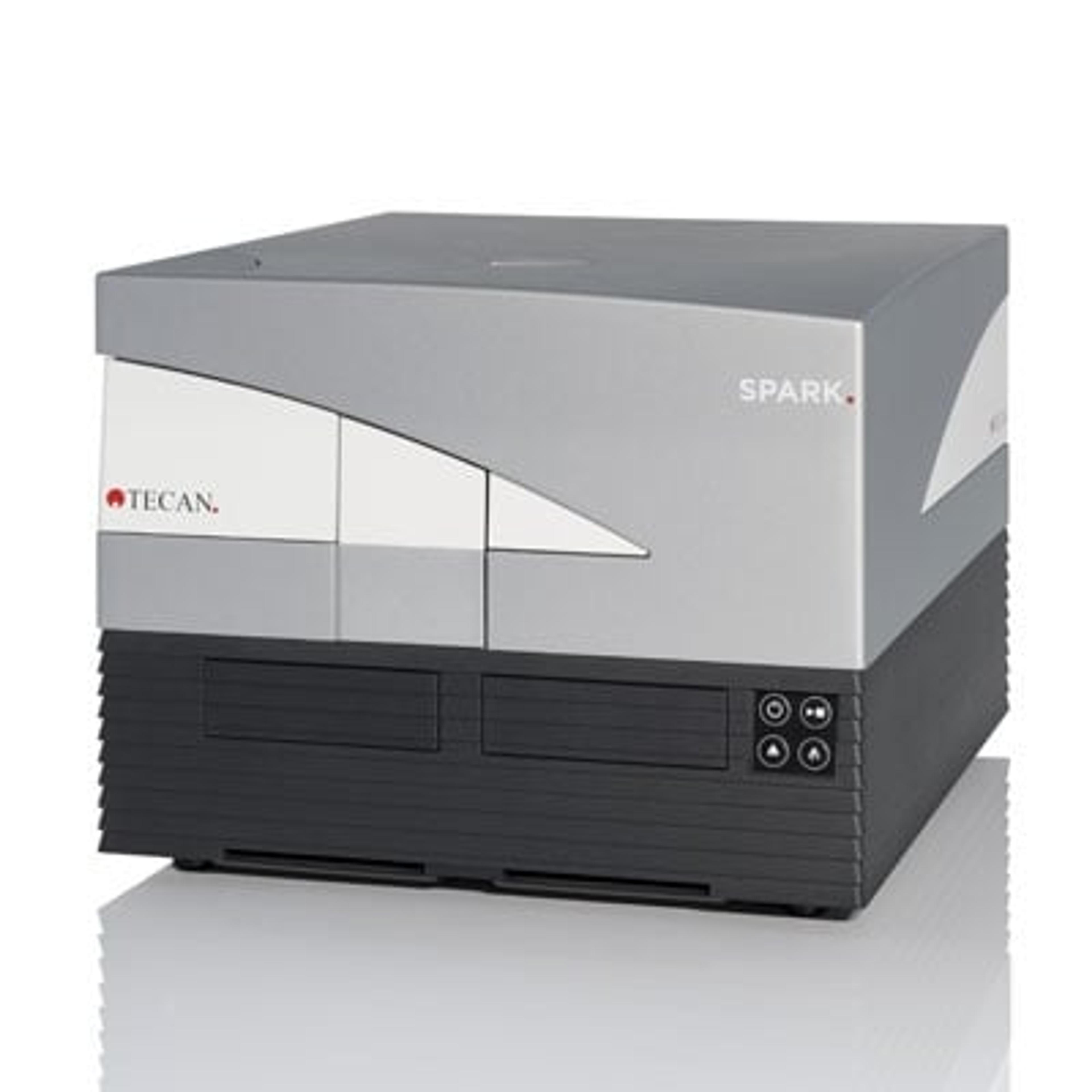
Take your live-cell imaging one step further - from ‘wellular’ to cellular - with the first live-cell plate reader with integrated real-time cytometry. The Spark® Cyto from Tecan, officially being launched at SLAS Europe in Barcelona, enables you to delve deeper into cell physiology with extended parameters. Watch this video to find out more and catch the experts at the Tecan booth - Island 3, next month.

5. Turn an eye towards automation to mitigate assay variability

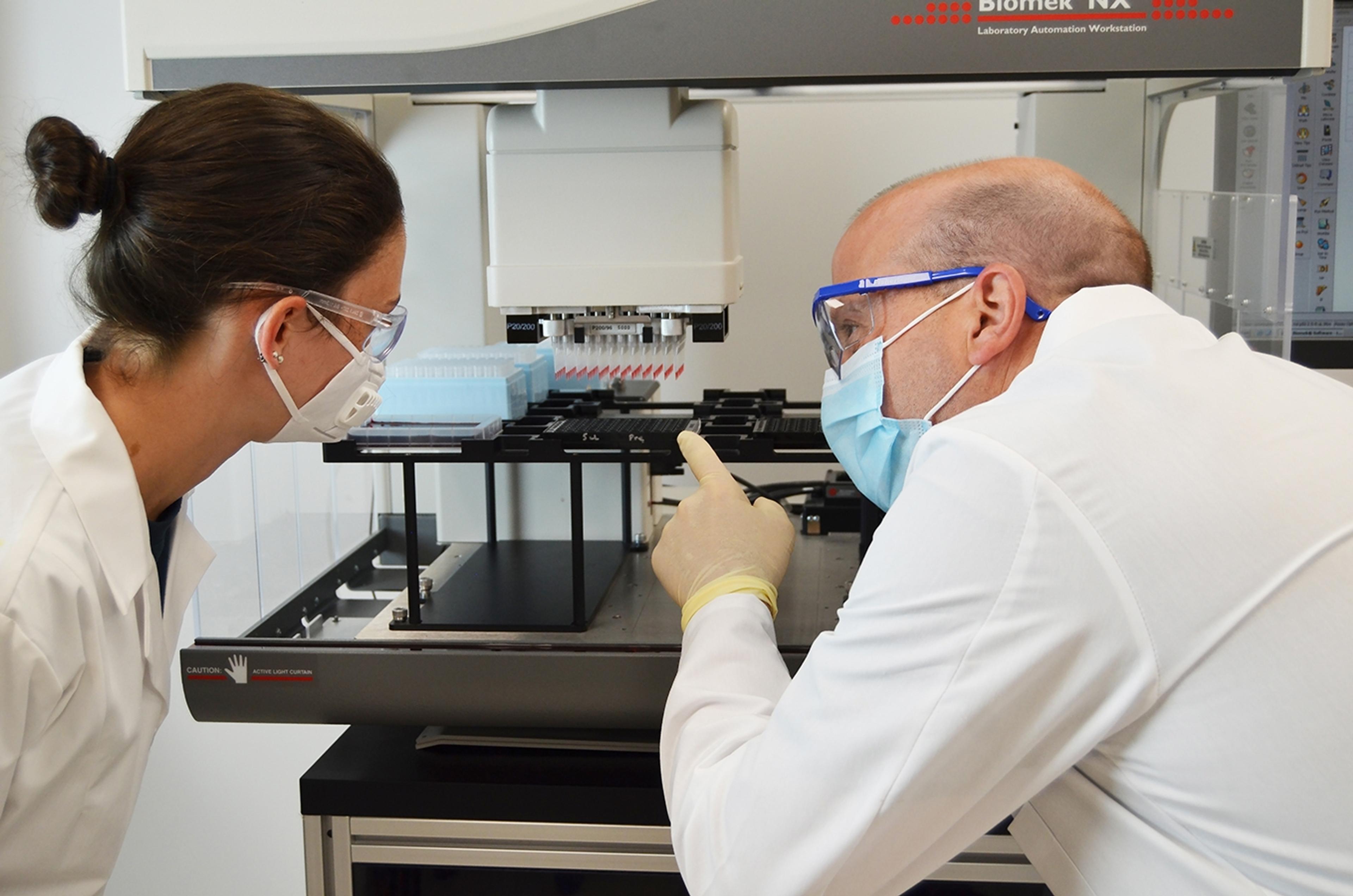
In a SelectScience webinar, liquid handling experts discuss the underappreciated impact of pipetting errors on assay read-outs. Catch the webinar on demand to find out how to assess the variability in your liquid handling workflows; why it’s important to optimize these parameters for assay transfer; and how the Artel Liquid Handling Service provides the necessary expertise to overcome such barriers.

6. Invest in a one-size-fits-all cell culture solution

R&D scientists from PromoCell have spent the past two years working to develop a unique, never-seen-before product for established cancer cell lines. Having realized that sera and animal-products in media influence the physiology of cells in a dose and cell-line dependent manner, they have developed an entirely xeno and serum-free solution that is fit for purpose for almost any cell line - enabling true comparability within your cell-based analysis. Download this application note to find out more and watch out for an exclusive SelectScience interview — from inside the PromoCell lab — coming soon.

Links

Tags

AntibodiesAntibodies are used in techniques such as confocal and fluorescence microscopy, flow cytometry, ELISA, ELISPOT, immunohistochemistry, western blotting and immunopreciptation. Select specific antigen reactivity, high specific affinity, low non-specific binding, monoclonal or polyclonal, primary or secondary antibodies and associated conjugates such as an enzyme or dye for visualization.Cell / Tissue CultureCell culture or tissue culture is used to study the biology of cells or tissues and to isolate cellular products in an environment which can be manipulated and well defined. Accurately control your culture environment with bioreactors or culture incubators, bind your cells to a surface or together with an extracellular matrix. Distinguish cell types with differential media or proliferate cells with certain characteristics using selective media. Enrich your media with supplements such as growth factors, sera and vitamins. Find the best cell and tissue culture products, kits and equipment in our peer-reviewed product directory: compare products, check customer reviews and receive pricing direct from manufacturers.Cell Lines Stem Cells and Primary CellsPrimary cell cultures, established cell lines and stem cells are vital for <i>in vitro</i> and <i>ex vivo</i> experimentation. High-quality cells, optimized for your applications, alongside optimized cell substrates, growth medium and supplements, are critical for experimental success. Explore a range of cells suitable for your applications, including isogenic cell lines, competent cells, induced pluripotent stem cell (iPSC)-derived cell lines, fungal/bacterial/mammalian cell lines, stem cells and cancer cell lines. Find the best cells for your research in our peer-reviewed product directory: compare products, check customer reviews and receive pricing direct from manufacturers.Cell AnalysisThe analysis of cells allows researchers to understand the factors which contribute to cell health and function. These influencing processes can then be predicted and altered, leading to the development of medication and disease treatments.Protein InteractionsProtein interactions are essential for understanding cellular processes, as proteins work together to carry out biological functions. Studying protein interactions can provide insights into disease mechanisms, drug development, and cell signaling pathways. Explore the best tools for protein interaction research in our peer-reviewed product directory; compare products, check reviews, and get pricing directly from manufacturers.Live Cell ImagingLive cell imaging is the study of living cells using microscopes and high-content imaging systems. This technique provides in-depth insight into fast and complex biological processes, by allowing dynamic imaging of living cells instead of acquiring an individual image at a single point in time.Cell Based AssaysCell-based assays use living cells to measure biological responses to various treatments or stimuli. They are essential for drug discovery, toxicology testing, and understanding cellular mechanisms. These assays are used to assess cell viability, proliferation, gene expression, and other cellular activities. Browse our peer-reviewed product directory to find the best cell-based assay tools and reagents, compare products, read customer reviews, and get pricing directly from manufacturers.AntibodiesSLASThe Society for Laboratory Automation and Screening (SLAS) is an organization focused on laboratory automation, high-throughput screening, and biotechnology innovation. SLAS promotes scientific advancements through conferences, publications, and industry collaborations.