BMG LABTECH to Showcase Streamlined Readers at SLAS 2017

12 Jan 2017

Emily Adam
Publishing / Media

Product news

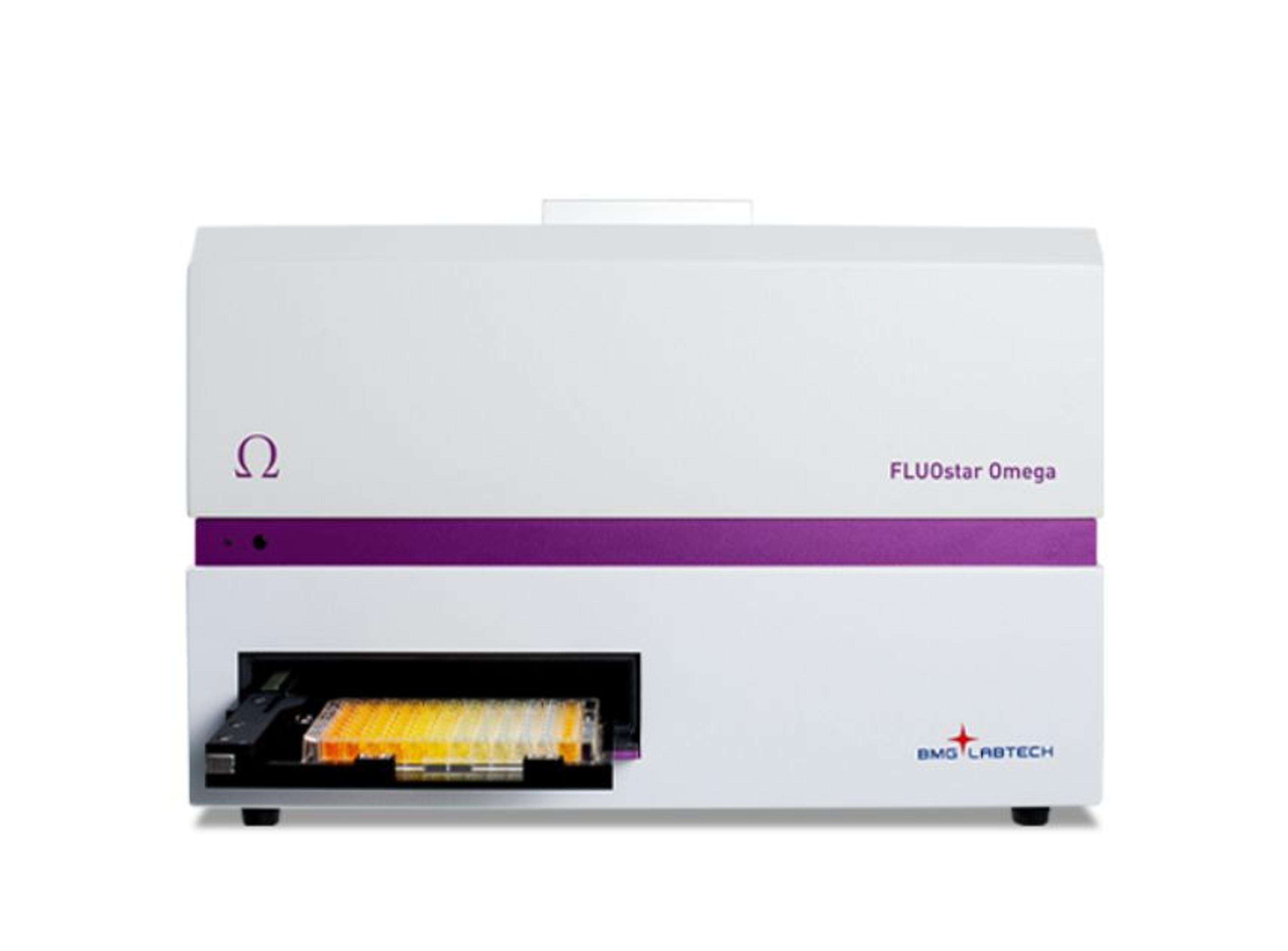
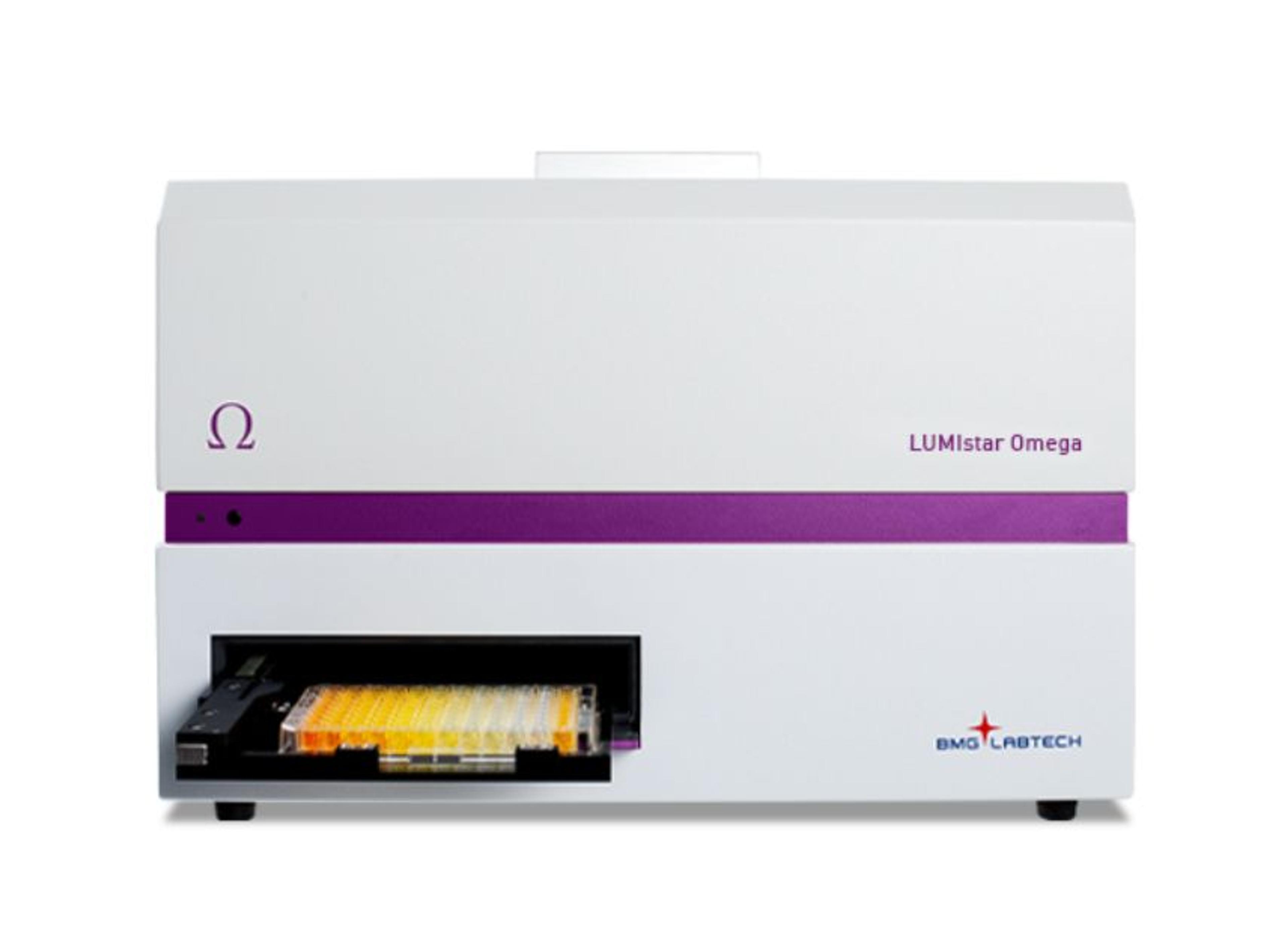
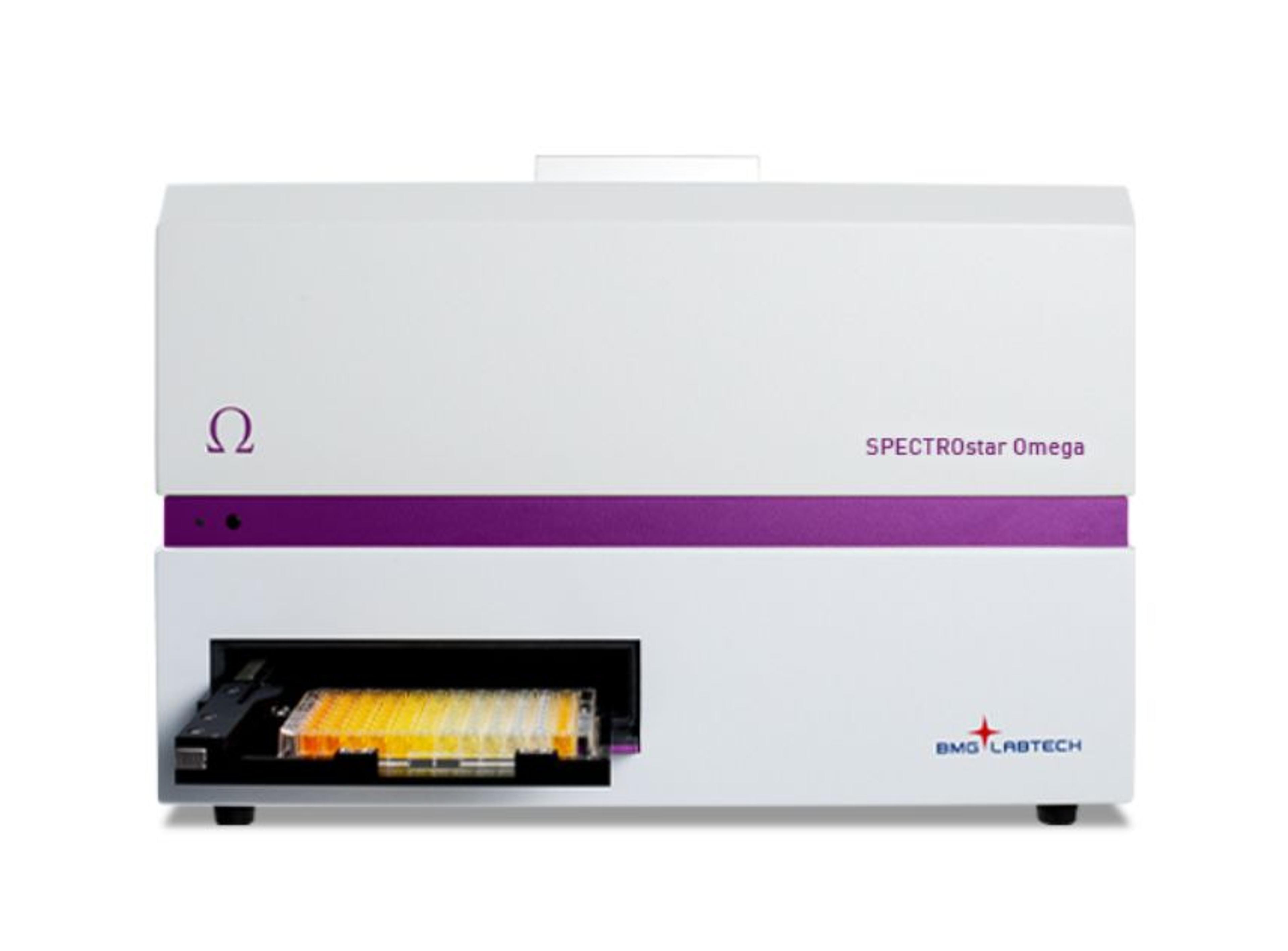
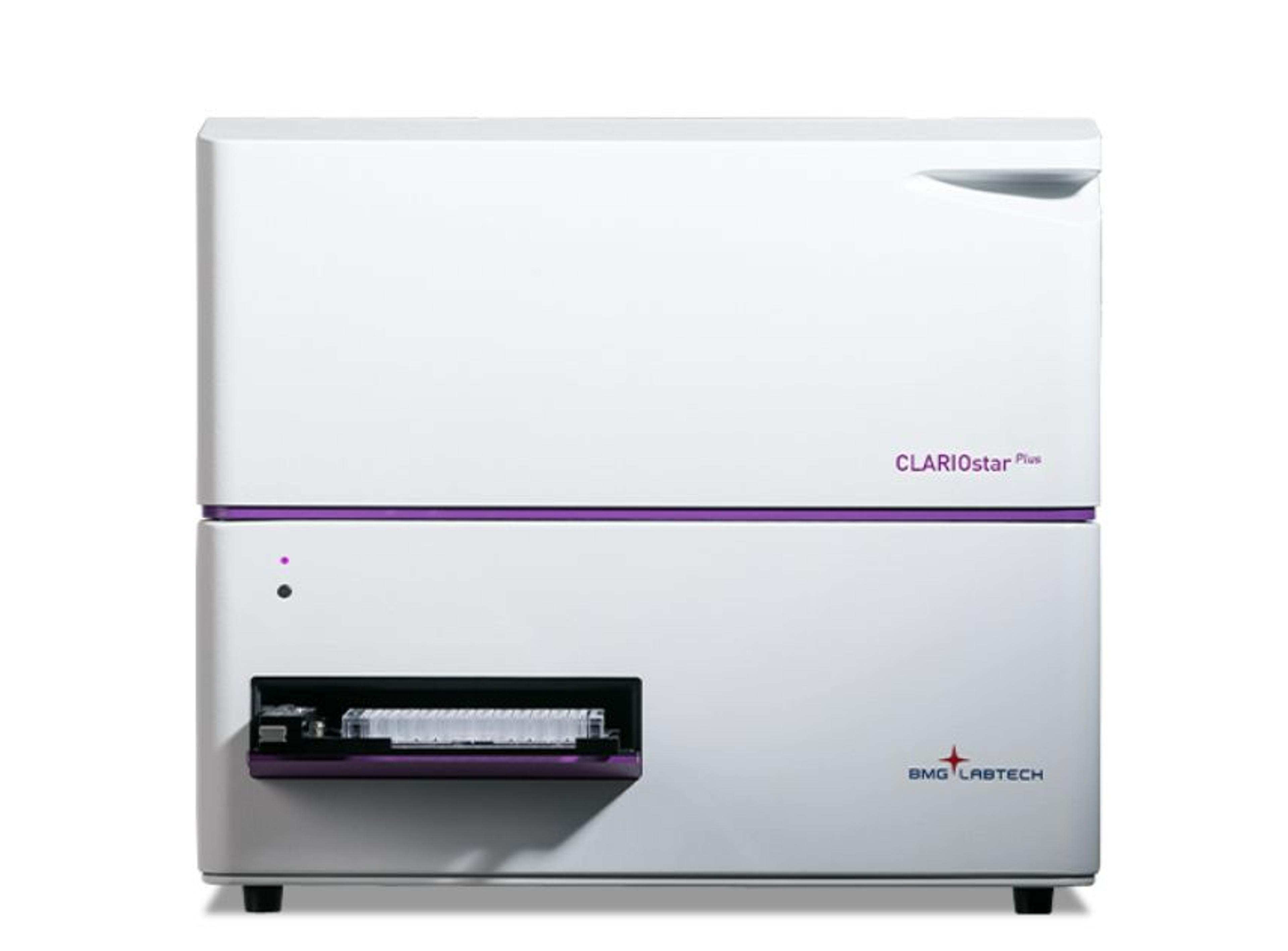
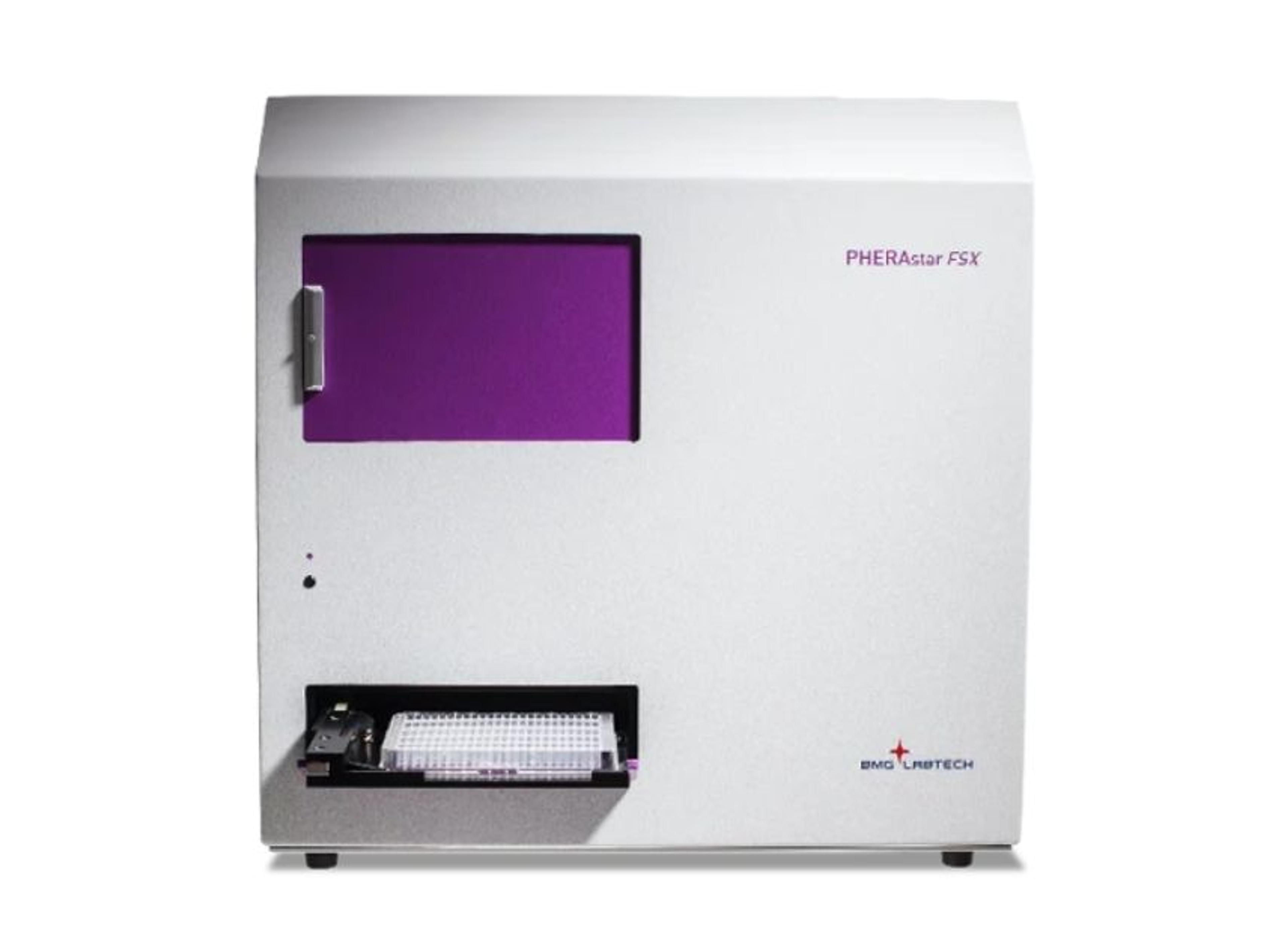
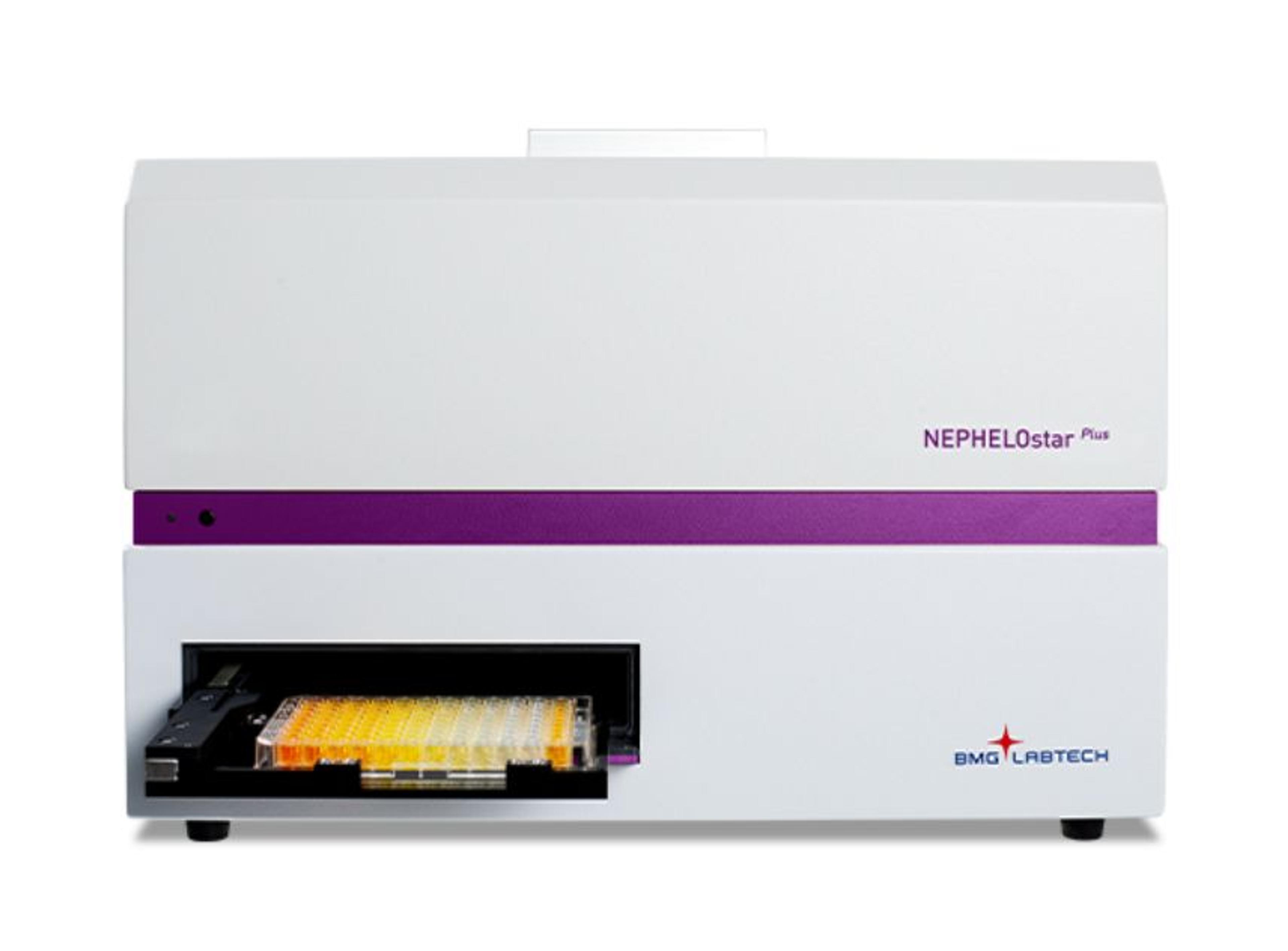
BMG LABTECH’s visual appearance is heading into a new direction. The microplate reader company launched a new corporate colour identity that will be rolled out across all products as well as external and internal communication channels in the coming weeks.

“As the company grows and develops, it is important that our brand continues to reflect the high quality, reliability and innovation of our products. Our new corporate identity represents the natural evolution of this transformation. It unites all our microplate readers and coming product launches under the new purple and grey design. This new visual brand appearance gives us a forward looking image that supports our reputation of being a technology leader in microplate reading”, says Tobias Pusterla, International Marketing Manager at BMG LABTECH.

Today BMG LABTECH is at the forefront of technology due to continuous development of innovative and unique technologies in microplate reading over the last 25 years. BMG LABTECH offers a wide range of dedicated and multi-mode microplate readers for life sciences applications and high-throughput screening. “It’s imperative for our brand to reflect and promote our company as it is today and the tremendous product and service quality we bring. The new corporate identity presents the company as modern and evolving. It contains an elegant grey and a strong purple, while the company logo will remain unchanged”, explains Pusterla. An updated corporate website will follow during the year to complete the new brand identity and showcase the company’s competitive strength and entire product range.

The newly coloured readers will be shown for the first time at BMG LABTECH’s booth (529) at SLAS 2017, February 4-8 in Washington DC.
Links

Tags

MicroplatesMicroplates are multi-well plates used to increase the throughput of biological investigations. The number of wells microplates contain can range from 6 to 3243 wells, with the 96-well format being the most commonly used. Microplates can come tailored for a range of applications including cell culture, PCR, filtration, storage, non-binding surface, protein crystallization, as well as pre-coated, deep well and normal Standard microplates. Additionally, options for microplate colors include clear , black, white or black with clear bottom and white with clear bottom for absorbance microplate reader applications. Find the best microplates for your lab in our peer-reviewed product directory: compare products, check customer reviews and receive pricing direct from manufacturers.Microplate Readers / DetectorsMicroplate readers are used to automate the detection and analysis of labeled or label-free components in microplates during assays or live-cell monitoring. Microplate readers are generally distinguished by their mode of detection. Types include absorbance, luminescence, fluorescence intensity, fluorescence polarization, TRF / FRET and multimode microplate readers. Microplate readers deliver a high throughput of samples by reading multiple wells simultaneously, with the 96-well format the most commonly used. As a result, microplate readers are often used in the drug discovery, bioassays, research and pharmaceutical industries for screening applications. Microplate loading can also be automated, with robotic microplate stackers to increase throughput. Find the best microplate readers in our peer-reviewed product directory: compare products, check customer reviews and receive pricing direct from manufacturers.Cell AnalysisThe analysis of cells allows researchers to understand the factors which contribute to cell health and function. These influencing processes can then be predicted and altered, leading to the development of medication and disease treatments.Live Cell ImagingLive cell imaging is the study of living cells using microscopes and high-content imaging systems. This technique provides in-depth insight into fast and complex biological processes, by allowing dynamic imaging of living cells instead of acquiring an individual image at a single point in time.