BMG LABTECH Exhibits at the Genomics Festival in London

3 Jan 2017

Sarah Thomas
Associate Editor

Product news

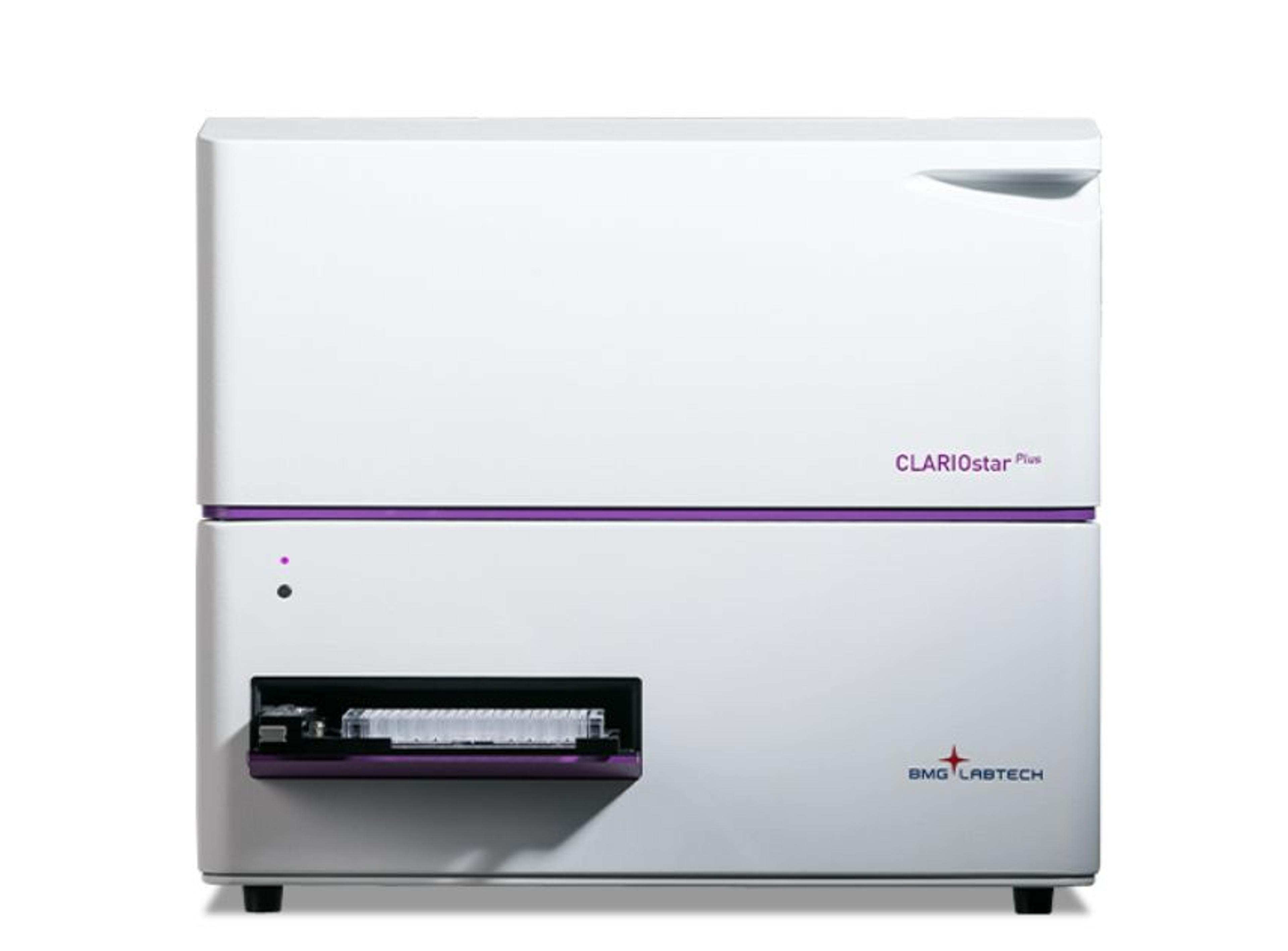
The Festival of Genomics London brings together academia, biopharma and healthcare to explore the power of the genome in driving R&D and the diagnosis and treatment of disease into the future. Stop by booth #29 to see the CLARIOstar®, the microplate reader that provides advanced flexibility and sensitivity for drug discovery, genomics, cancer studies and synthetic biology.

The festival takes place from the 31st of January - the 1st of February and is thought for anyone generating, using, or studying genomic information. “The multi-mode microplate reader CLARIOstar has been installed in numerous cancer research institutions as well as drug discovery and synthetic biology labs. The reader is used for many applications in these areas and in particular, for DNA quantification and purity determination. We are an innovative company, the first to introduce spectrometers for absorbance measurement to multi-mode microplate readers and the only company to provide spectrometers across its entire range of microplate readers”, says Robert Mount, Manager at BMG LABTECH UK. Thanks to that, BMG LABTECH’s readers acquire the whole UV/vis absorbance spectrum of a sample in less than one second, allowing super-fast simultaneous measurements at 230, 260, and 280 nm.

No compromises in sensitivity or flexibility

The CLARIOstar is the only reader on the market available with the three detection technologies required to run any assay: unique LVF monochromators™, UV/vis spectrometer, and high transmission optical filters. “The CLARIOstar does not compromise on sensitivity or flexibility, providing instead the tools to choose what is needed for any genomic application. It is the most sensitive monochromator-based reader plate reader on the market and the best instrument for super-sensitive fluorescence-based DNA quantification”, explains Mount.

Links

Tags

Microplate Readers / DetectorsMicroplate readers are used to automate the detection and analysis of labeled or label-free components in microplates during assays or live-cell monitoring. Microplate readers are generally distinguished by their mode of detection. Types include absorbance, luminescence, fluorescence intensity, fluorescence polarization, TRF / FRET and multimode microplate readers. Microplate readers deliver a high throughput of samples by reading multiple wells simultaneously, with the 96-well format the most commonly used. As a result, microplate readers are often used in the drug discovery, bioassays, research and pharmaceutical industries for screening applications. Microplate loading can also be automated, with robotic microplate stackers to increase throughput. Find the best microplate readers in our peer-reviewed product directory: compare products, check customer reviews and receive pricing direct from manufacturers.DNA / RNA QuantificationDetection and quantification of nucleic acids is important in molecular biology, cloning, expression, forensics and clinical diagnostics. Nucleic acids can be detected by labeling with colorimetric, fluorescent or radio labels and using in situ hybridization kits to identify specific sequences. Multiple nucleic acids can be detected and quantified at once using RNA / DNA detection beads or RNA / DNA microarrays. Find the best DNA / RNA Quantification products in our peer-reviewed product directory: compare products, check customer reviews and receive pricing direct from manufacturers.BiopharmaceuticalsBiopharmaceuticals are proteins and other compounds (such as nucleic acids) produced by living organisms that have uses as therapeutics or for in vivo diagnostics. The most well known example of a biopharmaceutical product, and the first to be approved for therapeutic use, was recombinant human insulin.Drug DiscoveryDrug discovery is the process of identifying potential new medications, involving stages such as target identification, compound screening, and preclinical development. It relies on cutting-edge technologies like high-throughput screening, artificial intelligence, and molecular modeling to accelerate the identification of drug candidates. Drug discovery plays a pivotal role in developing new therapies for diseases ranging from cancer to rare genetic disorders. Browse our peer-reviewed product directory to find the latest drug discovery technologies, compare options, check customer feedback, and get pricing directly from manufacturers.Genetics AutomationCancer ResearchAlthough cancer is often referred to as a single condition, it actually consists of more than 100 different diseases. Microscopy, mass spectrometry, high throughput sequencing and flow cytometry are some of the most common techniques employed in cancer research labs.