BMG LABTECH and InvivoSciences Initiate Market Collaboration to Accelerate Drug Discovery in Engineered 3D Tissues

19 Nov 2013

Liam McNair
Administrator / Office Personnel

Industry news

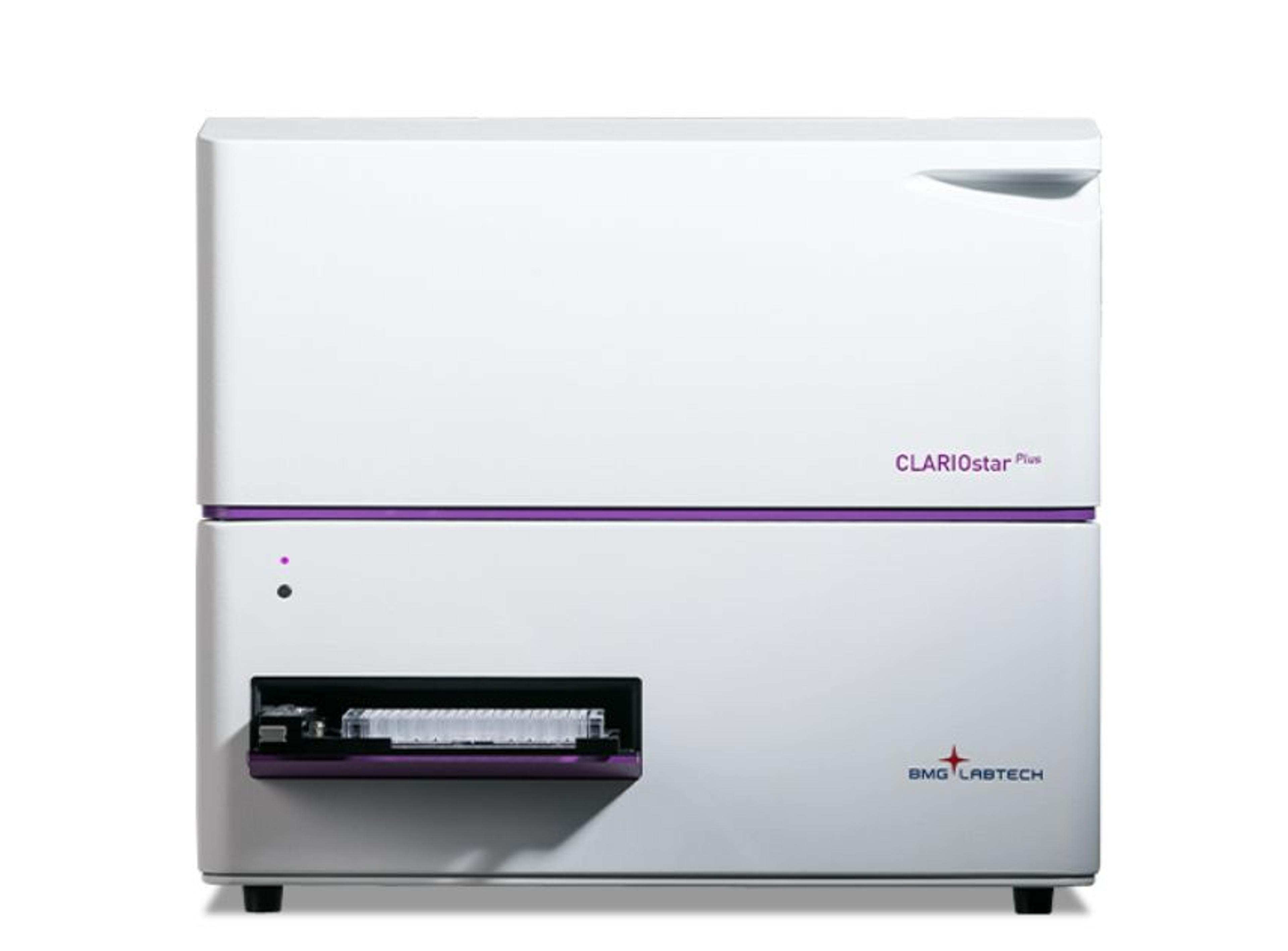
BMG LABTECH, a leading developer and manufacturer of microplate reader instrumentation, has announced a strategic collaboration with InvivoSciences, a leader in stem cell tissue engineering relating to drug discovery. The collaboration aims to market time-dependent fluorescent assessment of engineered 3D heart tissues using advanced microplate reader technologies.


Employing an automated system, 3D heart tissues are fabricated with cardiomyocytes derived from human induced pluripotent stem cells. The ultra- sensitive plate reader, CLARIOstar®, will analyze rapid beat-to-beat changes (up to 50 Hz) in the fluorescence intensities of dyes that indicate physiological states in engineered 3D heart tissue after drug/compound application.

Ayla Annac, Co-founder and CEO of InvivoSciences commented, "We are especially proud and pleased to establish a long-term relationship with the leading developer and internationally-recognized manufacture of microplate readers, BMG LABTECH."

"InvivoSciences has established themselves as a leader in engineered 3D tissues using pluripotent stem cells," said E.J. Dell, Ph.D., International Marketing Director of BMG LABTECH. "We are pleased to partner with them to create a drug discovery platform that is biologically more relevant to researchers."

In recognition of this partnership InvivoSciences will be sponsoring a workshop during Cell Based Assays Summit in Munich Germany, December 2nd – 4th 2013. BMG LABTECH will also have a short presentation at the workshop to discuss the applications of microplate readers in cell and tissue based assays.

Furthermore, both BMG LABTECH and InvivoSciences will be presenting a workshop tutorial at the Society for Laboratory Automation and Screening (SLAS) convention in San Diego, CA, January 20th 2014.

Links

Tags

MicroplatesMicroplates are multi-well plates used to increase the throughput of biological investigations. The number of wells microplates contain can range from 6 to 3243 wells, with the 96-well format being the most commonly used. Microplates can come tailored for a range of applications including cell culture, PCR, filtration, storage, non-binding surface, protein crystallization, as well as pre-coated, deep well and normal Standard microplates. Additionally, options for microplate colors include clear , black, white or black with clear bottom and white with clear bottom for absorbance microplate reader applications. Find the best microplates for your lab in our peer-reviewed product directory: compare products, check customer reviews and receive pricing direct from manufacturers.Microplate Readers / DetectorsMicroplate readers are used to automate the detection and analysis of labeled or label-free components in microplates during assays or live-cell monitoring. Microplate readers are generally distinguished by their mode of detection. Types include absorbance, luminescence, fluorescence intensity, fluorescence polarization, TRF / FRET and multimode microplate readers. Microplate readers deliver a high throughput of samples by reading multiple wells simultaneously, with the 96-well format the most commonly used. As a result, microplate readers are often used in the drug discovery, bioassays, research and pharmaceutical industries for screening applications. Microplate loading can also be automated, with robotic microplate stackers to increase throughput. Find the best microplate readers in our peer-reviewed product directory: compare products, check customer reviews and receive pricing direct from manufacturers.FluorescenceThe emission of fluorescence occurs when a photon of energy is supplied to a fluorescent chemical compound by an external source, causing it to become excited. Fluorescence can be detected and measured for different purposes using microplate readers, fluorescence microscopes, fluorescence scanners, and flow cytometers.CardiomyocytesHuman CardiomyocytesDrug DevelopmentDrug development refers to the process of bringing a new drug to market.SLASThe Society for Laboratory Automation and Screening (SLAS) is an organization focused on laboratory automation, high-throughput screening, and biotechnology innovation. SLAS promotes scientific advancements through conferences, publications, and industry collaborations.
BMG LABTECH and InvivoSciences Initiate Market Collaboration to Accelerate Drug Discovery in Engineered 3D Tissues