Biomarker research – Immuno-oncology, COVID-19, proteomics and more

Trends in biomarker discovery methods and novel techniques advancing research, clinical diagnostics and therapeutic development

1 Dec 2020

Sarah Thomas
Associate Editor

Editorial article

Biomarkers include biological molecules — for example, cells, proteins, hormones, metabolites or gene sequences — that can be measured samples to identify a biological state. This makes their study of particular interest for disease pathogenesis, with possible applications in diagnosis and prognosis, as well as in drug discovery and development for monitoring the effects of treatments.

Typically measured in tissue or fluid samples, the search for novel biomarkers holds the potential for earlier and less invasive disease diagnosis, for example through liquid biopsies, and is also a key focus for patient stratification and precision medicine approaches. With a wide range of potential biomarkers, numerous laboratory techniques play a role in biomarker discovery and research. In this new special feature, we take a look at some of the latest technologies advancing immunoassay development, imaging, mass spectrometry and whole-genome sequencing, and the researchers at the forefront of metabolomics, neuroscience, immuno-oncology and COVID-19 studies.

IMMUNO-ONCOLOGY: Biomarker measurement with high sensitivity and speed

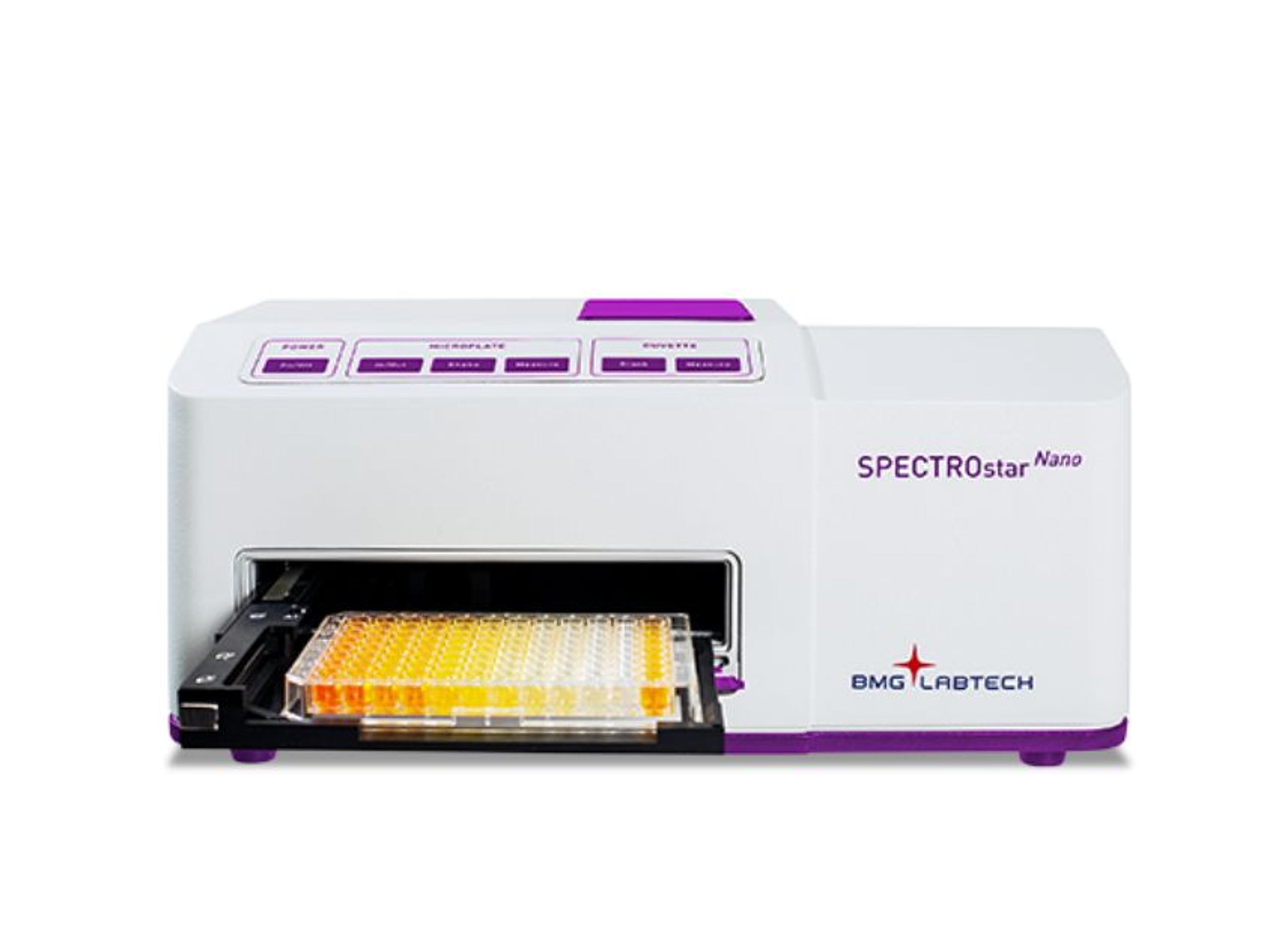
Achieve fast and easy detection of predictive and pharmacodynamic immuno-oncology biomarkers with the SPECTROstar® Nano absorbance plate reader from BMG LABTECH.
Download Info

CASE STUDY: Correlation of ghrelin and insulin resistance in children with obesity

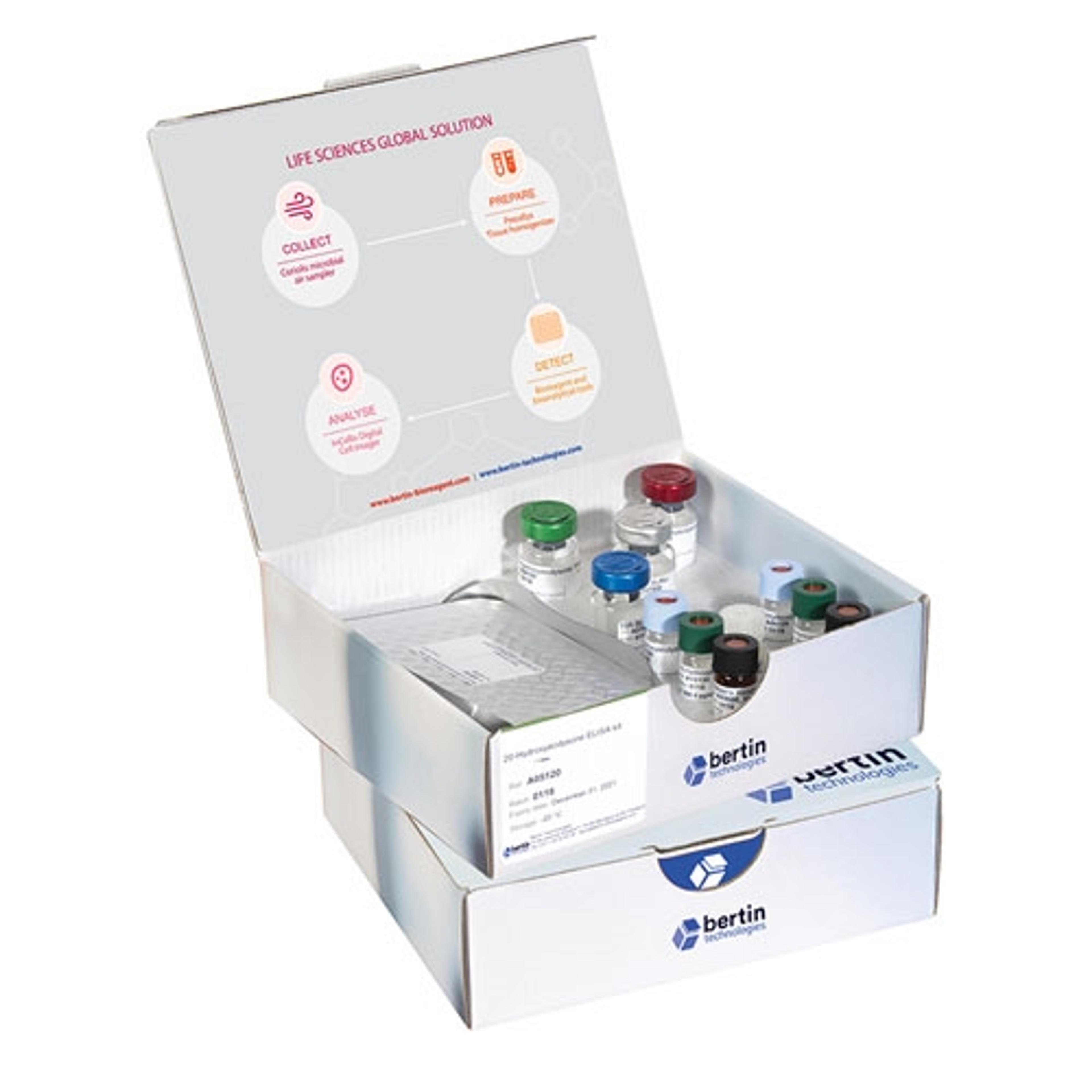
Learn how Bertin Bioreagent kits enable reliable measurement of acylated & deacylated ghrelin and LEAP2 in plasma, and why these biomarkers are important in the context of childhood obesity.
Download Method

NEUROSCIENCE: Robust and reproducible NF-L quantitation in serum and plasma

Discover a reproducible, sensitive method for the detection of neurofilament light (NF-L) in serum, plasma and CFS samples using ProteinSimple's Simple Plex NF-L Assay and Ella platform.

Download Method

Scientists advancing biomarker discovery

Metabolomics: Dr. Michel Boutin, Waters-CHUS Expertise Centre in Clinical Mass Spectrometry, discusses an untargeted/semi-targeted metabolomic approach to biomarker discovery for lysosomal storage disorders. Read article>>

COVID-19: Dr. Ed Emmott, founder of The Emmott Lab & COVID-19 Mass Spec Coalition member, discusses mass spectrometry-based methods to advance diagnostics, prognostic biomarkers, and treatments for the COVID-19. Read article>>

Clinical proteomics: Prof. Leo Joosten, Radboudumc, describes research to identify biomarkers to predict patient risk of COVID-19 and discusses the high-throughput multiplex immunoassay technology enabling this vital work. Read article>>

Respiratory health: Dr. Jeremy Hirota, McMaster University, talks to SelectScience about his work to develop an internationally recognized translational research program for respiratory health, focusing on lung health and disease, and shares how RNA in situ hybridization multiplexing technology has been used to profile and identify a variety of biomarkers. Read article>>

Immunotherapy: Dr. Ofer Sharon, CEO of OncoHost, discusses the company’s novel platform, based on plasma-based proteomic profiling, designed to analyze and predict patient response to immunotherapy treatment. Read article>>

Prostate cancer: Dr. Nallasivam Palanisamy, Henry Ford Cancer Institute, discusses his discovery of the first pseudogene-associated recurrent gene fusion in cancer, the use of next-generation transcriptome sequencing (NGS) and RNA in situ hybridization in this work, and potential applications of this biomarker beyond prostate cancer. Read article>>

Breast cancer: Prof. Tone Frost Bathen, MR Cancer Group, discusses NMR-based metabolomics research in breast cancer, covering aspects in the analytical pipeline to enable identification of prognostic and predictive biomarkers. Read article>>

Neuroscience: Prof. Theodore Price and Dr. Stephanie Shiers, University of Texas at Dallas, describe how novel RNA in situ hybridization technology can be applied to the analysis of human and rodent peripheral nervous system tissue to better understand the molecular mechanisms of pain. Read article>>

Precision medicine: Dr. Sally Price, Medicine Discovery Catapult, guides us through the current developments around biomarkers within drug discovery, challenges associated with the field. Read article>>

Imaging cancer: Prof. Josephine Bunch, National Physical Laboratory, describes the different mass spectrometry imaging techniques to map tumor metabolism in far more detail than ever before. Watch video>>

Ion mobility mass spectrometry: Prof. Ian Wilson, Imperial College London, and Prof. Kostas Thalassinos, University College London, highlight the benefits of ion mobility mass spectrometry (IM-MS) for metabolic and lipid profiling. Read article >>

Related resources: Our library of eBooks

Your recommendations

Find out what researchers around the world are saying about the products they use! Dr. Niccola Funel, of the University Of Pisa, shared this review of the SPECTROstar Nano® Absorbance Plate Reader by BMG LABTECH.

For more of the latest news, straight to your inbox, become a member of SelectScience for free today>>

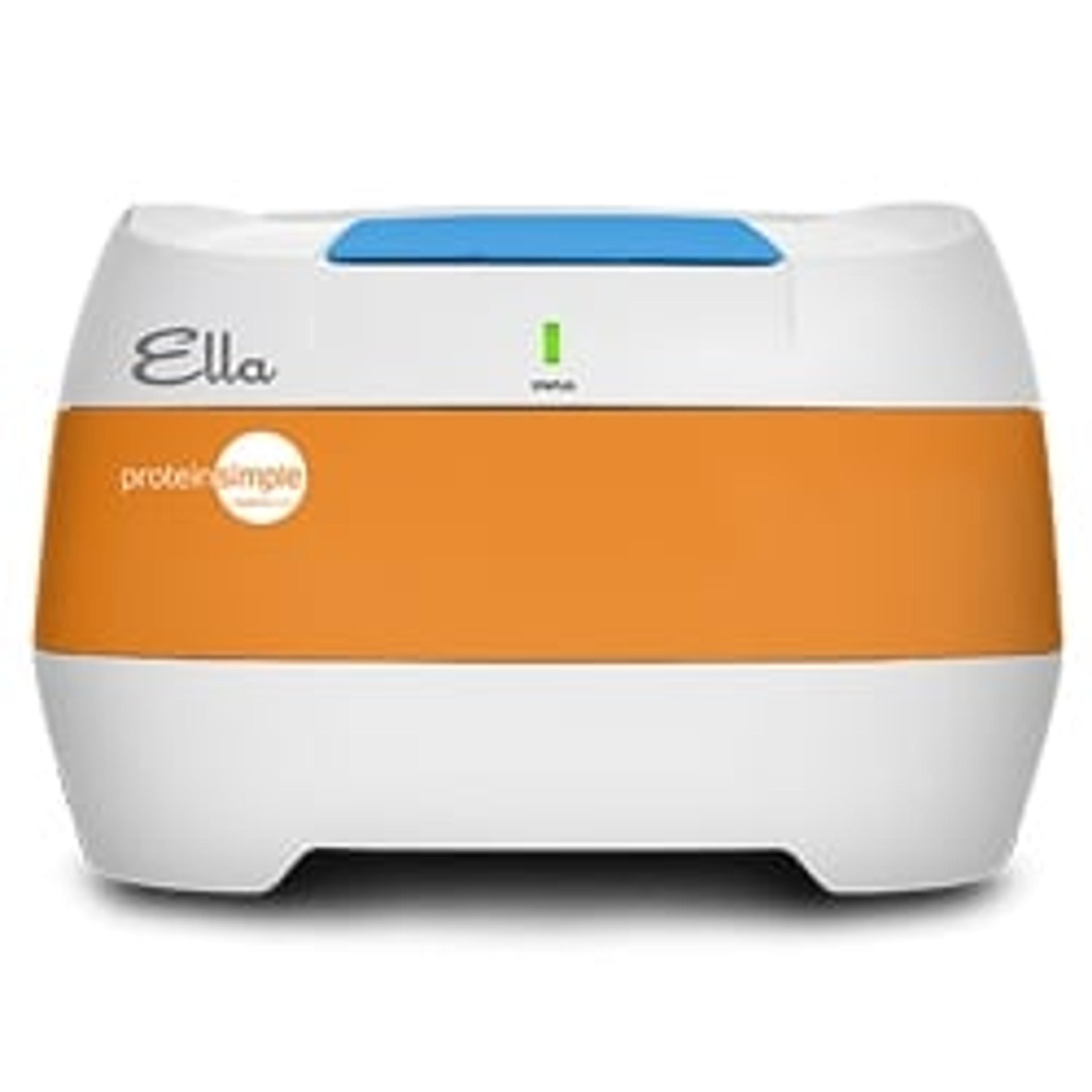
Ella Automated Immunoassay System

Bio-Techne

Ella is an automated ELISA platform that fits right on the benchtop of any laboratory. Ella simplifies multiplexing and presents consistent biomarker detection in less than 90 minutes, using only 25 µL of sample, and generating triplicate data, offering more flexibility than other instruments within the immunoassay space. 
(8)

Links

Tags

UHPLC and HPLCHigh performance liquid chromatography (HPLC) and ultra high performance liquid chromatography (UHPLC), also known as UPLC, are analytical techniques used to separate, identify and quantitate components of complex mixtures including biological samples such as proteins and lipids as well as chemical mixtures of pesticides, drugs and oils. Both techniques are liquid chromatographic methods but differ by operating pressures (HPLC < 6000 psi < UHPLC ). Components of HPLC and UHPLC systems include columns, detectors, pumps, autosamplers and column heaters. Explore a range of UHPLC and HPLC columns for your specific sample needs including reverse phase, normal phase, ion exchange, HILIC, ion exclusion and size exclusion columns. For more specialized HPLC, explore FPLC, countercurrent LC and simulated moving bed systems. Find the best UHPLC and HPLC equipment in our peer reviewed product directory: compare products, check customer reviews and receive pricing direct from manufacturers.Sample PreparationSample preparation can improve the quality and speed of separation techniques. Products to assist sample preparation include filtration equipment, evaporators, membranes and sieves.LC-MSLC-MS (liquid chromatography-mass spectrometry) systems and equipment are used for separation and quantitative analysis of complex mixtures, combining liquid chromatography and mass spectrometry. Quantify proteins, contaminants, pesticides or screen for drug metabolites with a high level of sensitivity. LC-MS systems and equipment include reverse phase, normal phase and specialized columns integrated with various MS detectors such as time-of-flight (TOF), quadrupole, orbitrap or ion trap mass analyzers. LC-MS/MS instruments equipped with a qTOF or triple quadrupole analyzer give greater sensitivity and resolving power to your analysis. Find the best LC-MS equipment in our peer-reviewed product directory: compare products, check customer reviews and receive pricing direct from manufacturers.Mass SpectrometryMass spectrometry (MS) is a powerful analytical technique used to identify and quantify molecules based on the mass-to-charge ratio of gas-phase ions. It provides detailed information about the structure, composition, and properties of compounds and is widely used across fields such as environmental monitoring, materials science, drug discovery and development, food and beverage testing, and wider chemical research. Key MS techniques include tandem mass spectrometry (MS/MS), liquid chromatography–mass spectrometry (LS-MS) and inductively coupled plasma (ICP-MS). Choosing from these wide range of techniques and technologies can be a daunting task, so keep up to date with scientific applications, performance expectations, and customer reviews here all in one place. Visit our product directory to receive quotes direct from the manufacturer. Genome AnalysisGenomics, the study of genomes, includes functional genomics, evolutionary genomics and comparative genomics. There are many genomic technologies such as DNA sequencing of whole genomes, computational biology and bioinformatics. DNA and nucleic acids must be isolated and concentrated from cells for analysis with kits, automated analyzers and software. Other useful technologies for studying genomics include PCR, microarrays and electrophoresis.ELISAEnzyme-linked immunosorbent assays (ELISA), also known as enzyme immunoassays (EIA), are used for the detection and quantification of proteins, peptides and antibodies in a sample. ELISA often comes in kit format, with pre-selected antibody pairs to detect specific proteins or biomarkers of diseases such as diabetes and obesity, or cardiovascular and neurological disorders. Detection is made possible with chemiluminescent, fluorescent or colorimetric substrates and detection instruments such as microplate / ELISA readers. Other kits available include: Enzyme-linked immunospot (ELISPOT) assays for the quantification of protein-producing cells and chemiluminescent immunoassays (CLIA) kits. Find the best ELISA kits and products in our peer-reviewed product directory: compare products, check customer reviews and receive pricing direct from manufacturers.ProteomicsProteomics is the systemic bioinformatics study of proteins and amino acids, including their structure, size, function and identification. Tools used in proteomics include chromatography, blotting and gels, protein arrays, mass spectrometry and ELISA and associated analysis software. Analyzers and proteomic systems should be sensitive, high resolution, fast and may be automated for high-throughput.PCR and Thermal CyclingPolymerase chain reaction (PCR) kits and thermal cyclers are used for the in vitro amplification of DNA permitting subsequent analysis and experimental procedures. Explore a range of high-quality polymerase, primers and nucleotides or simplify your workflow with a PCR mastermix. Find reverse transcription PCR (RT-PCR) and cDNA synthesis kits for RNA products and libraries. Quantitatively measure the amplification of DNA with real-time PCR (qPCR) and droplet digital PCR (ddPCR) kits and systems, and discover automated PCR setup solutions to increase throughput. Alternative DNA amplification methods also include recombinase polymerase amplification (RPA) kits. Find the best PCR kits and thermal cyclers and purification equipment in our peer-reviewed product directory: compare products, check customer reviews and receive pricing direct from manufacturers.Microplate Readers / DetectorsMicroplate readers are used to automate the detection and analysis of labeled or label-free components in microplates during assays or live-cell monitoring. Microplate readers are generally distinguished by their mode of detection. Types include absorbance, luminescence, fluorescence intensity, fluorescence polarization, TRF / FRET and multimode microplate readers. Microplate readers deliver a high throughput of samples by reading multiple wells simultaneously, with the 96-well format the most commonly used. As a result, microplate readers are often used in the drug discovery, bioassays, research and pharmaceutical industries for screening applications. Microplate loading can also be automated, with robotic microplate stackers to increase throughput. Find the best microplate readers in our peer-reviewed product directory: compare products, check customer reviews and receive pricing direct from manufacturers.Flow Cytometry / Cell CountingFlow cytometers are used to count, sort and examine multiple characteristics of cells. Other cell analysis equipment includes image cytometers, cell counters, fluorescence-activated cell sorters (FACS), magnetic-activated cell sorters (MACS), and a range of flow cytometry assay kits. Flow cytometers can reveal information on cell viability, cell proliferation, apoptosis and cell cycle progression, as well as identify cell populations and intracellular or cell-surface molecules. Additionally, some flow cytometers, known as FACS, have an additional sorting function after analysis. Cell counters and image cytometers count live and dead cell populations and can also conduct cell proliferation assays. Find the best flow cytometers, cell counters and cell sorters in our peer-reviewed product directory: compare products, check customer reviews and receive pricing direct from manufacturers.Cell-Based AssaysCell-based assays are used to monitor the presence, quantity and activities of a desired cellular analyte including drug molecules or biomarkers. This can reveal information on cell health (apoptosis, cytotoxicity, viability and proliferation assays), cell metabolism, cell migration and cell signaling mechanisms. Find the best cell-based assay products, kits and equipment with our peer reviewed product directory: compare products, check customer reviews and receiving pricing direct from manufacturers.High-Content ScreeningHigh-content screening (HCS), also known as high-content analysis (HCA), is a high-throughput technique used in drug discovery to identify substances that alter the phenotype of cells. HCS uses fluorescent microscopic imaging and automated image analysis to investigate cellular events such as apoptosis, cell viability, GPCR activation, oxide production, neurite outgrowth, and cell signaling. Find the best fluorescent labeling reagents, cellular assays, and high-content imaging systems in our peer-reviewed product directory: compare products, check customer reviews and receive pricing direct from manufacturers.DNA / RNA Extraction and PurificationPurified DNA and RNA are required for numerous downstream molecular biology applications. Consequently, the importance of high-quality DNA/RNA extraction and purification equipment cannot be underestimated. Many purification kits are available and are typically optimized for nucleic acid type and source, including plasmid DNA, genomic DNA, mRNA, RNA and viral nucleic acid purification kits. Automated extraction and purification of nucleic acids can be implemented with magnetic bead separator instruments or high-throughput purification workstations. Find the best DNA/RNA extraction and purification equipment in our peer-reviewed product directory: compare products, check customer reviews and receive pricing direct from manufacturers.DNA SequencingDNA sequencing, such as sanger sequencing, is a biological technique that determines the precise order of nucleotide bases in a fragment or template of DNA. DNA sequencers and genetic analyzers are based on capillary electrophoresis, where labeled DNA fragments are electrophoretically separated by size as they migrate through a polymer. Find the best DNA sequencing products, including DNA sequencing kits, genomic libraries and genetic identity kits in our peer-reviewed product directory: compare products, check customer reviews and receive pricing direct from manufacturers.BiomarkersBiomarkers are biological markers which can be measured and evaluated to indicate a biological state. The use of biomarkers in research and diagnosis can indicate a normal or disease state or drug response of cells / tissues. Biomarkers include genetic markers, cell surface markers such as antigens, antibodies or receptors and secreted molecules such as cytokines. An assay system is required for identification of biomarkers. :