Automating tumor-specific 3D cultures for anti-cancer drug screening

Join this webinar to find out how 3D cell culture overcomes the limitations of traditional 2D culture

16 Mar 2020

Sophie Ball
Publishing / Media

Expert insights

Traditional 2D cell cultures don’t always capture the complexity of an organ or tumor microenvironment, or the interactions that can occur within mixed cell populations — after all, human tissues are not flat. A 3D environment that represents the critical interactions between a tumor and its surroundings is needed to be able to accurately mimic disease states and drug response.

In this webinar, Dr. Julia Kirshner, CEO and founder of zPREDICTA, will explain how 3D cell culture overcomes the limitations of traditional 2D culture when it comes to predicting the therapeutic potential of pharmaceutical compounds in development.

Dr. Kirshner will discuss how zPREDICTA’s Reconstructed Lung 3D culture platform has successfully been adopted for testing of anti-cancer agents in high-throughput screening (HTS) format using the Tecan Freedom EVO® liquid handler and Tecan D300e Digital Dispenser, and how the platform provides a physiologically-relevant, automated 3D HTS system that can be incorporated throughout the drug development workflow for reliable identification of anti-cancer agents.

Register Now

Join this webinar to learn about:

  • The fundamental differences between conventional 2D and 3D culture approaches and the pros and cons of using them for drug development
  • How tumor-specific microenvironment guides response to treatment
  • How tumor microenvironment affects drug response and why it is crucial to incorporate it into pre-clinical models
  • How tissue-specific 3D culture platforms can be used throughout the drug development workflow

Who should attend:

  • Drug discovery professionals and researchers
  • Pharmaceutical scientists
  • Cell biology and oncology researchers, scientists and students
  • Laboratory managers in the pharmaceutical sector

The live webinar and Q&A session will take place on Tuesday, March 24, at:

  • 16:00 GMT
  • 12:00 EDT
  • 09:00 PDT
  • 17:00 CET

Register to watch the full webinar here>>

SelectScience runs 3-4 webinars a month across various scientific topics, discover more of our upcoming webinars>>

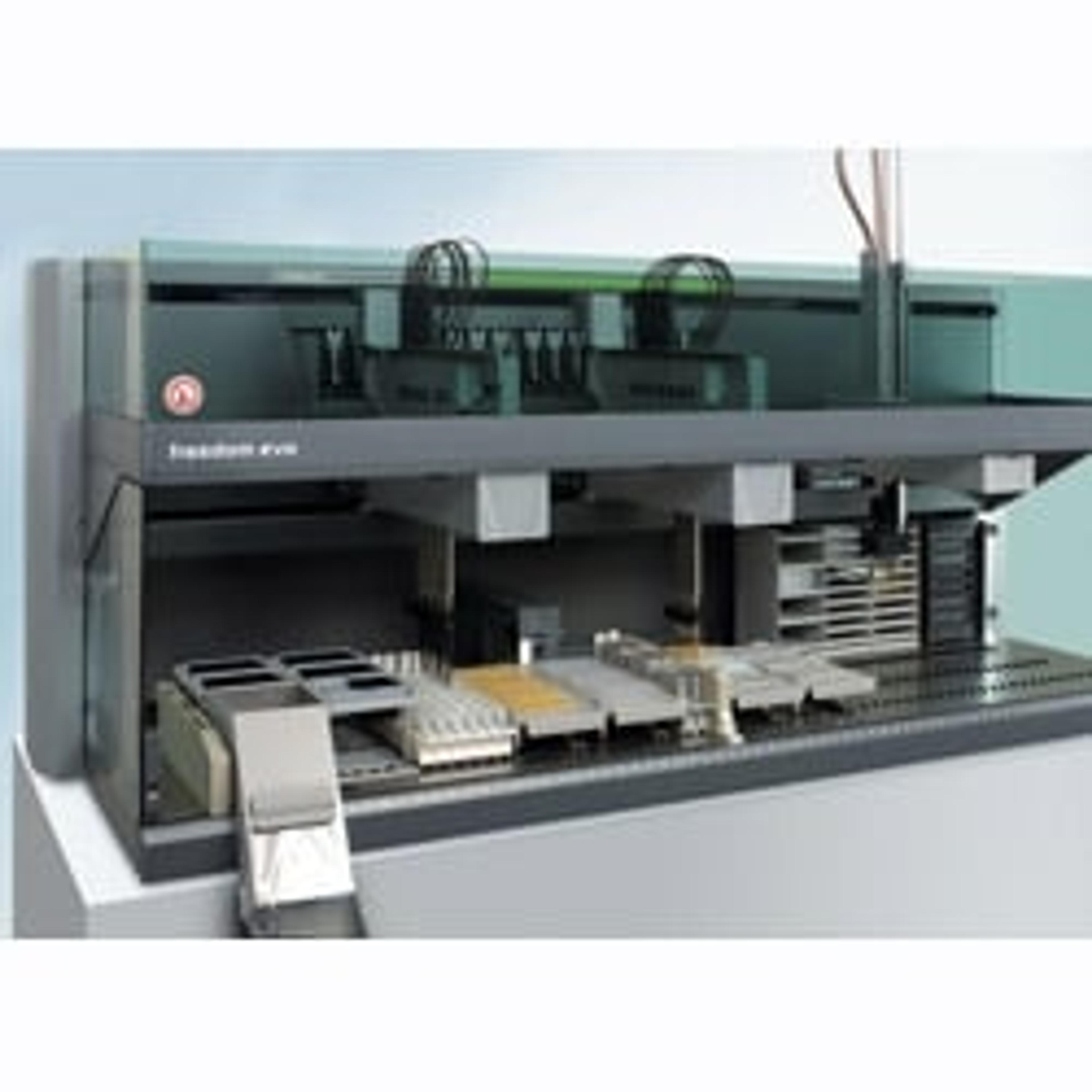
Tecan Freedom EVO® Workstation

Tecan

The Freedom EVO platform offers fully automated liquid handling and robotics for life sciences and diagnostics. This flexible system offers virtually unlimited options, which can be tailored to provide individual solutions.
(67)

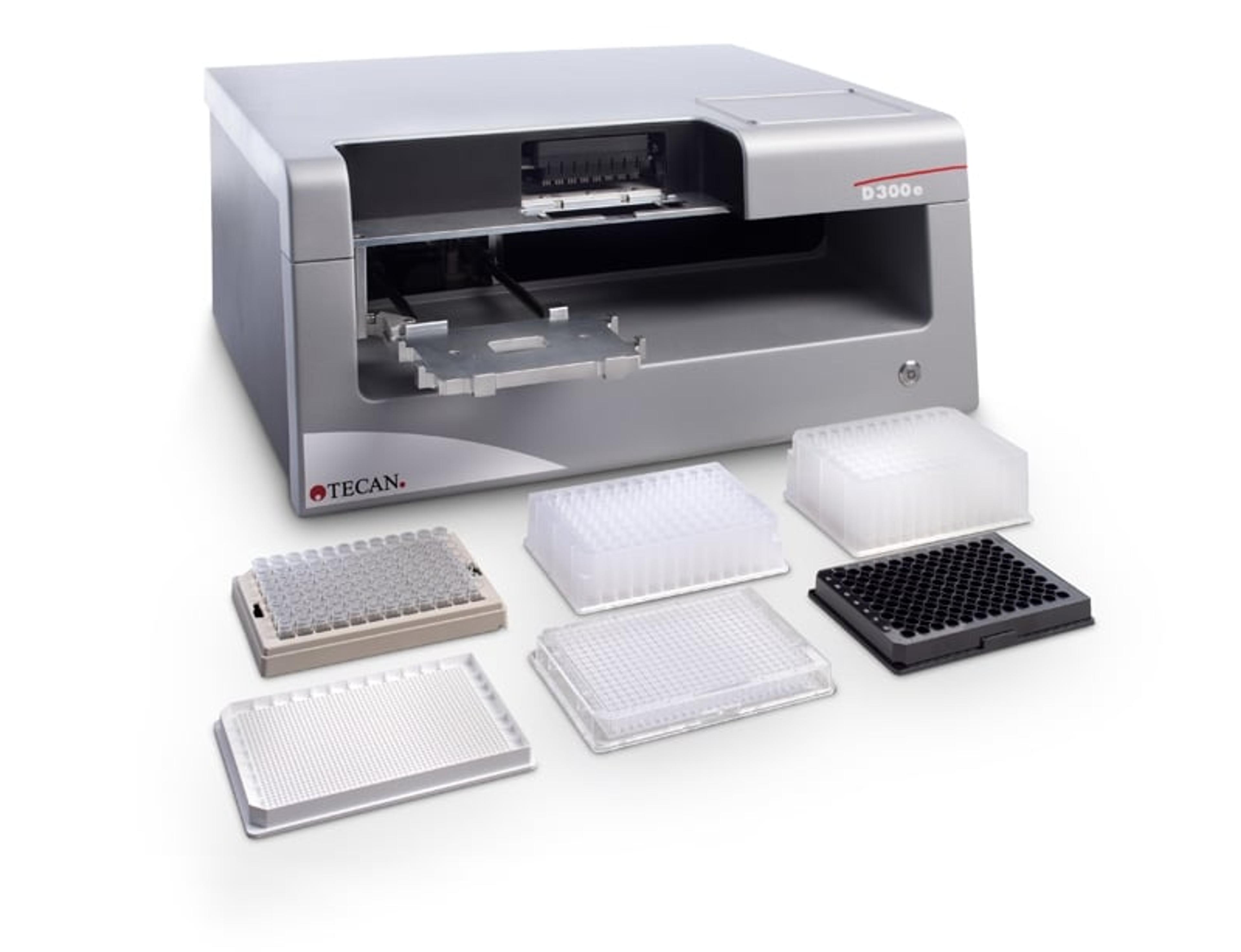
D300e Digital Dispenser

Tecan

The D300e Digital Dispenser* uses direct digital dispensing technology to enable rapid delivery of picoliter to microliter sample volumes. It delivers fast, reliable performance across a large dynamic range, eliminating the need for slow, error-prone and wasteful serial dilutions for creation of dose-response curves and enabling miniaturized qPCR reaction set-up.

(9)

Links

Tags

Cell / Tissue CultureCell culture or tissue culture is used to study the biology of cells or tissues and to isolate cellular products in an environment which can be manipulated and well defined. Accurately control your culture environment with bioreactors or culture incubators, bind your cells to a surface or together with an extracellular matrix. Distinguish cell types with differential media or proliferate cells with certain characteristics using selective media. Enrich your media with supplements such as growth factors, sera and vitamins. Find the best cell and tissue culture products, kits and equipment in our peer-reviewed product directory: compare products, check customer reviews and receive pricing direct from manufacturers.Cell-Based AssaysCell-based assays are used to monitor the presence, quantity and activities of a desired cellular analyte including drug molecules or biomarkers. This can reveal information on cell health (apoptosis, cytotoxicity, viability and proliferation assays), cell metabolism, cell migration and cell signaling mechanisms. Find the best cell-based assay products, kits and equipment with our peer reviewed product directory: compare products, check customer reviews and receiving pricing direct from manufacturers.Biopharmaceutical AdvancesBiopharmaceutical advances follow the development of pharmaceuticals derived from biotechnology, also known as biotechnology medicines. Biopharmaceuticals may be produced from cell lines, plants, or microbial cells. Important considerations of biopharmaceutical use include application, cost, production process and purification.Drug TestingIt is essential to test the efficacy and toxicity of drugs at every stage of their development to ensure that a pharmaceutical product is fit for purpose and safe for use before reaching the stage of mass production and distribution.Drug DiscoveryDrug discovery is the process of identifying potential new medications, involving stages such as target identification, compound screening, and preclinical development. It relies on cutting-edge technologies like high-throughput screening, artificial intelligence, and molecular modeling to accelerate the identification of drug candidates. Drug discovery plays a pivotal role in developing new therapies for diseases ranging from cancer to rare genetic disorders. Browse our peer-reviewed product directory to find the latest drug discovery technologies, compare options, check customer feedback, and get pricing directly from manufacturers.ScreeningUsing robotics, data processing and control software, liquid handling devices and sensitive detectors, screening allows a researcher to quickly conduct millions of chemical, genetic or pharmacological tests.Drug DevelopmentDrug development refers to the process of bringing a new drug to market.Cancer ResearchAlthough cancer is often referred to as a single condition, it actually consists of more than 100 different diseases. Microscopy, mass spectrometry, high throughput sequencing and flow cytometry are some of the most common techniques employed in cancer research labs.