
Are you getting the most out of your microplate reader?
We speak with Dr. John Abbenante about how application-based content can help optimize your assays, whatever your research area
21 May 2020
Editorial article
As BMG LABTECH continues to celebrate 30 years at the forefront of microplate reader design and production, we speak to Dr. John Abbenante, a Technical and Applications Specialist at BMG LABTECH Australia. In this SelectScience® interview, Abbenante discusses his role troubleshooting and optimizing customer assays and explains the importance of generating application-based content in order to provide new and existing BMG LABTECH customers with the essential resources they need to get the most out of their microplate readers.

Tell us about your role at BMG Labtech
JA: Over the 10 years that I have worked for BMG LABTECH my role has constantly evolved, due to the introduction of new microplate reader instruments in the BMG LABTECH range and of course, new assays for scientific research.
I am currently employed as a Technical and Applications Specialist at BMG LABTECH Australia. This is essentially a dual role. One facet is the servicing and troubleshooting of mechanical and electronic problems with our instruments in the field, as many of our instruments are still serviced and supported beyond 10 years of installation. In the Applications Specialist role, I also provide training and advice for customers on the best use of our instruments for their research. This involves working with scientists to optimize assays, providing information on new assays in the market or helping to troubleshoot existing assays. I am also involved in generating application-based content (application notes) for our customers.
What are the biggest changes you have seen during your time at BMG LABTECH?
JA: I believe the biggest change in the market over the last 10 years has been the greater demand, by research institutions and companies, for the more sensitive (higher signal-to-noise) assay techniques like FRET (Fluorescence Resonance Energy Transfer), TRF and BRET (Bioluminescence Resonance Energy Transfer) and the use of red fluorescent dyes. This has been driven by a greater need for high-throughput screening, where minimal reagents are required, or the need for higher sensitivity for the study of metabolic processes in live cells. For example, it is now possible to study GPCR-ligand interactions in live cells using a NanoBRET™-GPCR construct and a fluorescently labeled ligand (Stoddart et. al, 2015 Application Note 287, and White et. al, 2018 Application Note 316). To fully take advantage of these high signal-to-noise assay techniques, highly sensitive microplate readers are required. BMG LABTECH has responded to this changing trend with the development of the PHERAstar® FSXand CLARIOstar® Plus, high-end microplate readers with maximum reading speed and sensitivity for high-throughput screening and maximum sensitivity and flexibility for demanding assay development.
How do you address ever-changing customer needs?
JA: For BMG LABTECH, customer feedback is the most important way to address ever-changing research needs. BMG LABTECH has responded by constantly updating the capabilities of existing instruments and developing new microplate readers that are better suited to new assays and chemistries. During the 10 years that I have been at BMG LABTECH, five new plate readers have been developed with increased capability. The latest is the CLARIOstar Plus, with novel Linear Variable Filter (LVF) Monochtomators™ for all fluorescence and luminescence applications, Enhanced Dynamic Range (EDR) and dedicated red-sensitive PMT, to address the current shift towards assays using red fluorophores. Introduction of the Atmospheric Control Unit (ACU) - for gas control in microbiology applications and cellular-based assays requiring high CO2 and/or hypoxic environments (such as in cancer research) - and a unique heavy-duty shaking mechanism in our instruments, largely used for aggregation assays, have been improvements directly in response to our customers’ needs.
What is the importance of generating application-based content for your customers?
JA: At BMG LABTECH, our application-based content (application notes) are published by researchers throughout the world, from their current work, using our microplate readers. Our application notes are selected to feature new assays or novel research at the cutting edge of its field. These application notes are relevant for customers who need to know instrument settings for specific applications and as reference documents, for novel/new assays or tried and true methodology. BMG LABTECH regards these application notes as highly important, as they provide a reference for existing customers and a resource for new customers who want to familiarize themselves with the many features of our instruments. We have almost 200 application notes now freely available on the BMG LABTECH website. In addition, the BMG LABTECH blog is another example of how we deliver interesting tips on how to get the best use of our instruments across a variety of applications and research areas.
How are you involved in international collaboration?
JA: I regularly travel to South East Asia to support our distributors there. This has involved activities such as: keynote speaker for Antioxidant (Kuala Lumpur, Malaysia) and Cell-Based Fluorescence (Surabaya, Indonesia) workshops; distributor training programs; and customer training sessions for specific assays. I also regularly interact with other BMG LABTECH colleagues in the United States, United Kingdom, and especially our headquarters in Germany for the ongoing development of application notes.
What do you see for BMG LABTECH in the future?
JA: In the past 10 years, BMG LABTECH has continually grown. Our plate reader range has proven very popular with research scientists all over the world as they have come to know us as a brand they can trust. Based on what we have achieved to date, I see no reason why BMG LABTECH will not continue to expand and develop plate readers with ever-increasing durability, sensitivity, and speed for reading new and more demanding assay techniques.
About the interviewee:
Dr. Giovanni (John) Abbenante obtained a Ph.D. in Organic Chemistry and Medicinal Chemistry from the Flinders University in South Australia, aimed at the development of GABAb receptor antagonists. Prior to BMG LABTECH, he worked as a Senior Research Officer at the University of Queensland, Centre for Drug Design and Development.
Hear more from the microplate experts:
- The troubleshooting microplate expert helping scientists excel - Dr. Carl Peters
Related products
Request Quote for All Products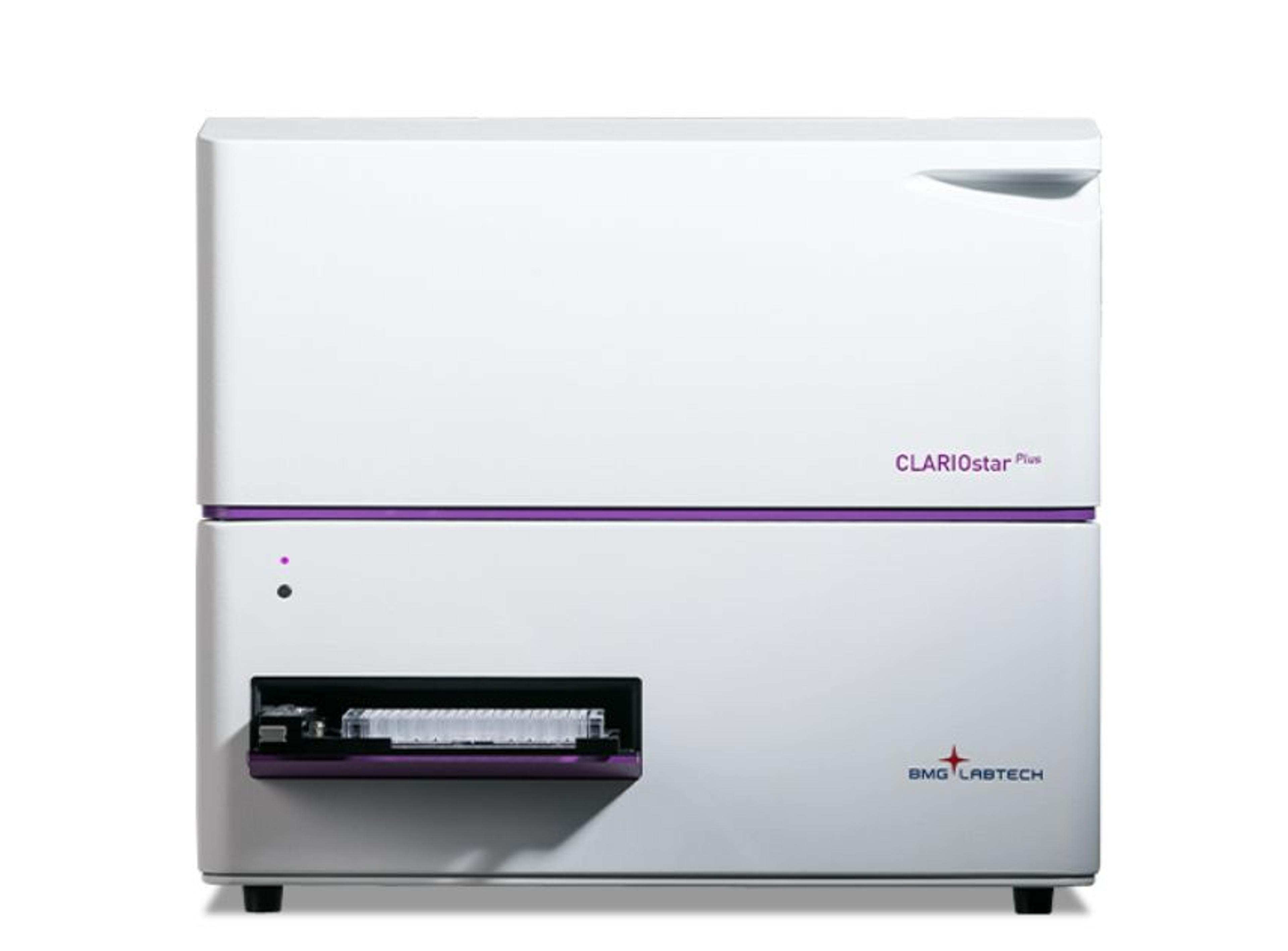
CLARIOstar® Plus Multi-mode Microplate Reader
BMG LABTECHMost flexible Multi-mode Microplate Reader for Assay Development
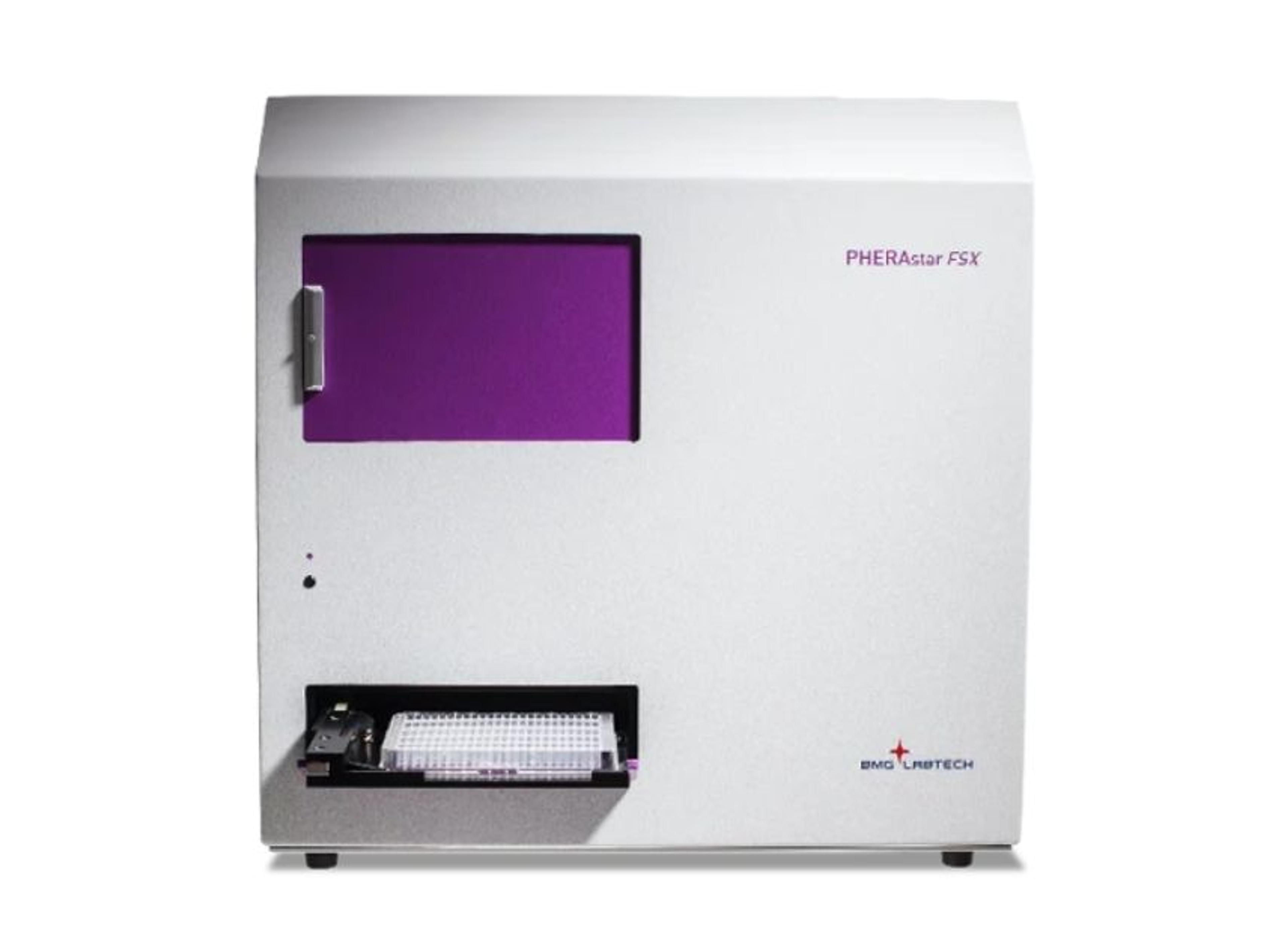
PHERAstar® FSX HTS Microplate Reader
BMG LABTECHThe most sensitive microplate reader for high-throughput screening