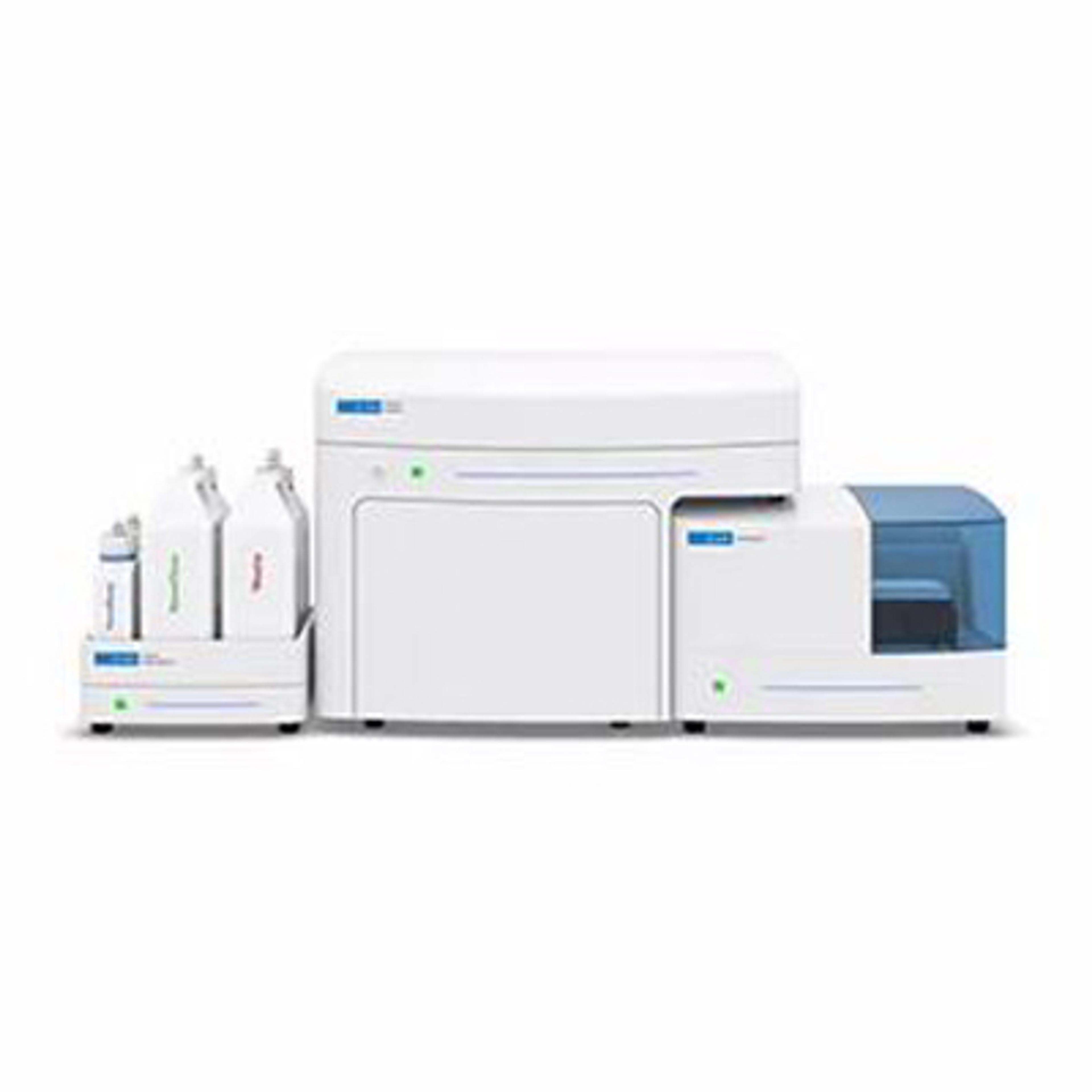
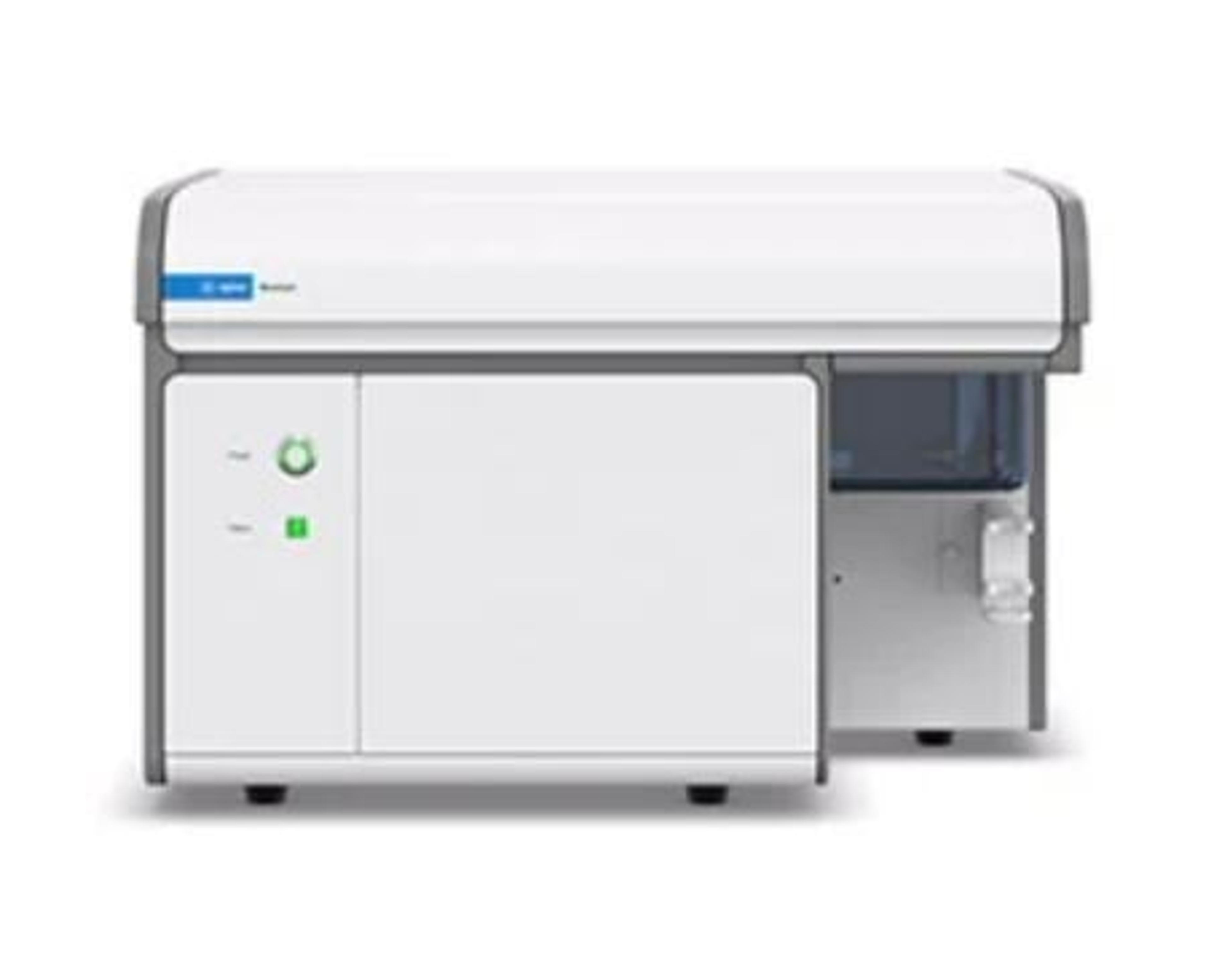
Agilent expands line of flow cytometers with the NovoCyte Penteon

The new line aims to provide unmatched sensitivity, resolution, speed, and flexibility of colors

20 Sept 2020

Diane Li
Assistant Editor

Product news

Agilent Technologies Inc. has announced the launch of the Agilent NovoCyte Penteon, a sensitive flow cytometer with five lasers and up to 30 fluorescence channels. The NovoCyte Penteon provides excellent sensitivity, resolution, speed, and flexibility. It has a large dynamic range of 7.2 log, along with fully automated compensation features, enabling users to pick up both dim and bright signals in the same run.

“The NovoCyte Penteon provides expanded capabilities of UV laser excitation that accommodate multicolor flow cytometry assays which are becoming increasingly sophisticated,” stated Xiaobo Wang, Ph.D., who joined Agilent from ACEA, as general manager of the Flow Cytometry and Real-Time Cell Analysis Business. “The NovoCyte Penteon is continuing the NovoCyte legacy of great cytometry performance matched with intuitiveness and simplicity of user experience.”

“NovoCyte Penteon is expanding Agilent’s offering of advanced flow cytometer instrumentation,” stated Todd Christian, vice president, and general manager of Agilent's Cell Analysis Division. “Agilent is committed to continuing our innovation for trusted cell analysis solutions, to support scientists of the world in their endeavor of scientific and therapeutic discovery for advancing the human condition.”

The resolution easily discerns particles in the range of 100 nanometers, and the precision fluidics are considered to be among the best on the market. Coupled with the power of the highly intuitive NovoExpress software package, the system can be fully automated and is easy to use, providing an exceptional user experience in data acquisition, analysis, and reporting.

The product line is an innovative breakthrough in flow cytometry. It capitalizes on the global success of the Agilent line of flow cytometers, including the NovoCyte, the NovoCyte Quanteon, and the NovoCyte Advanteon.

Flow cytometry technology is integral to basic research, drug discovery, and clinical diagnostics. Currently, a major trend in flow cytometry is to measure more parameters simultaneously, especially useful in monitoring for certain blood disorders and in the field of immuno-oncology.

Do you use Agilent Technologies products in your lab? Write a review today for your chance to win a $400 Amazon Gift Card>>

NovoCyte Flow Cytometer

Agilent Technologies

NovoCyte is a high-performance benchtop flow cytometer designed for all levels of users and all types of laboratories. The budget-friendly instrument can detect up to 17 parameters with enhanced sensitivity and resolution. The customizable laser and optical configurations of the NovoCyte offer a high degree of flexibility while providing complex cell analysis capabilities. The NovoExpress software facilitates easy and intuitive sample acquisition and analysis. Automation of multiple fluidic functions eliminates cumbersome and time-consuming procedures. Manual sample handling is minimized by the flexible NovoSampler Pro. The system can automatically analyze samples in single tubes, multi-tube racks, or 24-, 48-, or 96-well plates

(38)

Links

Tags

Combinatorial ChemistryCombinatorial chemistry, also known as combichem, is a technique used in drug discovery to create libraries of structurally related compounds. A library is generated by synthesis with a chemical reactor system or by computer-based modeling of compound combinations. When undertaking combinatorial chemistry consider reagents, buffers, resins and standards.Data AnalysisData analysis hardware and software is available to make data processing straight-forward yet powerful. Data software can be used for math and stats, technical graphing and image analysis. In addition, software is available for specific data analysis of electrophoresis, densitometry, ELISA and DNA sequencing.Flow Cytometry / Cell CountingFlow cytometers are used to count, sort and examine multiple characteristics of cells. Other cell analysis equipment includes image cytometers, cell counters, fluorescence-activated cell sorters (FACS), magnetic-activated cell sorters (MACS), and a range of flow cytometry assay kits. Flow cytometers can reveal information on cell viability, cell proliferation, apoptosis and cell cycle progression, as well as identify cell populations and intracellular or cell-surface molecules. Additionally, some flow cytometers, known as FACS, have an additional sorting function after analysis. Cell counters and image cytometers count live and dead cell populations and can also conduct cell proliferation assays. Find the best flow cytometers, cell counters and cell sorters in our peer-reviewed product directory: compare products, check customer reviews and receive pricing direct from manufacturers.HematologyIn Haematology / Hematology, complete blood cell counts (or full blood counts) are obtained using automated blood count analyzers to enumerate blood cell types.  Hematology also encompasses haemostasis and coagulation, thrombophilia and hemophilia, plasma viscosity and ESR analysis, hemoglobinopathies, cell morphology and haematinic measurement.ImmunologyImmunological techniques measure and characterize immune responses. Immunology kits and analysis systems often use techniques such as ELISA, radioimmunoassay (RIA) and immunodiffusion assays, Immunohistochemistry, and flow cytometry. Immunologists use equipment such as flow Cytometers, plate readers, plate washers and fluorescent microscopes.Cellular PathologyCellular Pathology deals with the microscopic analysis of tissue samples and cells. Sample preparation and processing includes fixation, staining, sectioning and slide mounting, using equipment such microtomes and cryostats. In choosing immunohistochemistry and immunocytochemistry kits, consider chromogens, staining method, antibodies, microscopes and imaging.Biopharmaceutical AdvancesBiopharmaceutical advances follow the development of pharmaceuticals derived from biotechnology, also known as biotechnology medicines. Biopharmaceuticals may be produced from cell lines, plants, or microbial cells. Important considerations of biopharmaceutical use include application, cost, production process and purification.Clinical ChemistryBiochemistry (or clinical chemistry) involves the analysis of bodily fluids using chemical tests. Techniques used include HPLC, chromatography, spectroscopy, mass spectrometry, immunochemical, electrophoresis, turbidometric / spectrophotometric assay, MRI and ISE analysis. Tests are often carried out on plasma or serum but urine (urinalysis) and fecal specimens are also processed.Clinical GeneticsMolecular Genetics covers the analysis of hereditary genetic disease and chromosomal abnormalities. Genetics can be analysed using DNA, RNA, and protein microarrays, PCR, RT PCR and DNA sequencing. Genetic equipment includes genetic workstations, thermal cyclers, cooling blocks and electrophoresis products. Diagnostic kits are used for DNA / RNA extraction and purification.Clinical MicrobiologyMicrobiology is the study of microorganisms including protists, prokaryotes, fungi, and, often, viruses. Microorganisms are a useful research tool as genetic vectors and, in immunology, for antibiotic susceptibility testing, cellular biology and genetics. Microorganisms commonly grow readily in incubators with microbial culture media; this can contain chromogenic supplements to differentiate between cell lines. Estimate your culture’s density of microorganisms with colony counters, or screen and select colonies for desirable clones with automated colony pickers. Additionally, equipment is available to monitor environments for the presence of microbes and identify with microbial identification instruments. Find the best microbiology products in our peer-reviewed product directory: compare products, check customer reviews and receive pricing direct from manufacturers.Drug DeliveryDrug Delivery refers to dosage form, route of administration, formulations, technologies, and systems for transporting a pharmaceutical compound in the body as needed to safely achieve its desired therapeutic effect. Drug delivery is often approached via the biopharmaceutical or small molecule drug's formulation, but it may also involve medical devices or drug-device combination products. Considerations include instrumentation, software and services. Clinical ChemistryClinical chemistry involves the analysis of bodily fluids, like blood and urine, to diagnose and monitor diseases. Tests in clinical chemistry provide critical information for patient care and treatment decisions. Explore clinical chemistry tools in our peer-reviewed product directory; compare products, check reviews, and get pricing directly from manufacturers.Drug DiscoveryDrug discovery is the process of identifying potential new medications, involving stages such as target identification, compound screening, and preclinical development. It relies on cutting-edge technologies like high-throughput screening, artificial intelligence, and molecular modeling to accelerate the identification of drug candidates. Drug discovery plays a pivotal role in developing new therapies for diseases ranging from cancer to rare genetic disorders. Browse our peer-reviewed product directory to find the latest drug discovery technologies, compare options, check customer feedback, and get pricing directly from manufacturers.Flow CytometryMolecular DiagnosticsMolecular diagnostics use an individual’s genetic code and gene expression to diagnose and monitor diseases. The technique is used increasingly in the field of infectious diseases and oncology, as well as areas such as coagulation, HLA typing and pharmacogenomics. Molecular diagnostics plays a pivotal role in personalized medicine.