
Advancements in materials characterization: From decoding polymers and battery materials to harnessing the power of atomic force microscopy
Explore advanced technologies and the latest resources to support your materials characterization
28 Mar 2023
Materials science is the field of study that focuses on understanding the overall properties, structure, and performance of materials. This rapidly evolving field plays a crucial role within many industries, from aerospace and sustainable energy to healthcare and beyond. Over the past few decades, there have been significant advances in the field of materials science, which has led to the development of many novel materials, which hold remarkable properties and applications. These applications have a profound impact on society – from the clothes we wear to the smartphones we use, which is why it is not surprising that the field of materials science has a direct impact on our daily lives.
Materials characterization is a vital component of materials science, and involves exploring the properties, structure, and composition of different materials. By applying the most appropriate tools to better understand the fundamental properties of a given material, scientists can develop new and improved materials to create innovative technologies and products to improve our quality of life and help answer unsolved questions.
In this special feature, we explore some of the latest breakthroughs and cutting-edge technologies in the field of materials science, and how they are keeping pace with the fast-moving nature of the field. This feature will help you take your research to the next level by exploring battery material characterization, the power of atomic force microscopy (AFM), and how to unravel the structures of polymers.
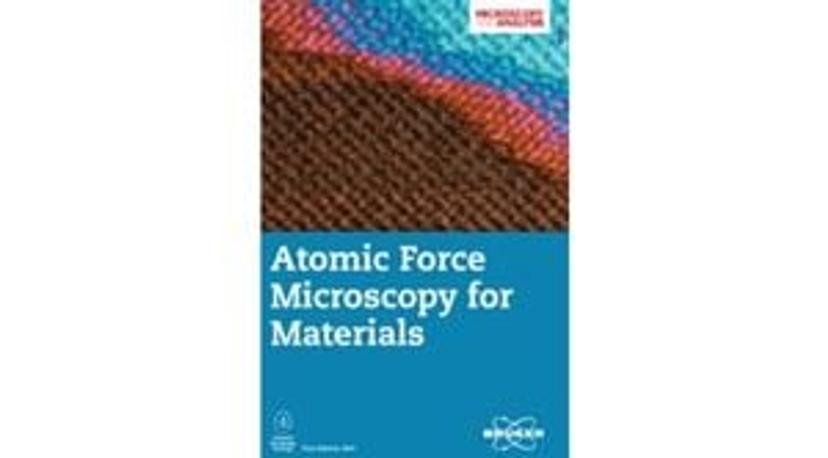
Atomic force microscopy: Harness the power of AFM for materials science
Unlock the full potential of atomic force microscopy (AFM) with this comprehensive guide, which includes a range of real-life case studies focused on magnetic and 2D materials, along with high energy density batteries. Plus, learn how Bruker can help you overcome common setbacks and achieve accurate and reliable AFM results.
Polymers: Decoding the structure of polymers with GPC/SEC
In this video, learn about polymer properties and advanced detection technologies, including light scattering. Plus, discover how refractive index (RI) and light scattering techniques can provide accurate information on the true molecular weight (MW) and radius of gyration (Rg) of polymers with TOSOH BIOSCIENCE.

Battery performance: Expert guide to battery materials characterization
In this expert guide, learn how to effectively ensure optimal battery performance is achieved using high-quality and well-characterizated materials, including key information based on solid electrode materials, electrode slurries, electrolytes, and state-of-the-art solutions from Anton Paar to take your research to the next level.
Expand your materials characterization knowledge with these top resources:
- In this expert guide, discover a suite of analytical technologies designed to assess the properties and composition of various minerals of gemstones, along with volcanic and metamorphic rocks.
Download guide >> - In this exclusive interview, hear from Dr. Marco Caffio at Integrated Graphene to find out more about his pioneering work on graphene production, and how his team has found the winning formula to manufacture pristine graphene at a low cost.
Read article >> - Are you looking to invest in a new microscope? If so, this essential guide provides you with all the information you need to make the right purchasing decisions for your research.
Download guide >> - QC: This application eBook will help you discover how Raman microscopy can yield vital information on molecular structures, crystal phases, polymorphisms, and much more.
Download guide >> - In this article, explore the top-rated UV/VIS spectrophotometers chosen by our scientific audience.
Read article >> - In this eBook, we review the literature for the most advanced FTIR spectroscopy products and explore cutting-edge research across a diverse range of fields.
Download guide >> - Find out how to effectively analyze and screen e-liquids and e-cigarettes for harmful substances, using state-of the art gas chromatography mass spectrometry (GCMS) and high-performance liquid chromatography (HPLC) methods.
Download guide >> - In this article, meet our reviewer in the spotlight, as he explains more about how his research focuses on the development of new battery materials for improved energy harvesting and storage.
Read article >>
Your recommendations
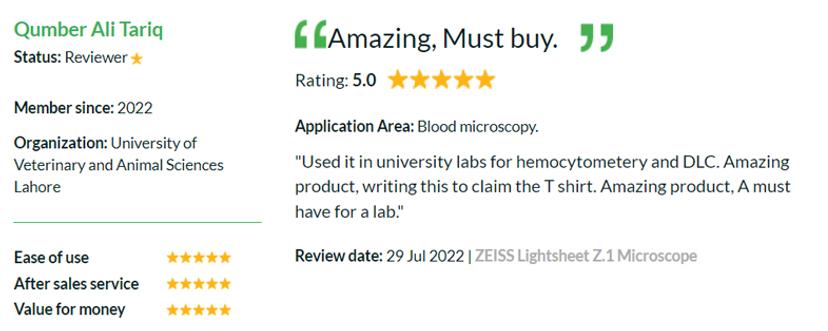
Find out what researchers across the globe are saying about the products they use! Qumber Ali Tariq, at University of Veterinary and Animal Sciences Lahore, shared this review of the ZEISS Lightsheet Z.1 Microscope.
Related products
Request Quote for All Products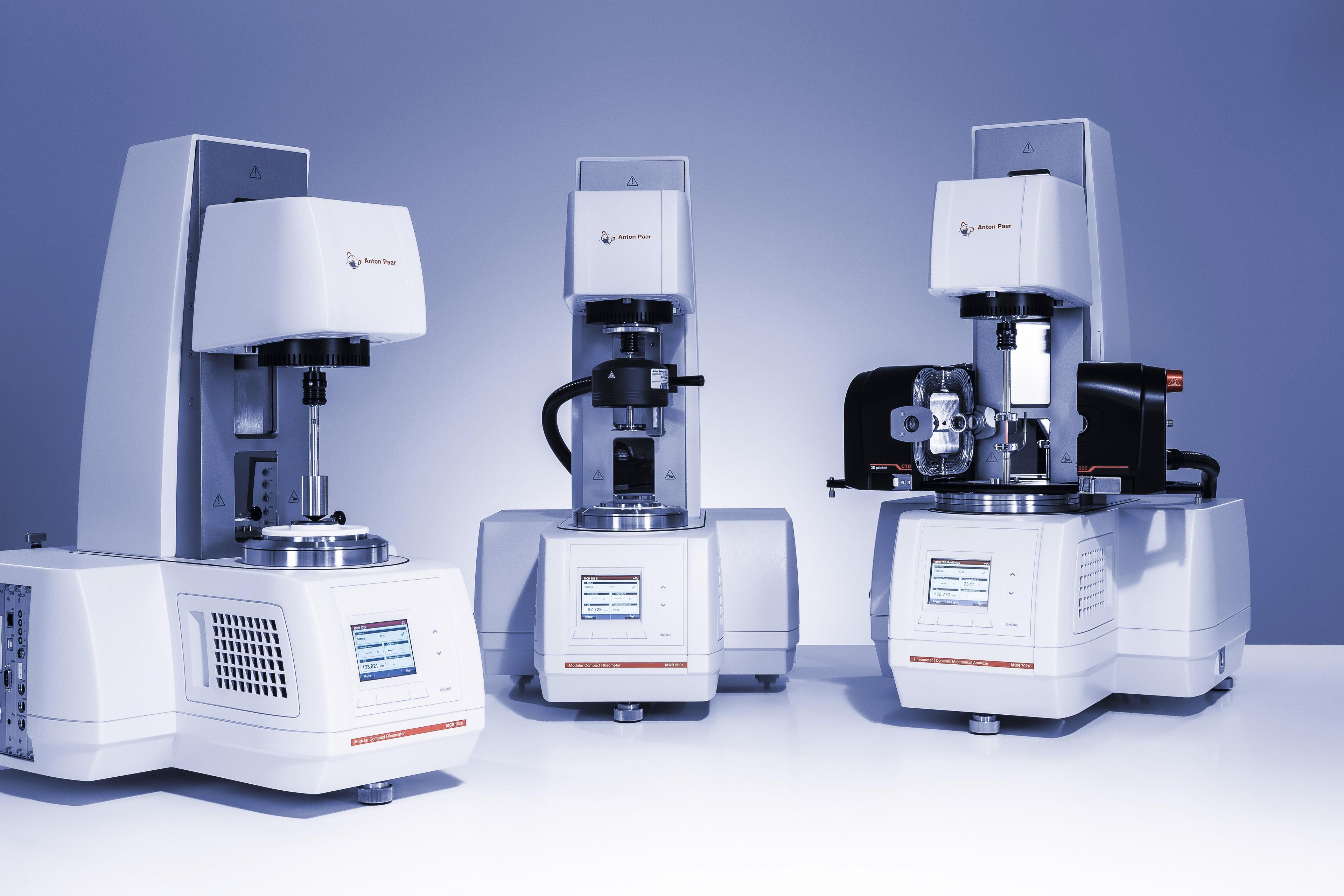
MCR Evolution Series Rheometers
Anton PAAR USAThe new MCR Evolution series is the result of consistent thinking and rethinking, of continuous development based on decades of experience and the feedback of more than 10,000 satisfied customers.

LenS3 MALS and MALS-V Multi-Angle Light Scattering Detector Series
Tosoh Bioscience - SeparationsThe LenS3 MALS detector offers a revolutionary approach for the measurement of molecular weight (MW) and radius of gyration (Rg) of synthetic polymers, polysaccharides, proteins, and biopolymers. A novel optical design, a unique cell-block assembly, and a new calculation methodology make the LenS3 MALS detector the first groundbreaking innovation in the light scattering technology arena in decades!
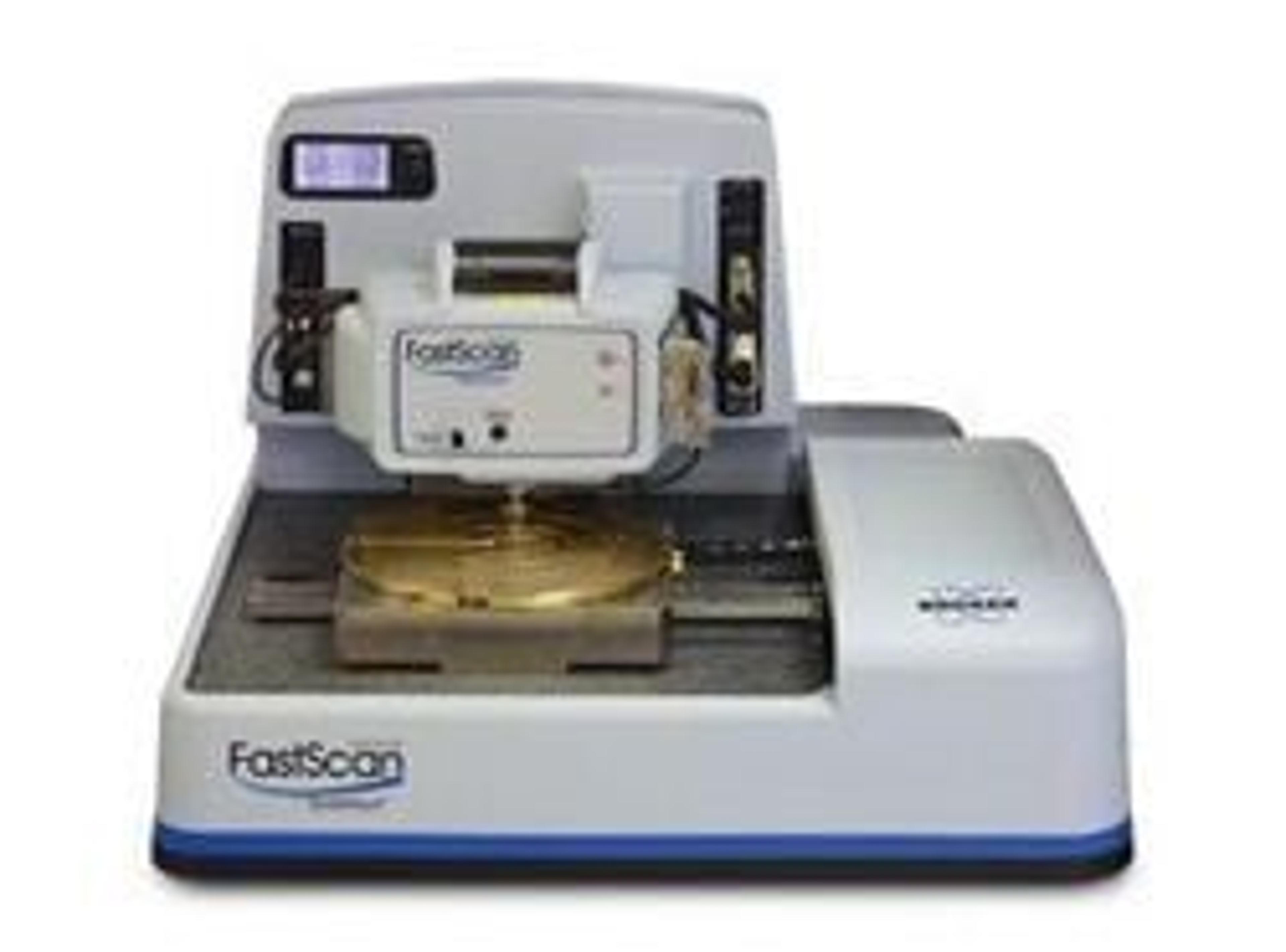
Dimension FastScan™
Bruker Nano Surfaces and MetrologyWorld's Ultimate AFM The new benchmark for speed with highest resolution and performanceThe Dimension FastScan™ delivers, for the first time, extreme imaging speed without loss of resolution, loss of force control, added complexity, or additional operating costs.This tip-scanning system provides measurements on both large and small size samples in air or fluids. With the FastScan you can achieve immediate atomic force microscopy images with the expected high resolution of a high-performance AFM, all in a single system. Whether surveying a sample scanning at >125Hz to find the region of interest, or scanning for detail at 1-second per image frame in air or fluids, the Dimension FastScan will redefine your AFM experience.Dimension FastScan™ Features: Work hundreds of times faster with fast scanning rates up to frames per second, automated laser and detector alignment, comprehensive work flow and smart engaging Built-in measurement automation software in conjunction with higher speed ScanAsyst® provide exceptional measurement confidence and repeatability Precise force control at the tip renders high resolution and long tip-life Low-noise, temperature-compensated sensors in the scanners maintain sub-nanometer noise levels Closed-loop Icon and FastScan scanners keep vertical noise below 30pm and 40pm, respectively, as well as high accuracy with ultra-low drift Sample from subnanometer to hundreds of nanometers in height without loss of resolution