A look at 6 top-rated biopharmaceutical products

Find out what scientists are saying about the biopharmaceutical lab products they use

6 Jun 2022

Ellie Abbott
Biochemist

Editorial article

Lab product reviews provide an unbiased and first-hand experience shared by scientists and lab professionals from around the world. By sharing your opinion on the products you use in the lab, you are helping other scientists make more informed decisions that will benefit their research. Below, we have collated some of the top equipment and technologies in the field of biopharmaceuticals as reviewed by scientists from around the world. Why not get involved and write your own lab product review today?

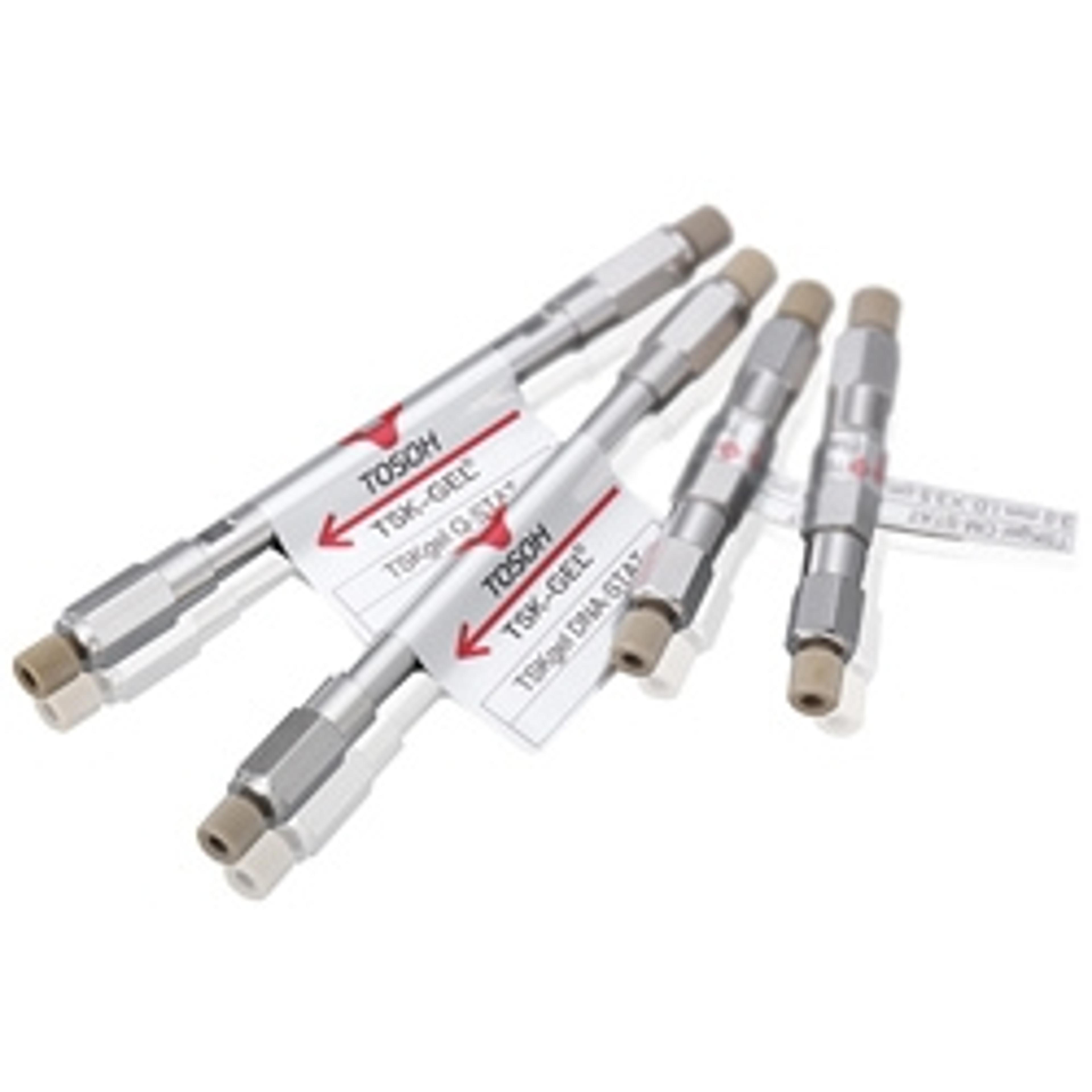
1. TSKgel STAT Columns by Tosoh Bioscience

"This column was very effective for our scope - characterization of a small protein. It was used first for method development. The results for the method qualification were also good."

Marta Pérez, 3P Biopharmaceuticals

Review the TSKgel STAT Columns

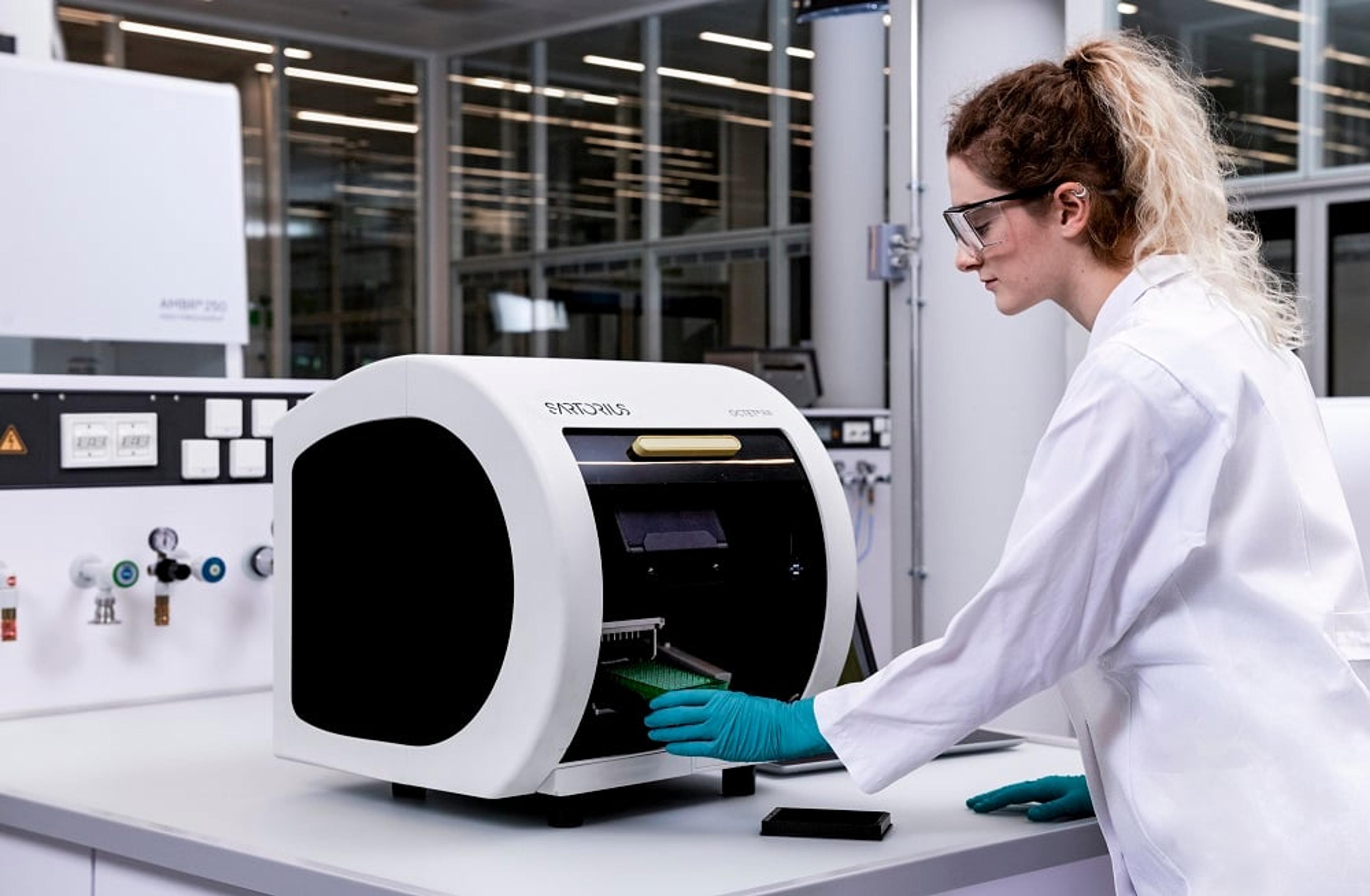
2. Octet® R8 by Sartorius Group

"A powerful addition to our lab. The striking feature that comes up time and again is that the sample is preserved, so the ability to control experiments and analyze samples by other techniques is a huge advantage over injection-based flow systems. I can run multiple antibodies through the very same sample and be certain that the result is real and not just ruled out as an anomaly or error."

Luke Miles, Florey Institute of Neuroscience

Review the Octet® R8

3. Uncle by Unchained Labs

"This instrument has quickly become a standard method for a variety of applications including nanoparticle characterization, formulation optimization, and routine protein characterization. With minimal training, unskilled users can become proficient in performing SOP methods. Expert users have developed custom methods that have advanced difficult projects."

Quinton Dowling, University of Washington
Review the Uncle

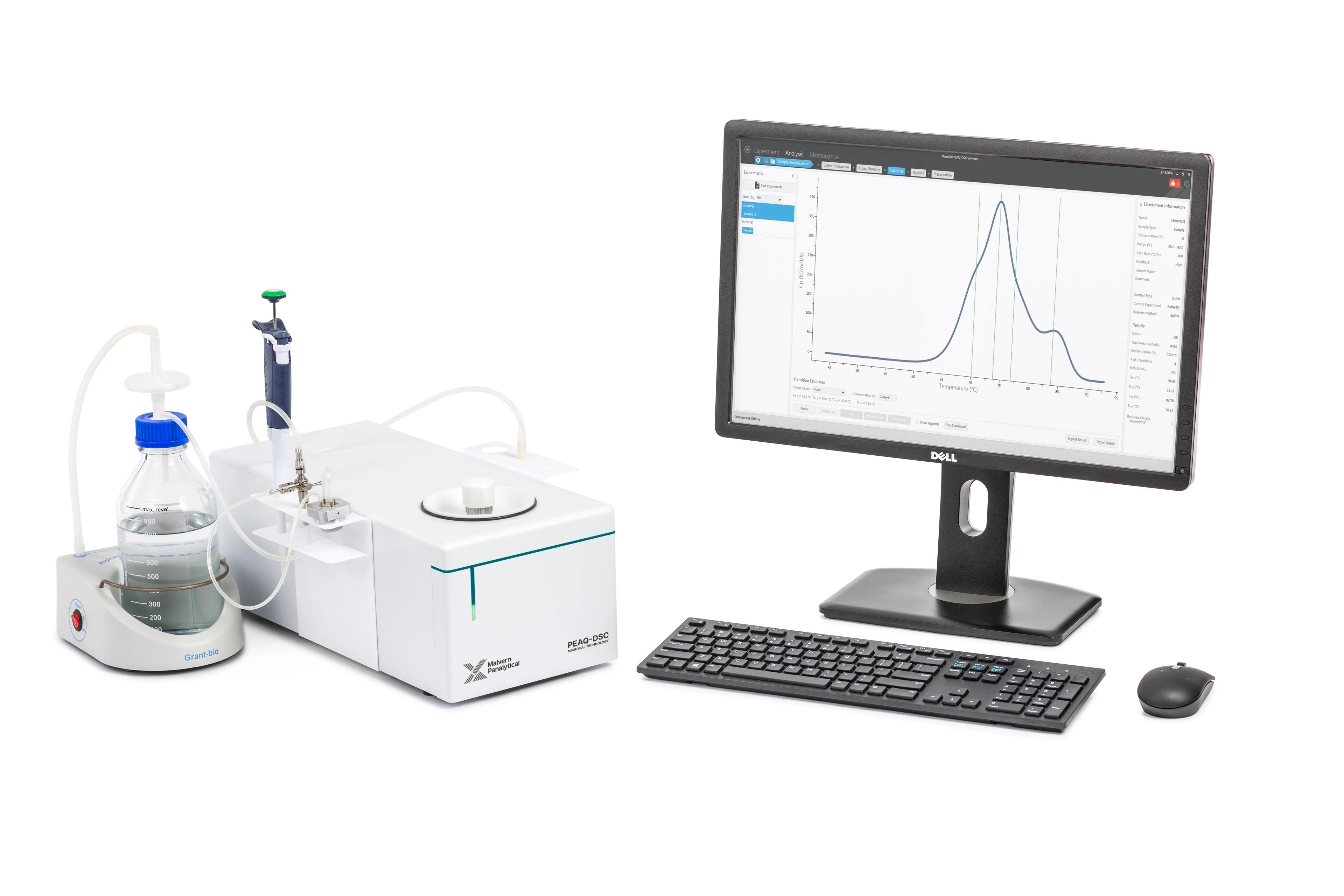
4. MicroCal PEAQ-DSC by Malvern Panalytical

"We're very happy to have an instrument like this, the results and usage are very user friendly. It's not for everyday use in the lab, but we have a method where this equipment is essential. We also have the experience of having a Malvern Nano Zetasizer that we love too"

Karen Elvira Guillén Mondragón, Institute of Biotechnology, UNAM
Review the MicroCal PEAQ-DSC

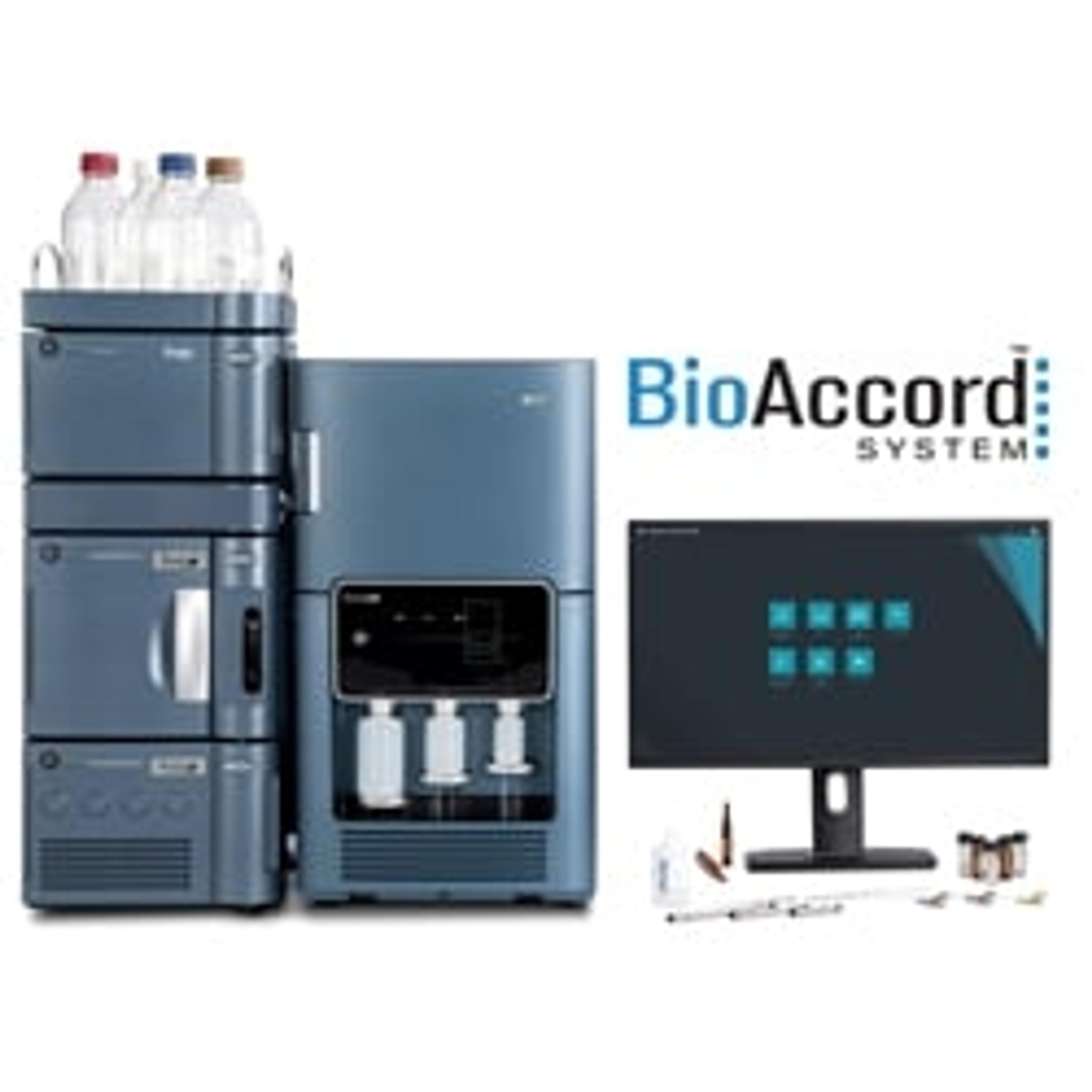
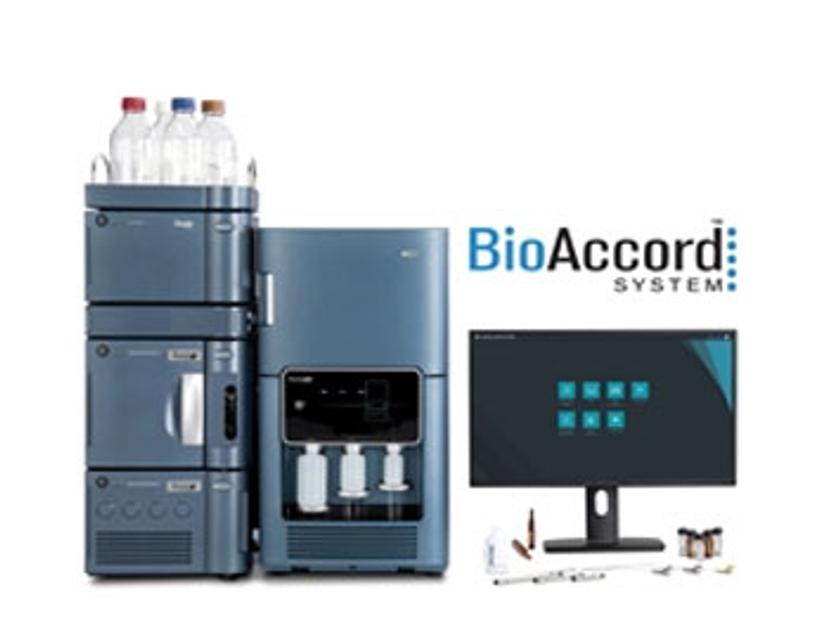
5. BioAccord LC-MS System by Waters

"The BioAccord offers a wide range of analytical methods that are able to characterize biosimilars to evaluate CQAs. The software is excellent as it comprises analysis, processing, and reporting methods. I think in total, this is a very good investment for analytical labs."

Houda Montacir, Alvotech

Review the BioAccord LC-MS System

6. BioPharmaView™ Software by SCIEX

"BioPharmaView software accelerates characterization and comparability studies and simplifies reporting, so you can make better decisions, faster. Comprehensive list of identified peptides and modifications."

Sounak Chakraborty, Public Health Engineering Laboratory
Review the BioPharmaView™ Software

Share your expert opinion and write a review today >>

Links

Tags

LC-MSLC-MS (liquid chromatography-mass spectrometry) systems and equipment are used for separation and quantitative analysis of complex mixtures, combining liquid chromatography and mass spectrometry. Quantify proteins, contaminants, pesticides or screen for drug metabolites with a high level of sensitivity. LC-MS systems and equipment include reverse phase, normal phase and specialized columns integrated with various MS detectors such as time-of-flight (TOF), quadrupole, orbitrap or ion trap mass analyzers. LC-MS/MS instruments equipped with a qTOF or triple quadrupole analyzer give greater sensitivity and resolving power to your analysis. Find the best LC-MS equipment in our peer-reviewed product directory: compare products, check customer reviews and receive pricing direct from manufacturers.Combinatorial ChemistryCombinatorial chemistry, also known as combichem, is a technique used in drug discovery to create libraries of structurally related compounds. A library is generated by synthesis with a chemical reactor system or by computer-based modeling of compound combinations. When undertaking combinatorial chemistry consider reagents, buffers, resins and standards.Process ChemistryProcess chemistry is an important stage of drug development for scaling-up drug production or chemical synthesis reactions. It is useful for optimizing economical and efficient drug production. Process chemistry uses reactors and pump systems as well as reagents, standards and buffers.High-Content ScreeningHigh-content screening (HCS), also known as high-content analysis (HCA), is a high-throughput technique used in drug discovery to identify substances that alter the phenotype of cells. HCS uses fluorescent microscopic imaging and automated image analysis to investigate cellular events such as apoptosis, cell viability, GPCR activation, oxide production, neurite outgrowth, and cell signaling. Find the best fluorescent labeling reagents, cellular assays, and high-content imaging systems in our peer-reviewed product directory: compare products, check customer reviews and receive pricing direct from manufacturers.Biopharmaceutical AdvancesBiopharmaceutical advances follow the development of pharmaceuticals derived from biotechnology, also known as biotechnology medicines. Biopharmaceuticals may be produced from cell lines, plants, or microbial cells. Important considerations of biopharmaceutical use include application, cost, production process and purification.Automated Liquid HandlingAutomated liquid handling equipment is used to mix, dilute and dispense allotted volumes of liquid into microplates and other vessels automatically. The robotic, liquid handling arms can dispense from single channel to 3456 multichannel as well as operate nanoliter dispensing, enabling high throughput of samples. Find the best automated liquid handlers in our peer-reviewed product directory: compare products, check customer reviews and receive pricing direct from manufacturers.Drug DeliveryDrug Delivery refers to dosage form, route of administration, formulations, technologies, and systems for transporting a pharmaceutical compound in the body as needed to safely achieve its desired therapeutic effect. Drug delivery is often approached via the biopharmaceutical or small molecule drug's formulation, but it may also involve medical devices or drug-device combination products. Considerations include instrumentation, software and services. Development SoftwareComputational techniques used in both the chemistry and biology aspects of drug development, for data acquisition, data analysis, processing and storage. Software is used for analysis of ADME results, toxicology, clinical trials and regulatory processes. AntibodiesAntibodies are used in techniques such as confocal and fluorescence microscopy, flow cytometry, ELISA, ELISPOT, immunohistochemistry, western blotting and immunopreciptation. Select specific antigen reactivity, high specific affinity, low non-specific binding, monoclonal or polyclonal, primary or secondary antibodies and associated conjugates such as an enzyme or dye for visualization.Software PlatformsSoftware platforms are useful for various stages of laboratory experiments from data collection to data storage and processing. For instance lab software is available for system control, data management, data analysis and qualification / validation.BiopharmaceuticalsBiopharmaceuticals are proteins and other compounds (such as nucleic acids) produced by living organisms that have uses as therapeutics or for in vivo diagnostics. The most well known example of a biopharmaceutical product, and the first to be approved for therapeutic use, was recombinant human insulin.BiotherapeuticsBiotherapeutics are proteins and other compounds (such as nucleic acids) produced by living organisms that have uses as therapeutics or in <i>in vivo</i> diagnostics. The most well-known example of a biotherapeutic product, and the first to be approved for therapeutic use, was recombinant human insulin.Drug DiscoveryDrug discovery is the process of identifying potential new medications, involving stages such as target identification, compound screening, and preclinical development. It relies on cutting-edge technologies like high-throughput screening, artificial intelligence, and molecular modeling to accelerate the identification of drug candidates. Drug discovery plays a pivotal role in developing new therapies for diseases ranging from cancer to rare genetic disorders. Browse our peer-reviewed product directory to find the latest drug discovery technologies, compare options, check customer feedback, and get pricing directly from manufacturers.Drug DevelopmentDrug development refers to the process of bringing a new drug to market.Reviews