9 top resources for your COVID-19 & infectious disease research

Exclusive interviews, new methods, free downloads, and much more to help you advance your work

3 Aug 2020

Diane Li
Assistant Editor

Editorial article

In the current coronavirus pandemic, scientific discovery has evolved rapidly, making it more important than ever to effectively disseminate information about the biology of the virus, new methods of detection and diagnosis, as well as means of prevention and therapy of future infectious diseases. Scientific progress depends on the efficient transmission of research results to the scientific community, enabling discoveries to be assessed and extended. In this compilation of top resources, we hear from leading scientists about the latest in infectious disease diagnostics, from improved point-of-care testing and virus detection to new tools and techniques for COVID-19 research.
Genetic mapping: COVID-19: A new guest in the city-biome

Dr. Christopher Mason, Associate Professor at Weill Cornell Medical College, discusses the impact of COVID-19 on his work on genetic mapping, and shares how lab automation solutions available from Tecan have assisted his SARS-CoV-2 research.
Watch webinar

Human primary cells: Specialty cell culture tools for COVID-19 research

Find out more about the cell culture portfolio from PromoCell, including well-characterized and standardized human primary airway epithelial cells for SARS-CoV-2 infection studies.
Read article

RT-qPCR: Detect SARS-CoV-2 viral strains with high sensitivity

Find out how the RapiDxFire™ 1-Step RT-qPCR System from LGC Biosearch Technologies can detect with a sensitive LoD, high reproducibility, and robust stability for US CDC’s 2019-nCoV signatures, including N1 and N2.
Download method

Point-of-care: Fast, sensitive, and cost-effective virus detection

Learn how customized screen-printed electrodes (SPEs) from Metrohm Dropsens allow for rapid point-of-care testing for a range of viruses, at low costs and various configurations.

Download paper

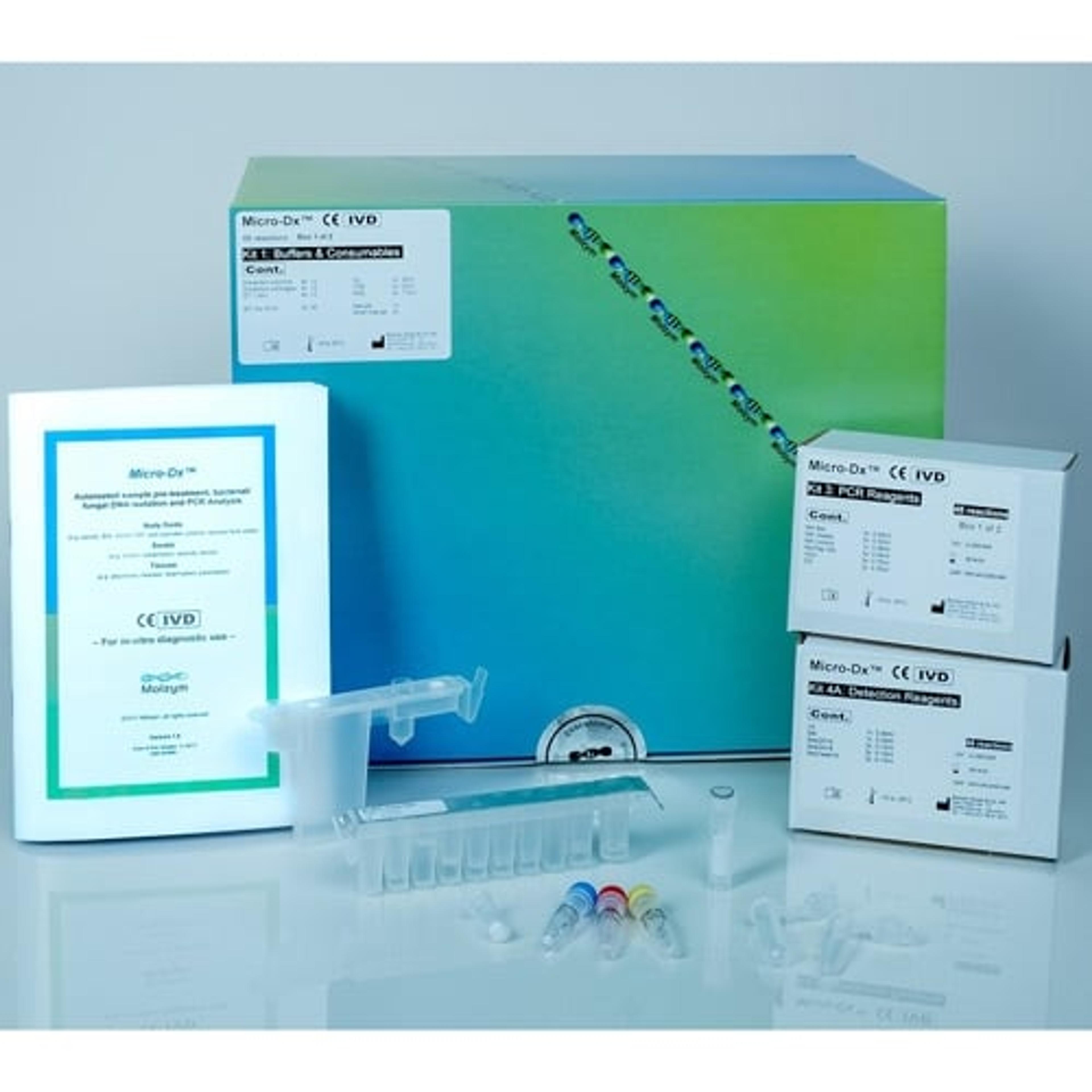
Broad-range PCR: 16S/18S broad-range PCR for culture-negative infections

Discover the added clinical value of broad-range 16S/18S rDNA PCR from Molzym, along with sequencing analysis of culture-negative samples, and see how this impacts antimicrobial therapy selection.

Download method

Flow imaging microscopy: Reveal particles missed by DLS and NTA

Find out how the FlowCam 8000 from Yokogawa Fluid Imaging Technologies overcomes the challenges of traditional particle analysis methods by detecting micron-sized impurities and protein aggregates.

Download method

Food safety: SARS-CoV-2 testing for food packaging and the environment

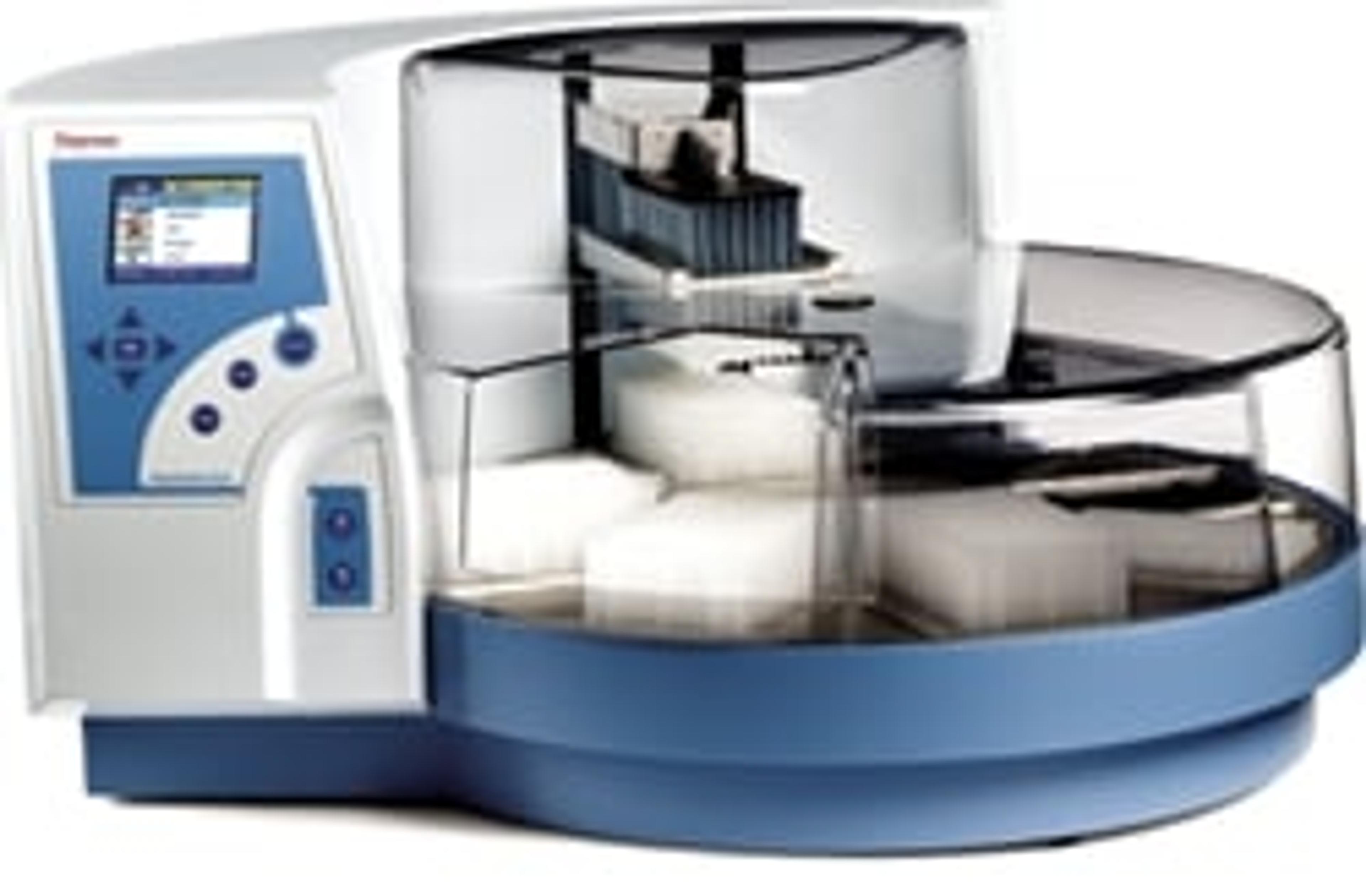
Discover a new testing workflow from Thermo Fisher Scientific designed to detect SARS-COV-2 from food packaging and the environment to decrease potential contamination and subsequent infection.
Read article

Bridging assay: New and improved detection of COVID-19 antibodies

Find out more about the new bridging assay developed by LGC that detects COVID-19 in just 2 hours, increases result certainty, and is compatible with home sampling devices.
Read article

SARS-CoV-2 spike: New therapeutic target to combat COVID-19

Find out more about the potentially druggable pocket within the SARS-CoV-2 Spike glycoprotein and its role in the development of new COVID-19 treatment, in this webinar from Genscript.

Watch webinar

More exclusive interviews:

  • Validation of anti-COVID-19 drugs using the diagnostic tools of the future: Prof. Antonio D'Avolio explains how LC-MS technology is being used to quantify the experimental drug remdesivir. Read article>>
  • Scientists crack bacteria quantification challenge in quest for novel infection therapies: Dr. Dennis Nurjadi discusses the cell counting technology that has brought his team accuracy and reproducibility. Read article>>

Other resources:

  • Cell imaging technology eBook: Explore the key factors to consider when purchasing your cell imager, covering the range of applications from basic cell counts and confluence to automated cell-based assays and 3D cell culture. Download Guide>>
  • Immunoassay analyzers eBook: Discover important information on the different types of immunoassay technology, automation options, disease state assays, and other considerations when choosing an analyzer for your lab. Download eBook>>
  • Monitor viral cytopathic effects in real-time: ACEA Biosciences shares why the rapid and high-throughput xCELLigence Real-Time Cell Analysis workflow is ideal for infectious viral assays. Download Guide>>

Your recommendations:

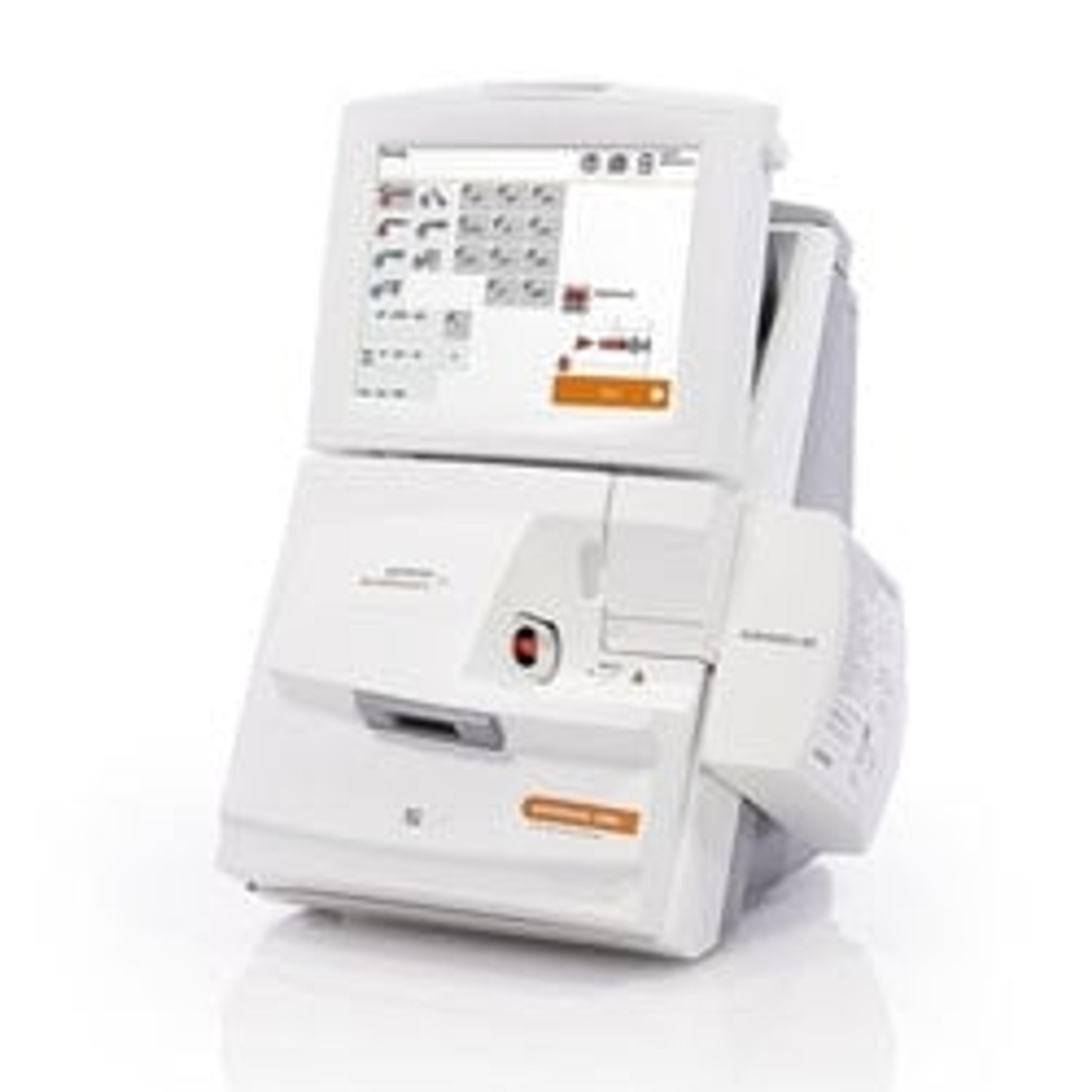
Take a look at what other researchers and scientists all over the world are saying about the latest equipment and technologies being used in coronavirus research. Nikita Delgaty, biomedical scientist at SYNLAB UK & Ireland, shared her opinion of theRAPIDPoint 500e Blood Gas System from Siemens Healthineers:

Find more news and resources in our COVID-19 & Infectious Disease Special Feature>>

Links

Tags

AntibodiesAntibodies are used in techniques such as confocal and fluorescence microscopy, flow cytometry, ELISA, ELISPOT, immunohistochemistry, western blotting and immunopreciptation. Select specific antigen reactivity, high specific affinity, low non-specific binding, monoclonal or polyclonal, primary or secondary antibodies and associated conjugates such as an enzyme or dye for visualization.Cell / Tissue CultureCell culture or tissue culture is used to study the biology of cells or tissues and to isolate cellular products in an environment which can be manipulated and well defined. Accurately control your culture environment with bioreactors or culture incubators, bind your cells to a surface or together with an extracellular matrix. Distinguish cell types with differential media or proliferate cells with certain characteristics using selective media. Enrich your media with supplements such as growth factors, sera and vitamins. Find the best cell and tissue culture products, kits and equipment in our peer-reviewed product directory: compare products, check customer reviews and receive pricing direct from manufacturers.Combinatorial ChemistryCombinatorial chemistry, also known as combichem, is a technique used in drug discovery to create libraries of structurally related compounds. A library is generated by synthesis with a chemical reactor system or by computer-based modeling of compound combinations. When undertaking combinatorial chemistry consider reagents, buffers, resins and standards.PCR and Thermal CyclingPolymerase chain reaction (PCR) kits and thermal cyclers are used for the in vitro amplification of DNA permitting subsequent analysis and experimental procedures. Explore a range of high-quality polymerase, primers and nucleotides or simplify your workflow with a PCR mastermix. Find reverse transcription PCR (RT-PCR) and cDNA synthesis kits for RNA products and libraries. Quantitatively measure the amplification of DNA with real-time PCR (qPCR) and droplet digital PCR (ddPCR) kits and systems, and discover automated PCR setup solutions to increase throughput. Alternative DNA amplification methods also include recombinase polymerase amplification (RPA) kits. Find the best PCR kits and thermal cyclers and purification equipment in our peer-reviewed product directory: compare products, check customer reviews and receive pricing direct from manufacturers.Cell Lines Stem Cells and Primary CellsPrimary cell cultures, established cell lines and stem cells are vital for <i>in vitro</i> and <i>ex vivo</i> experimentation. High-quality cells, optimized for your applications, alongside optimized cell substrates, growth medium and supplements, are critical for experimental success. Explore a range of cells suitable for your applications, including isogenic cell lines, competent cells, induced pluripotent stem cell (iPSC)-derived cell lines, fungal/bacterial/mammalian cell lines, stem cells and cancer cell lines. Find the best cells for your research in our peer-reviewed product directory: compare products, check customer reviews and receive pricing direct from manufacturers.Data AnalysisData analysis hardware and software is available to make data processing straight-forward yet powerful. Data software can be used for math and stats, technical graphing and image analysis. In addition, software is available for specific data analysis of electrophoresis, densitometry, ELISA and DNA sequencing.MicrobiologyMicrobiology is the study of microorganisms including protists, prokaryotes, fungi, and, often, viruses. Microorganisms are a useful research tool as genetic vectors and, in immunology, for antibiotic susceptibility testing, cellular biology and genetics. Microorganisms commonly grow readily in incubators with microbial culture media; this can contain chromogenic supplements to differentiate between cell lines. Estimate your culture’s density of microorganisms with colony counters, or screen and select colonies for desirable clones with automated colony pickers. Additionally, equipment is available to monitor environments for the presence of microbes and identify with microbial identification instruments. Find the best microbiology products in our peer-reviewed product directory: compare products, check customer reviews and receive pricing direct from manufacturers.Sample ManagementSample management systems include sample storage devices such as freezers and plate storers, sample environment enclosures and sample organization, retrieval and sorter systems. Useful system features include high-throughput, automation, robotic arms, automated liquid handling and associated database systems. Accessories in sample management include barcode scanners, heat sealers and tubes.Blood TransfusionBlood Transfusion involves giving donor blood to a recipient patient. Screening is essential to avoid transfusion reactions. Blood banks use immunohematological techniques to determine rh and ABO blood group, and screen for antibodies using specific antisera. Blood Banks use Direct Coombs Tests (DCT) and Indirect Coombs Tests (IAT) to detect hemolysis and Haemolytic Disease of the Newborn (HDN).ImmunologyImmunological techniques measure and characterize immune responses. Immunology kits and analysis systems often use techniques such as ELISA, radioimmunoassay (RIA) and immunodiffusion assays, Immunohistochemistry, and flow cytometry. Immunologists use equipment such as flow Cytometers, plate readers, plate washers and fluorescent microscopes.Cellular PathologyCellular Pathology deals with the microscopic analysis of tissue samples and cells. Sample preparation and processing includes fixation, staining, sectioning and slide mounting, using equipment such microtomes and cryostats. In choosing immunohistochemistry and immunocytochemistry kits, consider chromogens, staining method, antibodies, microscopes and imaging.Point-of-CarePoint-of-Care Testing (POCT) or Near Patient Testing (NPT) products are available for urine, blood and other clinical chemistry analyses. POCT includes: blood glucose testing, blood gas and electrolytes analysis, rapid coagulation testing (PT / INR), rapid cardiac markers diagnostics, drugs of abuse screening, urine strips testing, pregnancy testing, fecal occult blood analysis, food pathogens screening, hemoglobin diagnostics, infectious disease testing and cholesterol screening.Biopharmaceutical AdvancesBiopharmaceutical advances follow the development of pharmaceuticals derived from biotechnology, also known as biotechnology medicines. Biopharmaceuticals may be produced from cell lines, plants, or microbial cells. Important considerations of biopharmaceutical use include application, cost, production process and purification.Clinical TrialsClinical Trials, an essential part of drug discovery process, assess the safety and effectiveness of a new medication or device in the pharmaceutical industry. Clinical Trials are a phased process (Phase 0, Phase I, Phase II, Phase III and Phase IV) which begins after initial preclinical testing.Robotic InstrumentsRobotic instruments can be used for high-throughput automation of many lab processes. Such processes use instruments for assays like cell based assays and ELISA, for sample preparation like shakers, centrifuges and incubators, and for analysis such as sequencing and western blot analyzers. Useful features of robotic instruments include speed, reproducibility, barcode readers, software and automation.