9 Drug Discovery Highlights - Screening Technologies, Cell Biology Innovations & Your Top Rated Products

Don’t miss out on the most exciting stories unfolding in the Drug Discovery & Development Community

5 Mar 2019

Finn Price
Administrator / Office Personnel

Editorial article

February was a busy month for the drug discovery and development industry and with SLAS2019 taking center stage, along with our Drug Discovery Screening feature, there has been plenty of big stories and eye-catching innovations. Catch up on some of the latest developments, the most popular content, and the technologies making the biggest impact in laboratories around the world in our monthly round-up. Plus, don't miss our popular download to make your life in the lab more comfortable.

Drug Discovery Screening Special Feature

1. Special Feature: Drug Discovery Screening

We take a look at some of the latest trends in screening for drug discovery and the technologies advancing this field, including the latest methods for phenotypic screening, new tools for structure-based drug discovery, CRISPR screening technologies, and developments in data analysis. Plus, hear from the scientists hoping to bring effective treatments to patients faster.

2. CRISPR Screening in Primary Human T Cells - Extending Cell Type Capabilities

Cristina Ghirelli, immuno-oncology manager at Horizon Discovery, discusses the development of a pipeline to perform pooled CRISPR screening in primary T cells through a combined lentiviral and electroporation approach. Watch the webinar on demand to find out more about identifying new metabolic targets involved in cell proliferation control and survival using T cells.

Amy Butler, Ph.D.

3. Innovating Cell Biology Technology to Improve Human Health

Amy Butler, Ph.D., Neuroscience, Vice President and general manager at Thermo Fisher Scientific, tells us how providing a complete system for cell growth and modification is enabling scientists to harness the power of cells to improve human health.

4. Potency Determination of 16 Cannabinoids by UHPLC with Diode-Array Detection

Since the legalization of cannabis in several US states and, recently, Canada, the quantitative determination of cannabinoids in cannabis products has been of great interest. There are more than 100 cannabinoids that can be found in the plant or extracts. Traditional HPLC is the gold standard for cannabinoid analysis, providing nearly complete separation and robust quantitation. However, for throughput optimization while maintaining sensitivity, a new UHPLC method is required.

SLAS2019 Highlights

5. Top Rated Products

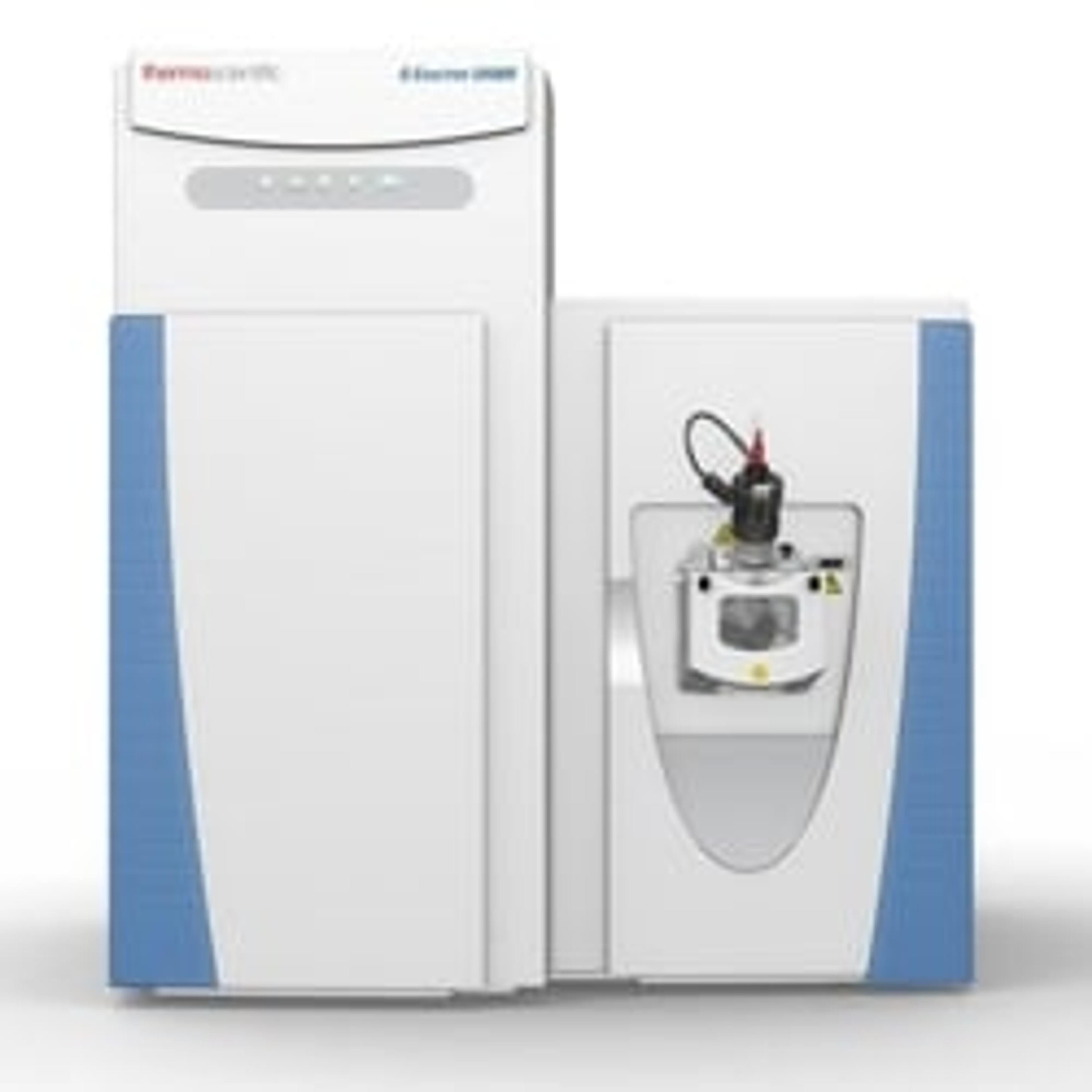
Between December and January, as part of our Scientists’ Choice Awards, you have been busy voting for your favorite Drug Discovery product of 2018 and leaving reviews of other great products in your labs. At SLAS we had the great pleasure to award Best New Drug Discovery & Development Product of 2018 to Thermo Fisher Scientific for the Thermo Scientific™ Q Exactive™ UHMR Hybrid Quadrupole-Orbitrap™ Mass Spectrometer.

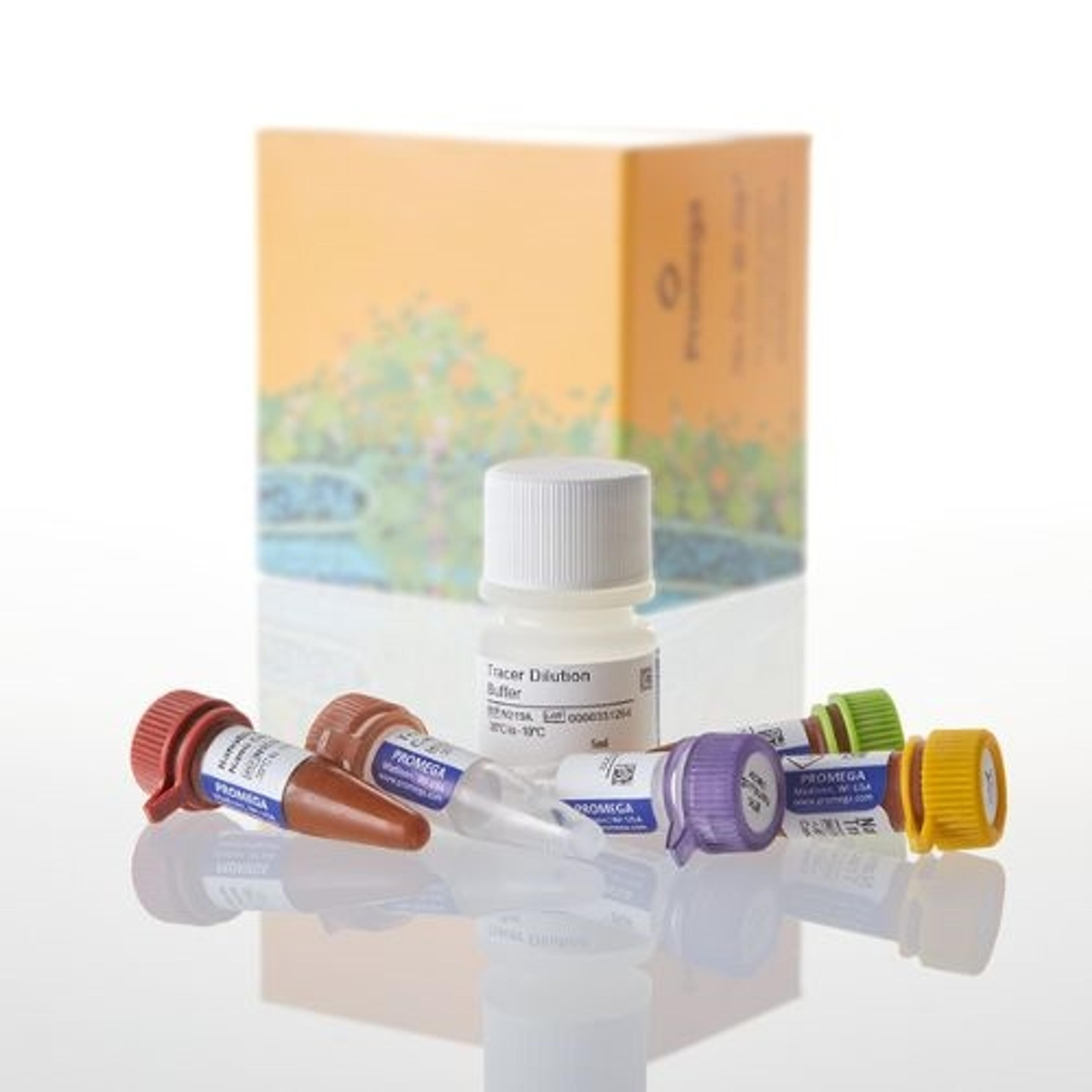
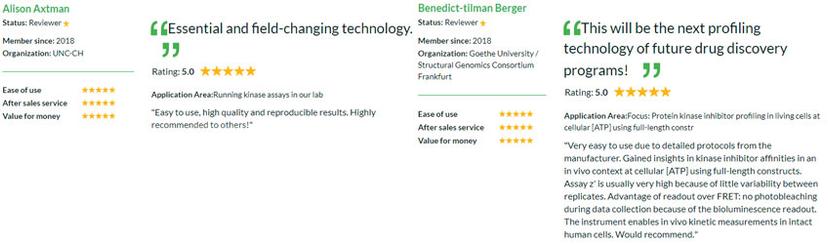
The Reviewers' Choice Award for Drug Discovery & Development Product of the Year, which is based on the reviews published on SelectScience over the course of the year, was awarded to Promega Corp.’s NanoBRET™ TE Intracellular Kinase Assay.
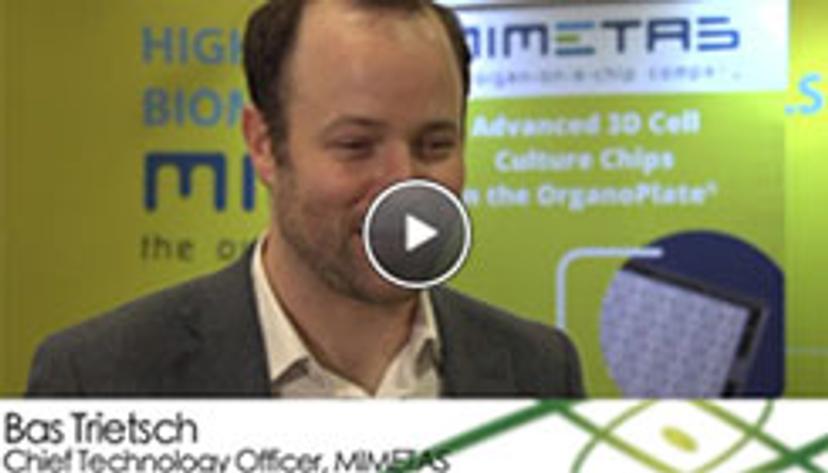
Bas Triestsch, CTO, MIMETAS

6. Enhancing Organ Barrier Function Modelling with Organ-on-a-chip Technology

Find out how MimetasOrganoPlate along with their brand new OrganoTEER impedance spectrometer are pushing the boundaries of cell barrier function modelling and providing insight into disease states and the effects of pharmacological intervention.

Stuart Levine, Ph.D., Director, MIT BioMicro Center

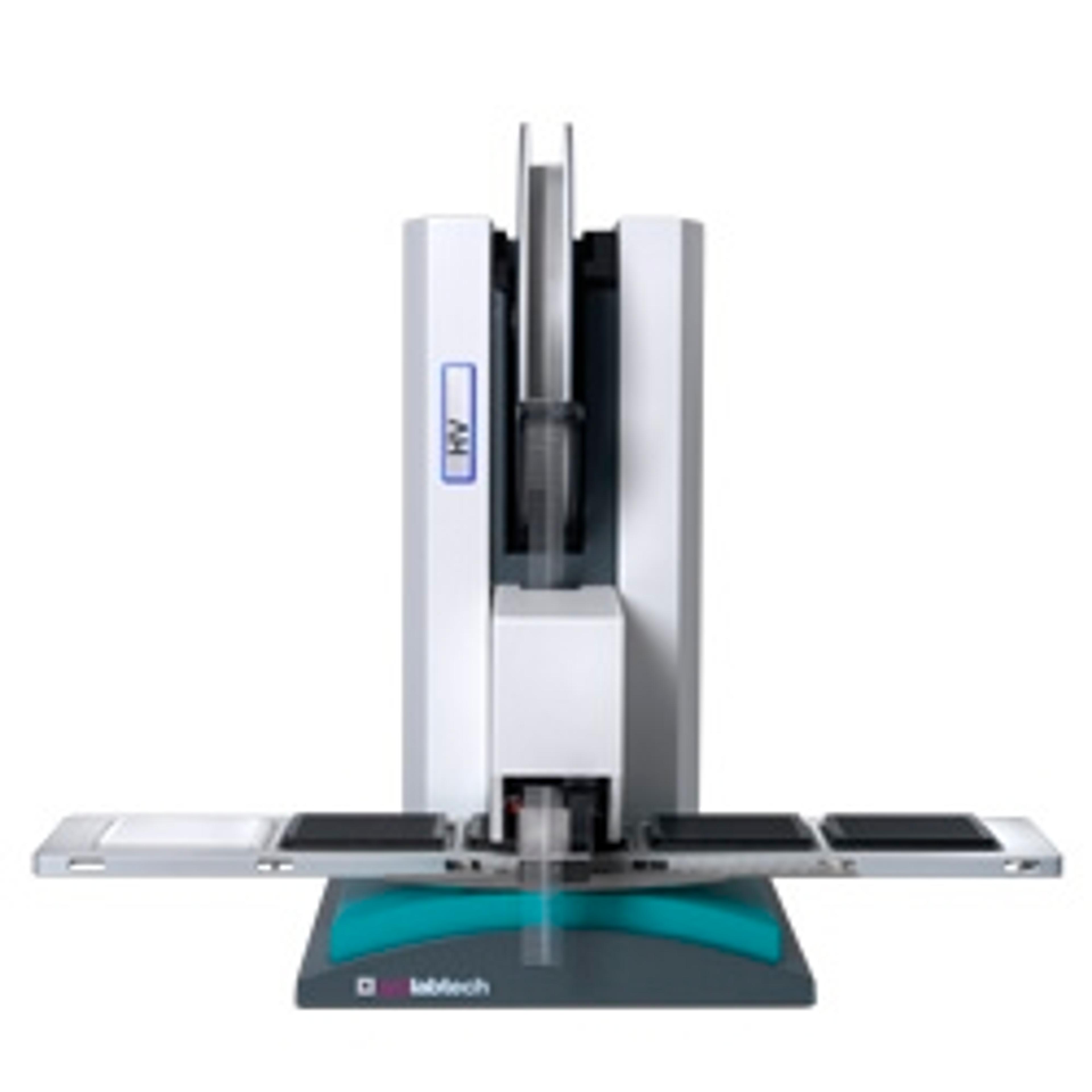
7. Miniaturize Illumina Library Prep with the mosquito HV for Increased Sample Throughput

It’s clear that in order to keep up with growing demand for new drug candidates, labs must adapt to increase the efficiency and throughput of their workflows. Assay miniaturization dramatically increases the number of samples and assays that can be run while simultaneously reducing the costs of doing so.

8. Spotted at SLAS2019: 9 Top Technologies from the Exhibition Floor

Thousands of scientists attended the 2019 SLAS Conference in Washington, DC, to witness the latest innovations in automation and screening. If you missed the conference, or didn’t have enough time to take it all in, our editors were on the scene to find the latest, most exciting, emerging laboratory technologies in the field.

And, finally..

9. Easing Muscle Tension from Static Working Postures

Make your life easy and eliminate pain and tension from liquid handling. Repetitive pipetting posture is widely recognised as the biggest source discomfort in the lab. The quick and easy stretching exercises in this popular download will help keep you in top condition.

Sign up to SelectScience for free to receive the latest SelectScience new direct to your inbox.

Links

Tags

Cell / Tissue CultureCell culture or tissue culture is used to study the biology of cells or tissues and to isolate cellular products in an environment which can be manipulated and well defined. Accurately control your culture environment with bioreactors or culture incubators, bind your cells to a surface or together with an extracellular matrix. Distinguish cell types with differential media or proliferate cells with certain characteristics using selective media. Enrich your media with supplements such as growth factors, sera and vitamins. Find the best cell and tissue culture products, kits and equipment in our peer-reviewed product directory: compare products, check customer reviews and receive pricing direct from manufacturers.Microplate Readers / DetectorsMicroplate readers are used to automate the detection and analysis of labeled or label-free components in microplates during assays or live-cell monitoring. Microplate readers are generally distinguished by their mode of detection. Types include absorbance, luminescence, fluorescence intensity, fluorescence polarization, TRF / FRET and multimode microplate readers. Microplate readers deliver a high throughput of samples by reading multiple wells simultaneously, with the 96-well format the most commonly used. As a result, microplate readers are often used in the drug discovery, bioassays, research and pharmaceutical industries for screening applications. Microplate loading can also be automated, with robotic microplate stackers to increase throughput. Find the best microplate readers in our peer-reviewed product directory: compare products, check customer reviews and receive pricing direct from manufacturers.Sample ManagementSample management systems include sample storage devices such as freezers and plate storers, sample environment enclosures and sample organization, retrieval and sorter systems. Useful system features include high-throughput, automation, robotic arms, automated liquid handling and associated database systems. Accessories in sample management include barcode scanners, heat sealers and tubes.Automated Liquid HandlingAutomated liquid handling equipment is used to mix, dilute and dispense allotted volumes of liquid into microplates and other vessels automatically. The robotic, liquid handling arms can dispense from single channel to 3456 multichannel as well as operate nanoliter dispensing, enabling high throughput of samples. Find the best automated liquid handlers in our peer-reviewed product directory: compare products, check customer reviews and receive pricing direct from manufacturers.SLASThe Society for Laboratory Automation and Screening (SLAS) is an organization focused on laboratory automation, high-throughput screening, and biotechnology innovation. SLAS promotes scientific advancements through conferences, publications, and industry collaborations. Drug DiscoveryDrug discovery is the process of identifying potential new medications, involving stages such as target identification, compound screening, and preclinical development. It relies on cutting-edge technologies like high-throughput screening, artificial intelligence, and molecular modeling to accelerate the identification of drug candidates. Drug discovery plays a pivotal role in developing new therapies for diseases ranging from cancer to rare genetic disorders. Browse our peer-reviewed product directory to find the latest drug discovery technologies, compare options, check customer feedback, and get pricing directly from manufacturers.Cell BiologyCell biology studies the structure, function, and behavior of cells. Understanding cellular processes is essential for research in areas such as cancer biology, stem cell research, and neurobiology. Techniques like flow cytometry, microscopy, and cell culture enable researchers to explore cellular mechanisms in detail. Browse our peer-reviewed product directory to find the best cell biology tools and equipment, compare products, check customer reviews, and get pricing directly from manufacturers.CannabinoidsCannabinoids are compounds found in cannabis that have therapeutic effects, such as pain relief, anti-inflammatory properties, and potential neuroprotective benefits. Research into cannabinoids is growing, particularly in the fields of pain management, neurological diseases, and cancer treatments. Browse our peer-reviewed product directory to find the best cannabinoid research tools, compare products, check reviews, and get pricing directly from manufacturers.Liquid HandlingLiquid handling involves the precise transfer, mixing, and dispensing of liquids in laboratory settings. It is essential for accurate and consistent results in biological, chemical, and pharmaceutical research. Automated liquid handling systems improve efficiency and reduce human error in sample preparation and analysis. Explore liquid handling tools in our peer-reviewed product directory; compare products, read customer reviews, and get pricing directly from manufacturers.CRISPRCRISPR technology enables precise editing of genes, allowing scientists to modify DNA at specific locations. This revolutionary tool is used in genetic research, drug development, and gene therapy. CRISPR has applications in agriculture, disease treatment, and creating genetically modified organisms (GMOs). Explore CRISPR solutions in our peer-reviewed product directory; compare products, check reviews, and get pricing directly from manufacturers.Drug Discovery & Development ScreeningT Cells