5 of the Latest Cytometry Techniques and Technologies from CYTO 2019

SelectScience editors reflect on the industry's innovations and advancements showcased at this year’s CYTO conference

7 Jul 2019

Charlie Carter
Life Sciences Editor

Editorial article

This year saw the 34th Congress of the International Society for Advancement of Cytometry. CYTO 2019 brought together the top faculty and industry leaders across all areas of cytometry to Vancouver, Canada, from June 22-24. In this article, find out more about the exhibition highlights you may have missed from this year's event.

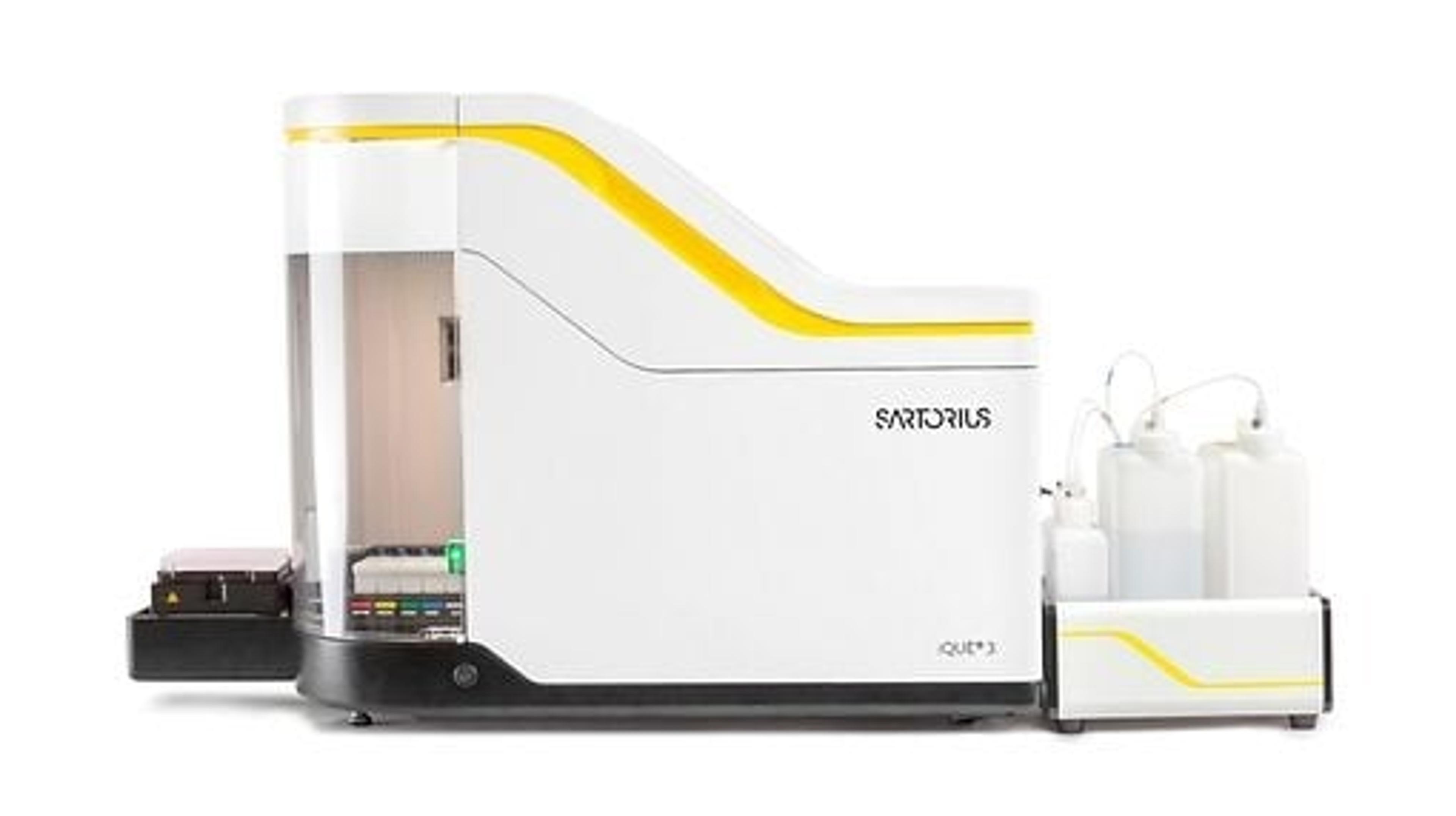
Intellicyt iQue3 from Sartorius

1. Sartorius Expands its Cellular Analysis Portfolio

As the successor to the iQue Screener PLUS, the debuted Intellicyt iQue3 is designed to fully automate processing and analysis for flow cytometry workflows. Sartorius's next-generation flow cytometry system promises even more user-friendly operation and enhanced process security to ensure consistent and reliable results with minimal user intervention.

2. Novel Antibody Labeling Immunoassay for Multiplex Immune Profiling

Expedeon showcased ten of its Lightning-Link Metal Labeling Kits at this year's congress. These kits are designed to support single-cell analysis by enabling users to enhance the phenotypic analysis of heterogeneous cell populations, increase multiplexing capability compared to fluorophore labeling, and improve sample throughput and research output.

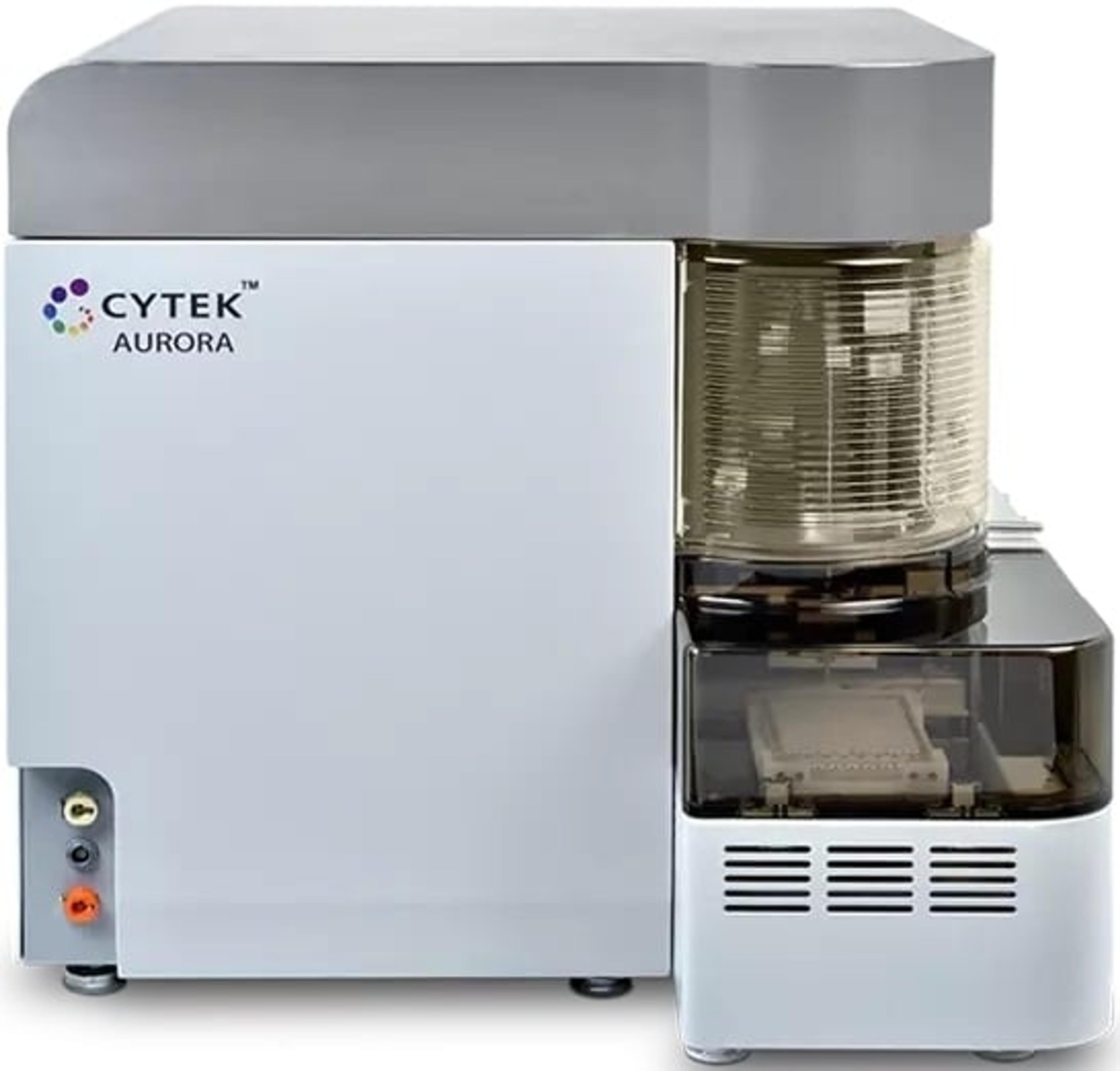
Aurora from Cytek Biosciences

3. Advanced Spectral Cytometry with the Cytek Aurora

Cytek's latest flow cytometry system was demonstrated at this year's event. Featuring five lasers, the advanced system is designed to enable more than 30 colors to be seen from a single sample. Find out more about the Cytek Aurora in SelectScience's expert interview videos>>

4. High Throughput, High-Speed Automated Cell Counter Launched

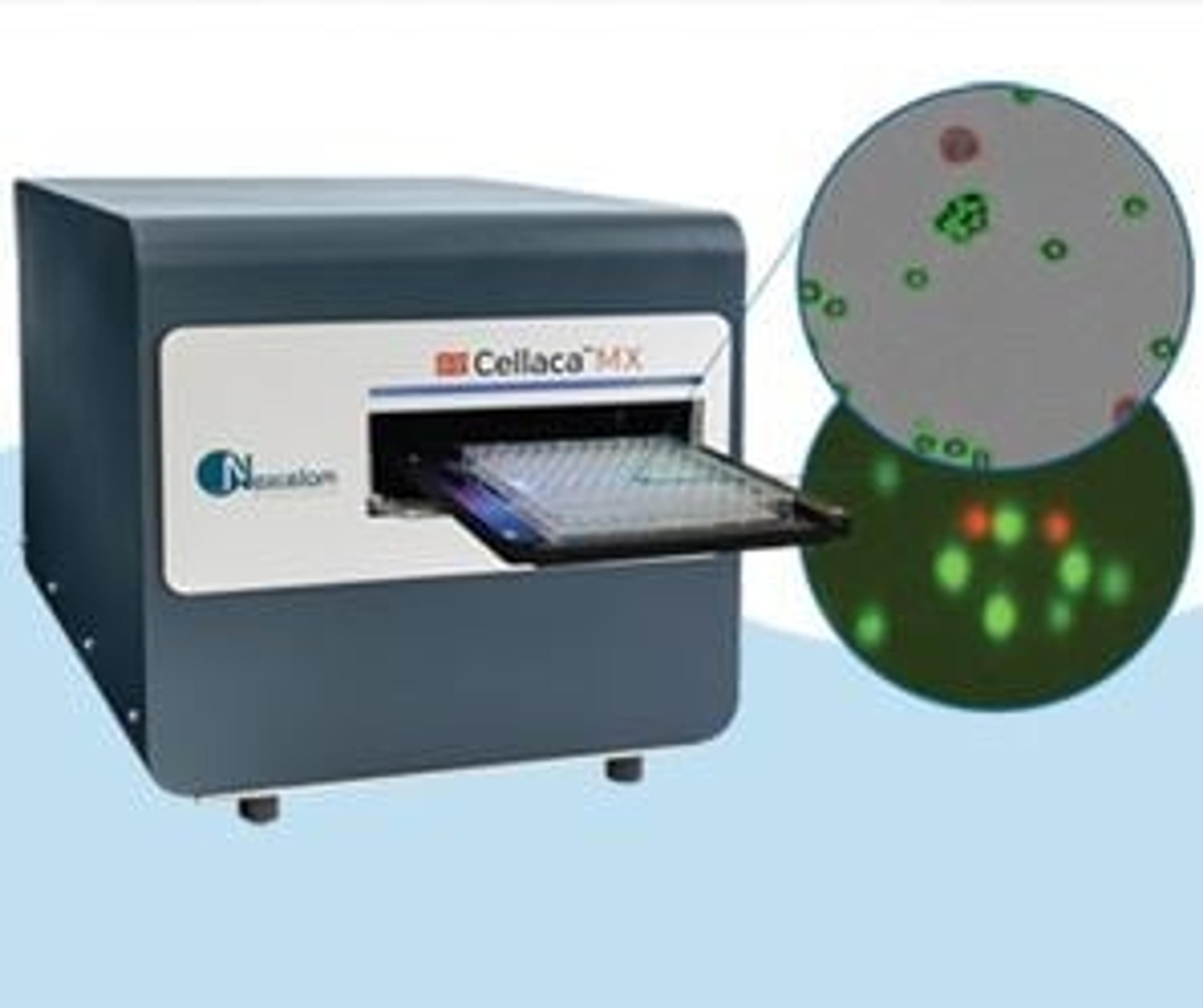
The Cellaca™ MX from Nexcelom is designed to improve sample quality resulting in more accurate cell sample concentration, viability, and morphology measurements. In addition, the newly launched solution promises reduced sample processing time and increased workflow efficiencies.

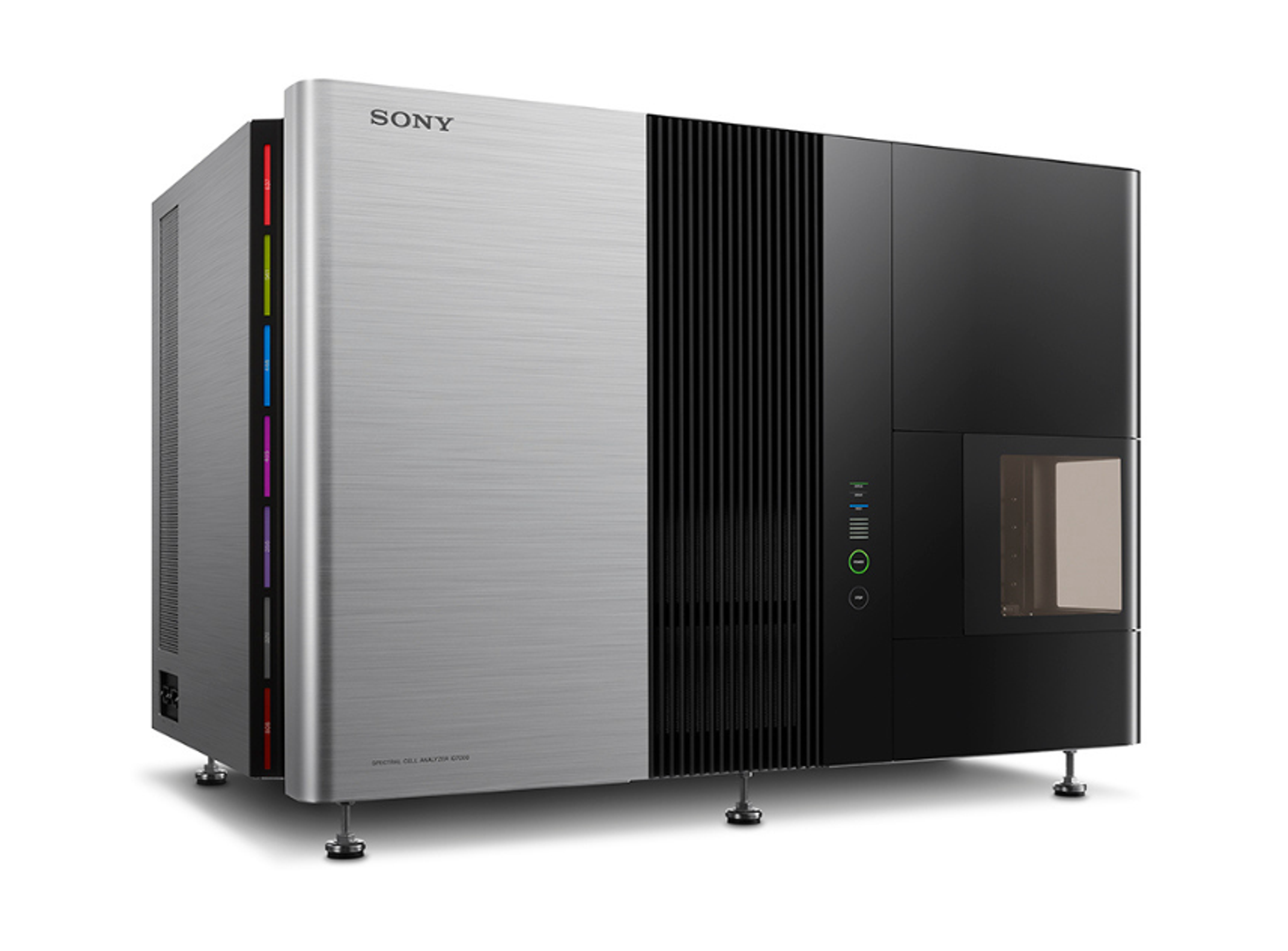
ID7000 Spectral Cell Analyzer from Sony

5. New Spectral Cytometer for Dim and Rare Cell Populations

Sony Biotechnology showcased its newly launched ID7000 Spectral Cell Analyzer, which promises to deliver comprehensive information about heterogeneous cell populations, with high sensitivity to detect dim and rare populations. The ID7000 can be configured with up to 7 lasers and 188 detectors, promising researchers the ability to perform experiments using 44 colors.

Become a SelectScience member today and receive more of the latest news straight to your inbox>>
Links

Tags

Flow Cytometry / Cell CountingFlow cytometers are used to count, sort and examine multiple characteristics of cells. Other cell analysis equipment includes image cytometers, cell counters, fluorescence-activated cell sorters (FACS), magnetic-activated cell sorters (MACS), and a range of flow cytometry assay kits. Flow cytometers can reveal information on cell viability, cell proliferation, apoptosis and cell cycle progression, as well as identify cell populations and intracellular or cell-surface molecules. Additionally, some flow cytometers, known as FACS, have an additional sorting function after analysis. Cell counters and image cytometers count live and dead cell populations and can also conduct cell proliferation assays. Find the best flow cytometers, cell counters and cell sorters in our peer-reviewed product directory: compare products, check customer reviews and receive pricing direct from manufacturers.CytometryCytometry is a broad term for the quantitative analysis of cells and cell systems. The most popular methods to study cytometry are flow cytometry and image cytometry.Cell AnalysisThe analysis of cells allows researchers to understand the factors which contribute to cell health and function. These influencing processes can then be predicted and altered, leading to the development of medication and disease treatments.ImmunoassayImmunoassays are laboratory tests that utilize antibody-antigen interactions to detect specific substances. They are widely used in diagnostics for detecting diseases, drug testing, and environmental monitoring. These assays offer rapid, sensitive, and precise detection of biomarkers, making them invaluable in clinical and research labs. Browse our peer-reviewed product directory to compare immunoassay systems, read user reviews, and get pricing directly from manufacturers.AutomationAutomation in laboratories and manufacturing processes enhances efficiency, precision, and scalability by reducing the need for manual intervention. It plays a critical role in improving productivity, minimizing human error, and accelerating workflows in fields like diagnostics, drug development, and industrial testing. Automation technologies include robotic systems, automated liquid handlers, and process control systems that streamline complex tasks and ensure consistent, reproducible results. Explore our peer-reviewed product directory to discover the best automation solutions, compare options, read user reviews, and get prices directly from manufacturers.