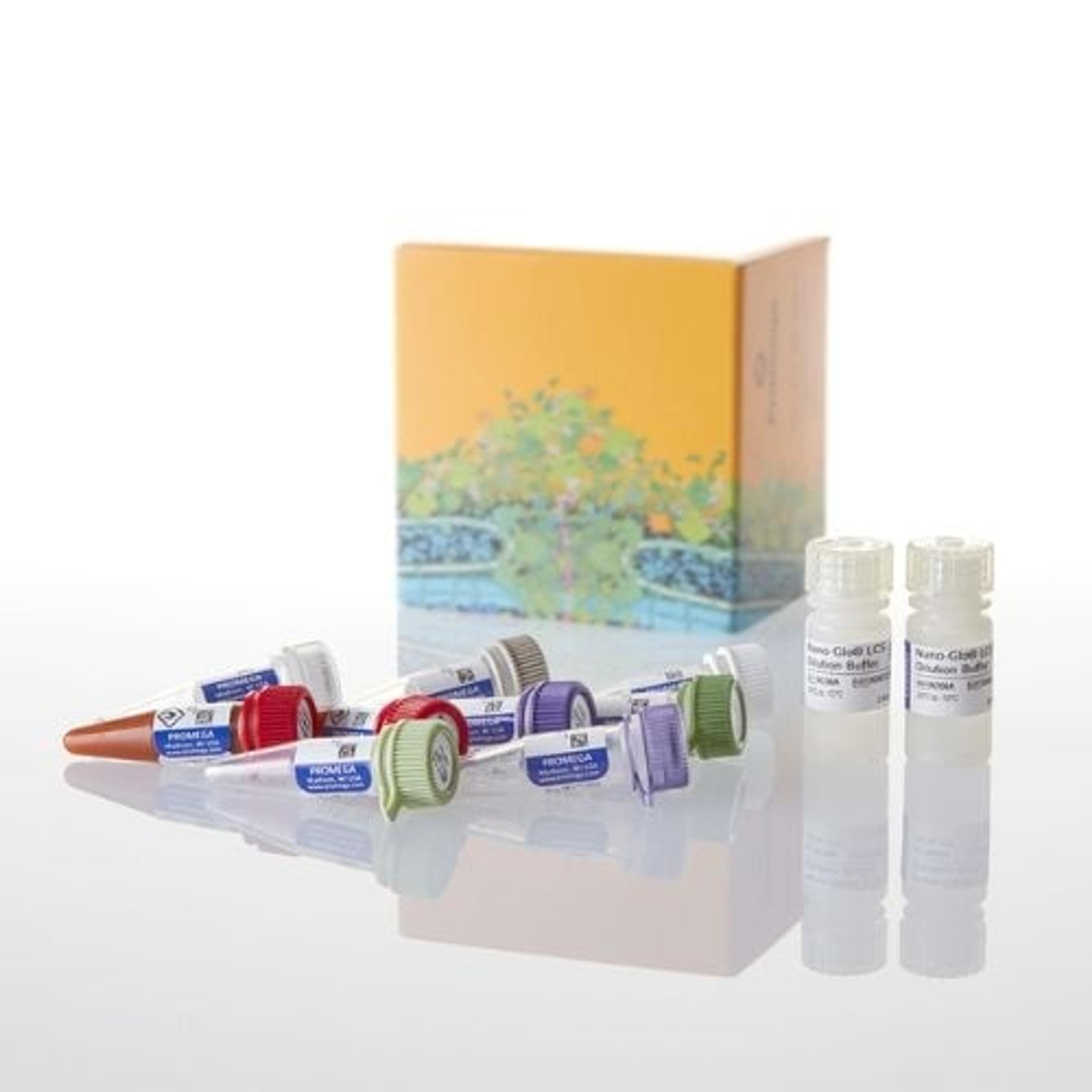
10 lab products making their mark in protein biology research
From sample prep to downstream analysis, discover the products making a difference for other scientists in your field
27 Nov 2020
Editorial article
Our aim at SelectScience® has always been to provide scientists with the best possible information to help them make the right purchasing decisions to advance their work. But we couldn't do that without the support and input of our vast community of reviewers based in labs across the globe. Here, as part of our latest Protein Biology Special Feature, we pull together a selection of our favorite reviews of technologies involved in protein biology research. Find out why these products have caught the eyes of your peers and see how they could be used to improve your own workflow!
1. Sample preparation
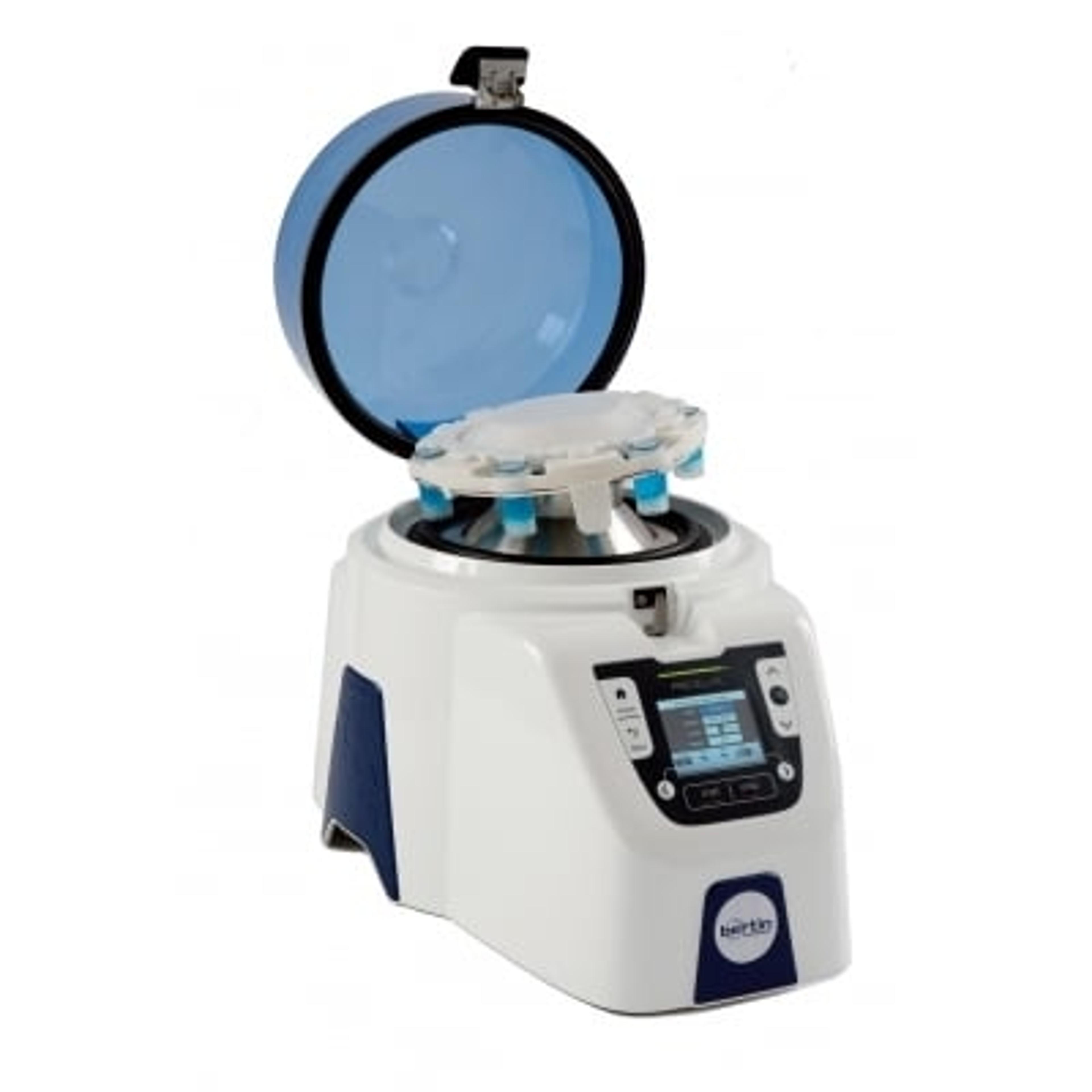
Samples often need to be homogenized before the protein of interest can be extracted and analyzed. Doing this by hand is labor intensive and can yield variable results. With Bertin’s Precellys® Evolution, however, this is a problem of the past!

2. Protein capture
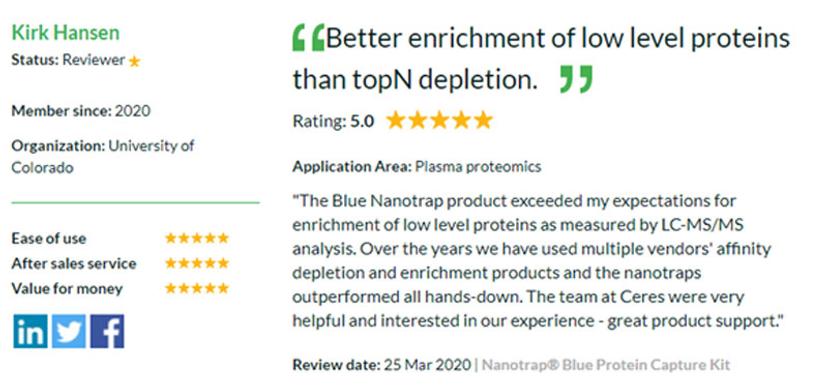
Improve your ability to isolate low-abundance and low-molecular-weight proteins with the Nanotrap® Blue Protein Capture Kit from Ceres Nanosciences. This kit binds low-abundance proteins while excluding unwanted high-abundance proteins allowing you to identify a higher number of unique peptides and proteins.
3. Protein Miniprep
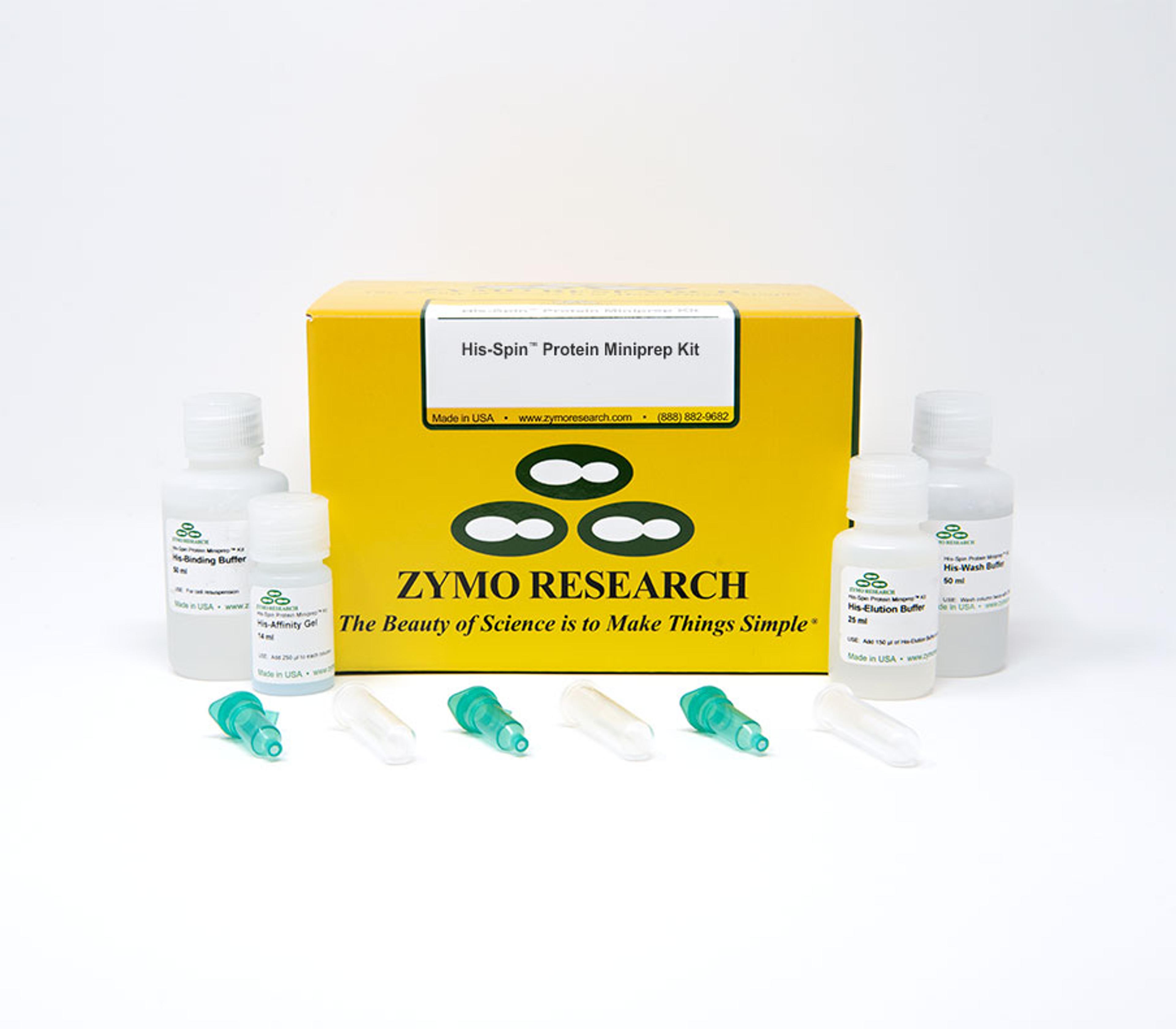
If time is not on your side, this kit uses a straightforward spin-wash-elute protocol to dramatically simplify protein purification and provide results in minutes. The protein purified using Zymo Research’s His-Spin™ Protein Miniprep Kit can be used directly for enzymatic assays, protein biochemical analyses, SDS PAGE, as well as other protein-based applications.

4. Centrifugal concentration
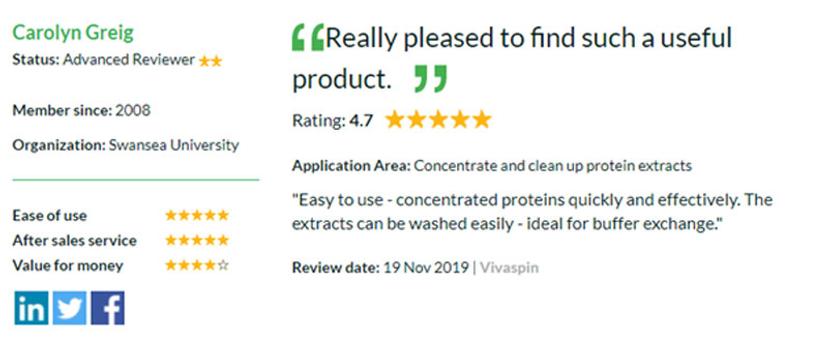
Concentrating isolated proteins using centrifugal concentrators is a staple for many labs. While Sartorius's Vivaspin columns are a simple solution, they are not to be underestimated!
5. Protein gel electrophoresis
Once you’ve finished separating your protein by electrophoresis, why take any chances capturing your results? The UVP GelSolo from Analytik Jena can not only capture images of your gels, but it can also be used to calculate fragment sizes or quantify your sample in a few simple steps.

6. Spectrophotometry
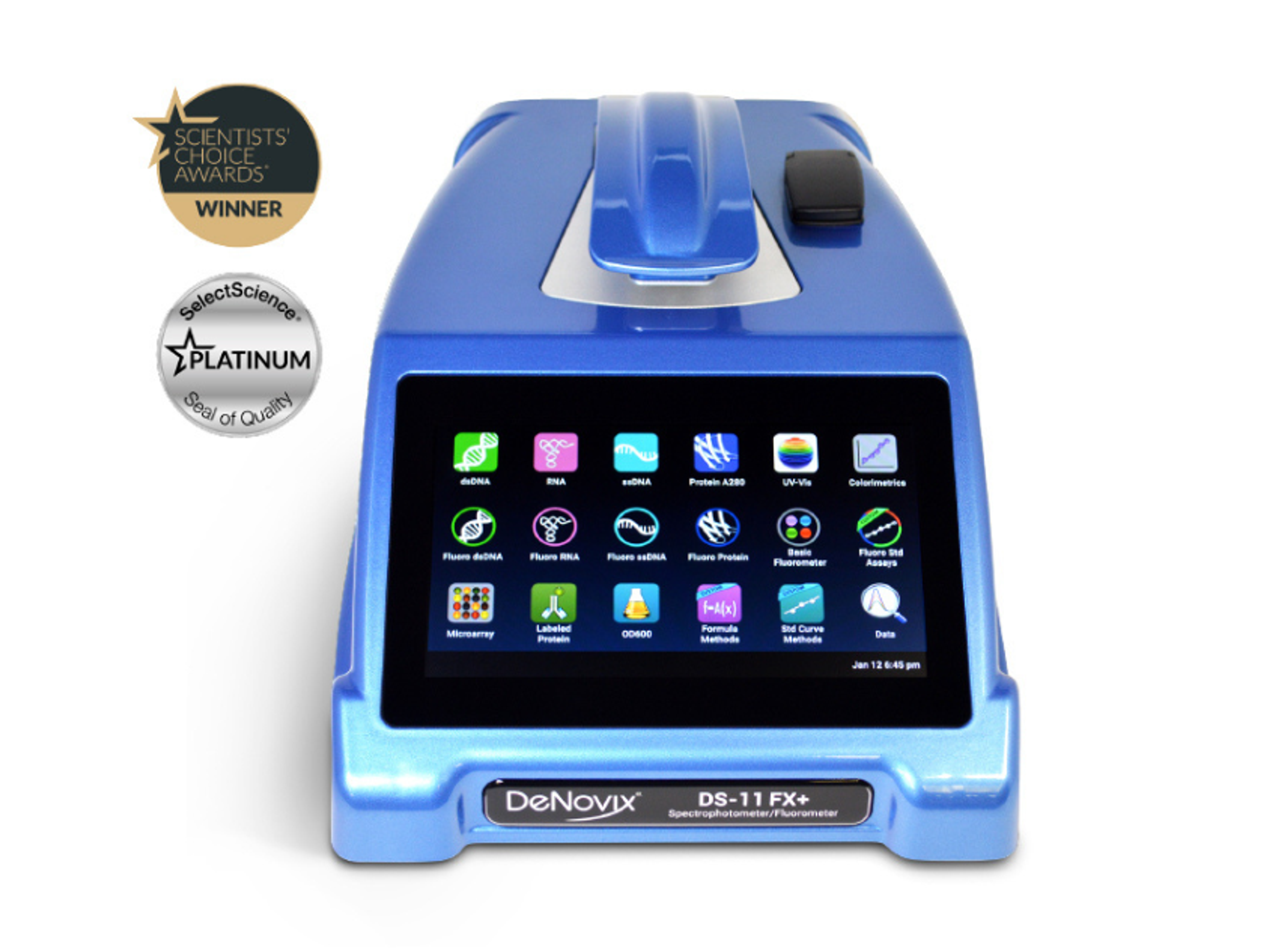
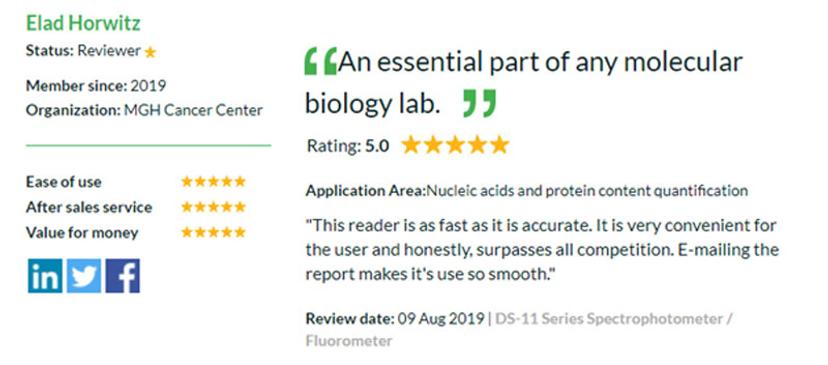
The DS-11 FX+ from DeNovix can rapidly quantify nucleic acid and protein samples over one of the broadest dynamic ranges of any microvolume spectrophotometer available. Alongside combining microvolume and cuvette analysis, its additional fluorescence capabilities and intuitive interface have made the DS-11+ a firm favorite amongst the range of available microvolume spectrophotometers.
7. Assay development
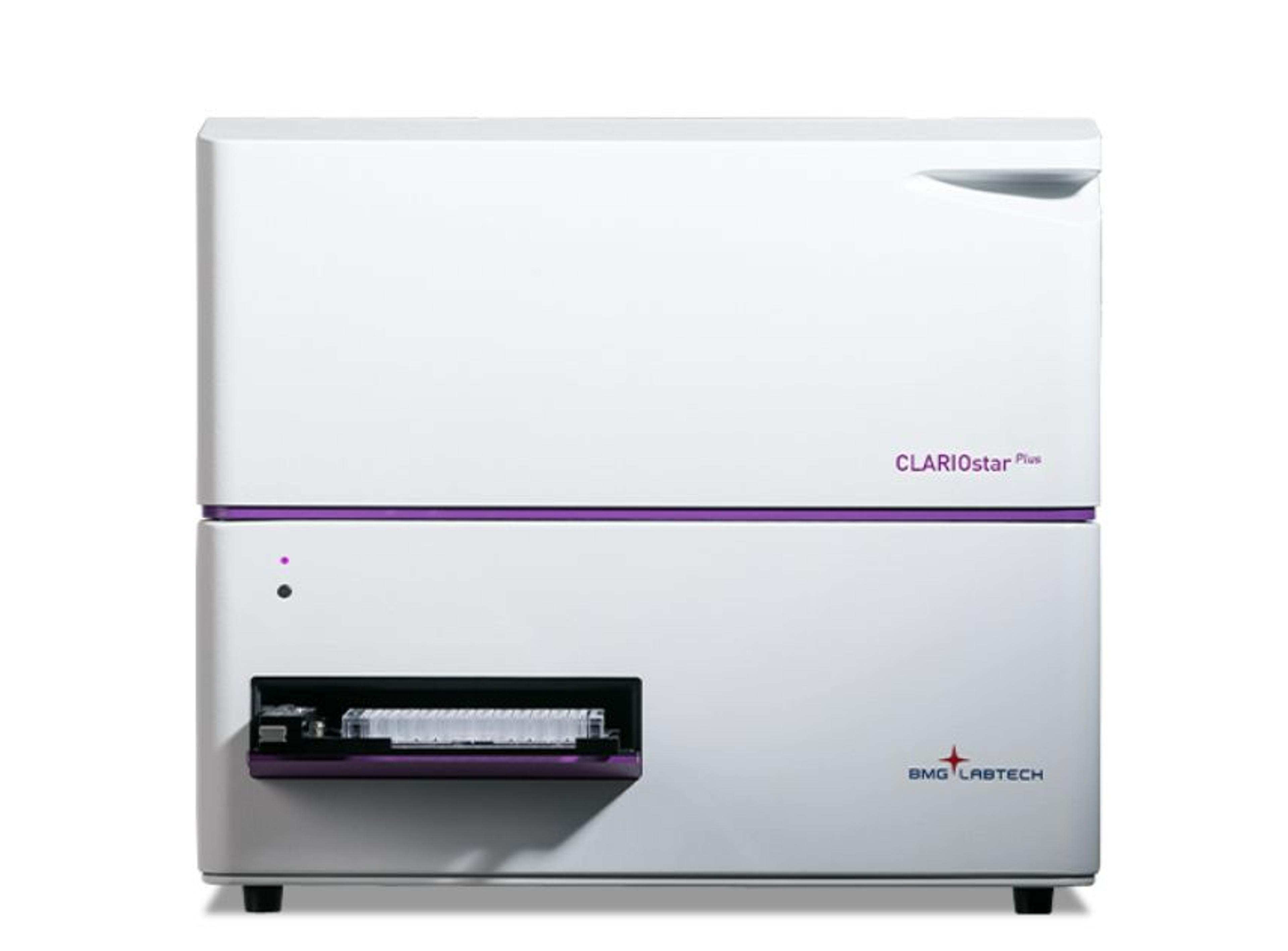
For more complex and higher throughput analyses, stepping up from a single channel instrument to a multichannel microplate reader is an absolute must. The CLARIOstar® Plus Multi-mode Microplate Reader from BMG LABTECH is one such absorbance and fluorescence reader.

8. Protein binding
For studying protein complexes and their formation or even protein binding, a more specialist approach is required. Fluidic Analytics’ Fluidity One-W allows you to study proteins in near-native conditions and quickly determine binding affinities and binding stoichiometry with ease.

9. Protein-protein interactions
If your work requires the detection of protein interactions in live cells, then Promega’s NanoBiT® PPI System is the assay kit for you. This kit enables you to perform real-time kinetic analysis in live cells and can be scaled from bench-scale through to high-throughput screening in 1,536-well plates.

10. Protein stability
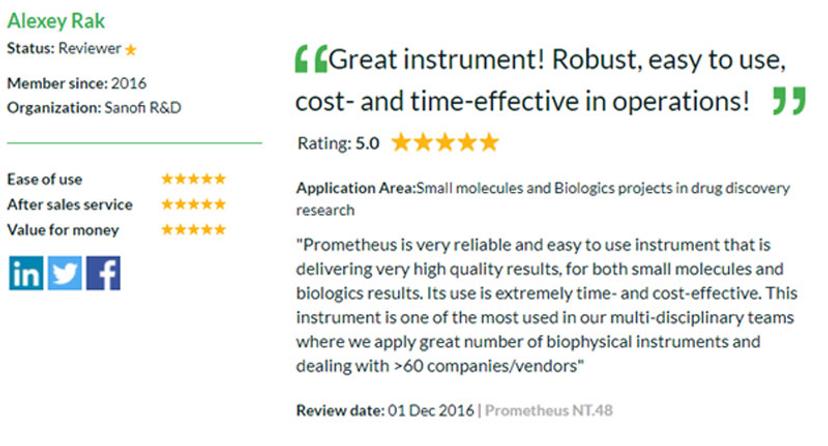
NanoTemper Technologies’ Prometheus NT.48 offers simultaneous, multi-parameter characterization throughout an entire run, measuring thermal unfolding, particle sizing, and aggregation as well as chemical denaturation for a detailed stability profile. For trustworthy, high-resolution stability characterization, look no further.
These are just a few of the available products that have helped your peers and could make an impact in your laboratory. For more reviews of technologies in your field, visit our product and reviews directory or leave your own review today and help other scientists level up their equipment and consumables.
I think it is very important to get a truthful review from end-users, especially those who are experienced and involved in research. It is valuable information that comes from such sources because it gives the opportunity to understand practical features, pros and cons, rather than marketing information from the manufacturer.
Sergiy Romanov Intertech Corporation
Learn more about why other scientists leave and read product reviews >>
Find the latest protein biology news and resources in our Protein Biology Special Feature>>