SelectScience InterviewsClinical Diagnostics

The critical role of the microbiology lab in antibiotic stewardship

1 May 2025
Sonia Nicholas
Managing Editor and Clinical Lead
The critical role of the microbiology lab in antibiotic stewardship

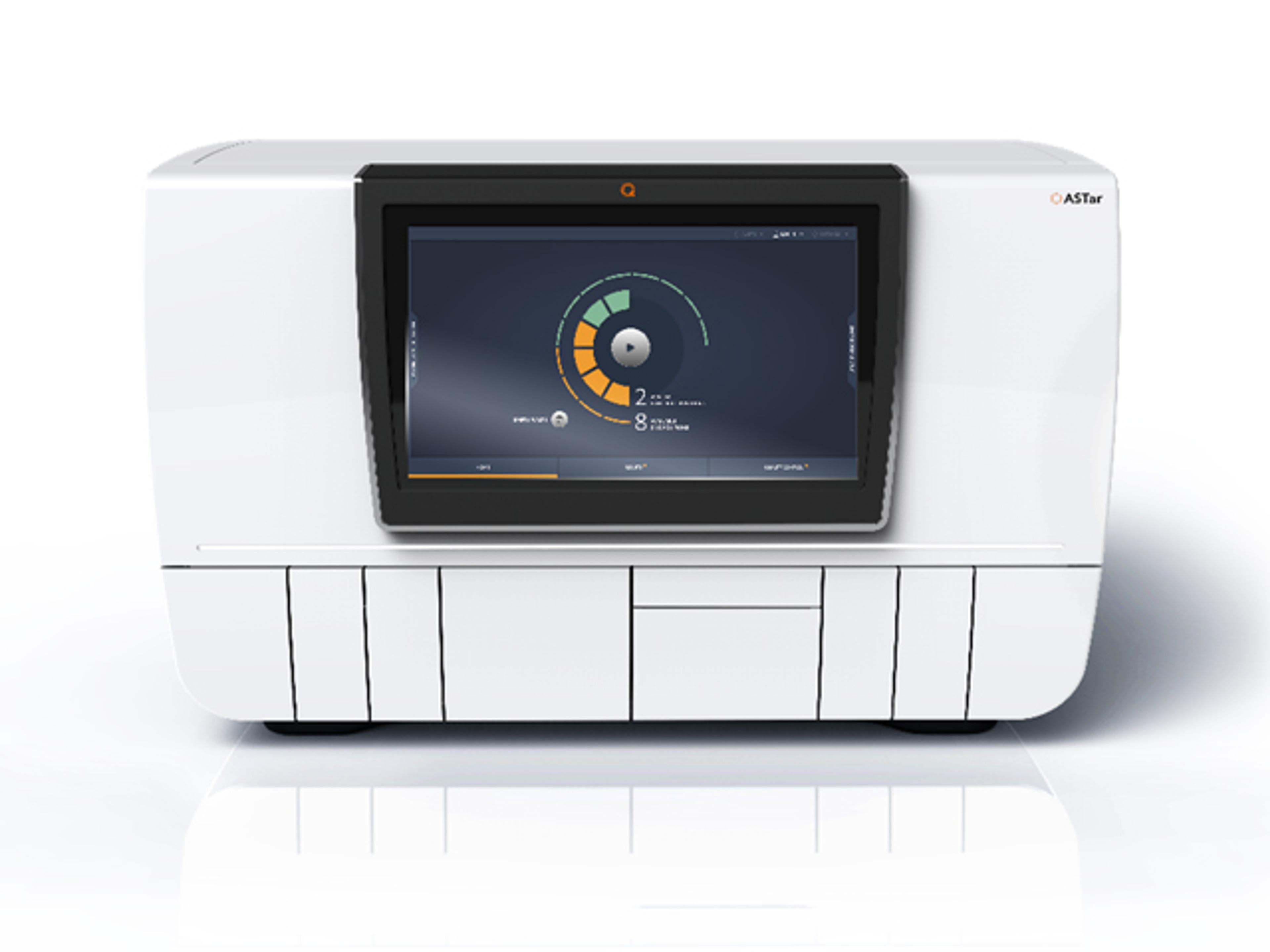
Vikas Gupta, Senior Director of Clinical Affairs at Q-linea and a clinical pharmacist, underscores the vital relationship between microbiology and antibiotic stewardship. Gupta highlights the rising challenge of antimicrobial resistance and the need for rapid susceptibility testing to improve patient outcomes, particularly in sepsis management. He also discusses the benefits of early antibiotic susceptibility and MIC results, emphasizing their role in precision treatment. Additionally, he explores the impact of controlled inoculum consistency and the transformative potential of the ASTar instrument in delivering timely results to stewardship teams, ultimately enhancing patient care.

This video interview was filmed at ESCMID Global 2025, Vienna, Austria.

About the company

Q-linea logo

Q-linea

Q-linea is an innovative infection diagnostics company that primarily develops instruments and disposables for rapid and reliable infection diagnostics. Our vision is to help save lives by ensuring antibiotics continue to be an effective treatment for future generations. Q-linea develops and delivers preferred solutions for healthcare providers, enabling them to accurately diagnose and treat infectious disease in the shortest possible time. The company’s lead product ASTar® is a fully automated instrument for antibiotic susceptibility testing (AST), giving a susceptibility profile within six hours directly from a positive blood culture.
Links

Tags

Clinical MicrobiologyMicrobiology is the study of microorganisms including protists, prokaryotes, fungi, and, often, viruses. Microorganisms are a useful research tool as genetic vectors and, in immunology, for antibiotic susceptibility testing, cellular biology and genetics. Microorganisms commonly grow readily in incubators with microbial culture media; this can contain chromogenic supplements to differentiate between cell lines. Estimate your culture’s density of microorganisms with colony counters, or screen and select colonies for desirable clones with automated colony pickers. Additionally, equipment is available to monitor environments for the presence of microbes and identify with microbial identification instruments. Find the best microbiology products in our peer-reviewed product directory: compare products, check customer reviews and receive pricing direct from manufacturers.MicrobiologyMicrobiology is the study of microorganisms including protists, prokaryotes, fungi, and, often, viruses. Microorganisms are a useful research tool as genetic vectors and, in immunology, for antibiotic susceptibility testing, cellular biology and genetics. Microorganisms commonly grow readily in incubators with microbial culture media; this can contain chromogenic supplements to differentiate between cell lines. Estimate your culture’s density of microorganisms with colony counters, or screen and select colonies for desirable clones with automated colony pickers. Additionally, equipment is available to monitor environments for the presence of microbes and identify with microbial identification instruments. Find the best microbiology products in our peer-reviewed product directory: compare products, check customer reviews and receive pricing direct from manufacturers.SepsisSepsis is a life-threatening response to infection causing organ dysfunction. Research focuses on early detection, biomarkers, and therapies to reduce mortality. Explore tools for sepsis diagnostics and analysis in our peer-reviewed product directory, including detection kits and biomarkers.